
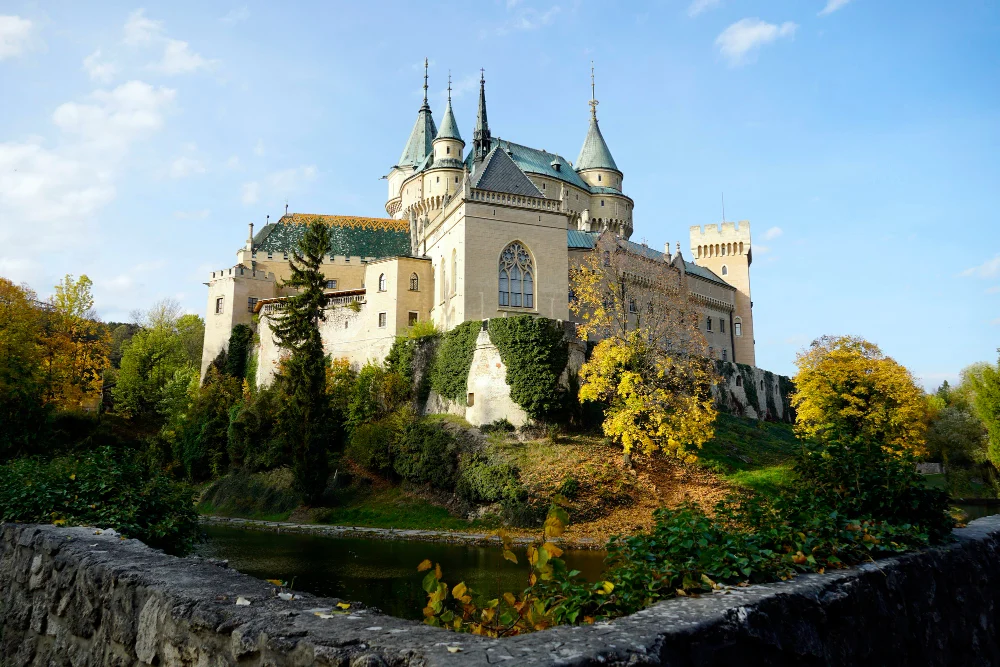
The evolving landscape of global tourism increasingly reflects a shift from passive sightseeing to active, immersive engagement, particularly among individuals drawn to the rich tapestries of history, folklore, and fantasy. For those who envision their travels as journeys through fortified towns, explorations of ancient ruins, or quests to trace the landscapes behind beloved fantasy sagas, the most profound gifts are those that deepen this connection. These presents, whether tangible tools for discovery or direct experiences, serve not merely as mementos but as catalysts for genuine cultural understanding and personal enrichment.
The Rise of Experiential Travel and Cultural Immersion
In recent years, the tourism sector has witnessed a pronounced trend towards experiential travel, where the emphasis moves beyond simply visiting a destination to truly living and understanding its essence. This paradigm shift is especially evident among cultural tourists and enthusiasts of historical fiction and fantasy genres, who seek to engage with sites and stories on a more profound level. According to recent market analyses, the global cultural tourism market, valued at approximately $4.6 trillion in 2023, is projected to grow significantly, underscoring a burgeoning desire for authentic encounters with heritage. This growth is driven by travelers who prioritize learning, personal growth, and creating lasting memories over transient material acquisitions.
For a traveler captivated by castles, for instance, a gift that directly enhances the experience of walking through ancient fortifications, delving into local legends, or photographing majestic towers offers far more value than a generic souvenir. These gifts facilitate a deeper dive into the historical, architectural, and mythical layers that define such sites. The aspiration is to transform a trip into an expedition, where every stone, every myth, and every vista contributes to a coherent, memorable narrative.
Understanding the Modern Traveler: Beyond Superficial Sightseeing
Modern travelers, especially those inspired by the allure of fantasy worlds and historical epochs, are often detail-focused and driven by specific interests. A person fascinated by medieval architecture requires a different approach from a reader obsessed with Celtic folklore, while a photographer visiting Scottish castles values distinct equipment compared to a collector planning museum trips. The effectiveness of a fantasy-inspired travel gift lies in its precise alignment with the recipient’s particular passion. This necessitates looking beyond broad categories and identifying the direct connection between the object or experience and a future journey.
For instance, a gift that promotes the exploration of defensive structures dating back to the Romanesque or Gothic periods resonates deeply with an architecture aficionado. Conversely, an individual whose imagination is ignited by tales of dragons, knights, and ancient magic might prefer a gift that unearths the folklore embedded in a destination. This nuanced understanding ensures that the gift becomes an integral part of the travel narrative, rather than an arbitrary addition.
Physical Gifts: Tools for Deeper Exploration and Connection
Physical presents are most impactful when they transcend their material form to become indispensable components of the travel experience itself. Thoughtfully chosen items can serve as valuable resources before arrival, practical aids during exploration, and meaningful keepsakes long after the journey concludes.
-
Navigating History: Illustrated Maps and Historical Guides
In an age dominated by digital navigation, a meticulously illustrated map or a comprehensive historical guide offers a refreshing and immersive alternative. An illustrated map depicting the formidable castles of Wales, the romantic châteaux of the Loire Valley, or the mysterious fortresses of Transylvania provides a crucial visual framework for a trip. These maps, often richly annotated with historical details and artistic interpretations, invite travelers to trace routes, identify key landmarks, and anticipate the architectural wonders awaiting them.A well-chosen historical guide further enriches this experience by providing essential context. These guides delve into dates, architectural specificities, notable former residents, significant battles, and local legends, allowing for deep engagement without constant reliance on electronic devices. The enduring appeal of physical maps and books is supported by recent studies indicating that while digital tools are convenient, tactile resources enhance memory retention and a sense of discovery.
Different formats cater to diverse traveler profiles:
- Fold-out Castle Map: Ideal for road-trip planners exploring regions like Wales or the Scottish Highlands, offering an immediate visual overview.
- Architectural Guidebook: Best suited for detail-focused visitors in cities such as Prague or Carcassonne, providing in-depth analysis of structural elements and historical periods.
- Folklore Collection: A perfect match for legend enthusiasts traveling to Ireland or Iceland, uncovering the myths and tales embedded in the landscape.
- Illustrated Atlas: Designed for armchair explorers or those planning multi-country European trips, offering a broad contextual understanding.
- Pocket Heritage Guide: Convenient for light packers on historic city breaks, providing essential information in a compact format.
-
Documenting Journeys: The Field Journal for Ruins and Legends
For travelers who prefer to record observations and reflections rather than solely capturing images, a durable field journal is an invaluable companion. This hard-wearing notebook transforms into a personal archive, a repository of sensory details and intellectual discoveries. To maximize its utility, prompts can be included to encourage specific forms of engagement: architectural sketches of a castle’s unique features, transcribed overheard legends from a local guide, rubbings of heraldic symbols, notes on regional foods tasted, or descriptions of memorable rooms within a historic estate. This practice fosters a deeper level of observation and personal connection to the visited sites, turning each entry into a curated memory. -
Authentic Mementos: Medieval-Inspired Objects with Context
Moving beyond generic souvenirs, the most meaningful medieval-inspired gifts are those connected to genuine historical traditions or local craftsmanship. Instead of anonymous imitation swords or mass-produced "medieval" décor, consider items such as a replica wax seal, a heraldic bookmark, a museum-produced coin reproduction, stationery adorned with illuminated manuscript designs, or locally made ceramics inspired by historic patterns. These items often support local artisans and heritage institutions, ensuring that the gift carries not only aesthetic appeal but also cultural and economic significance. Such gifts serve as tangible links to the past, reflecting the authenticity and craftsmanship of a bygone era, and acting as conversations starters long after the trip. -
Capturing Atmospheres: Photography Accessories for Atmospheric Places
Castles and ancient ruins present unique challenges and rewards for photographers. Their dark interiors, distant towers, intricate stone textures, narrow passages, and dramatic landscapes demand specialized equipment. For a traveler already equipped with a camera, a compact tripod for low-light conditions, a comprehensive lens-cleaning kit, a padded camera insert for protection, or a weatherproof strap enhances their ability to capture the atmosphere. For phone photographers, a small power bank is crucial, as long days exploring ruins and heritage trails can quickly drain batteries, along with a high-quality lens cloth. These practical accessories demonstrate an understanding of the specific demands of photographing historic and often challenging environments.
Experiential Gifts: Crafting Unforgettable Memories
For travelers who prioritize experiences over material possessions, an experiential gift directly translates into a cherished memory. The critical factor is aligning the experience with a destination they genuinely aspire to explore. This approach taps into the growing desire for "memory-making" rather than "stuff-getting."
-
Access to Heritage: Site Passes and Memberships
A museum or heritage pass is an excellent choice for someone planning a history-intensive city break or a tour focused on specific historical periods. Organizations like the National Trust or English Heritage in the UK, or similar bodies across Europe, offer passes that grant access to numerous castles, stately homes, and archaeological sites. This gift provides the freedom to explore smaller, lesser-known sites that might otherwise be overlooked in favor of more famous attractions, encouraging a broader appreciation of regional heritage. To enhance this gift, it can be paired with a handwritten list of suggested sites connected by a specific theme, such as royal residences, ancient defensive walls, medieval churches, or literary landmarks, thereby providing a curated journey. Tourism experts frequently cite such passes as effective tools for promoting repeat visits and fostering deeper engagement with cultural patrimony. -
Immersive Stays: Castle Accommodations
An overnight stay in a restored castle, a fortified manor, or a historic estate offers an unparalleled opportunity for immersion. This experience fundamentally alters the rhythm of a trip, allowing the recipient to inhabit the building after the daytime crowds have departed. It provides ample time to appreciate architectural nuances – hidden staircases, serene courtyards, ancient libraries, sprawling gardens, and the surrounding countryside – in a way that a brief visit cannot. The trend of converting historical properties into unique accommodations has seen significant growth, with many properties now offering a blend of historic ambiance and modern comfort.Before booking, four critical details should be verified: the authenticity of the historical setting (is it a true castle or a themed hotel?), the level of restoration (does it maintain historical integrity or is it overly modernized?), the amenities offered (comfort vs. rustic charm), and the specific location relative to other desired attractions. Such stays transform a visit into a personal historical narrative.
-
Guided Narratives: Folklore and Themed Walking Tours
A professionally guided ghost walk, a mythology tour, a medieval quarter exploration, or a literary trail suits travelers who thrive on the stories intrinsically linked to physical places. Cities like Edinburgh, York, Prague, Dublin, and Tallinn, with their labyrinthine older streets and rich histories, provide exceptional settings for this type of exploration. The most effective tours connect specific buildings, squares, or natural features to documented historical events, enduring legends, or local traditions, moving beyond mere theatricality to offer genuine cultural insights. These tours often feature expert storytellers who can weave together historical facts with captivating folklore, bringing the past vividly to life and offering perspectives unavailable in guidebooks. Such experiences support local guides and contribute to the preservation of intangible cultural heritage.
The Broader Impact: Cultural Preservation and Sustainable Tourism
The deliberate choice of gifts that encourage deep engagement with history and culture has broader implications for sustainable tourism and cultural preservation. By supporting local artisans, heritage sites, and expert guides, these gifts contribute directly to local economies and the maintenance of historical assets. They encourage a form of tourism that is slower, more respectful, and focused on learning, reducing the negative impacts often associated with mass tourism.
Tourism boards and heritage organizations consistently emphasize the importance of visitors acting as stewards of cultural sites. Gifts that foster this mindset – whether a membership to a heritage trust or a booking for a locally guided tour – align perfectly with goals of responsible travel. According to the World Tourism Organization (UNWTO), cultural tourism is a key driver for local development, empowering communities and offering diverse experiences that promote cross-cultural understanding. This shift towards meaningful engagement helps preserve the unique character of destinations, ensuring their legacy for future generations.
Conclusion: Beyond the Gift – A Legacy of Exploration
Ultimately, the most memorable travel gifts are those that extend an invitation to look closer, to delve deeper, and to experience a place with all senses engaged. A carefully chosen map encourages a detour off the beaten path, a field journal captures a fleeting legend, a museum pass unlocks another hidden doorway, and a castle stay transforms architecture into an overnight immersion. These gifts are not merely objects or transactions; they are catalysts for discovery, fostering a profound connection between the traveler and the destination.
The key to selecting the ideal present lies in understanding the recipient’s specific obsession rather than relying on a broad "fantasy" label. Someone captivated by heraldry, Gothic architecture, Arthurian legends, haunted houses, or specialized fantasy photography offers a much more precise starting point than a general "likes castles." The ideal present becomes an integral part of the journey, collecting meaning and personal significance along the way. Long after the trip concludes, a marked-up map, a worn field journal, a photograph from a misty ruin, or a ticket from a memorable heritage site still carries the authentic atmosphere and profound memories of the place, serving as a lasting testament to a journey well-chosen and deeply experienced.
About the Author






