A court in France has ordered the liquidation of Midgar Studio, the Montpellier-based developer renowned for titles such as Edge of Eternity and Edge of Memories. This decisive legal action, effective as of July 21, 2026, marks a somber turning point for the studio, which has been a subsidiary of the French publisher Nacon. The liquidation follows Nacon’s own filing for insolvency in February, a move that has sent ripples of uncertainty across its extensive portfolio of development studios and the broader European gaming landscape. The closure of Midgar Studio highlights the increasing financial pressures facing mid-tier publishers and developers, exacerbated by a challenging global economic climate and intense market competition.
Midgar Studio’s Journey: From Indie Vision to Acquired Asset
Midgar Studio was founded in 2008 by Jérémy Zeler-Maury, driven by a clear vision to fuse French and Japanese game design sensibilities. From its inception, the studio aimed to carve out a niche for itself, focusing on ambitious projects that resonated with a global audience. Its early work included Hover: Revolt of Gamers, a vibrant open-world parkour game that gained traction through crowdfunding and offered a unique blend of futuristic aesthetics and fast-paced gameplay.
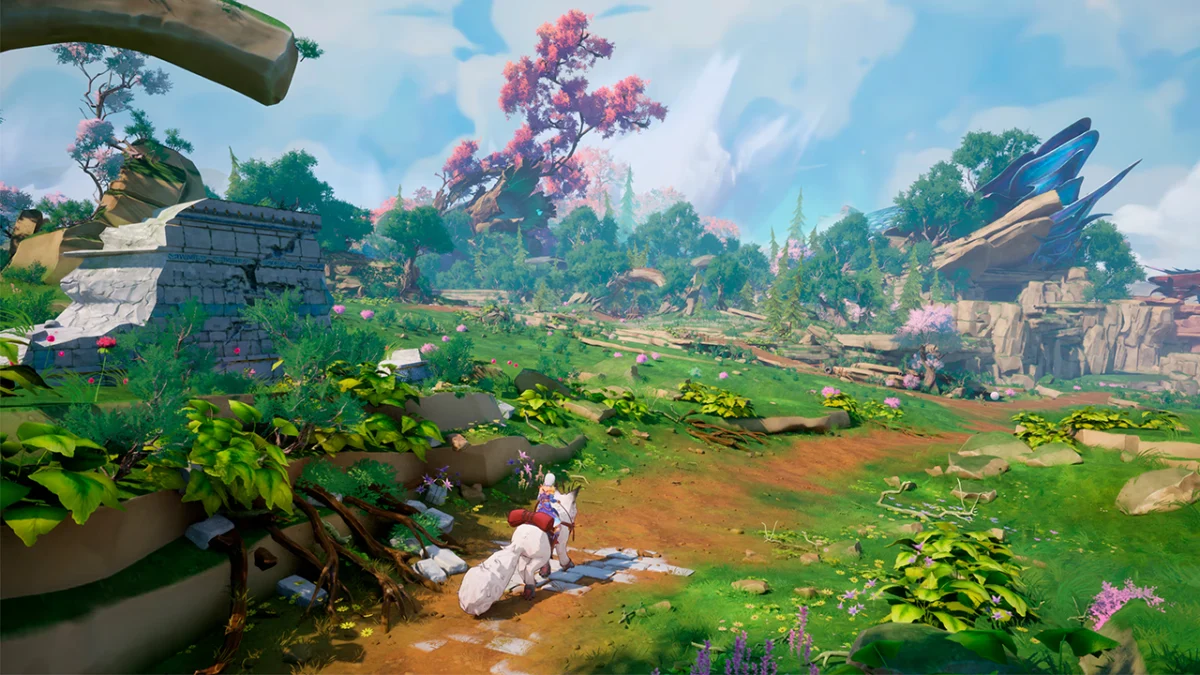
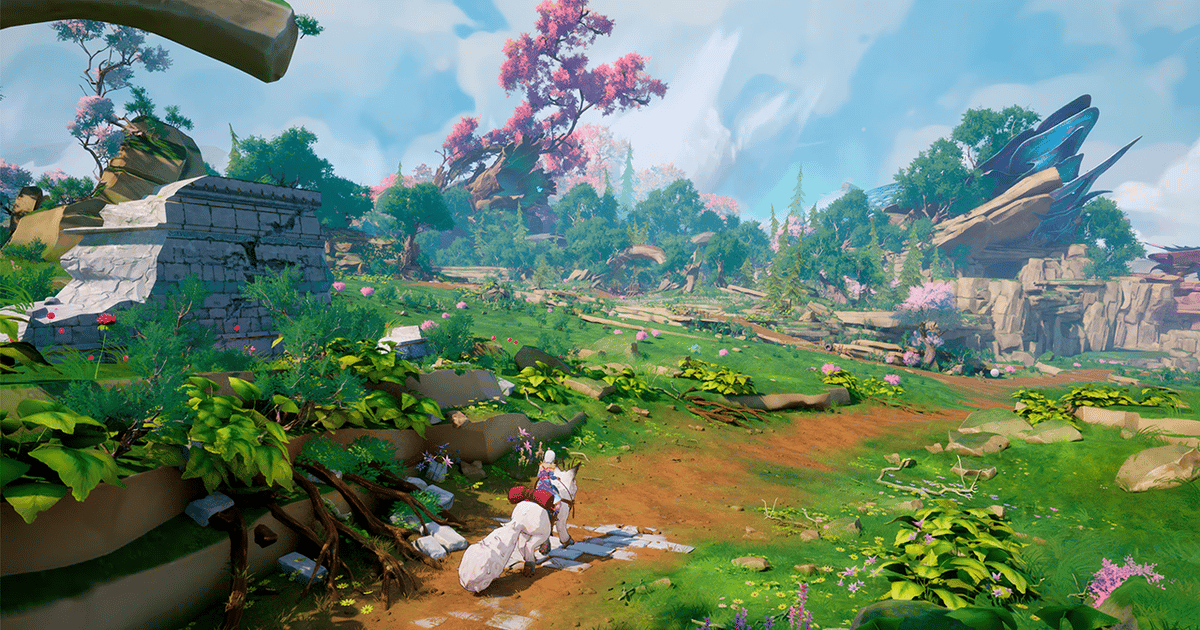
However, it was Edge of Eternity that truly put Midgar Studio on the map. Launched in early access in 2018 and fully released in 2021, the turn-based tactical JRPG garnered significant attention for its sprawling world, intricate combat system, and engaging narrative. The game was praised for its ambitious scope, evocative soundtrack by Yasunori Mitsuda (known for his work on Chrono Trigger and Xenogears), and its commitment to classic JRPG tropes while introducing modern graphical fidelity. Edge of Eternity represented a substantial undertaking for an independent studio, showcasing Midgar’s capacity for complex game development and storytelling.
Following the success of Edge of Eternity, the studio continued its trajectory with Edge of Memories, though specific details regarding its release or reception remain less prominent in public discourse, suggesting it might have been a more recent or smaller-scale project. Throughout its eighteen-year history, Midgar Studio cultivated a reputation for creative ambition and technical prowess, building a dedicated community of players who appreciated its distinctive approach to game development. Its acquisition by Nacon integrated it into a larger publishing structure, theoretically providing more resources and stability, but ultimately proved insufficient to shield it from the parent company’s broader financial woes.
Nacon’s Financial Quagmire: A Domino Effect
The liquidation of Midgar Studio is a direct consequence of the severe financial distress gripping Nacon. The publisher, known for its diverse portfolio including racing simulators, sports games, and action-adventure titles, filed for insolvency in February 2026. This move was a critical indicator of deeper systemic issues within the company and its ultimate parent, Bigben Group. Bigben Group, a French conglomerate with interests in consumer electronics and video games, failed to partially repay a significant bond loan, triggering a cascade of financial difficulties that directly impacted its gaming subsidiary, Nacon.
Nacon, in turn, owns a considerable number of development studios, many of which are based in France. The initial insolvency filing by Nacon sent shockwaves through the industry, raising immediate concerns about the future of its subsidiary studios. Shortly after Nacon’s announcement, several other prominent studios under its umbrella, including Spiders (developer of GreedFall and Steelrising), Kylotonn (known for its racing titles like the WRC series and Test Drive Unlimited Solar Crown), and Cyanide (creators of Styx and Blood Bowl), also filed for insolvency. This collective distress painted a grim picture of widespread financial instability affecting a significant portion of the French game development sector.
At the time of its initial insolvency filing, Nacon stated its intention to "assess all possible solutions" to ensure the continuation of its operations and the preservation of its studios. These solutions typically involve restructuring, seeking new investment, or divesting assets. However, the situation at Midgar Studio demonstrates the harsh realities and tight deadlines often associated with such legal proceedings, where viable solutions must be found quickly to prevent outright liquidation.
The Race Against Time: Efforts to Save Midgar Studio
The announcement of Midgar Studio’s liquidation was accompanied by a heartfelt statement from Jérémy Zeler-Maury, Nacon’s CTO and the founder of Midgar, shared on his LinkedIn profile. Zeler-Maury revealed the intensive efforts undertaken in the weeks leading up to the court’s decision to find a lifeline for the studio. "Over the past few weeks, we worked until the very end to find a solution that could preserve both the company and the team," he wrote, expressing the profound disappointment of the outcome.
These efforts likely involved seeking potential buyers for Midgar Studio, either as a standalone entity or as part of a larger asset sale by Nacon. Such negotiations are complex, requiring due diligence, financial assessments, and agreement on terms, all within the stringent timeframes imposed by insolvency laws. The "runway" – the remaining financial capacity to operate – for Midgar Studio had evidently dwindled to nothing before a viable deal could be finalized. Zeler-Maury’s statement underscored the futility of these eleventh-hour attempts: "Despite every avenue explored and everyone who tried to help us, no solution could be completed within the timeframe of the process." This suggests that while there may have been interest or discussions, no concrete agreement materialized before the legal process mandated liquidation.
Zeler-Maury’s message was also a poignant reflection on Midgar’s legacy. He recounted the studio’s eighteen-year journey, transforming "a slightly crazy idea" into a reality marked by "work, creation, challenges, encounters and memories." He paid tribute to all the individuals who contributed to the studio’s games, including Hover, Edge of Eternity, and Edge of Memories, acknowledging that "Midgar is the people who brought our games to life." His words conveyed not just the professional disappointment but also the personal anguish of seeing a long-standing creative endeavor come to an end, highlighting the deep emotional investment often held by studio founders and their teams.
A Chronology of Decline: Key Events Leading to Liquidation
To understand the full scope of Midgar Studio’s closure, it is essential to trace the key events that unfolded over recent years:
- 2008: Midgar Studio is founded by Jérémy Zeler-Maury, with a vision to blend French and Japanese game design sensibilities.
- 2015: Hover: Revolt of Gamers, the studio’s initial crowdfunded title, is released, establishing its unique style.
- 2018: Edge of Eternity enters Early Access, generating significant buzz for its ambitious JRPG scope.
- 2021: Edge of Eternity officially launches, cementing Midgar Studio’s reputation for crafting expansive, narrative-driven experiences.
- Pre-February 2026: Bigben Group, Nacon’s parent company, faces financial difficulties, culminating in its failure to partially repay a crucial bond loan. This event sets off a chain reaction.
- February 2026: Nacon officially files for insolvency, citing the financial strain from Bigben Group’s issues and broader market challenges. The company states its intent to explore all possible solutions.
- February – June 2026: In the wake of Nacon’s insolvency, other key subsidiaries, including Spiders, Kylotonn, and Cyanide, also file for insolvency protection, indicating a systemic crisis within the Nacon ecosystem. During this period, Nacon and Midgar Studio leadership actively seek a buyer or restructuring solution for Midgar.
- July 21, 2026: A French court formally orders the liquidation of Midgar Studio, confirming that no viable solution was found within the legal and financial timeframes.
Broader Impact and Implications for the French and Global Gaming Industry
The closure of Midgar Studio, coupled with the ongoing insolvency proceedings of Nacon and its other subsidiaries, represents a significant blow to the French video game industry. France has fostered a vibrant and innovative game development scene, with cities like Montpellier serving as important hubs for talent and creativity. The liquidation of Midgar means the loss of dozens of jobs, dispersing a team of experienced developers who specialized in a niche genre. While these talented individuals will likely find new opportunities within the industry, the collective expertise and unique creative identity forged over nearly two decades at Midgar Studio are now dissolved.
This situation also highlights the precarious position of many mid-sized development studios, even those under the umbrella of larger publishers. While acquisitions often promise stability and access to greater resources, they also tie the fate of smaller studios to the financial health of their parent companies. The Nacon/Bigben Group crisis underscores how external financial pressures, such as bond defaults and broader economic downturns, can have devastating ripple effects throughout an entire corporate structure, ultimately impacting individual creative teams.
The intellectual properties developed by Midgar Studio, specifically Edge of Eternity and Edge of Memories, will likely revert to Nacon or become part of the assets managed by the insolvency administrators. The future of these games, including potential sequels, updates, or ports, is now uncertain. While Nacon might eventually seek to monetize these IPs if it successfully navigates its own financial challenges, the immediate focus will be on the legal and financial aspects of the liquidation. This loss of creative continuity is a tangible cost to the gaming ecosystem, diminishing the diversity of games available to players.
Analysis of the Current Financial Climate in Gaming
The events surrounding Nacon and Midgar Studio are not isolated incidents but rather reflective of a challenging period for the video game industry in the mid-2020s. After a boom during the early pandemic years, the market has seen a slowdown, coupled with rising development costs, increased competition, and shifts in consumer spending habits. Inflationary pressures, higher interest rates, and a general tightening of capital markets have made it more difficult for companies to secure funding, restructure debt, or attract buyers in distressed situations.
Mid-tier publishers, like Nacon, often operate in a challenging space, balancing the need to fund multiple development projects with intense pressure from larger, more well-resourced publishers (e.g., Sony, Microsoft, Nintendo, Tencent, Embracer Group) and the proliferation of independent developers. Their business models rely heavily on consistent sales and diversified portfolios, making them vulnerable to single points of failure, such as a parent company’s bond default or the underperformance of key titles.
The Nacon situation also provides a stark reminder of the importance of robust corporate governance and financial transparency. The default of Bigben Group’s bond loan was the initial spark, indicating underlying financial vulnerabilities that were perhaps not fully appreciated by the market or its subsidiaries. As the industry continues to consolidate, such incidents underscore the risks associated with complex corporate structures and the interconnectedness of seemingly separate business entities.
Looking Ahead: Uncertainty for Nacon’s Remaining Portfolio
With Midgar Studio now liquidated, the focus shifts to the fate of Nacon’s other subsidiaries still navigating insolvency, such as Spiders, Kylotonn, and Cyanide. While these studios have also filed for protection, their outcomes may differ depending on their financial health, potential for restructuring, and the perceived value of their intellectual properties to potential investors. Nacon’s ability to "assess all possible solutions" will be rigorously tested as it attempts to preserve some semblance of its publishing operations.
The broader implications for the French gaming industry are significant. While robust, it is not immune to such large-scale corporate failures. The loss of a studio like Midgar, and the instability impacting others, could lead to a brain drain of talent, a decrease in investor confidence, and a re-evaluation of strategies for supporting local development. Regulators and industry bodies may need to consider measures to bolster the resilience of the sector against future economic shocks.
In conclusion, the liquidation of Midgar Studio is a somber reminder of the inherent risks in the video game industry. It marks the end of an eighteen-year journey for a studio that dared to blend creative sensibilities and deliver ambitious RPG experiences. More broadly, it serves as a critical indicator of the financial turbulence within Nacon and Bigben Group, sending a cautionary signal about the delicate balance required for sustained success in a highly competitive and capital-intensive global market. The ripple effects of this corporate unraveling will continue to be felt across the French and international gaming landscape for some time to come.
About the Author