Nintendo has formally requested the dismissal of a proposed class action lawsuit brought forth by consumers who allege the gaming giant unfairly profited from U.S. government tariffs by increasing product prices and subsequently seeking refunds when those tariffs were deemed illegal. The legal filing, submitted by Nintendo’s legal counsel, argues that consumers received precisely what they agreed to purchase and are not entitled to retroactive rebates based on subsequent legal developments regarding trade policies. This high-stakes legal battle, unfolding in mid-2026, pits consumer advocacy against corporate operational strategies in a complex economic landscape shaped by international trade disputes and domestic judicial rulings. The outcome could set a significant precedent for how corporations manage and respond to external economic pressures, particularly concerning the passing on of costs to consumers and the subsequent recovery of those costs from the government.
The Genesis of the Dispute: Tariffs and Price Adjustments
The core of the class action lawsuit originates from a period of significant economic uncertainty and trade friction between the United States and various international partners, most notably China. Beginning in 2018 under the previous U.S. presidential administration, a series of tariffs were imposed on a wide array of imported goods from China, including consumer electronics and components vital to the manufacturing of video game consoles and accessories. These "Section 301" tariffs, initially implemented at 10% and later escalated to 25% on certain categories, aimed to address perceived unfair trade practices. For companies like Nintendo, which relies heavily on global supply chains and manufacturing facilities in Asia, these tariffs represented a substantial and immediate increase in operational costs.
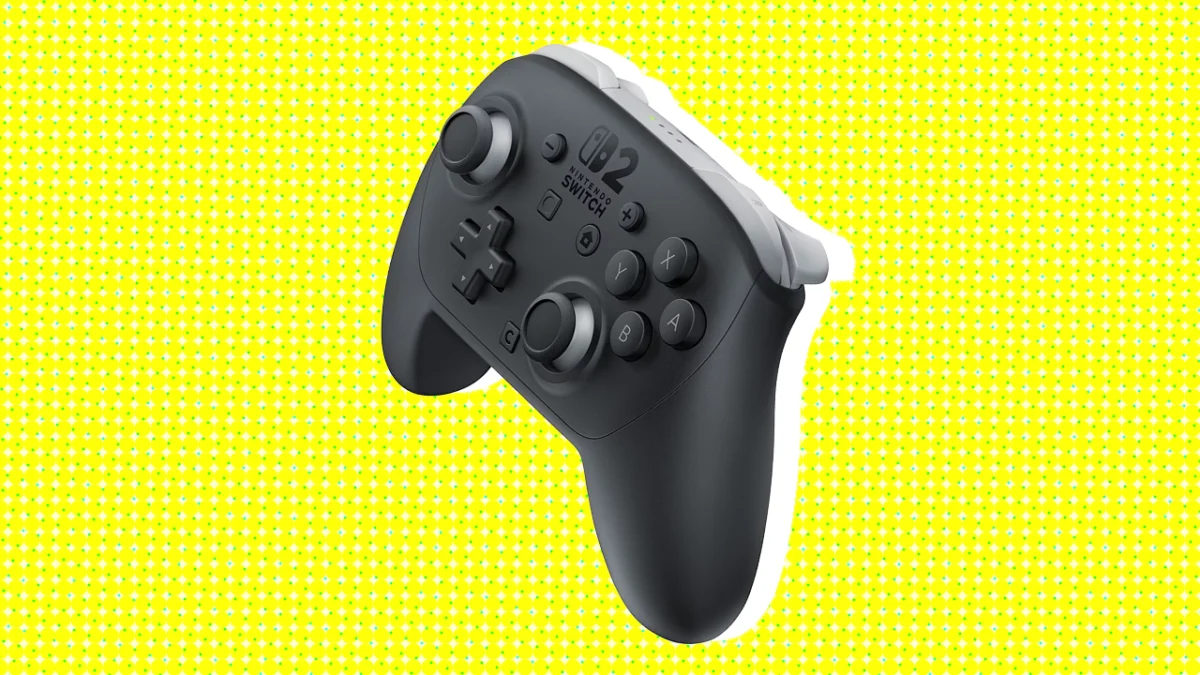
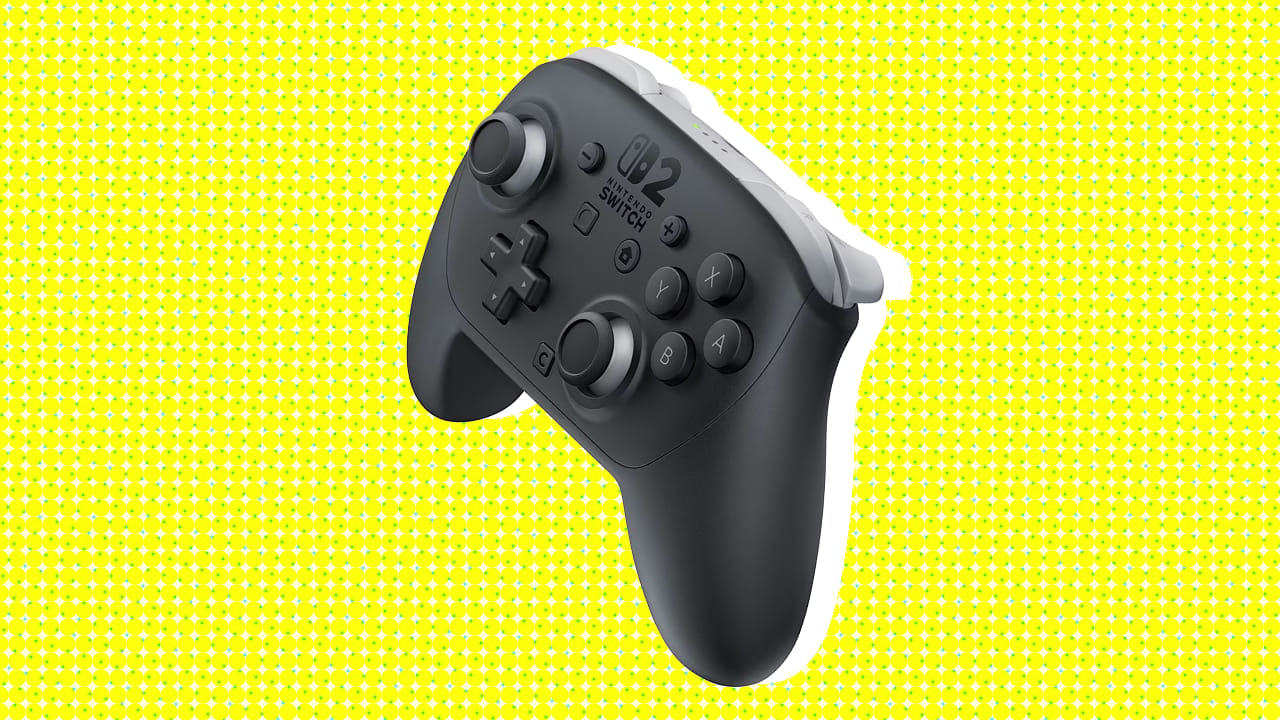
Facing these unprecedented cost burdens, many companies across various sectors adopted strategies to mitigate the financial impact. These strategies often included supply chain diversification, renegotiating supplier contracts, or, as alleged by the plaintiffs, adjusting retail prices for their products. In April 2026, plaintiffs Gregory Hoffert and Prashant Sharan initiated the proposed class action lawsuit against Nintendo. Their central claim is that Nintendo opted to pass on the economic burden of these tariffs directly to consumers by raising the prices of its console hardware and peripherals. Specific products cited in the lawsuit include the original Nintendo Switch console and accessories for the newer Nintendo Switch 2, which launched in the preceding years. The plaintiffs contend that by raising prices, Nintendo effectively shielded its profit margins from the tariffs, transferring the cost directly to the end-user.
A Shifting Legal Landscape: The Supreme Court’s Intervention
The narrative took a crucial turn when the U.S. Supreme Court, in a landmark decision preceding these lawsuits, ruled that certain aspects of these tariffs were illegally imposed. While the specifics of the Supreme Court’s reasoning are complex, typically such rulings hinge on procedural errors, exceeding statutory authority, or constitutional challenges to the executive branch’s power in trade matters. Following this ruling, numerous importers, including Nintendo, filed claims with the U.S. government to seek refunds for the tariff duties they had paid. This pursuit of refunds by corporations became a flashpoint for consumer groups.
Hoffert and Sharan argue that since Nintendo sought and is now poised to receive refunds for tariffs that consumers effectively paid through higher retail prices, those refunds should be passed back to the consumers. Their filing explicitly states, "Major U.S. importers—including Nintendo—responded by increasing prices on consumers goods to offset the cost of these tariffs. As a result, American consumers paid higher retail price for consumer goods reflecting the economic burden of those tariffs." The plaintiffs contend that allowing Nintendo to retain these refunds would amount to an unjust enrichment or a "double recovery windfall," benefiting from both higher consumer prices and subsequent government refunds for the same tariff costs. This sentiment reflects a growing consumer expectation for transparency and fairness in pricing, especially when external economic factors are reversed.
Nintendo’s Robust Defense: Bargained-For Exchange and Market Dynamics
In its motion to dismiss the lawsuit, Nintendo’s legal team mounted a multi-pronged defense, challenging the fundamental premise of the plaintiffs’ claims. As noted by industry publication Game File, Nintendo asserts that consumers are "not entitled to a rebate simply because of intervening legal developments related to tariffs." The company’s argument centers on the principle of a bargained-for exchange: when a consumer purchases a product at a stated price, they receive the product they desired at the agreed-upon cost.
Nintendo’s legal filing elaborates on this point: "Nintendo or one of its retailers set a price for each product, and consumers decided whether that price was worth paying. Those who bought Nintendo’s products received exactly what they bargained and paid for: a console, game and/or accessory at a price to which both parties agreed." This position aligns with established contract law, where a transaction is generally considered complete and binding once both parties fulfill their agreed-upon obligations. From Nintendo’s perspective, the subsequent legal invalidation of the tariffs does not retroactively alter the terms of past retail sales. The money paid by consumers was for the goods themselves, not for a future contingent rebate based on trade policy shifts.
Furthermore, Nintendo explicitly states that its pricing decisions were not solely dictated by tariffs. The company asserts that it absorbed a portion of the tariff costs itself, unlike some of its "market peers" who may have implemented more direct or substantial price hikes. Nintendo claims its price adjustments were "modest and selective" and were influenced by a confluence of broader market conditions. These included rising costs for critical components like memory chips, increasing labor costs in manufacturing, and escalating global shipping expenses—factors that significantly impacted the entire consumer electronics industry during the period in question. For instance, the global semiconductor shortage that peaked in the early 2020s dramatically increased the cost of memory and processors, impacting hardware production across the board.
Crucially, Nintendo highlights that it "chose to bear the costs of tariffs on some of its most popular products of 2025, including its flagship console, the Nintendo Switch 2." This indicates a strategic decision to absorb costs on key, high-demand products to maintain competitive pricing or market share, rather than universally passing on all tariff burdens. The company argues that had it simply increased prices by the exact amount of the tariffs, the adjustments would have been more substantial and widespread.
Consumer Choice and Broader Economic Context
A significant element of Nintendo’s defense rests on the principle of consumer autonomy and market choice. The company argues that consumers were not compelled to purchase its products at the adjusted prices. If a consumer deemed the price too high, they had the option to "abstain from purchasing the product or seek out competing products." This argument posits that a free market allows consumers to make informed decisions based on perceived value and available alternatives. This perspective underscores the dynamic nature of retail pricing, which is subject to numerous variables beyond just manufacturing costs and tariffs.
To further contextualize Nintendo’s position, it’s essential to consider the broader economic pressures on the video game industry during the tariff period. Beyond memory and shipping, currency fluctuations, increased research and development costs for new hardware generations (like the Switch 2), and escalating marketing budgets all contribute to the final retail price of a product. An industry analysis from late 2020, for example, projected that manufacturing costs for consoles could increase by 10-15% due to a combination of tariffs and supply chain disruptions, creating immense pressure on profit margins that typically range from 5-15% for hardware. Absorbing all these costs while maintaining profitability, especially for a publicly traded company with shareholder obligations, can be a monumental challenge.
Legal Avenues and Potential Implications
Nintendo has expressed a preference for the case to be handled through private arbitration, a common mechanism in consumer agreements for resolving disputes outside of court. However, in the event that arbitration is denied, the company has explicitly requested that the lawsuit be dismissed outright. This dual approach indicates Nintendo’s firm belief that the class action lacks legal merit and should not proceed to a full trial.
The potential implications of this lawsuit, regardless of its outcome, are far-reaching. If the class action were to proceed and ultimately succeed, it could establish a precedent requiring companies to retroactively refund consumers for tariff-related price increases if those tariffs are later invalidated. This could lead to a wave of similar lawsuits across various industries, creating significant financial liabilities for corporations and fundamentally altering how companies account for and respond to future trade policy changes. Businesses might become more hesitant to pass on tariff costs, opting instead to absorb them and risk lower profitability, or face complex accounting and refund mechanisms in the event of policy reversals.
Conversely, a dismissal in Nintendo’s favor would reinforce the principle that retail transactions are final, and subsequent legal developments concerning upstream costs do not automatically entitle consumers to retrospective adjustments. This would provide corporations with greater certainty in their pricing strategies in the face of fluctuating geopolitical and economic conditions.
Notably, Nintendo is not alone in facing such legal challenges. Sony, another major player in the console market, is reportedly grappling with a similar lawsuit. This suggests a broader industry-wide concern over the "double recovery windfall" argument, indicating that the Hoffert and Sharan lawsuit against Nintendo is part of a larger legal trend questioning corporate responses to trade tariffs. The combined outcomes of these cases could shape consumer protection law and corporate financial practices for years to come, influencing how companies and consumers alike navigate the intricate interplay of global trade, pricing, and legal accountability. The gaming industry, known for its rapid innovation and global reach, finds itself at the forefront of a legal and economic debate with profound consequences.
About the Author