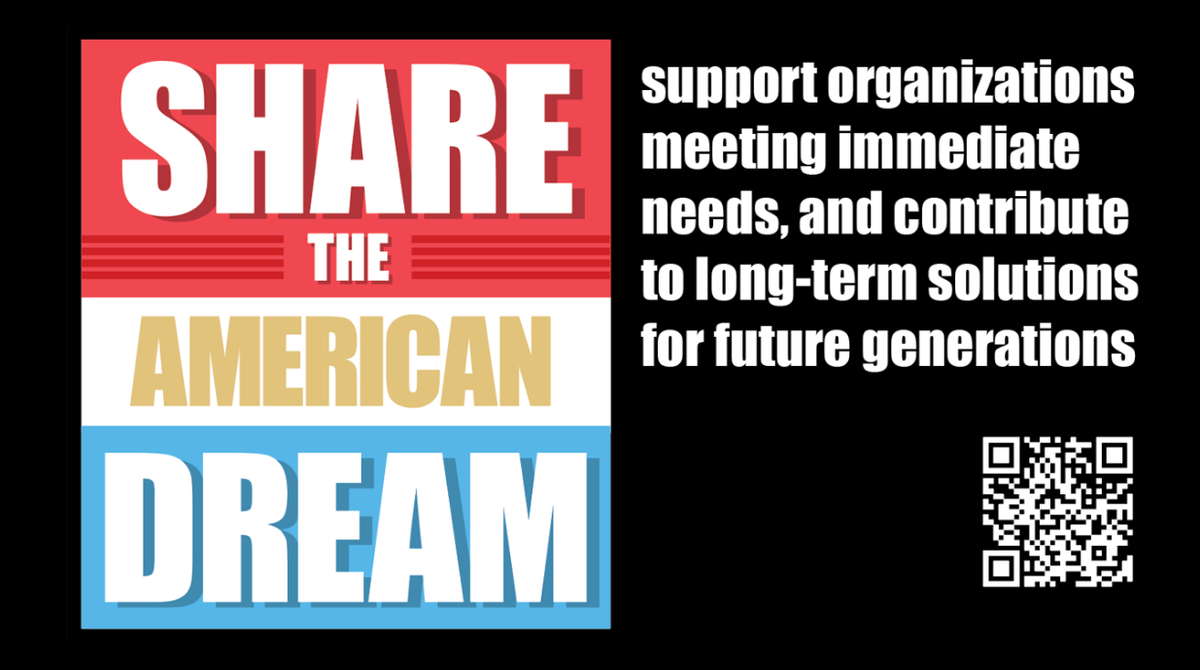
Jeff Atwood, co-founder of influential technology platforms Stack Overflow and Discourse, has announced a significant philanthropic initiative, pledging half of his remaining wealth over the next five years to long-term efforts aimed at revitalizing the American Dream. This commitment follows an immediate allocation of $8 million across eight separate $1 million donations to non-profit organizations addressing urgent needs across the United States. Atwood articulated deep concern regarding the current trajectory of American society, emphasizing that the nation is at an "unprecedented point" where the foundational promise of the American Dream risks being lost. His announcement is accompanied by a fervent call to action for all Americans to contribute, however they can, to organizations effectively supporting those in need and to engage in deeper, systemic changes.
A Personal Journey to Philanthropic Action
Atwood’s journey to this substantial pledge is deeply rooted in his personal history and professional experience. Born to parents from hardscrabble rural West Virginia and North Carolina, his early life was marked by economic struggle and familial challenges. He recounts his parents barely reaching the lower rung of the middle class in Virginia, a path complicated by their struggles with alcohol. The eventual divorce of his parents when Atwood was 16 years old served as a critical turning point, leading to a period of healing and sobriety that he credits with saving his family from destruction. Despite these difficulties, Atwood emphasizes the unconditional love he received, which instilled in him "the profound joy of reflecting that love upon everyone around you."
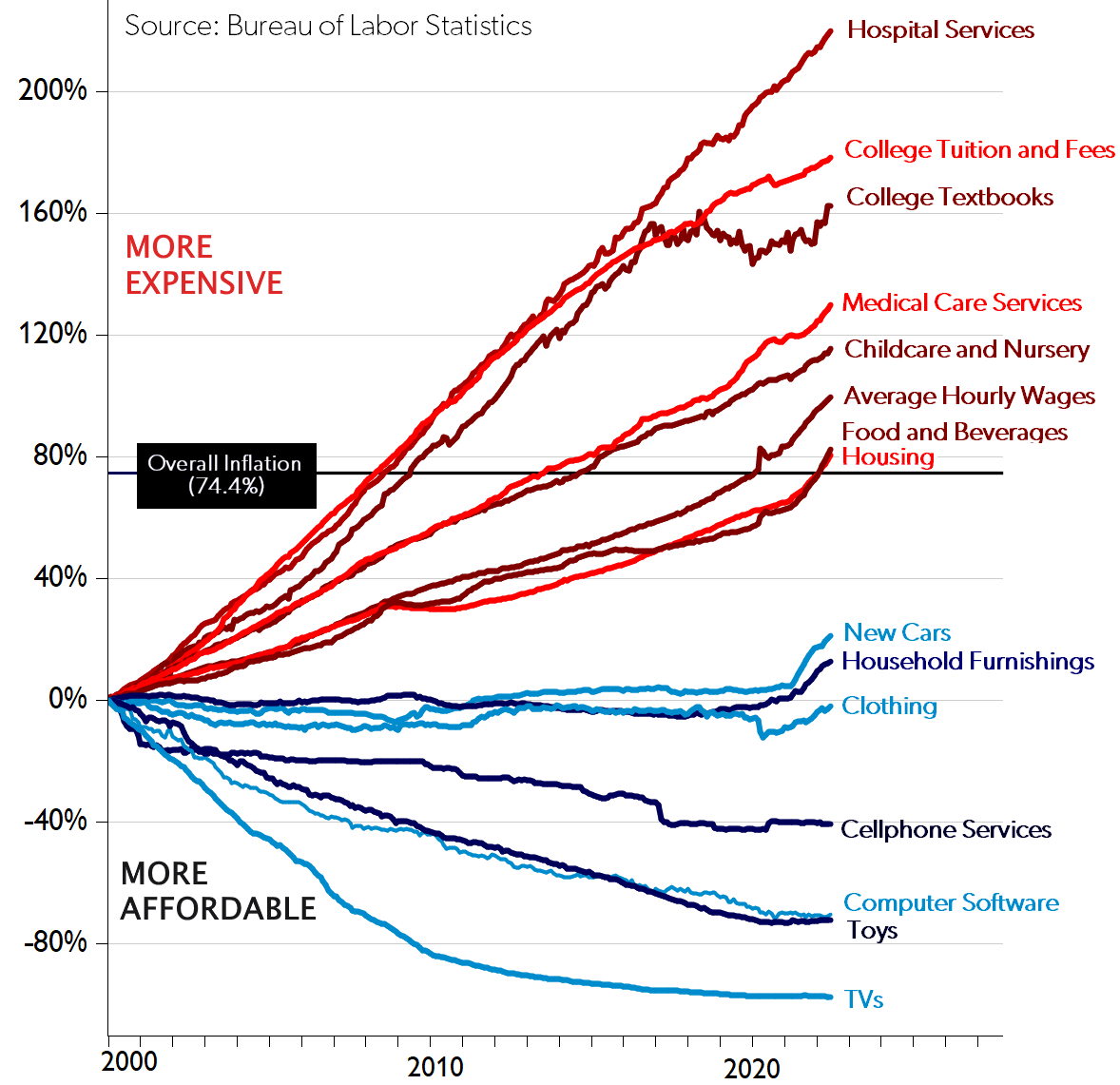
His academic path, supported by federal Pell grants, scholarships, and part-time work as a Safeway cashier earning minimum wage, saw him graduate from the University of Virginia in 1992. He highlights the stark contrast between the $3,000 annual tuition he faced and today’s average state school tuition of $23,000 per year – an eightfold increase in just three decades. This dramatic surge in educational costs, alongside escalating expenses for healthcare and housing, are cited by Atwood as critical barriers incompatible with the traditional understanding of the American Dream. These figures resonate with broader economic data indicating that college tuition has consistently outpaced inflation and wage growth for decades, placing an increasing burden on students and families. According to the College Board, average tuition and fees at public four-year institutions increased by 213% from the 1991-92 academic year to the 2021-22 academic year, even after adjusting for inflation.
Building Digital Democracies: Stack Overflow and Discourse

Atwood’s professional career provided him with the means to achieve the American Dream, which he now seeks to share. In 2008, he co-founded Stack Overflow with Joel Spolsky, a Q&A website that became an indispensable resource for programmers worldwide. He describes Stack Overflow as a "digital democracy" built "of the programmers, by the programmers, for the programmers," operating on principles of community-driven content ranking and ranked-choice voting for moderator elections. This venture, which provided a shared Creative Commons knowledge base, proved immensely successful, eventually leading to its acquisition.
His work with Spolsky evolved into Discourse, an open-source platform designed for constructive, empathetic community discussions, also under Creative Commons licensing. Discourse emphasizes the importance of community-agreed boundaries and robust moderation to foster civil discourse, even amidst disagreement. Atwood believes that for digital democracy to thrive, individuals must extend kindness and empathy through their screens, recognizing the human element often obscured by online interactions. He views both Stack Overflow and Discourse as "projects for the public good" that happened to be successful corporations, attributing his financial success to a combination of hard work and good fortune – the very essence of the American Dream’s promise.
The Revelation of "Staying Gold" and the Call for Sharing

Initially believing his financial success was the culmination of his American Dream, Atwood experienced a profound shift in perspective after attending a high school theater performance of S.E. Hinton’s The Outsiders. The play, particularly the theme of "staying gold" (a reference to Robert Frost’s poem "Nothing Gold Can Stay"), illuminated for him that the true meaning of the American Dream lies in sharing it. The director’s program notes reinforced this, highlighting themes of "resilience, empathy, and unity," and the idea that "strength lies not just in overcoming hardships but in staying true to ourselves and lifting up those around us."
This realization propelled Atwood to reassess his philanthropic strategy, moving beyond the traditional model of leaving wealth to charity upon death. He references the Warren Buffett Philanthropic Pledge, which commits over 99% of wealth to philanthropy during one’s lifetime or at death. While admiring Buffett, Atwood found this pledge "incomplete" regarding the timing of wealth transfer, particularly after Buffett amended his plan to give wealth at death to a charitable trust managed by his adult children. Atwood is compelled to act now, pledging half his remaining wealth within five years, driven by concern for the future of his own children and all Americans. He states he will only retain enough wealth to ensure his children can afford college and purchase a home, recognizing the increasing difficulty of these milestones for many.
Addressing Systemic Challenges: Wealth Inequality and Democratic Erosion
Atwood’s pledge is framed within a broader critique of growing wealth inequality and perceived vulnerabilities in American democracy. He acknowledges that attaining significant wealth has inadvertently distanced his family from the everyday struggles of many Americans, making the "unmistakably clear" disparities more evident. He describes extreme wealth as "un-American," citing data from the Pew Research Center indicating that the top 1% of Americans held 24% of the nation’s wealth in 2012, a figure that climbed to 30% by 2021. Globally, Oxfam reports that the richest 1% now hold nearly twice as much wealth as the rest of the world combined.
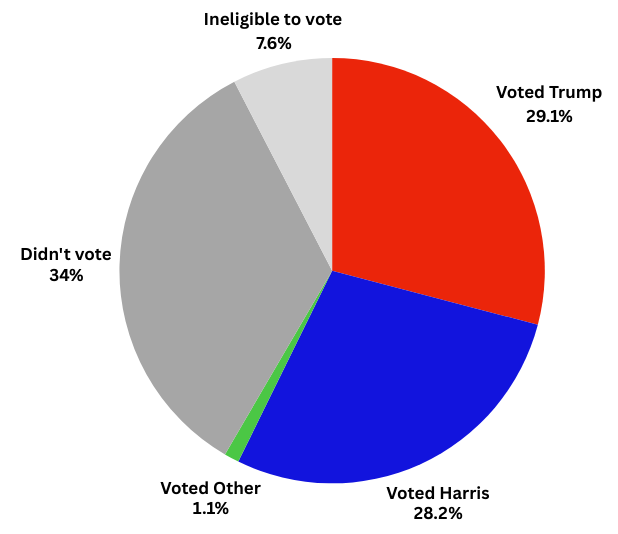
This economic imbalance, Atwood argues, is compounded by challenges to the democratic process. Reflecting on the 2024 United States presidential election, he expressed concern that a significant portion of the adult population — 34% — did not vote, with an additional 7.6% being ineligible due to non-citizenship or felony convictions. This means 42% of adults in America had no say in the election, raising questions about voter suppression, gerrymandering, and a pervasive feeling that individual votes do not matter. He suggests that many who did vote are signaling a loss of faith in the government’s ability to ensure fairness for all, jeopardizing the nation’s standing as a leading democracy.
To address these democratic deficiencies, Atwood advocates for several reforms, including:
- Making Election Day a national holiday: To reduce barriers to voting.
- Universal mail-in voting: To increase accessibility.
- Adopting ranked-choice voting: To ensure all votes carry more weight and foster broader representation.
- Strengthening institutions: Such as state and local election boards and the Federal Election Commission, to safeguard electoral integrity.
He notes the increasing political polarization in the United States, which he describes as being at "historically high levels" and rising, hindering the government’s ability to enact meaningful change. He points to the 26th Amendment in 1971, which lowered the voting age to 18, as the last significant constitutional amendment passed in the last 60 years, illustrating the legislative stagnation. This polarization, he suggests, raises a fundamental question: "Do we all still believe in the same American Dream?"
A Dream Founded on Love: The Path Forward
Atwood believes deeply in the ideals enshrined in the Declaration of Independence – "Life, Liberty and the pursuit of Happiness" – and recognizes the continuous struggle to live up to them. He evokes Jimi Hendrix’s iconic rendition of the national anthem at Woodstock as a powerful expression of the American Dream’s historical distortions. Drawing inspiration from figures like civil rights leader John Lewis, he affirms the necessity of making "good trouble" to fight for these ideals.
He concludes by emphasizing a choice between two paths embedded within the American Dream: "the path of hate" and "the path of love," referencing Martin Luther King Jr.’s philosophy of nonviolence and love. His family’s pledge of half their remaining wealth is explicitly directed towards an "American Dream founded on love." While acknowledging there is no single solution, Atwood commits to advising and empowering others working towards this shared goal.
His initial $8 million in donations addresses immediate needs, while the larger, five-year pledge is dedicated to systemic, long-term efforts. The precise allocation of the long-term funds will be detailed in a forthcoming blog post, "Let’s Talk About The American Dream," and will be further discussed during a Cooper Union talk co-presented with Alexander Vindman on Thursday, March 20th at 7 PM eastern time.
Atwood’s initiative marks a significant moment in tech philanthropy, distinguishing itself not only by the scale of the commitment but also by its urgency and explicit connection to the preservation of democratic ideals and social equity. His public call for collective action, rooted in a deeply personal narrative and a critical analysis of current societal challenges, aims to inspire a renewed commitment to a more inclusive and equitable American future.
About the Author