For many, the world of automobiles traditionally evoked a spectrum of reactions, from fervent passion to complete indifference. Yet, a notable shift is underway, converting even the most car-agnostic individuals into vocal proponents of electric vehicles (EVs). This paradigm change, exemplified by the journey of a tech industry veteran who recently embraced a 2019 Kia Niro EV, illustrates a broader societal movement towards sustainable and technologically advanced transportation. This individual, whose prior automotive history consisted of practical, family-oriented purchases like a 1998 Ford Contour SVT, a 2011 VW station wagon, and a 2012 Honda minivan, found himself unexpectedly captivated by the electric driving experience, declaring conventional gasoline cars increasingly obsolete.
The initial disinterest in automotive culture was pronounced. The purchase of a Ford Contour SVT in 1998 marked a rare foray into acquiring a new vehicle, followed by a decade of functional choices dictated by family needs. The 2011 VW station wagon, while initially suitable for a family of three, quickly proved inadequate following the unexpected arrival of twins. This event underscored the pragmatic necessity for larger, more accommodating transport, leading to the acquisition of a Honda minivan in 2012. The utility of minivans, often maligned in popular culture, was staunchly defended by the individual, citing their superior practicality and spaciousness for family duties, a sentiment echoed by other commentators who champion their functional design over perceived stylistic shortcomings. The appeal of a "swagger wagon" was rooted in its command center capabilities for managing the demands of a growing family, a far cry from the high-performance vehicles typically associated with automotive enthusiasm. This practical approach to vehicle selection laid the groundwork for a future decision driven by efficiency and utility, rather than pure passion or brand loyalty.
After seven years of service, the station wagon necessitated replacement. The search initially gravitated towards hybrid vehicles, a popular choice in environmentally conscious regions like California. However, a deeper exploration into partially electric options quickly pivoted to a "go all the way" philosophy. This decision was influenced by earlier exposure to the nascent EV movement, particularly the widespread acclaim for vehicles like the Tesla Model S, famously described as an "Intergalactic SpaceBoat of Light and Wonder" in a widely circulated 2014 online comic. While initially observing the electric car trend from a distance, the notion of joining the "leading edge" rather than the "bleeding edge" of technology became increasingly appealing. This culmination of factors led to the acquisition of a fully electric 2019 Kia Niro, a move that would fundamentally alter the individual’s perspective on personal transportation.
The Rebirth of Electric Mobility: A Historical Context

The modern resurgence of electric vehicles is not an overnight phenomenon but the result of decades of technological evolution, policy shifts, and entrepreneurial vision. To understand the current landscape, one must look back at the earlier, often challenging, chapters of EV development.
The narrative of electric cars often begins with the cautionary tale of the General Motors EV1. Produced between 1996 and 1999, the EV1 represented a pioneering, albeit ultimately unsuccessful, attempt by a major automaker to introduce a purpose-built electric car to the market. Available primarily through lease programs in California and Arizona, the EV1 was a futuristic two-seater that garnered a loyal following among its lessees. However, its high estimated production cost, ranging from $100,000 to $250,000 per vehicle, coupled with technological limitations such as reliance on early lead-acid batteries (later nickel-metal hydride), limited range, and a lack of supporting infrastructure, ultimately led to its discontinuation. The decision by GM to recall and crush most of the EV1s fueled significant controversy and conspiracy theories, extensively documented in films like "Who Killed the Electric Car?" While some narratives pointed fingers at oil companies or government inaction, a more pragmatic analysis suggests that the technology was simply not yet ready for mass-market viability, particularly concerning battery energy density and cost.
The period following the EV1’s demise saw a lull in mainstream EV development, but the seeds of a revolution were being sown. The early 2000s witnessed significant advancements in battery technology, most notably the development and commercialization of lithium-ion batteries. This breakthrough was pivotal, offering significantly higher energy density, longer lifespans, and lighter weight compared to previous battery chemistries. This technological leap paved the way for the "Revenge of the Electric Car," a documentary that chronicles the dawn of the modern EV era.
This subsequent period, roughly from 2005 to 2008, saw the emergence of several influential electric and plug-in hybrid vehicles that fundamentally reshaped the automotive landscape:
- Nissan Leaf: Launched in 2010, the Leaf was one of the first mass-market, all-electric vehicles globally. While initially facing challenges with range anxiety and limited charging infrastructure, it proved that an affordable, practical EV could be produced and sold in significant volumes.
- Chevrolet Volt: Introduced in 2010, the Volt pioneered the extended-range electric vehicle (EREV) concept. It operated primarily on electric power but included a gasoline engine to generate electricity for longer journeys, addressing range concerns and offering a bridge for consumers transitioning from gasoline cars.
- Tesla Roadster: Launched in 2008, the Tesla Roadster was a game-changer. Built on a Lotus Elise chassis, it demonstrated that an electric car could offer exhilarating performance and luxury appeal, challenging the perception of EVs as slow or utilitarian. Priced at over $100,000, it targeted a niche market but established Tesla as a serious contender and ignited interest in high-performance EVs.
These vehicles, despite their initial limitations—the Roadster’s high cost, the Leaf’s modest range, and the Volt’s hybrid nature—collectively proved the viability and potential of electric propulsion. They marked the transition from experimental prototypes to increasingly practical and desirable consumer products, fundamentally altering the trajectory of the automotive industry.

Technological Leaps and Economic Viability
The journey from experimental vehicles to mainstream adoption has been underpinned by continuous technological advancements, particularly in battery science and manufacturing processes. Lithium-ion battery technology has matured significantly, leading to increased energy density, faster charging capabilities, and extended battery lifespans. Modern EVs now routinely offer ranges exceeding 200-300 miles on a single charge, effectively mitigating the "range anxiety" that plagued earlier models. Ongoing research into solid-state batteries promises even greater energy density, faster charging times, and enhanced safety, potentially revolutionizing the industry further in the coming decade.
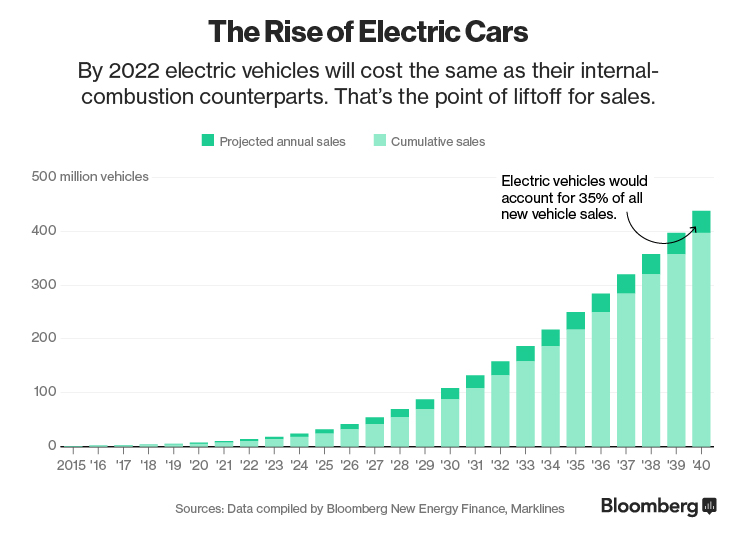
This technological progress has directly impacted the economic viability of EVs. While early electric cars were prohibitively expensive, prices have steadily declined. As illustrated by the purchase of a 2019 Kia Niro EV for a price point comparable to a well-equipped gasoline car (around $38,000 before incentives), electric vehicles are rapidly approaching—and in many cases, achieving—cost parity with internal combustion engine (ICE) counterparts. When national and state tax incentives and rebates are factored in, the effective purchase price can drop significantly, as seen with the Niro’s price reducing to approximately $30,000.
Beyond the initial purchase price, the total cost of ownership (TCO) for EVs is often significantly lower than for gasoline vehicles. Data from organizations like Corporate Knights and AAA consistently show that EVs generally incur lower "fuel" costs due to cheaper electricity prices compared to gasoline, especially when charging at home during off-peak hours. Furthermore, EVs typically have fewer moving parts than ICE vehicles, leading to reduced maintenance needs and associated costs. For instance, the absence of oil changes, spark plug replacements, and complex exhaust systems translates into substantial long-term savings for owners. This economic argument is becoming increasingly compelling for consumers, shifting the focus from initial sticker shock to long-term financial benefits.
The qualitative driving experience also plays a crucial role in converting skeptics. The instant torque provided by electric motors offers swift and smooth acceleration, a stark contrast to the lag often associated with gasoline engines. The near-silent operation, absence of exhaust fumes, and reduced vibrations create a remarkably refined and serene driving environment. This "radical worldview" shift, as one recent EV owner described it, transforms the act of driving from managing "barely controlled liquid fuel detonations" to a seamless, quiet, and efficient experience. For many, this superior driving dynamic makes gasoline cars feel, for lack of a better word, "obsolete."

Infrastructure and Policy Landscape
The widespread adoption of electric vehicles is intrinsically linked to the development of a robust charging infrastructure and supportive government policies. Significant strides have been made in both areas, although challenges remain.
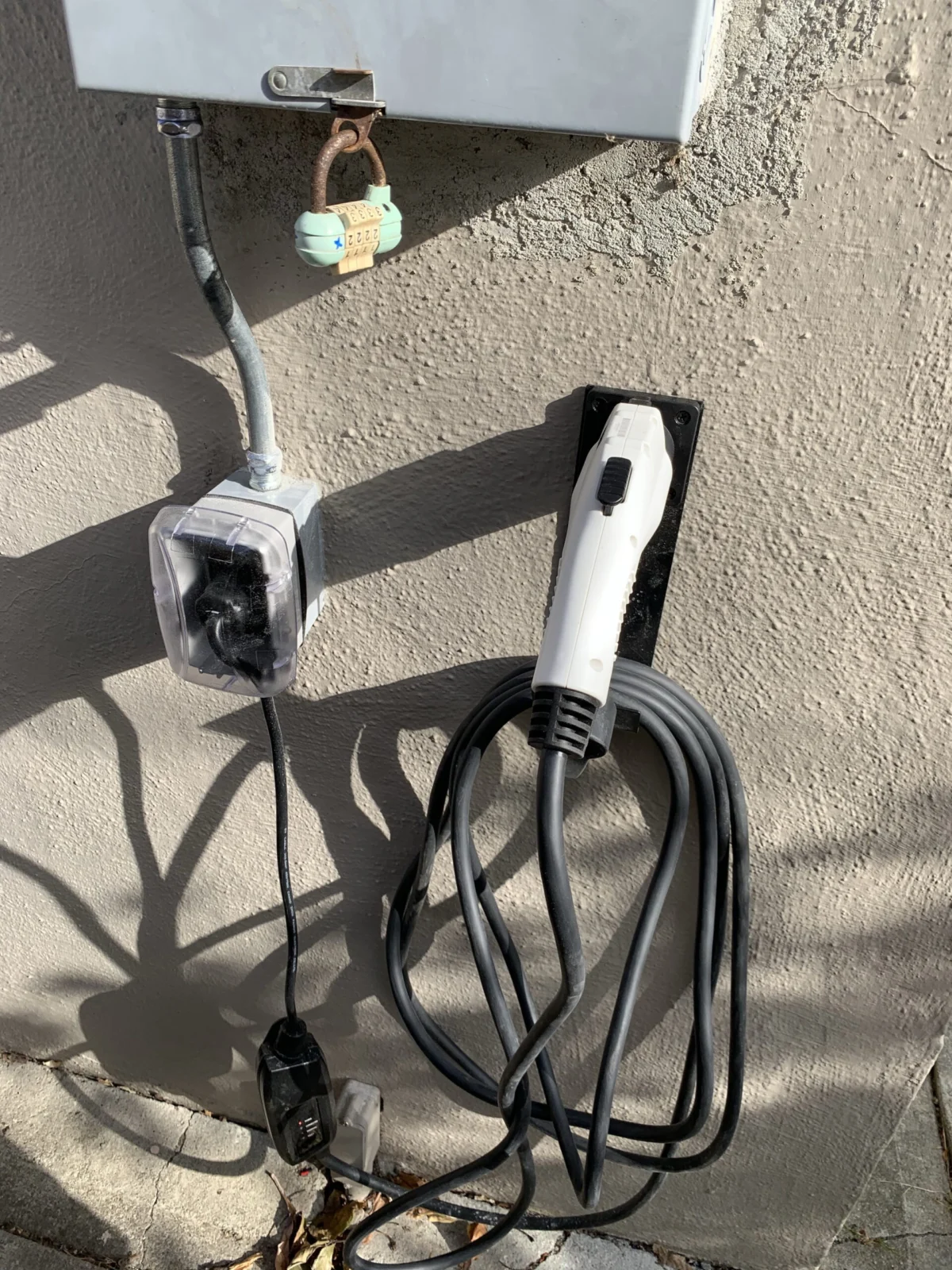
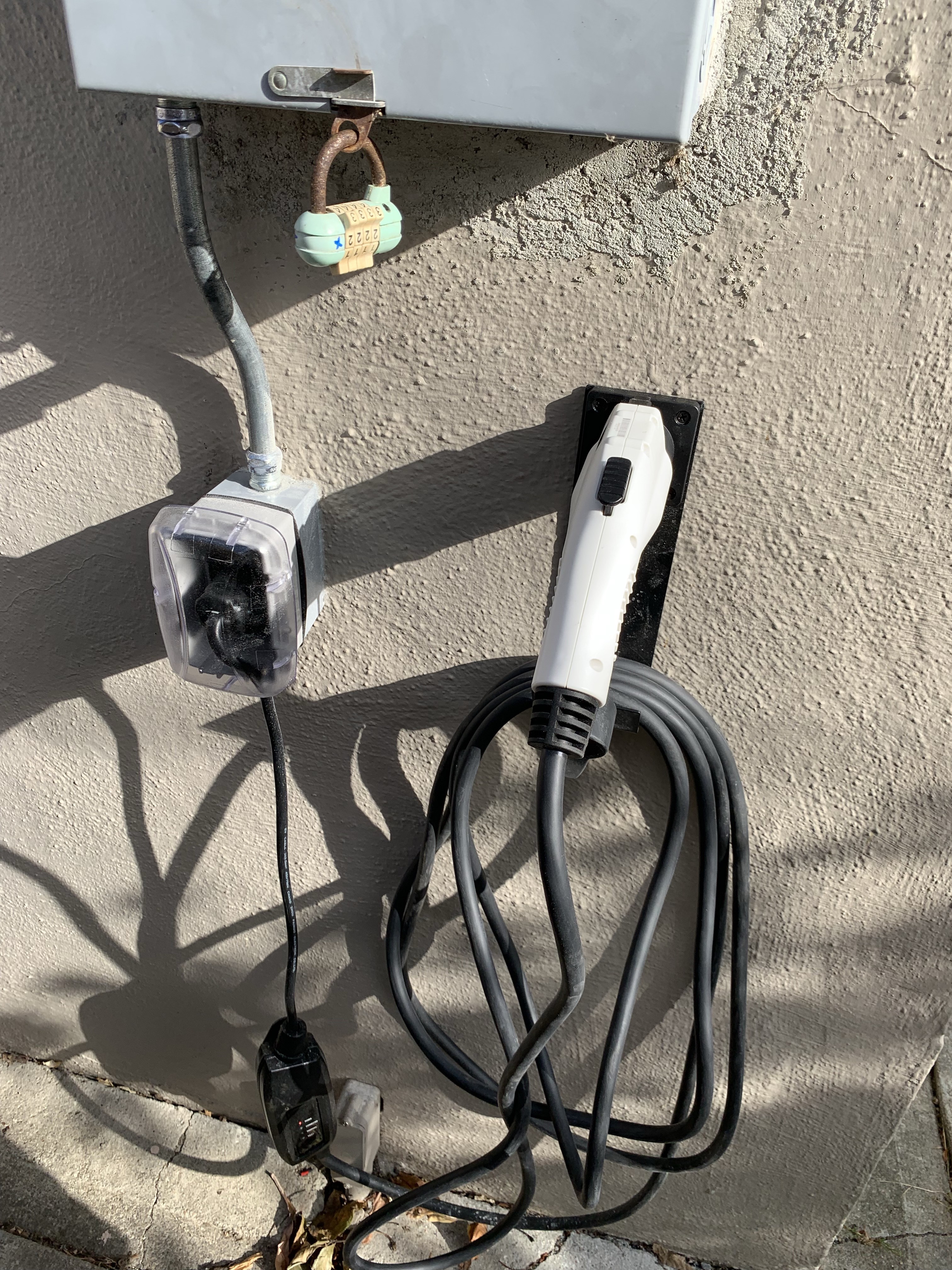
Charging infrastructure has expanded dramatically over the past decade. Public charging networks, including Level 2 (240V AC) and DC Fast Charging (DCFC) stations, are becoming increasingly prevalent in urban centers, along major highways, and at workplaces. Level 2 chargers typically add 20-30 miles of range per hour, suitable for overnight charging or topping up during the day. DCFC, capable of adding hundreds of miles of range in under an hour, is crucial for long-distance travel. Companies like Electrify America, ChargePoint, and EVgo, alongside Tesla’s proprietary Supercharger network, have invested heavily in building out these networks. While the density and reliability of public charging can still vary by region, the trend is one of continuous growth and improvement. Furthermore, the convenience of home charging, often overlooked by those accustomed to gas stations, is a major advantage for EV owners, allowing them to "fuel up" overnight at their residence.
Government incentives have been instrumental in accelerating EV adoption. Federal tax credits, such as the previous $7,500 credit in the United States, and various state-level rebates and incentives (e.g., California’s Clean Vehicle Rebate Project) have significantly reduced the upfront cost of EVs, making them more accessible to a broader consumer base. These policies not only stimulate demand but also encourage automotive manufacturers to invest further in EV research, development, and production. Regulatory frameworks, such as emissions standards and zero-emission vehicle (ZEV) mandates, particularly in states like California, have also pushed automakers towards electrification.
Major automotive manufacturers have responded to these pressures and opportunities with ambitious electrification plans. Nearly every major global automaker, from traditional giants like Ford, General Motors, Volkswagen, and Hyundai-Kia to luxury brands like Mercedes-Benz and BMW, has committed to investing billions in EV technology and launching extensive lineups of electric models. Volkswagen, for example, aims to offer 70 all-electric models by 2028, while General Motors has declared an aspiration to eliminate tailpipe emissions from light-duty vehicles by 2035. This industry-wide pivot signals a clear consensus on the future direction of personal transportation.
The Broader Impact and Future Outlook
The shift to electric vehicles carries profound implications across environmental, economic, and societal spheres. Environmentally, the primary benefit is the reduction of greenhouse gas emissions and local air pollution. While the "well-to-wheel" emissions of EVs depend on the electricity source, the increasing share of renewable energy in power grids means that EVs are becoming progressively cleaner. Studies consistently show that, over their lifecycle, EVs produce significantly lower emissions than comparable gasoline cars, even when considering battery manufacturing. This contributes directly to mitigating climate change and improving public health in urban areas by reducing smog and particulate matter.
Economically, the transition to EVs is reshaping industries. It poses a significant challenge to the fossil fuel sector but simultaneously creates new opportunities in battery manufacturing, charging infrastructure development, and renewable energy production. New jobs are emerging in EV design, engineering, and assembly, while existing automotive supply chains are adapting to new components and materials. The geopolitical implications of reduced reliance on oil imports also represent a substantial shift.
Socially, the adoption of EVs is changing consumer behavior and expectations. The concept of "refueling" at a gas station is being replaced by "recharging" at home, work, or public charging points, integrating energy consumption into daily routines in new ways. The quietness of EVs can lead to quieter urban environments, and the smart charging capabilities can help stabilize electricity grids by allowing vehicles to charge during off-peak hours or even feed power back to the grid (vehicle-to-grid technology).
However, challenges remain. "Range anxiety," though diminishing, still exists for some consumers, particularly concerning long road trips or in regions with sparse charging infrastructure. The speed of charging, especially for DCFC, needs further improvement to truly rival the five-minute fill-up of a gasoline car. The capacity of electrical grids to handle a massive influx of EV charging demands is a critical infrastructure concern that requires strategic planning and investment. Furthermore, the sourcing of raw materials for batteries, such as lithium, cobalt, and nickel, raises ethical and environmental questions that the industry is actively working to address through recycling initiatives and responsible mining practices. Finally, ensuring that EVs become truly affordable for all income brackets, especially in the used car market, is essential for equitable access to this transformative technology.
In conclusion, the journey from automotive indifference to enthusiastic EV advocacy, as epitomized by the individual’s recent transition to a Kia Niro EV, is not an isolated incident but a powerful microcosm of a global transformation. The confluence of technological maturity, increasing economic viability, supportive policies, and an expanding charging network has propelled electric vehicles from a niche, experimental concept to an undeniable force in the automotive mainstream. The future of transportation is, indeed, unequivocally electric, promising not just a cleaner planet but also a fundamentally superior driving experience that continues to convert skeptics into passionate proponents.
About the Author