Following the conclusion of Ludum Dare 56 on October 7th, 2023, the global game development community witnessed an impressive outpouring of creativity centered around the theme "Tiny Creatures." Developers, both seasoned and novice, converged for 48 or 72 hours, translating a singular prompt into a diverse array of interactive experiences. With over 800 games tagged Ludum Dare 56 submitted to itch.io in the weeks following the event, the platform has highlighted a second collection of standout titles, underscoring the depth and originality fostered by this renowned game jam. This curated selection offers further insight into the innovative interpretations of the theme and the rapid development capabilities of the indie game scene.
Understanding Ludum Dare: A Global Game Jam Phenomenon
Ludum Dare, established in 2002 by Mike Kasprzak, stands as one of the longest-running and most influential game jams in the world. Held typically three times a year, the event challenges participants to create a video game from scratch within a highly compressed timeframe – either 48 hours for the "Compo" category (solo development, all assets created during the jam) or 72 hours for the "Jam" category (teams allowed, external assets permitted). The core objective is to design, develop, and publish a playable game based on a pre-announced theme, which is revealed at the start of the competition. This rigorous process serves not only as a crucible for rapid prototyping and problem-solving but also as a vibrant community event where developers can share feedback, learn from one another, and push the boundaries of their creative and technical skills.
The enduring appeal of Ludum Dare lies in its structured challenge and inclusive nature. It lowers the barrier to entry for aspiring game developers, providing a focused environment to complete a project. For veterans, it offers an opportunity to experiment with new ideas, tools, or genres without the pressures of commercial release. Historically, Ludum Dare has been a launching pad for numerous indie successes and has contributed significantly to the experimental spirit prevalent in independent game development. Each iteration culminates in a judging period where participants play and rate each other’s games, fostering a supportive ecosystem of peer review.
Ludum Dare 56: The "Tiny Creatures" Challenge
Ludum Dare 56, which commenced on October 4th, 2023, and concluded its development phase on October 7th, presented participants with the intriguing theme "Tiny Creatures." This theme, while seemingly straightforward, proved to be remarkably versatile, inspiring interpretations ranging from literal portrayals of insects and microscopic organisms to metaphorical explorations of small-scale societies, emergent behaviors, or the struggle of the diminutive against overwhelming forces. The challenge inherently encouraged developers to think creatively about scale, perspective, and the intricate lives of the small.
The sheer volume of submissions, exceeding 800 games on itch.io alone (with hundreds more across other platforms), speaks to the theme’s broad appeal and the sustained enthusiasm for Ludum Dare. The post-submission phase involves a crucial community judging period, typically spanning several weeks, where participants play, rate, and provide constructive criticism on their peers’ creations. This collaborative review process is integral to the Ludum Dare experience, ensuring that every game receives attention and fostering a cycle of continuous improvement within the community. The high number of entries also presents a significant curatorial challenge, making platforms like itch.io’s curated lists invaluable for discovery.
Itch.io’s Curatorial Role
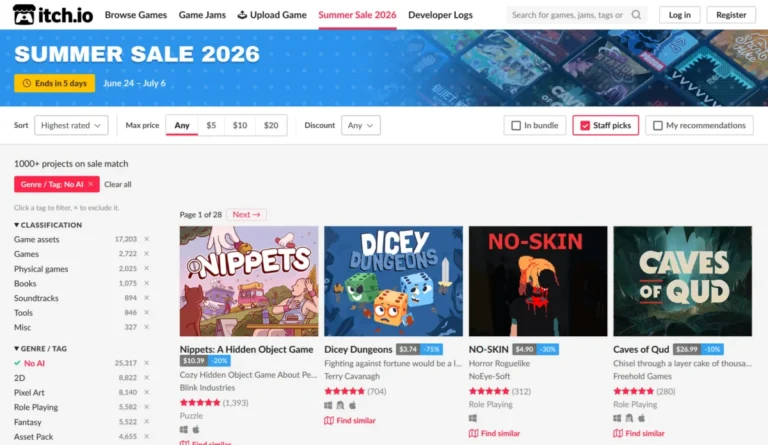
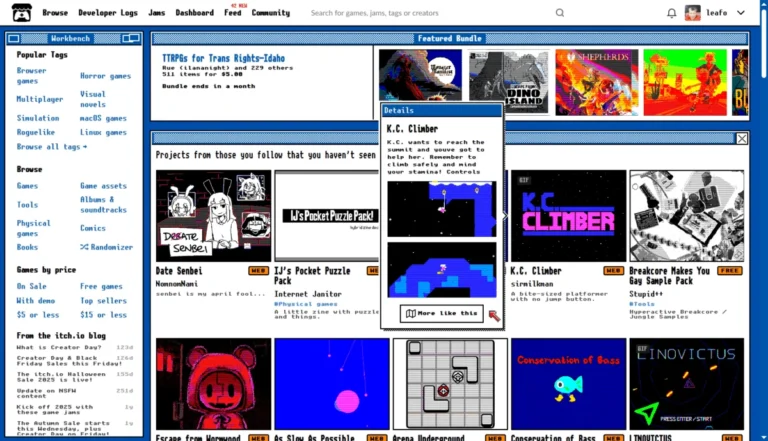
Itch.io has solidified its position as a central hub for independent game development, particularly for game jams like Ludum Dare. Its flexible platform allows developers to easily upload, host, and showcase their creations, regardless of their stage of development or commercial intent. Beyond hosting, itch.io plays an active role in promoting emerging talent and noteworthy projects through its blog posts, curated collections, and recommendation features. The platform’s commitment to highlighting Ludum Dare entries, as evidenced by this second round of recommendations, serves several critical functions. Firstly, it provides visibility for developers who pour their time and effort into these intense development sprints. Secondly, it helps players navigate the vast landscape of submissions, directing them towards high-quality or particularly innovative titles. Finally, it reinforces itch.io’s dedication to fostering and celebrating the indie game ecosystem, acting as both a marketplace and a community resource. This curation is especially vital for game jams, where the sheer volume of entries can make individual discovery difficult for casual browsers.
Deep Dive into Featured Games
The following games represent a cross-section of the ingenuity displayed during Ludum Dare 56, each offering a unique take on the "Tiny Creatures" theme:
Creature Packets: Retro Aesthetics Meet Culinary Chaos
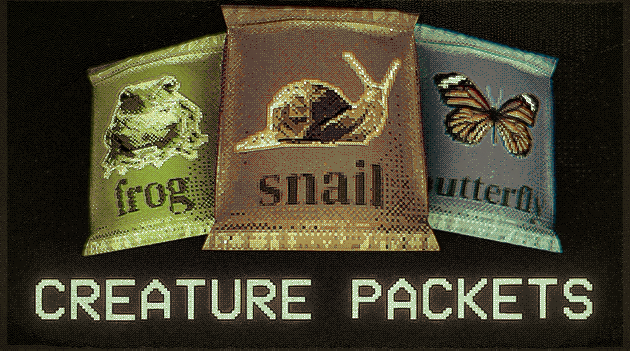
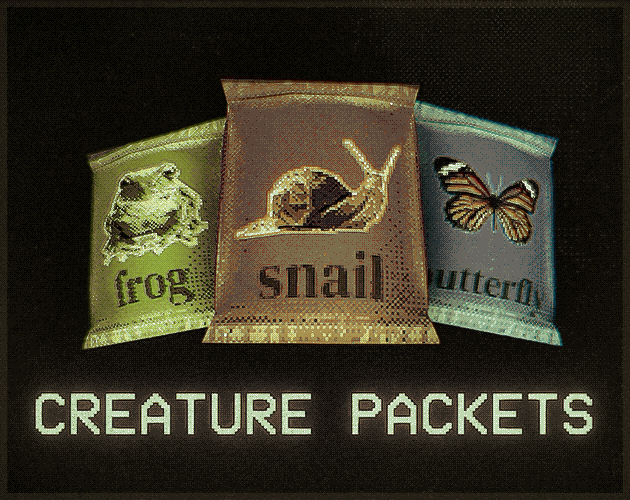
Developed by kenforest, Creature Packets immediately captivates with its distinct PS1-era aesthetic, characterized by low-polygon models and textured environments that evoke a nostalgic charm. The game plunges players into a bizarre culinary experience where the objective is to "cook" tiny creatures to life from packets using a microwave. This initial act of creation quickly escalates as players are introduced to a blender, allowing for the exploration of new "substance packages" and the potential to cook an even wider variety of creatures. The gameplay loop combines elements of discovery, experimentation, and a touch of dark humor, as the act of cooking can be both generative and destructive. The "tiny creatures" theme is interpreted literally but with an unsettling twist, presenting them not as objects of nurturing but as ingredients in a strange, procedural recipe. Available for Windows, the game offers a compact yet memorable experience, demonstrating how stylistic choices can significantly enhance thematic resonance.
Build The Sun: From Ember to Celestial Empire
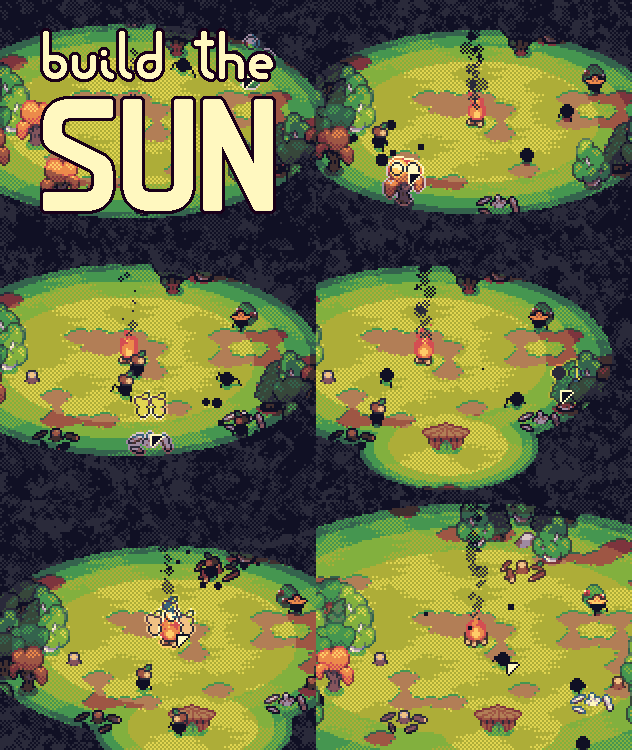
Build The Sun, by punkcake, reimagines the "god game" genre through a pixel-art lens, starting with the humble beginnings of a tiny world. Players assume a divine role, tasked with exploring, settling, and expanding their influence. The narrative arc progresses from nurturing a small fire into a celestial body—the Sun itself—symbolizing growth from the minute to the magnificent. The game’s core mechanics revolve around resource management, settlement building, and the strategic upgrading of the central fire. The pixel-art style, while retro, conveys a sense of scale and progression effectively, allowing players to witness their nascent world gradually transform. The theme "Tiny Creatures" is subtly integrated, perhaps referring to the early inhabitants of this developing world or the small, incremental steps required to achieve a grand cosmic goal. Available across Windows, macOS, and Linux, Build The Sun offers a thoughtful and expansive experience within the constraints of a game jam.
Maginot: An Incremental Battle Against the Tides
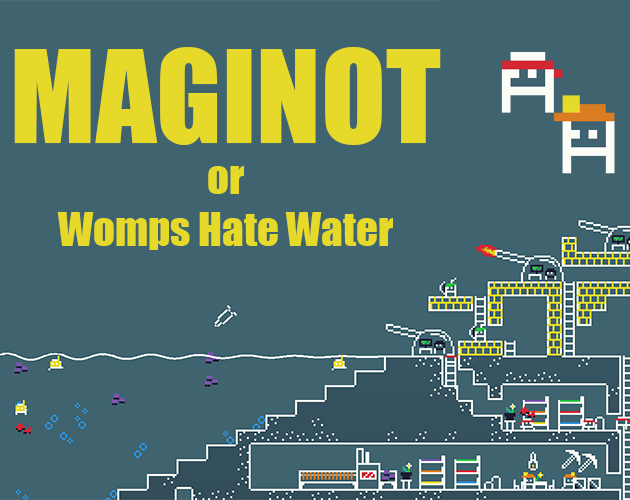
vfqd’s Maginot is an incremental colony builder that marries the addictive progression of idle games with a compelling survival narrative. Set against the backdrop of an encroaching sea, players must dig deep into the earth for vital minerals, construct and expand their colony, and attract new inhabitants known as "Womps." The ultimate objective is to "obliterate the sea," a grand and seemingly impossible task that provides a long-term goal for the incremental growth. The "Tiny Creatures" theme can be seen in the Womps themselves—small, industrious beings that collectively contribute to the colony’s survival—and in the meticulous, incremental nature of the colony building process. The game’s browser-based accessibility ensures wide reach, allowing players to dive into its strategic depths without needing a dedicated download. Maginot showcases how complex strategic depth can be achieved even with minimalist interfaces characteristic of incremental games.
Headquarters: Unraveling Linguistic Mysteries
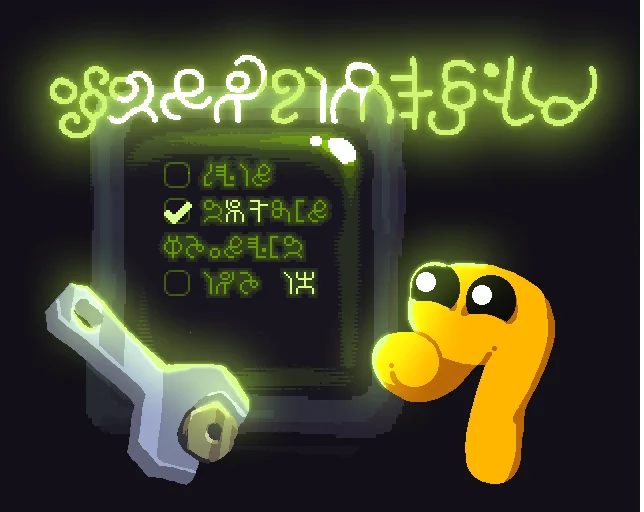
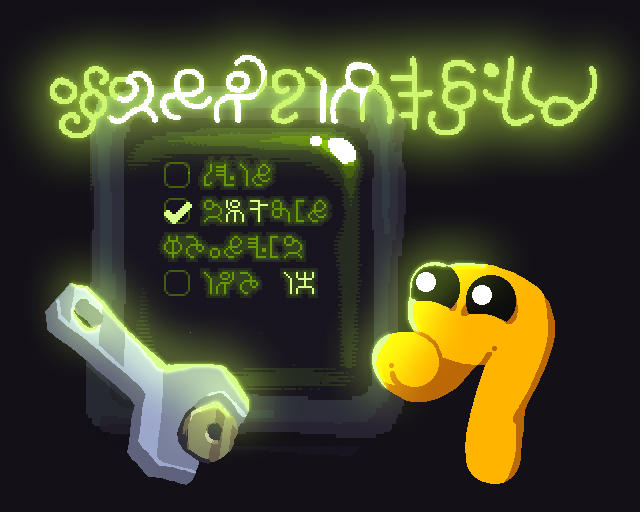
Headquarters, by yogurtthehorse, diverges significantly from action or management, offering a mysterious point-and-click simulation game focused on deciphering an alien alphabet. The game’s premise is shrouded in intrigue, challenging players to engage their cognitive abilities to understand an unknown language. This cerebral approach to gameplay highlights a different facet of the "Tiny Creatures" theme—perhaps the small, intricate components of language, the minute details required for deciphering, or the feeling of being a "tiny creature" attempting to comprehend something vast and alien. The point-and-click interface facilitates exploration and interaction, allowing players to slowly piece together the linguistic puzzle. Available in browser, Windows, Linux, and macOS versions, Headquarters provides a contemplative and intellectually stimulating experience that stands out in its unique genre interpretation for the jam.
Tiny Colony: Interstellar Slingshotting and Planetary Domination
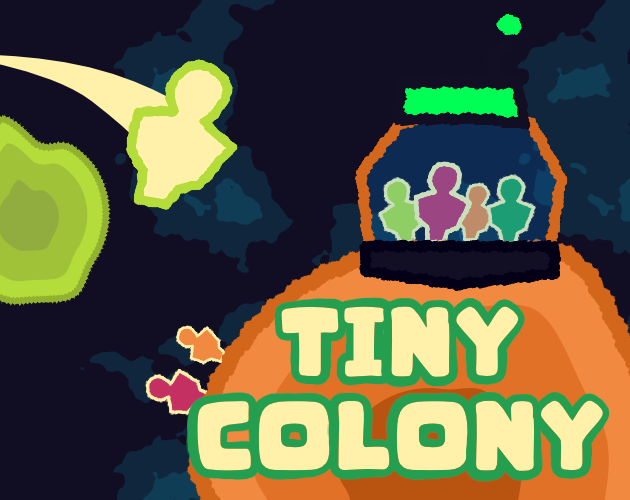
mreliptik’s Tiny Colony presents a physics-based puzzle-strategy game centered around colonizing planets using a unique "interplanetary slingshot system." Players launch their tiny creatures through space, leveraging the gravity of celestial bodies to propel them towards new worlds while carefully avoiding obstacles and the vast emptiness of the void. The game effectively integrates physics mechanics, requiring players to understand gravitational pulls and trajectory calculations to succeed. The "Tiny Creatures" are literal here, small colonists sent on daring journeys through the cosmos. The game cleverly combines the grand scale of space exploration with the delicate precision needed to guide minute projectiles. Available across browsers, Windows, Linux, and Android, Tiny Colony demonstrates robust multi-platform accessibility and an engaging core mechanic that blends action with strategic thinking.
FOREST CLEARING: A Moral Dilemma in a Miniature World
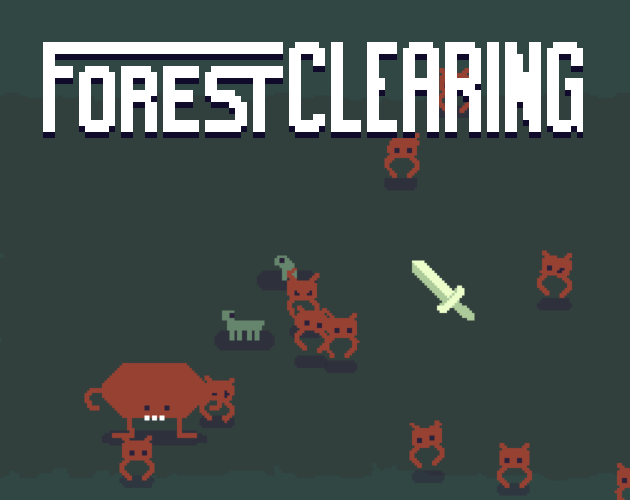
FOREST CLEARING, developed by jefvel, presents a darkly humorous and morally ambiguous take on the "Tiny Creatures" theme. Players are tasked with protecting their "small friends" in a forest, but with a grim alternative: harvesting them for meat. The core gameplay loop involves swinging a sword to defend these forest inhabitants from external threats, with the inevitable consequence of death leading to the use of their "meat" to purchase upgrades for subsequent runs. This cyclical nature of protection and sacrifice creates a compelling, if unsettling, strategic dilemma. The "Tiny Creatures" are the vulnerable forest friends, whose lives and deaths directly impact the player’s progression. The game explores themes of survival, resource management, and the ethical compromises made in desperate situations. Playable in browser and available for Windows, FOREST CLEARING offers a unique blend of action and morbid strategy.
Please Find Them: The Art of Miniature Detection
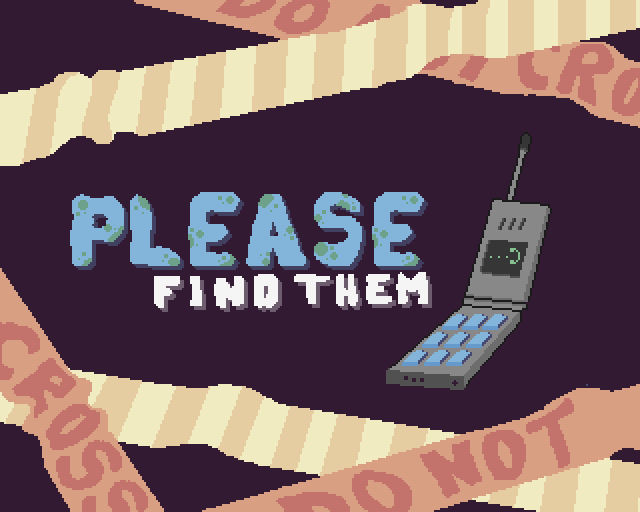
adamlenglen’s Please Find Them delivers a classic hidden object experience with a thematic twist. Players assume the role of an exterminator, but instead of eliminating pests, they are tasked with locating small creatures that have inexplicably shrunk within people’s houses. The game leverages detailed environments and the player’s keen observational skills to identify these miniature beings amidst everyday clutter. The "Tiny Creatures" theme is central, creating a sense of wonder and curiosity about these shrunken beings and the environments they inhabit. The hidden object genre inherently focuses on minute details, making it a perfect fit for the theme. Available as a browser game, Please Find Them offers a relaxing yet engaging experience that rewards patience and visual acuity, demonstrating that even a well-worn genre can be revitalized with a clever thematic application.
Fear of the Ungnome: A First-Person Quest for the Elusive
Fear of the Ungnome, by scottts, plunges players into a first-person exploration and puzzle game centered on the quest to find a Great Aunt’s elusive gnome. The game features procedurally generated elements, ensuring a fresh experience with each playthrough. This procedural generation contributes to the sense of mystery and the challenge of discovery, as players must navigate ever-changing environments to uncover clues and solve puzzles. The "Tiny Creatures" theme is embodied by the gnome itself—a small, mythical being that is both the object of the quest and a source of subtle intrigue. The first-person perspective enhances immersion, drawing players into the strange and sometimes unsettling world. Playable in browser and available for Windows, Fear of the Ungnome combines exploration, puzzle-solving, and the thrill of the unknown, making for a memorable game jam entry.
Mini Beasts: A Colorful Conundrum
cassowary’s Mini Beasts is a straightforward yet engaging puzzle game focused on rearranging critters to match their colors. The gameplay is intuitive, requiring logical thinking and pattern recognition to solve each level. The "Tiny Creatures" are the "Mini Beasts" themselves, small, colorful entities that form the core components of the puzzles. The game’s simplicity and clear objectives make it accessible, while the escalating complexity of the puzzles provides a satisfying challenge. The visual appeal of the critters and the clean interface contribute to a polished experience despite the rapid development timeline. As a browser-based game, Mini Beasts offers a quick and enjoyable brain-teaser, showcasing how a direct interpretation of the theme can lead to a well-executed and enjoyable puzzle mechanic.
Vox Regis: Ruling Through Discord with Voice Command
Vox Regis, by sheepolution, stands out for its innovative use of voice control within a medieval strategy game. Players assume the role of the king, whose primary task is to maintain power by creating chaos and keeping rebellious groups small. The unique mechanic allows players to use their voice to "lay blame" on different factions, manipulating the populace and preventing any single group from growing too powerful. The "Tiny Creatures" theme here is metaphorical, referring to the small, fragmented rebellious groups that the king must prevent from coalescing into a significant threat. The game cleverly translates the abstract concept of political manipulation into a direct, interactive mechanic. Available across browsers, Windows, macOS, and Linux, Vox Regis is a testament to the experimental spirit of game jams, demonstrating how unconventional input methods can unlock novel gameplay experiences and thematic depth.
The Broader Impact of Game Jams on Indie Development
The continuous success of events like Ludum Dare, and the impressive quality of games highlighted by platforms like itch.io, underscore the vital role that game jams play in the broader independent game development landscape. These intense sprints are not merely competitions; they are incubators of talent, innovation, and community. For aspiring developers, they offer a low-stakes environment to practice rapid prototyping, hone technical skills, and experience the full cycle of game creation from concept to publication. The feedback loop inherent in game jams also provides invaluable learning opportunities, allowing participants to understand player reception and refine their design philosophies.
Beyond individual skill development, game jams foster a sense of camaraderie and collaboration within the indie community. Developers connect, share ideas, and offer mutual support, often leading to future collaborations or the formation of new studios. Many commercially successful indie titles trace their origins back to game jam prototypes, demonstrating their potential as genuine launchpads for viable products. The diversity of approaches to a single theme, as seen in Ludum Dare 56, also pushes the boundaries of creative expression in gaming, encouraging developers to experiment with unconventional mechanics, narrative structures, and artistic styles that might not find a place in more risk-averse commercial projects. This constant churn of new ideas invigorates the entire industry, contributing to the rich tapestry of experiences available to players.
Looking Ahead
The continued enthusiasm for Ludum Dare 56 and the high caliber of its submissions, as evidenced by itch.io’s second wave of recommendations, signals a vibrant and healthy future for independent game development. The "Tiny Creatures" theme proved to be a fertile ground for imaginative interpretations, ranging from literal biological encounters to abstract representations of power dynamics and microscopic societies. As game development tools become more accessible and communities like Ludum Dare thrive, we can anticipate an ongoing surge of innovative and experimental titles emerging from these intense creative challenges. Itch.io’s ongoing commitment to showcasing these creations ensures that the ingenuity of game jam participants receives the recognition it deserves, connecting groundbreaking new experiences with a global audience eager for fresh perspectives in gaming. The cycle of theme, creation, community feedback, and platform support continues to drive the indie game scene forward, ensuring a steady stream of unique digital experiences for years to come.
About the Author