Itch.io, a prominent digital storefront for independent video games, has unveiled its latest curated selection of weekly titles, highlighting a diverse array of innovative experiences that underscore the platform’s commitment to showcasing experimental and developer-driven content. This week’s featured games include a minimalist "demake" celebrating a decade-old indie classic, a unique narrative adventure blending space exploration with a fishing mechanic, and a charming, hand-drawn journey from a prolific independent collective. These selections collectively illustrate the breadth of creativity flourishing within the independent game development sector, offering players distinct gameplay loops, compelling narratives, and unique artistic visions.
The Enduring Legacy of Bureaucracy: LCD, Please Reimagines Papers, Please
A decade after its initial release, Lucas Pope’s critically acclaimed Papers, Please continues to resonate as a landmark title in the indie game landscape. Originally launched in 2013, the "dystopian document thriller" placed players in the role of a border immigration inspector in the fictional communist state of Arstotzka. The game gained widespread recognition for its innovative gameplay mechanics, which tasked players with meticulously checking documents against an ever-growing list of complex rules, all while navigating personal moral dilemmas and the harsh realities of a totalitarian regime. Papers, Please garnered numerous accolades, including multiple Independent Games Festival awards and a BAFTA Game Award for Best Game, and is widely credited with popularizing the "mundane simulator" subgenre. Its themes of surveillance, bureaucratic oppression, and the human cost of political systems remain pertinent, ensuring its enduring relevance in discussions about interactive storytelling and political commentary in games.
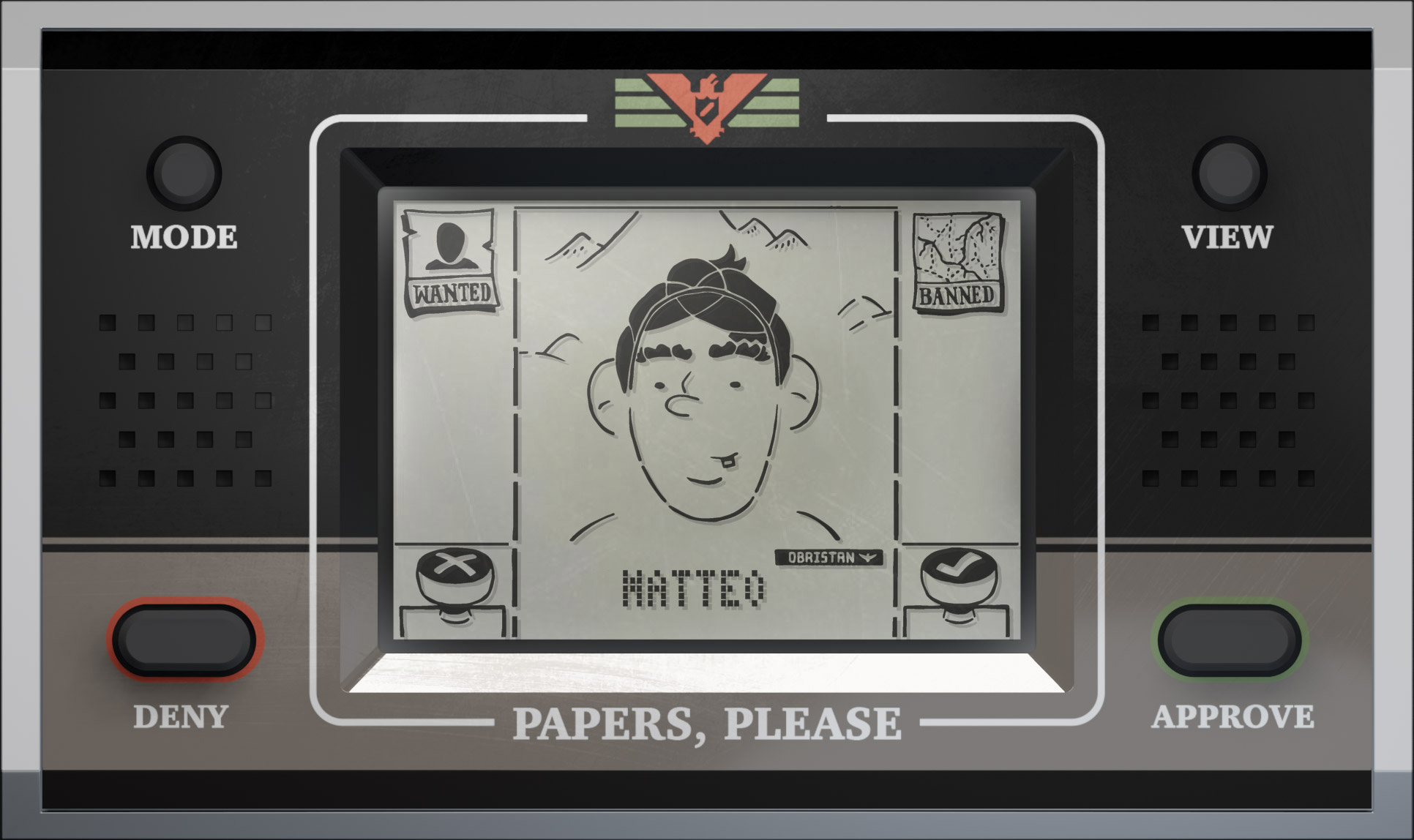
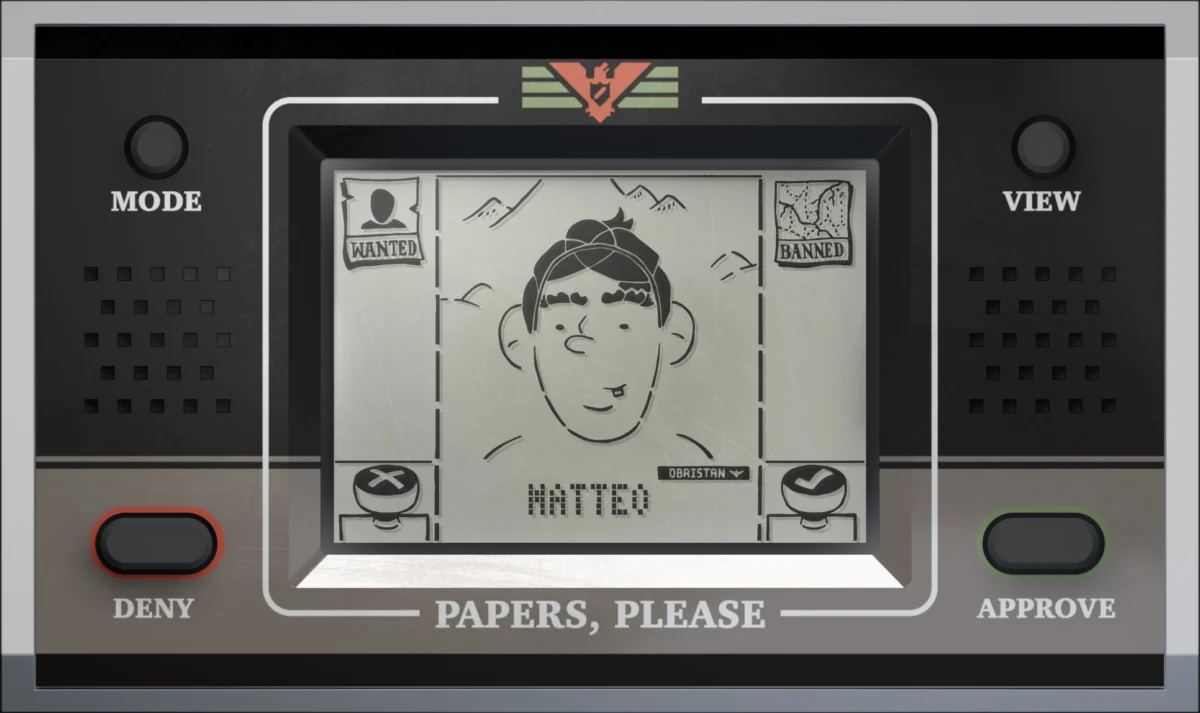
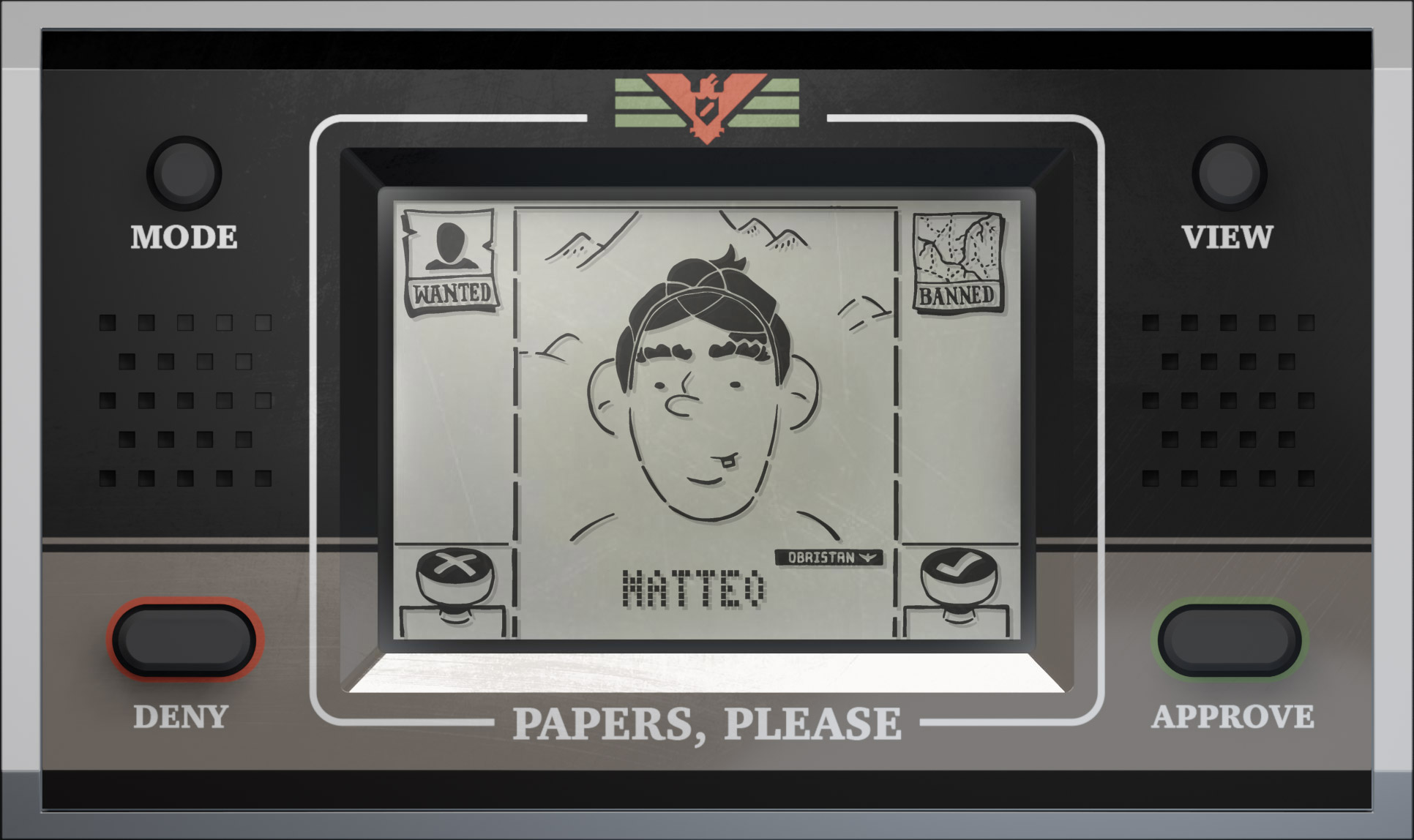
In a retrospective tribute and artistic reinterpretation, Lucas Pope has now released LCD, Please, a "demake" that distills the core mechanics of the original into the aesthetic and functional constraints of a retro handheld LCD game. This new iteration simplifies the complex document-checking processes to their barest form, presenting a charming yet challenging puzzle experience. Players are still engaged in the familiar loop of identifying discrepancies and making swift decisions, but through the limited visual and auditory language of early electronic games. The choice to create a demake—a process where a modern game is redesigned to resemble a game from an earlier generation of hardware—serves not only as a nostalgic exercise but also as a powerful testament to the fundamental strength of Papers, Please‘s original design. By stripping away graphical fidelity and intricate details, LCD, Please highlights how well-conceived the game’s sorting and decision-making mechanics are, proving their efficacy even in their most elemental form. For long-time fans, it offers a fresh perspective on a beloved classic and a poignant reminder of its tenth anniversary. For newcomers, it provides an accessible, albeit simplified, entry point into the world of Arstotzka, potentially sparking interest in the original, more expansive experience.
Charting the Cosmic Unknown: The Narrative Depths of Anglerfish Project
Breaking traditional genre boundaries, Anglerfish Project by Selkie Harbour presents a distinctive narrative adventure that ingeniously fuses elements of space exploration with a fishing mechanic. Historically, gaming often compartmentalized these themes, requiring players to choose between the vastness of the cosmos and the tranquil solitude of angling. Anglerfish Project defies this convention by placing players in a solitary space vessel, accompanied by a modified probe that functions as a deep-space fishing rod. However, the quarry is not piscine; instead, players cast their probe into the cosmic abyss to retrieve fragmented messages and data packets.
This unique premise underpins a deeply introspective and emotionally resonant narrative. As players "fish" for these digital artifacts, they gradually piece together a broader understanding of other sentient entities and narratives scattered across the universe. The game eschews conventional action or puzzle-solving in favor of a contemplative experience focused on discovery and the construction of meaning from disparate clues. The writing, often described as imbued with warmth and humanity, is a central pillar of the game’s appeal, inviting players into a gentle exploration of loneliness, connection, and the search for understanding in an expansive, quiet universe. While its runtime is comparatively brief, a characteristic often observed in narrative-focused independent titles, its impact is profound, delivering an experience that prioritizes emotional engagement over duration. Anglerfish Project exemplifies a growing trend in indie development towards creating "kind games"—experiences designed to evoke positive emotions, promote introspection, and offer a sense of solace rather than challenge or competition. Its innovative blend of mechanics and its focus on empathetic storytelling position it as a noteworthy contribution to the evolving landscape of narrative-driven independent games.
Whimsical Worlds and Prolific Creativity: Sokpop’s Frog’s Adventure
The Dutch independent game development collective Sokpop has consistently captured the attention of the indie gaming community with its unique development model and prolific output. Known for releasing a new game nearly every month, Sokpop operates on a subscription-based model, offering subscribers a steady stream of diverse, experimental, and often charming titles. This rapid iteration and consistent delivery have established them as a distinctive force in the independent scene, pushing boundaries in terms of artistic style, gameplay mechanics, and narrative scope, all while maintaining a recognizable aesthetic and development philosophy.
Their latest offering, Frog’s Adventure, further cements Sokpop’s reputation for crafting delightful and visually engaging experiences. The game is a hand-drawn adventure starring an undeniably adorable sentient frog, whose expressive animations and endearing design immediately captivate players. The game’s aesthetic is a central component of its charm, featuring vibrant, whimsical environments rendered with a distinctive artistic flair that has become a hallmark of Sokpop’s work. Gameplay in Frog’s Adventure largely adheres to the classic adventure game formula, involving wandering through beautifully crafted environments, engaging in dialogue with a variety of quirky characters, and undertaking fetch quests—transporting "doodads" between different points in the world. While the core mechanics are familiar, the sheer joy derived from simply exploring the game’s world and interacting with its inhabitants elevates the experience beyond a typical quest-driven adventure. The developers have leveraged the game’s visual appeal and the inherent charm of its protagonist to make the "journey" itself the primary reward. Frog’s Adventure underscores Sokpop’s mastery of creating compelling experiences even within seemingly simple frameworks, demonstrating that imaginative art direction and character design can transform conventional gameplay into something genuinely joyous and memorable. Their consistent ability to deliver fresh, high-quality titles on a monthly basis continues to impress and inspires discussions within the industry regarding sustainable independent game development practices.
Itch.io’s Integral Role in the Independent Gaming Ecosystem
The curation of titles like LCD, Please, Anglerfish Project, and Frog’s Adventure by itch.io is indicative of the platform’s vital role in the broader independent gaming ecosystem. Launched in 2013, itch.io has evolved into a cornerstone for indie developers, offering an open, flexible, and developer-friendly environment for publishing, distributing, and monetizing games. Unlike more centralized digital storefronts, itch.io champions creative freedom, allowing developers significant control over their game pages, pricing, and revenue share, often opting for a "pay-what-you-want" model or allowing developers to set their own revenue splits. This ethos has attracted a diverse community of creators, ranging from hobbyists and students to established independent studios.

The platform’s "Games of the Week" feature is a testament to its commitment to discovery and promotion of innovative content. This curated selection serves multiple functions: it provides much-needed visibility to smaller projects that might otherwise get lost in the vast digital landscape; it offers players a curated entry point into the often overwhelming world of indie games; and it helps to identify and celebrate emerging trends and artistic directions within the community. By highlighting games that push boundaries in terms of genre, narrative, and artistic expression, itch.io not only supports individual developers but also fosters a culture of experimentation and creativity that enriches the entire gaming industry. The platform’s emphasis on community, direct developer-to-player interaction, and its willingness to host unconventional projects solidify its position as an indispensable hub for independent game development and a crucial conduit for players seeking unique and meaningful interactive experiences.
These selected titles collectively showcase the robust health and imaginative spirit of independent game development. From reinterpreting classic mechanics with a nostalgic lens to forging entirely new narrative experiences through genre fusion, and from demonstrating the power of consistent, artistic output, this week’s itch.io spotlight reaffirms that the most innovative and heartfelt experiences often emerge from the independent sector, proving that creative vision and thoughtful design can transcend technological limitations and conventional expectations.
About the Author