The independent game distribution platform itch.io has once again spotlighted a diverse array of titles in its weekly "Games of the Week" feature, presenting a curated selection that delves into themes ranging from the systemic critiques of labor to the heartwarming dynamics of community building. This week’s picks – Time Bandit, Ducky’s Delivery Service, and Communite – collectively offer a compelling snapshot of the indie game development landscape, showcasing innovative mechanics alongside poignant social commentary and accessible design principles. The platform’s consistent efforts to highlight such titles underscore its commitment to fostering a vibrant ecosystem for creators exploring unconventional narratives and gameplay experiences.
Contextualizing Itch.io and the Indie Gaming Movement
Itch.io has solidified its position as a pivotal hub for independent game developers, offering a flexible and creator-friendly environment for publishing and discovering unique digital experiences. Unlike more mainstream storefronts, itch.io is renowned for its diverse catalog, hosting everything from experimental art games and game jams to fully realized commercial projects. This platform plays a crucial role in bringing niche themes and emergent gameplay mechanics to a broader audience, often serving as a launchpad for titles that might not fit conventional market molds. The "Games of the Week" initiative, a recurring feature, exemplifies itch.io’s dedication to curation, guiding players through a vast ocean of content and shining a light on games that embody particular innovation, artistic merit, or thematic relevance. This week’s selection is particularly noteworthy for its exploration of socioeconomic concepts and communal engagement, themes that resonate deeply within contemporary societal discourse.
The independent gaming sector, which itch.io largely represents, has seen exponential growth over the past decade. Driven by accessible development tools and a desire for more diverse storytelling, indie games often challenge established norms, both mechanically and narratively. This burgeoning segment of the industry frequently serves as a laboratory for ideas, pushing boundaries in interactive entertainment. Itch.io’s editorial team, through its weekly selections, acts as a cultural barometer, identifying games that not only entertain but also provoke thought, offer new perspectives, or simply deliver joy through novel means. The choice of Time Bandit, Ducky’s Delivery Service, and Communite aligns perfectly with this ethos, demonstrating the breadth and depth of creative expression flourishing within the indie scene.
Time Bandit: A Digital Examination of Labor and Value
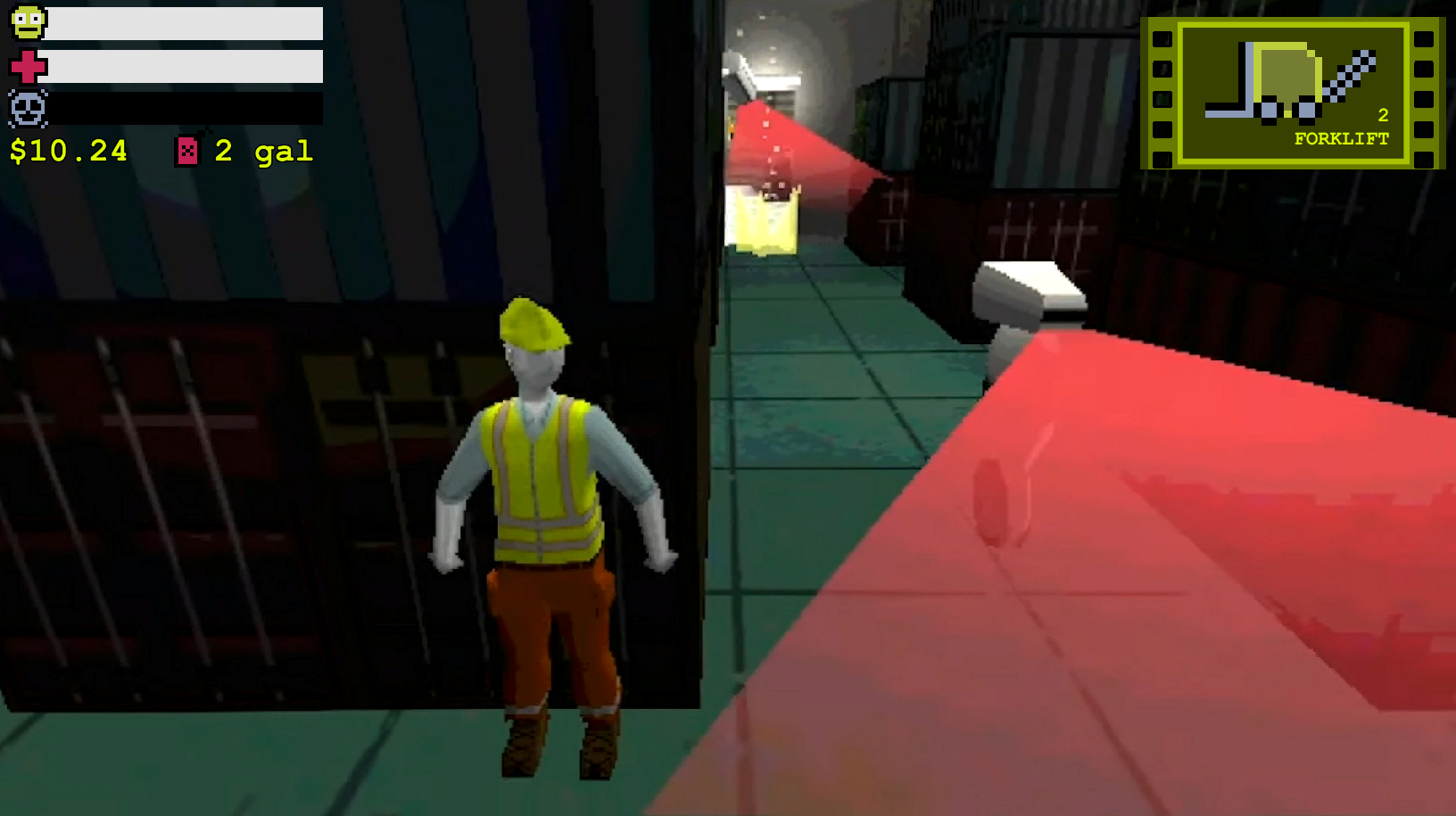
At the forefront of this week’s selection is Time Bandit, a game developed by Phoenixup that offers a profound and unsettling commentary on the nature of labor within a capitalist framework. The game uniquely ties its mechanics to real-world time and weather, creating an immersive experience that blurs the lines between virtual tasks and real-life commitment. Players are thrust into the role of a laborer whose value is systematically exploited, a narrative often discussed in economic theory but rarely explored with such directness in interactive media.
Time Bandit is fundamentally divided into two distinct phases: "on shift" and "off shift." During the "on shift" period, determined by the player’s real-world clock, players are required to perform mundane, time-consuming tasks within the game’s jobsite. Moving a virtual box, for instance, might genuinely take half an hour of real-world time. This design choice is not merely a gimmick; it serves as a powerful metaphor for the perceived inefficiency and often absurdly protracted nature of tasks in real-world labor, where the worker’s time is commodified and extracted. The narrative suggests these lengthy tasks are linked to the production of "Time Crystals," implying a hidden, valuable output that is ultimately alienated from the laborer.
The "off shift" phase introduces a stealth-based gameplay loop, where players can choose to reclaim the "fruits of their labor" by covertly stealing the produced Time Crystals. This alternative path offers quicker progression but comes with significantly heightened risks, creating a moral and strategic dilemma for the player. This mechanic serves as a direct allegorical representation of the concept of "seizing the means of production" or engaging in forms of resistance against exploitative systems. The game challenges players to weigh the perceived security of conventional, albeit exploitative, labor against the high-stakes pursuit of reclaiming their agency and value.
While no direct statements from the developer regarding the specific selection for "Games of the Week" were immediately available, the design philosophy embedded within Time Bandit strongly suggests an intentional critique of modern capitalist labor structures. The game’s innovative use of real-time mechanics to simulate the drudgery and precarity of work resonates with contemporary discussions around worker rights, automation, and the gig economy. Its reception among players frequently highlights its thought-provoking nature, often sparking discussions on personal experiences with labor exploitation and the psychological toll of undervalued work. The game stands as a testament to the power of interactive media to engage with complex socio-economic issues, moving beyond mere entertainment to offer a critical lens on everyday realities.
Ducky’s Delivery Service: The Charms of ‘Cute Labor’ and Skill-Based Play
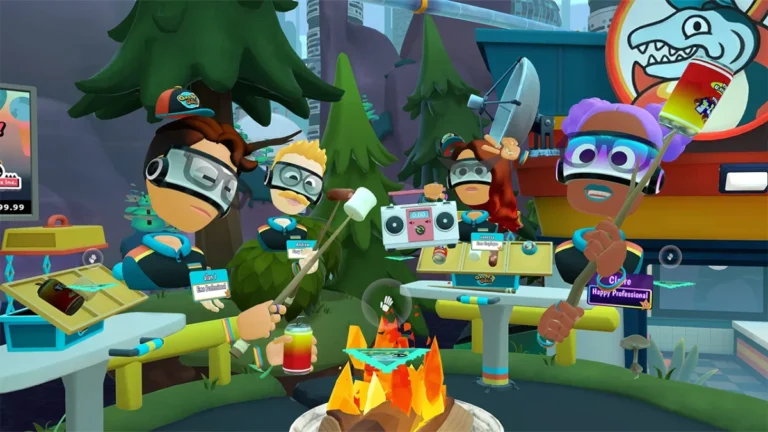
Transitioning from the stark realities presented by Time Bandit, itch.io’s selection introduces Ducky’s Delivery Service by C.T. Matthews, a delightful and unexpectedly deep arcade game that reimagines labor through a much softer, yet equally engaging, lens. This title offers a refreshing counterpoint, proving that even mundane tasks like package delivery can be transformed into an exhilarating, skill-based challenge when infused with charm and clever design.
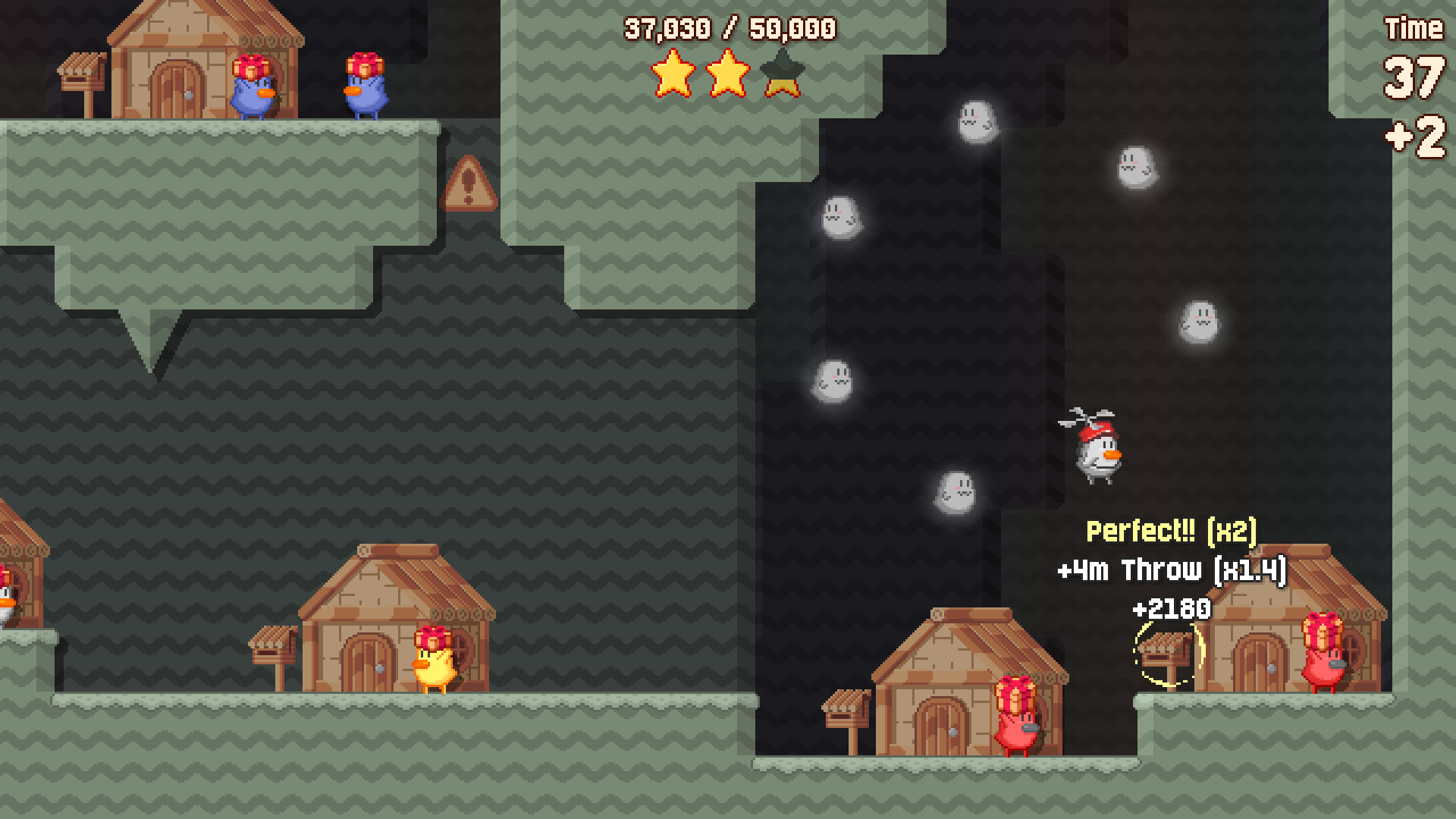
Players assume the role of an adorable duck equipped with a helicopter backpack, tasked with navigating various levels to deliver packages efficiently and safely. The core movement mechanic is reminiscent of classic "Balloon Flight" or more recently, "Flappy Bird," requiring repeated button taps to keep the duck airborne. This simple yet demanding control scheme provides an immediate learning curve and a satisfying sense of mastery as players improve. The contrast between the cute aesthetic and the precision required for optimal play is a significant part of its appeal.
Beyond basic delivery, Ducky’s Delivery Service incorporates a sophisticated scoring system that rewards "trickshots" and combos, elevating it from a casual postal simulator to a competitive score-attack game. This layer of complexity caters to players who enjoy optimizing routes, executing perfect maneuvers, and chasing high scores, adding considerable replay value. The game cleverly balances its approachable exterior with a challenging interior, making it accessible for casual players while offering depth for dedicated enthusiasts.
A particularly commendable aspect of Ducky’s Delivery Service is its comprehensive suite of accessibility tools. These features allow players to fine-tune various aspects of the game, from control sensitivity to visual cues, ensuring that a wide range of individuals can enjoy the experience regardless of their physical or cognitive abilities. This commitment to inclusive design is increasingly important in the gaming industry and reflects a growing awareness among independent developers about the need to lower barriers to entry. Community feedback often praises this thoughtful inclusion, highlighting how it broadens the game’s appeal and fosters a more welcoming player base. The game’s successful blend of an endearing protagonist, engaging mechanics, and robust accessibility options positions it as a prime example of how "cute labor" can be both entertaining and thoughtfully designed.
Communite: Fostering Connection Through Collaborative Creation
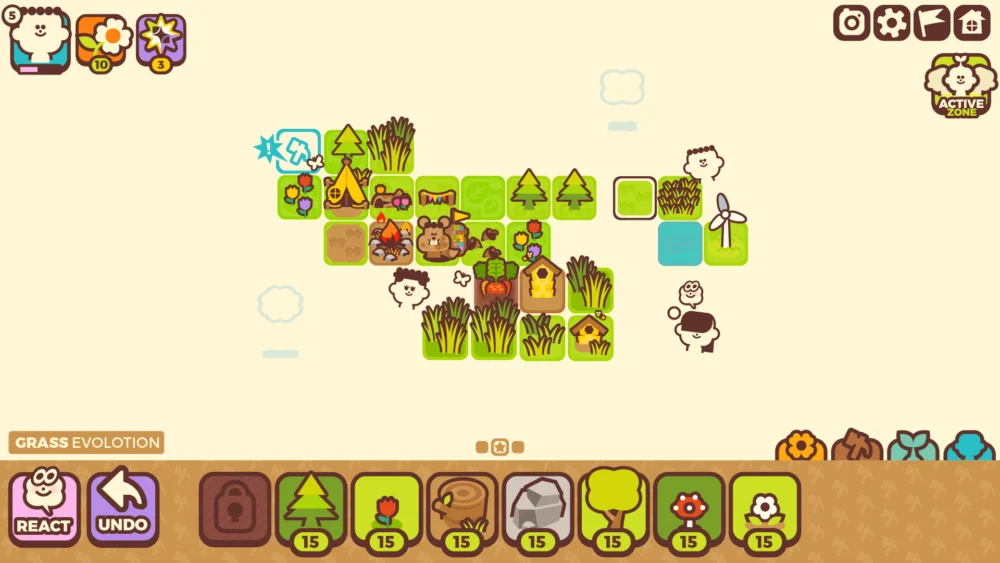
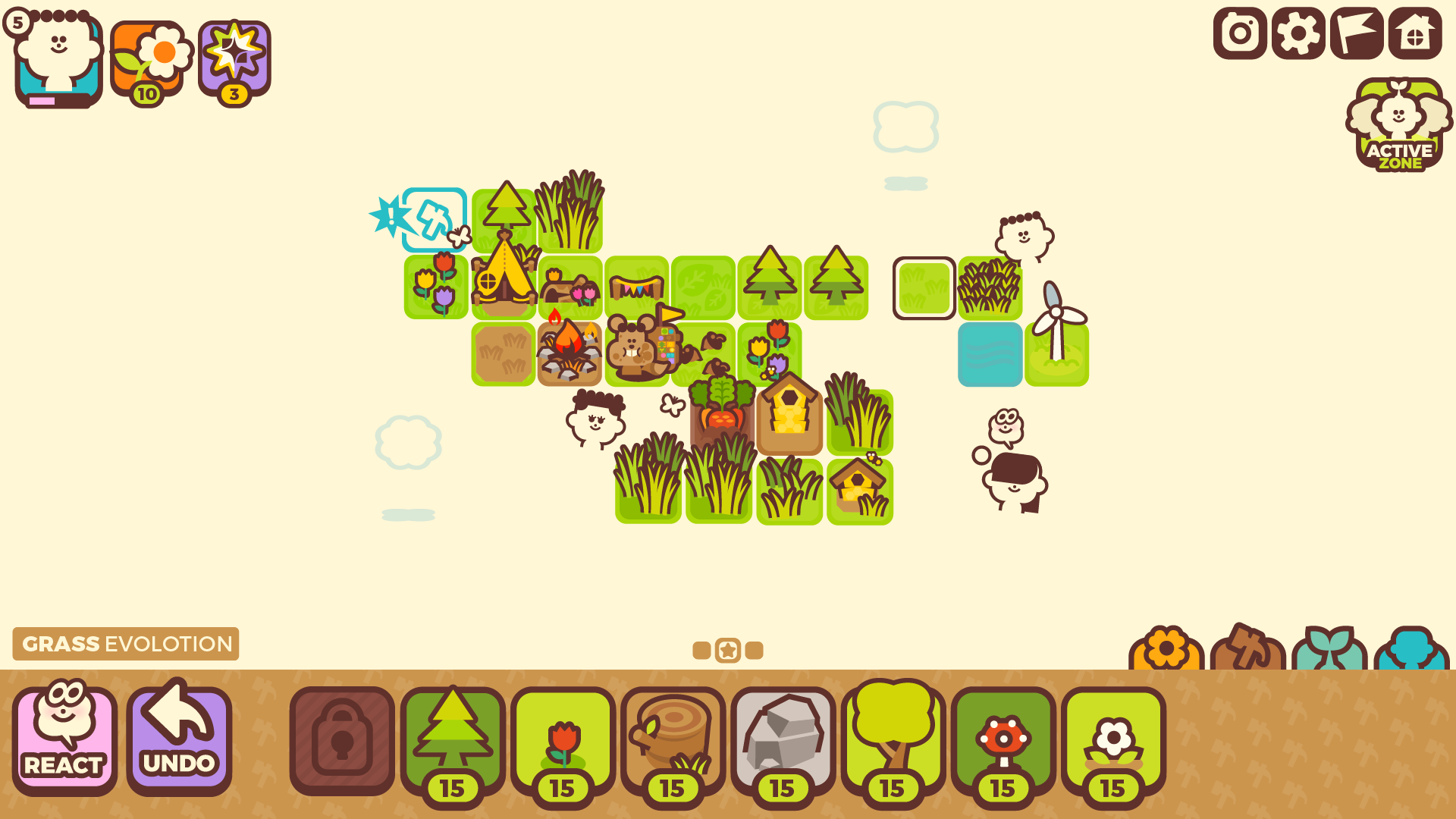
The final game in itch.io’s trio, Communite by Jimjum, shifts focus entirely from individual labor to the power and beauty of collective action and community building. This innovative title offers a unique take on the "cozy game" genre, emphasizing shared creation and asynchronous collaboration in a top-down world. Communite challenges conventional notions of progression and individual achievement, instead centering its experience around mutual contribution and shared purpose.
In Communite, players can initiate the construction of various decorations and structures within the shared world. However, the critical twist is that no single player can complete a project alone. Progress on any building or decoration requires contributions from multiple individuals. This fundamental mechanic transforms the act of building from a solitary endeavor into a deeply communal one, akin to maintaining a shared garden where everyone contributes to the flourishing whole. The game design inherently encourages interaction and interdependence, fostering a sense of collective ownership and accomplishment.
Upon logging into Communite, players are often directed to areas most in need of construction, immediately highlighting where their contributions can have the greatest impact. This intuitive system streamlines cooperation, allowing players to instantly identify ongoing projects and contribute without extensive coordination. This design choice effectively simulates the organic flow of a real-world community project, where individuals naturally gravitate towards areas requiring assistance.
Perhaps the most distinctive mechanic of Communite is its "stamina system," which limits the amount of construction a player can undertake at any given time. While this might initially seem like a limitation, it is, in fact, a deliberate design choice that enhances the game’s core philosophy. The stamina system encourages players to log out and return later, allowing them to witness the collective progress made by the community in their absence. This asynchronous gameplay loop reinforces the feeling of being a small but vital part of a larger collective, celebrating gradual, shared achievements rather than rapid individual progression. Community discussions frequently laud this anti-grind approach, noting how it cultivates patience, appreciation for others’ work, and a genuine sense of connection to a persistent, evolving world. Communite thus emerges as a powerful digital experiment in social cooperation, offering a relaxing yet profound experience of collective creation and sustained community engagement.
Broader Implications and Trends in Indie Gaming
The "Games of the Week" selection by itch.io this week is more than just a list of recommended titles; it serves as a microcosm of broader trends and significant implications within the independent gaming landscape. These three games, disparate in their genres and immediate appeal, collectively highlight the increasing sophistication of indie developers in tackling complex themes, embracing inclusive design, and experimenting with player interaction.
Time Bandit exemplifies the growing trend of games as a medium for social commentary and political critique. As video games mature as an art form, developers are increasingly leveraging their interactive nature to explore pressing societal issues, from economic inequality to environmental concerns. Such titles provide a unique platform for players to engage with challenging concepts in a tangible, experiential way, often prompting self-reflection and discussion beyond the game itself. This marks a significant evolution from games being purely escapist entertainment to becoming powerful tools for critical thought and empathy.
Ducky’s Delivery Service, with its charming aesthetic and robust accessibility features, points to the rising importance of inclusive design in game development. The indie scene, often less constrained by corporate pressures, is frequently at the forefront of this movement, recognizing that games should be enjoyable for everyone. This commitment to accessibility not only broadens the potential audience but also enriches the gaming experience for all players by promoting more thoughtful and adaptable design principles. The "cute labor" subgenre, as represented by Ducky’s, also showcases how seemingly mundane activities can be transformed into engaging, skill-based challenges without sacrificing approachability.
Communite stands as a testament to the innovative approaches indie developers are taking towards multiplayer and community engagement. In an era often dominated by competitive online games, Communite offers a refreshing alternative focused on cooperation, shared goals, and asynchronous interaction. Its anti-grind design and emphasis on collective contribution challenge the prevalent paradigms of continuous engagement and individual achievement, offering a vision of gaming where collaboration and patience are the ultimate rewards. This trend towards more gentle, community-centric multiplayer experiences reflects a broader societal desire for connection and collective well-being, particularly in the wake of global events that have highlighted the importance of community.
In conclusion, itch.io’s "Games of the Week" for this period presents a curated journey through the multifaceted world of independent game development. From the stark, critical examination of labor in Time Bandit to the accessible, adorable challenges of Ducky’s Delivery Service, and finally to the heartwarming, collaborative world-building of Communite, these titles collectively underscore the platform’s vital role in showcasing innovation. They demonstrate that games can be much more than mere pastimes; they can be powerful vehicles for social commentary, exemplars of inclusive design, and platforms for fostering genuine community connection. The continued prominence of such diverse and thought-provoking titles within the indie ecosystem bodes well for the future of interactive entertainment, promising a landscape rich with unique voices and meaningful experiences.
About the Author