The Game Developers Conference (GDC) of 2026, marking a significant departure from its traditional format, concluded recently, having undergone a comprehensive reinvention into the "Festival of Gaming." This pivotal shift aimed to reshape the industry’s premier professional event, fostering a more inclusive and dynamic environment for creators, innovators, and enthusiasts alike. Following its ambitious debut, the industry now turns its attention to the initial assessments and experiences gleaned from this transformative gathering. For those unable to navigate the bustling show floor in person, a critical question emerges: What was the tangible experience of attending this newly conceptualized event?
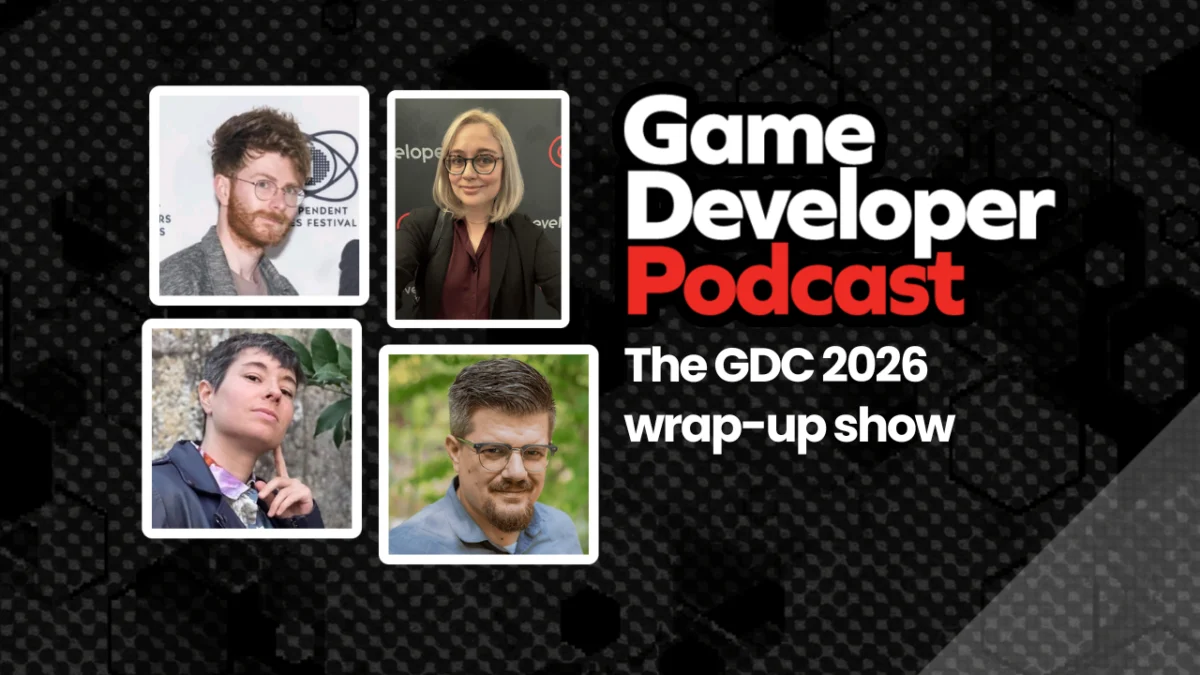
To address this multifaceted inquiry, the Game Developer Podcast has released a special post-mortem episode, offering a unique, multi-perspective analysis. Senior Editor Bryant Francis was joined by a formidable editorial panel comprising Editorial Director Alissa McAloon, Editor-in-Chief Danielle Riendeau, and News Editor Chris Kerr. Together, they delved into their collective experiences at GDC 2026, providing an invaluable, firsthand account of the event’s inaugural "Festival of Gaming" iteration. Their discussion encompasses a wide array of observations, from the substance of developer interviews and the vibrancy of indie game showcases to the insights shared in formal talks and the spontaneous, often pivotal, casual conversations that define such industry gatherings. This episode also notably introduced a new element to the podcast’s production, with the deployment of a soundboard, adding an unexpected layer of auditory commentary to their reflections, including a moment that reportedly prompted the distinctive "sad trombone" sound effect from Francis, hinting at a particularly memorable or perhaps challenging anecdote.
The Evolution of GDC: From Conference to Festival
The Game Developers Conference boasts a rich history, dating back to 1988, when it began as a small gathering of designers sharing insights. Over the decades, GDC evolved into the industry’s most respected professional event, renowned for its technical talks, design critiques, and business opportunities. It traditionally served as a crucial platform for knowledge exchange, networking, and showcasing emerging technologies, attracting tens of thousands of developers, publishers, and technology providers annually. However, the rapidly changing landscape of the global gaming industry, exacerbated by the transformative impact of the early 2020s, necessitated a re-evaluation of its core identity and purpose.
The decision by Informa Festivals, the parent organization behind both GDC and Game Developer, to reinvent GDC as the "Festival of Gaming" was a strategic response to several converging factors. Firstly, the exponential growth of independent game development created a need for a more accessible and celebratory platform that could accommodate and highlight the diverse voices and innovative projects emerging from the indie scene. Traditional conference structures, while valuable for established studios, sometimes struggled to fully integrate and uplift smaller teams. Secondly, the increasing emphasis on community and player engagement within the broader gaming ecosystem suggested a shift from a purely professional-to-professional model to one that also embraced the creative spirit and cultural impact of games. Thirdly, the ongoing debate regarding the efficacy and format of large-scale events in a post-digital-first era prompted organizers to innovate, seeking to maximize both in-person engagement and broader accessibility.
The goals behind this reinvention were manifold: to foster a more inclusive and diverse environment, to amplify the voices of both veteran and nascent developers, to create more interactive and experiential zones, and to celebrate the art and science of game development in a manner that resonated beyond just business transactions. The "Festival of Gaming" aimed to blend the rigorous professional development opportunities of GDC with the celebratory, community-driven atmosphere often found in public-facing gaming festivals. This new model sought to retain GDC’s foundational commitment to education and networking while expanding its appeal and fostering a more vibrant, dynamic ecosystem for collaboration and discovery.
GDC 2026: A Festival Unveiled
Held in its traditional San Francisco Bay Area location, GDC 2026, under its new "Festival of Gaming" moniker, promised a reimagined experience across its five-day run. Initial reports from Informa Festivals indicated a robust turnout, with preliminary figures suggesting an attendance nearing pre-pandemic levels, estimated at over 25,000 participants, a significant portion of whom were first-time attendees attracted by the new festival format. The event spanned multiple venues, with the main Moscone Center remaining the central hub for keynote speeches and major showcases, while satellite locations hosted specialized workshops, indie game pop-ups, and community-focused events.
The architecture of the "Festival of Gaming" was notably different. While the core GDC Pro Pass still granted access to the highly anticipated technical and design talks, a new "Festival Pass" was introduced, offering broader access to experiential zones, dedicated indie game exhibition halls, and community meet-ups, at a more accessible price point. This tiered approach aimed to democratize access to the event, allowing a wider demographic of aspiring developers, students, and indie creators to participate actively.
The show floor itself was reportedly transformed. Gone were some of the more rigid, corporate-focused exhibition halls, replaced by dynamic "play zones" where attendees could engage directly with hundreds of new and upcoming titles, with a strong emphasis on independent games. Dedicated "Creator Corners" facilitated direct interaction between developers and potential collaborators or fans, moving beyond traditional booth presentations. The "Talks" track, a cornerstone of GDC, maintained its high standard, featuring sessions on cutting-edge topics such as generative AI in game design, ethical considerations in virtual reality development, sustainable practices in studio management, and the evolving landscape of player psychology. However, these sessions were complemented by more informal "Fireside Chats" and "Developer Diaries" accessible to Festival Pass holders, offering personal insights into the development process.
Networking, always a critical component of GDC, was also recalibrated. While the traditional business lounges and publisher meetings continued, new "Community Hubs" and "Collaboration Cafes" were established, designed to foster organic connections and spontaneous idea exchanges. These informal spaces, often featuring themed activities or casual game jams, proved particularly popular among indie developers and students seeking mentorship or team-building opportunities.
The Game Developer Podcast’s In-Depth Post-Mortem
The Game Developer Podcast’s special episode serves as an indispensable resource for understanding the nuances of this groundbreaking event. The combined expertise of Bryant Francis, Alissa McAloon, Danielle Riendeau, and Chris Kerr provides a panoramic view of GDC 2026. Their discussion was not merely a recap but a critical analysis, dissecting the successes and identifying areas for future refinement.
The team highlighted the sheer volume and quality of indie games on display. McAloon, known for her sharp eye for emerging trends, likely emphasized how the new festival format genuinely elevated smaller studios, giving them unprecedented visibility amidst the industry giants. Riendeau, with her editorial leadership, might have focused on the narratives emerging from these indie developers, discussing the innovative design philosophies and unique challenges they presented. Kerr, as news editor, would have brought a keen awareness of the industry buzz surrounding these titles, noting which games captured significant attention or offered glimpses into future trends.
The interviews conducted by the team, both formal and informal, were another focal point. These interactions, ranging from deep dives with veteran designers to quick chats with first-time exhibitors, offered insights into the creative processes, technological hurdles, and strategic decisions shaping the games industry. The podcast likely shared anecdotes from these encounters, revealing candid moments and unexpected revelations that wouldn’t make it into formal news reports.
The talks themselves, traditionally the intellectual core of GDC, were analyzed for their relevance and impact. The editorial team would have discussed which sessions offered the most profound insights, which sparked the most debate, and how the content reflected the current state and future trajectory of game development. Topics such as the integration of AI tools in asset creation, the challenges of cross-platform development, and the importance of mental health in demanding studio environments were likely subjects of their commentary.
Beyond the structured events, the casual conversations were underscored as equally vital. These serendipitous encounters in hallways, coffee lines, or social gatherings often lead to groundbreaking collaborations or pivotal career advice. The podcast likely shared personal anecdotes illustrating the power of these informal connections, perhaps including the moment that prompted Bryant Francis’s "sad trombone"—a humorous yet poignant reflection on a particular challenge or absurdity encountered on the show floor. The introduction of the soundboard itself signifies a desire to make these post-event reflections more engaging and immediate, capturing the spirit of live commentary.
The value proposition of this podcast episode extends far beyond mere entertainment. For developers who couldn’t attend, it offers a crucial window into the discussions, innovations, and overall atmosphere of GDC 2026. For those who did attend, it provides a curated perspective, helping to synthesize the overwhelming amount of information and experiences into coherent takeaways. It serves as a vital piece of post-event intelligence, guiding future participation and strategic planning within the industry.
Key Themes and Industry Context
GDC 2026, reinvented as the Festival of Gaming, took place within a dynamic global industry context. The post-pandemic event landscape continues to evolve, with organizers constantly balancing the benefits of in-person interaction against the accessibility of digital formats. The Festival of Gaming model, with its hybrid approach to content delivery and varied pass options, represents a significant experiment in finding this equilibrium. Industry analysts have noted a growing fatigue with purely virtual events, emphasizing the irreplaceable value of physical presence for deep networking, hands-on demos, and spontaneous creative collisions.
The rise of indie development has been a dominant trend for over a decade, but GDC 2026’s new format explicitly embraced it. The dedicated exhibition spaces and lower barrier to entry for smaller studios highlight a strategic recognition of indies as vital drivers of innovation and diversity within the industry. This focus is crucial as independent titles frequently push creative boundaries and introduce novel mechanics that larger studios later adopt or iterate upon.
Technological advancements, particularly in Artificial Intelligence (AI) and Extended Reality (XR – VR/AR), were pervasive themes. While the hype cycle around some of these technologies has matured, GDC 2026 talks likely focused on practical applications: AI for procedural generation, character behavior, and development pipeline optimization; XR for immersive storytelling and new interaction paradigms. The presence of these topics underscored the industry’s continuous push towards more sophisticated and engaging player experiences.
Furthermore, diversity and inclusion initiatives remained a critical component of GDC’s mission. Sessions on fostering inclusive workplaces, designing games for diverse audiences, and promoting equitable representation within the industry were prominently featured. The "Festival of Gaming" framework, with its emphasis on community and broader participation, naturally lent itself to amplifying these important conversations.
Broader Implications of the "Festival of Gaming" Model
The success and reception of GDC 2026’s "Festival of Gaming" model carry significant implications for the future of industry conferences. It could serve as a blueprint for other major events seeking to adapt to changing attendee demographics and industry needs. The shift towards a more experiential, community-focused, and tiered-access model might become a standard, moving away from purely B2B or B2C distinctions towards a more integrated B2B2C approach.
For Informa Festivals, this reinvention represents a bold strategic move to future-proof its flagship event. By expanding GDC’s appeal, they potentially tap into new revenue streams and solidify its position as the indispensable hub for game development globally. The model’s ability to foster both high-level professional discourse and grassroots community engagement is a testament to Informa’s forward-thinking approach.
For Game Developer, the media outlet, their integral role in covering and analyzing GDC 2026 highlights their continued importance as a voice of record for the industry. Their podcast, articles, and social media presence serve not just as news sources but as platforms for critical reflection and community building. Their comprehensive post-event analysis, particularly through the diverse perspectives of their editorial team, helps to shape the industry’s understanding of key events and trends.
The Game Developer Podcast, a bi-weekly production, consistently chronicles the triumphs, catastrophes, and everything in-between of game development. Hosted by Bryant Francis, meticulously edited by Pierre Landriau, and featuring distinctive music by Mike Meehan, the podcast’s mission is to share invaluable lessons and strategies that developers can directly apply to hone their craft. Its regular features provide a continuous stream of insights into the practical realities of game creation, making it an essential listen for both aspiring and veteran professionals.
In addition to the podcast, Game Developer maintains an active presence across various digital platforms, including Bluesky and LinkedIn, ensuring its content reaches a broad professional audience. The publication also offers deeper dives into specific industry topics, such as the related article, "Creating a successful Steam page is like ski jumping," which provides practical guidance for developers navigating the complex world of game marketing. This holistic approach underscores Game Developer’s commitment to supporting the industry through comprehensive reporting, insightful analysis, and practical advice.
The GDC 2026 "Festival of Gaming" marks a significant turning point in the landscape of game industry events. Its ambitious reinvention, focused on inclusivity, community, and diverse experiences, has sparked a new conversation about how professional gatherings can best serve a rapidly evolving creative sector. As the industry reflects on this pivotal event, the insights provided by the Game Developer Podcast’s editorial team offer an invaluable lens through which to understand its immediate impact and its potential to shape the future of game development for years to come.
About the Author