The pervasive narrative suggesting that younger generations, specifically Gen Z and Gen Alpha, are disengaging from video games in favor of fleeting digital distractions like TikTok and constant phone usage, has been widely challenged by industry experts. This sentiment often laments a perceived decline in interest for traditional, high-budget, single-player AAA releases. However, a compelling counter-argument emerged at the GDC Festival of Gaming 2026, where Sharon Tal Yguado, a former Hollywood executive and current CEO of Astrid Entertainment, presented a nuanced perspective. Her insights underscore that while engagement patterns have undoubtedly evolved, the fundamental appeal of gaming for these demographics remains robust; it has merely transformed.
Yguado’s presentation served as a critical recalibration for an industry often grappling with rapidly shifting consumer behaviors. "I said we’re losing Gen Z. We’re not. They’re here. They’re playing games," she stated emphatically. "It’s just that their attention and needs are changing and we should probably adapt." This declaration signals not a crisis, but an opportunity for innovation and strategic realignment within the gaming sector. The underlying message is clear: the gaming landscape is not shrinking, but rather diversifying, necessitating a proactive and adaptive approach from developers, publishers, and marketers alike.
The Shifting Sands of Play: A Generational Redefinition of Gaming
The traditional understanding of a "gamer" often conjures an image of someone deeply engrossed in a sprawling narrative adventure or a competitive multiplayer arena, investing significant time and money into premium titles. For Gen Z (born roughly between 1995 and 2009) and the emerging Gen Alpha (born from 2010 onwards), this archetype is being redefined. Their gaming habits are less about solitary, linear experiences and more about dynamic, social, and creative engagement. This shift is not merely a preference but a reflection of their digital-native upbringing, characterized by ubiquitous connectivity, instant gratification, and algorithm-driven content consumption.
These generations grew up with smartphones as extensions of themselves, social media platforms as primary communication channels, and content creation as a form of self-expression. Consequently, their expectations for interactive entertainment are inherently different. The concept of a game as a fixed product, consumed once and then set aside, holds less appeal than experiences that offer continuous evolution, social interaction, and opportunities for personalization and creativity. This foundational difference informs their choices in games, their engagement with gaming content, and their receptiveness to various marketing approaches.
Data-Driven Insights: Gen Z and Alpha’s Enduring Engagement
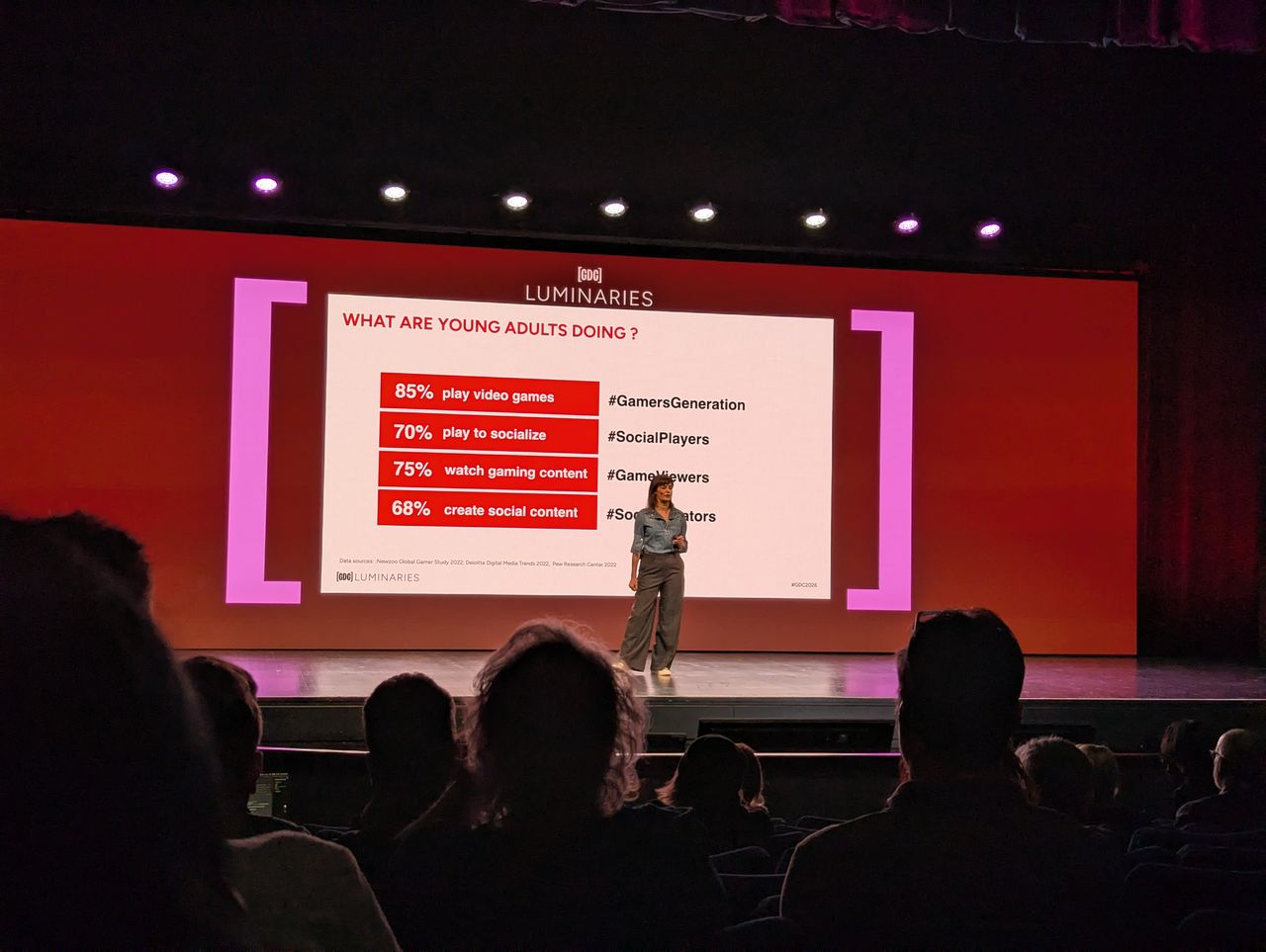
Despite the prevailing anxieties, empirical data consistently demonstrates Gen Z and Gen Alpha’s profound connection to video games. A 2024 survey conducted by the Pew Research Center revealed that an impressive 85 percent of teens actively play video games, dispelling any notion of widespread disinterest. Further solidifying this trend, Newzoo’s Global Gamer Study 2023 highlighted that these younger demographics are more likely to identify as "video game enthusiasts" compared to older generations. Their engagement extends beyond active play, with a significant portion also dedicating time to watching others play, whether through live streams on Twitch or curated content on YouTube.
This dual engagement — playing and watching — underscores a fundamental characteristic of these generations: gaming is a multifaceted cultural activity, not just a recreational pastime. The global gaming market, valued at over $184 billion in 2023 by Newzoo, continues to grow, driven in no small part by the sustained and evolving participation of younger players. While specific spending habits may differ, their collective presence and influence are undeniable. For instance, data from analytics firms often indicates that while upfront purchases of premium titles might be lower, spending on in-game cosmetics, battle passes, and subscription services within free-to-play or live-service titles remains substantial, contributing significantly to overall market revenue.
The Rise of "Forever Games" and Social Sandboxes
Yguado’s analysis points to a clear preference for what she terms "forever games" – titles designed for continuous engagement, often featuring live-service models, community-driven content, and open-ended play. Examples like Roblox, Minecraft, Fortnite, and Grand Theft Auto Online exemplify this category. These aren’t merely games; they are expansive digital ecosystems where players can not only compete but also create, socialize, and express themselves.

- Roblox: A platform where users design and share their own games and experiences, Roblox boasts hundreds of millions of monthly active users, a vast majority of whom are under 16. It’s a prime example of user-generated content (UGC) driving engagement, offering limitless creative possibilities and social hubs.
- Minecraft: The best-selling video game of all time, Minecraft provides a block-based sandbox where players can build anything imaginable, fostering creativity, problem-solving, and collaborative play. Its enduring appeal lies in its simplicity and boundless potential for player-driven narratives.
- Fortnite: While known for its battle royale mode, Fortnite has evolved into a metaverse-like platform, hosting virtual concerts, social spaces, and creative modes, making it a cultural touchstone for younger players.
- Grand Theft Auto Online: Built upon the foundation of Grand Theft Auto V, this online component offers a persistent world where players can engage in missions, races, and myriad social activities, creating a sense of a living, breathing digital city.
Beyond these giants, Yguado highlighted the burgeoning "friendslop" genre, characterized by games like Lethal Company and Palworld (which saw explosive growth shortly after GDC 2026, confirming the trend). These titles often feature cooperative gameplay, emergent narratives, and a strong emphasis on shared, often chaotic, experiences with friends. They prioritize spontaneous fun and social bonding over high-fidelity graphics or meticulously crafted single-player narratives, aspects that younger players, according to Yguado, are less concerned with. The appeal lies in the shared laughter, inside jokes, and collaborative problem-solving that arise naturally within these less polished, more authentic social spaces.
This preference for "forever games" and "friendslop" is deeply tied to the social currency they offer. These games act as virtual third places, akin to physical hangout spots, where identity can be explored and expressed. Investing in a unique skin or a personalized avatar in Fortnite or Roblox isn’t just about aesthetics; it’s about signaling belonging, status, and individuality within a digital community. This contrasts sharply with the value proposition of a $70 premium title, which, while offering a rich, curated experience, often lacks the ongoing social utility and expressive freedom that Gen Z and Alpha prioritize.
Beyond the Controller: Gaming as a Social Ecosystem
For Gen Z and Gen Alpha, gaming is less a solitary hobby and more a central pillar of their social lives. "Games are no longer a hobby. Games are not an activity. Games are a hangout, a place for them to be with their friends," Yguado articulated. This profound shift means that the social infrastructure surrounding a game is often as important as the gameplay itself. Discord servers, in-game voice chat, and shared streaming sessions are integral to their gaming experience.
Moreover, these players are not merely consumers; they are active participants and creators within the gaming ecosystem. "They’re not just consumers. They’re content creators," Yguado emphasized. This manifests in various ways: streaming their gameplay, creating highlight reels, producing fan art, developing mods, or designing experiences within UGC platforms. The line between playing and creating content about playing is increasingly blurred, driven by an innate desire for self-expression and community engagement.
This phenomenon is further amplified by the unique circumstances of their upbringing. The isolation imposed by the COVID-19 pandemic, for instance, forced many younger individuals to seek social connection predominantly through digital channels. Online games became vital conduits for maintaining friendships, building new communities, and coping with unprecedented global challenges. This experience solidified the role of virtual worlds as essential social spaces, reinforcing the value of cooperative, community-driven gameplay and shared digital experiences.
Navigating the New Marketing Frontier: Authenticity Over Polish
The implications of these generational shifts extend critically to marketing strategies. Traditional advertising campaigns, characterized by highly polished trailers and celebrity endorsements, often miss the mark with Gen Z and Gen Alpha. Yguado highlighted their acute "BS meter," describing them as "cynical and critical." They are acutely aware of overt commercialism and prioritize genuine connection over glossy presentations.
"Authenticity is a massive currency," she asserted. "They will prefer to hear from the developers and the creators and the influencers than from a polished trailer that tells them this is what you should be playing." This mandates a radical rethinking of how games are promoted. Marketers must abandon conventional top-down approaches and instead engage with these audiences on their preferred platforms – primarily TikTok and YouTube – through trusted voices.
- Influencer Marketing: Partnering with content creators who genuinely resonate with the target audience is paramount. These influencers act as trusted peers, offering organic endorsements that feel more authentic than traditional advertisements. Successful campaigns often involve creators showcasing real gameplay, sharing their genuine reactions, and fostering community discussions.
- Developer Transparency: Direct engagement from game developers, sharing behind-the-scenes glimpses, development challenges, and personal insights, can build a sense of trust and connection. This humanizes the development process and resonates with a generation that values transparency.
- Platform-Specific Content: Marketing content must be tailored to the native language and format of platforms like TikTok, emphasizing short-form, engaging, and often humorous videos. This means embracing trends, participating in challenges, and fostering user-generated content around the game.
- Ignoring "Polish" (in presentation): While game quality is still important, the marketing itself doesn’t need to be overly slick or expensive. Raw, honest, and relatable content often performs better, as it feels more genuine and less like an advertisement.
The quiet retirement of Microsoft’s "This is an Xbox" marketing campaign, as noted in a related article, could be interpreted as a reflection of this evolving landscape. While such campaigns aimed for broad appeal, the new paradigm demands more targeted, nuanced, and authentic engagement, particularly with the digital-native youth.
Industry Adaptation: A Call for Innovation in Game Development
For game studios, adapting to these evolving tastes is not optional; it is foundational for future success. Astrid Entertainment, under Yguado’s leadership, is actively building a game specifically designed to meet the needs of Gen Z players. While details remain sparse, it is confirmed to be a co-op experience emphasizing creative tools and social interaction – "a lot of fun to hang out with your friends." This exemplifies a strategic shift from creating products for players to creating platforms with players.
The challenge, however, extends beyond simply creating "friendslop" or UGC-driven games. For developers of more traditional genres, the task is to infuse elements of sociality, creativity, and persistent engagement into their offerings. This might involve:
- Integrated Social Features: Robust in-game communication, party-finding systems, and seamless cross-platform play.
- Personalization and Expression: Extensive cosmetic customization, player housing, or avatar creation tools.
- Community-Driven Content: Tools for players to create and share their own levels, mods, or experiences.
- Live-Service Elements: Regular content updates, seasonal events, and evolving narratives that keep players engaged over extended periods.
The pursuit of "virality" – creating games that are inherently meme-able and shareable – is a goal for many studios, yet its achievement remains largely unpredictable. Success often hinges on a confluence of factors beyond just game content, including timing, community resonance, and organic social media amplification. This unpredictability reinforces the need for a sustained, authentic marketing presence rather than relying solely on a single viral moment.
The Future Trajectory: From Sandbox to Premium?
A crucial question for the long-term health of the gaming industry is whether Gen Z and Gen Alpha will eventually "graduate" from sandbox and live-service titles to embrace premium, $70 experiences. Yguado expresses optimism, believing that this transition is probable, though perhaps not a complete abandonment of their current favorites. "You just have to meet new players where they are and on their own terms," she advised.
This "graduation" could manifest in several ways:
- Evolving Tastes: As players mature, their appreciation for deeper narratives, complex mechanics, and high-fidelity graphics might grow.
- Financial Capacity: Older Gen Z players entering the workforce will have greater disposable income, making premium purchases more accessible.
- Influencer-Led Discovery: Trusted content creators might introduce them to premium titles in ways that resonate with their values.
- Hybrid Models: The future might see a blend of live-service elements and premium experiences, where games offer compelling single-player campaigns alongside robust, evolving multiplayer components.
However, it is unlikely that titles like Roblox will ever be "left forever." These platforms represent a foundational social and creative space that will continue to evolve with its users. The challenge for premium game developers is to demonstrate value beyond the initial purchase, perhaps by offering ongoing community engagement, unique social features, or opportunities for creative expression within their more structured worlds.
Conclusion: Optimism Amidst Evolving Paradigms
The insights from the GDC Festival of Gaming 2026, particularly Sharon Tal Yguado’s perspective, paint a picture not of decline, but of dynamic evolution within the video game industry. Gen Z and Gen Alpha are not turning away from games; they are simply interacting with them on their own terms, driven by a desire for social connection, creative expression, and authentic experiences.
The gaming industry is entering a "brave new world," as Yguado aptly put it. This new world demands flexibility, empathy, and a willingness to challenge long-held assumptions about game design and marketing. By embracing authenticity, fostering community, and designing for continuous engagement, developers and publishers can not only retain these crucial demographics but also unlock new avenues for growth and innovation. The future of gaming, rather than being threatened, is being actively reshaped by the very generations poised to inherit it, promising an incredibly optimistic outlook for interactive entertainment.
About the Author