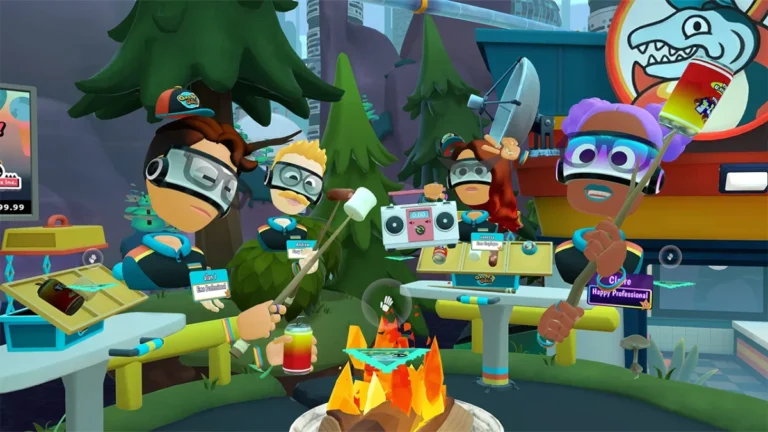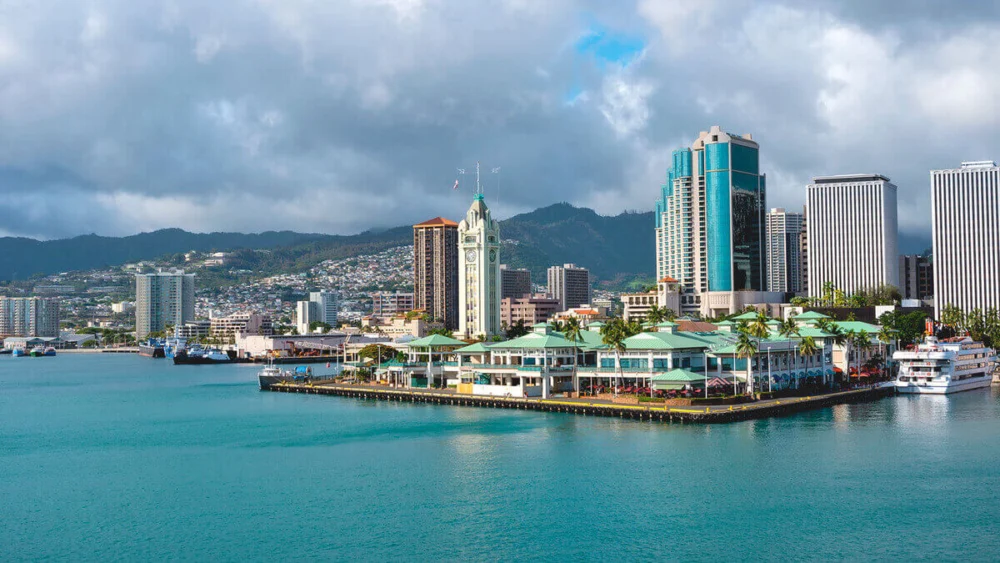
Honolulu, celebrated globally for its pristine Waikiki Beach and unparalleled tropical beauty, presents a contrasting landscape when it comes to its emerging game design ecosystem. While not a traditional hub for the video game industry, the city, and indeed the broader state of Hawaii, offers a surprising array of academic pathways for aspiring game developers and designers. Despite a limited concentration of major studios and specialized game design schools, several universities and colleges are diligently cultivating relevant programs, preparing students for an industry that continues its exponential growth worldwide. Independent studios, such as Silver Spook Games, exemplify the entrepreneurial spirit present in the local scene, offering unique opportunities for graduates seeking to contribute to a burgeoning, albeit niche, market.
The global video game industry has witnessed unprecedented growth over the past decade, transforming into a multi-billion dollar sector that outpaces both film and music combined. In 2023, the global gaming market was estimated to be worth over $250 billion, with projections indicating continued expansion. This robust global trend underscores the increasing demand for skilled professionals in game design, development, animation, and interactive media. Against this backdrop, Honolulu’s educational institutions are strategically adapting, recognizing the potential for local talent to tap into this expansive industry, even if direct employment within Hawaii remains a more specialized pursuit. The challenge for Honolulu lies in balancing its unique geographic and economic realities with the global demands of a fast-paced, high-tech industry.
Evaluating Excellence: Our Methodological Framework
To provide a comprehensive overview of the top game design educational opportunities in Honolulu for 2026, our assessment methodology meticulously reviewed publicly available program information and offerings. A significant component of our evaluation relied on data and rankings from EduRank, a reputable academic insights platform. Our primary focus was to identify institutions that deliver the most robust preparation for professional careers in game design, prioritizing curricula that equip students with both theoretical knowledge and practical, industry-relevant skills. This rigorous approach ensures a consistent and objective evaluation, highlighting programs designed to meet the evolving demands of the dynamic gaming industry. We acknowledge that while our selections are grounded in statistics and factual program details, individual student needs vary widely across program focus, campus culture, cost considerations, and lifestyle preferences. Therefore, these rankings are intended as a guiding resource, designed to illuminate potential pathways for students aspiring to launch a career in game design, rather than an absolute directive.
Leading the Charge: Top Game Design Schools in Honolulu, Hawaii (2026)
University of Hawaii at Manoa
The University of Hawaii at Manoa (UH Manoa) stands as a cornerstone for higher education in the state, offering a gateway to game design through its interdisciplinary "Video Game Design and Development" course. Housed collaboratively within the College of Arts and the College of Natural Sciences, this specialized offering delves into the computer science techniques fundamental to designing and building video games, interactive applications, and immersive entertainment environments. The course provides a rigorous foundation, covering aspects such as programming logic, game mechanics, user interface principles, and project management tailored for digital media creation. Students are introduced to industry-standard software and development pipelines, engaging in hands-on projects that simulate real-world production challenges.

Established initially as an advanced elective to complement existing computer science and art programs, the course has evolved to become a critical component for students aiming for roles in software development, interactive media, and game design. Faculty members often bring diverse backgrounds, ranging from theoretical computer science to practical experience in interactive media arts, ensuring a blend of academic rigor and industry relevance. While not a standalone degree in game design, successful completion of this course equips learners with a strong portfolio and a robust technical background, making them competitive candidates for entry-level game design and development positions within the broader tech industry. The university’s commitment to fostering innovation in digital arts and sciences reflects a strategic effort to diversify Hawaii’s economic landscape beyond traditional sectors.
- General Information:
- Tuition and fees at the University of Hawaii at Manoa typically range from approximately $11,000 per year for in-state students to over $33,000 per year for out-of-state students. These figures underscore the institution’s role in providing accessible education for local residents while attracting a diverse student body from beyond Hawaii’s shores.
Hawaii Pacific University
Hawaii Pacific University (HPU), a private institution known for its diverse student body and focus on experiential learning, offers a Bachelor of Arts in Cinematic Multimedia Arts that provides a significant pathway into game design. This comprehensive program is designed to impart multifaceted skills across motion graphics, traditional animation, and interactive media. Students pursuing this degree can further specialize through a concentration in Animation and Multimedia Design, where the curriculum directly integrates core game design principles. Key courses within this concentration include "Game Design," "3D Animation Studio," and "Animation Storytelling," which collectively build a robust skill set.
The "Game Design" course introduces students to the principles of game theory, level design, character development, and narrative integration within interactive experiences. "3D Animation Studio" provides intensive training in character modeling, rigging, texturing, and animation using industry-standard software, preparing students for the visual demands of modern game development. "Animation Storytelling" focuses on crafting compelling narratives and visual sequences, a crucial skill for engaging players in virtual worlds. HPU’s program emphasizes hands-on project work, encouraging students to develop portfolios that showcase their creative and technical prowess. Graduates of the Cinematic Multimedia Arts program, particularly those with the Animation and Multimedia Design concentration, are well-prepared to pursue careers in a wide array of fields including animation studios, film production, game development, motion graphics, and interactive advertising. The program’s interdisciplinary nature reflects the convergent trends in digital media, where skills in one area often translate seamlessly to another.
- General Information:
- Tuition and fees at Hawaii Pacific University range from approximately $21,000 to over $32,000 per year, covering both in-state and out-of-state students. As a private institution, HPU often offers various scholarships and financial aid opportunities to make its programs accessible.
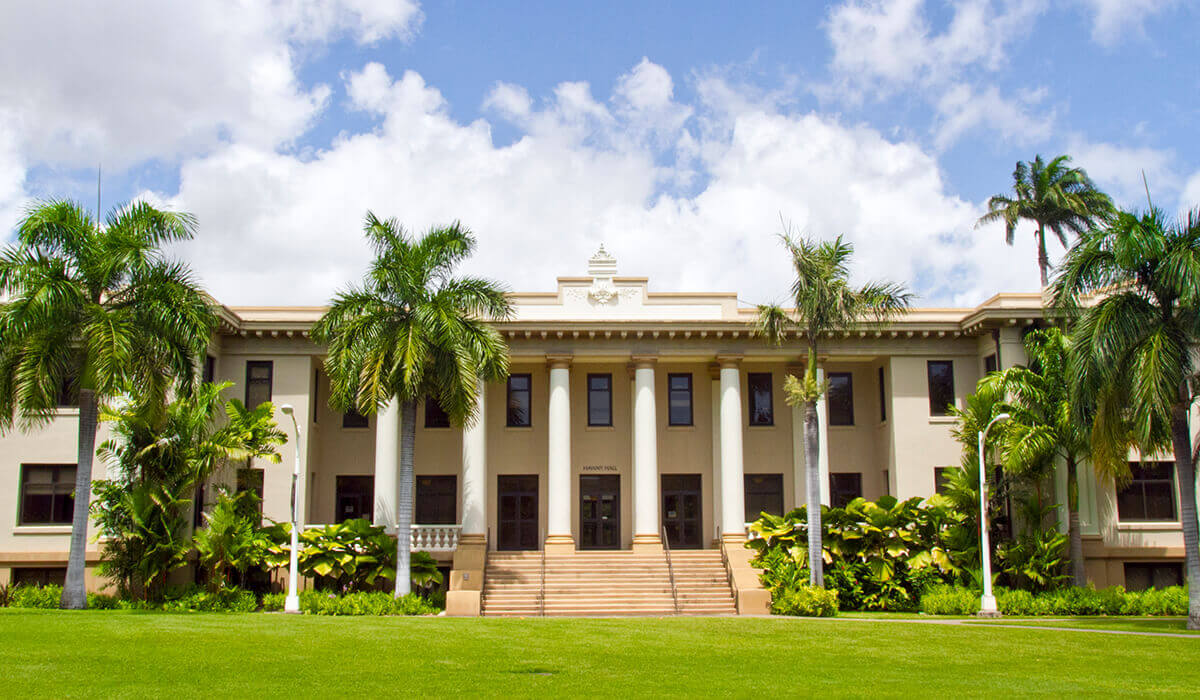
Kapiʻolani Community College
Kapiʻolani Community College (KCC), a vital component of the University of Hawaii System, provides an accessible entry point into the digital arts and interactive media through its New Media Arts associate degree program. This program is particularly attractive for students seeking a strong foundational skill set or a direct pathway into specific technical roles within the industry. KCC offers distinct specialization options within this degree: Animation and Interface Design.
The Animation specialization introduces students to the core principles and techniques of 3D computer animation, covering character design, environmental modeling, motion graphics, and visual effects. Students gain proficiency in industry-standard software, learning to bring static concepts to life through dynamic visual storytelling. This track is ideal for aspiring 3D modelers, animators, and character riggers, roles that are essential in both game development and broader digital media production.
The Interface Design specialization delves into the multifaceted aspects of user interface (UI) and user experience (UX) design, which are increasingly critical in game development. This track explores aesthetics, business considerations, production workflows, theoretical frameworks, and the underlying technology of interactive interfaces. Students learn about user research, wireframing, prototyping, and usability testing, developing the skills needed to create intuitive and engaging digital experiences. Graduates are well-prepared for roles as UI designers, UX designers, and interaction designers, positions that transcend the game industry and are highly sought after in web development, mobile applications, and software design. KCC’s vocational focus ensures that graduates possess practical skills immediately applicable in the workforce, or they can opt to transfer their associate degree credits to a four-year institution to pursue a bachelor’s degree. The college plays a crucial role in empowering local talent by providing affordable and relevant technical education.
- General Information:
- Tuition and fees data for Kapiʻolani Community College were not published by the ranking and data provider (EduRank). However, as a community college within the University of Hawaii System, KCC typically offers significantly lower tuition rates compared to four-year universities, especially for in-state residents, making it a highly cost-effective option for foundational education.
Honorable Mention: Liliʻuokalani Center
While not a degree-granting institution in game design, the Liliʻuokalani Center (likely referring to initiatives or programs affiliated with the Queen Liliʻuokalani Trust or similar cultural/educational organizations) warrants an honorable mention for its potential to foster creative and technological development within the Hawaiian community. Such centers often play a crucial role in cultivating interest in digital arts, offering workshops, community programs, or resources that support indigenous storytelling through modern media. By promoting digital literacy and artistic expression, these initiatives indirectly contribute to the pipeline of students interested in formal game design education, enriching the local ecosystem with culturally informed perspectives and diverse talent. They can serve as vital community hubs where foundational skills are taught, and creative projects are incubated, feeding into the broader educational and professional landscape for interactive media in Hawaii.
The Strategic Imperative: Why Study Game Design in Honolulu, Hawaii?
Studying game design in Honolulu, Hawaii, presents a unique proposition that weighs both distinct advantages and inherent challenges. While the city may be perceived as a less dominant player in the global game design scene compared to established hubs like Los Angeles, Seattle, or Montreal, it remains a viable and increasingly attractive location for acquiring specialized knowledge and skills in the field.
One significant draw for prospective students, particularly those with financial considerations, is the availability of universities and colleges with comparatively affordable tuition and fees, especially for in-state residents. This accessibility can alleviate some of the financial burdens associated with higher education, making a career in game design a more attainable goal for local students. Furthermore, the unique cultural tapestry of Hawaii offers an unparalleled source of inspiration for game content, narrative, and aesthetic, allowing students to explore innovative design concepts rooted in rich traditions and diverse perspectives.
However, graduates entering the job market within Hawaii must contend with a relatively narrow selection of dedicated game design studios. The local industry, while growing, is predominantly characterized by independent developers like Silver Spook Games, smaller studios, or companies focused on specific niche applications such as educational games or simulations. This means that while local opportunities can provide invaluable initial working experiences, graduates seeking to work for major AAA studios or in highly specialized roles may ultimately need to explore career paths beyond the Hawaiian islands.
Despite this, the experience gained from local studios can be profoundly beneficial. Working in smaller, independent environments often provides a broader range of responsibilities and hands-on experience across multiple facets of game development—from concept and design to programming, art, and testing. This holistic exposure can be a significant advantage, building a versatile skill set that is highly valued in the industry, whether one remains in Hawaii or seeks opportunities elsewhere. Moreover, the serene lifestyle and natural beauty of Honolulu can serve as a powerful draw for creatives, fostering an environment conducive to innovative thought and focused development, away from the intense pressures of larger industry centers.
From an economic development perspective, fostering a local game design sector offers Hawaii a strategic opportunity to diversify its economy, reducing its traditional reliance on tourism and military spending. Investing in tech education and supporting local startups can create high-paying jobs, retain local talent, and attract new professionals to the state, thereby strengthening its overall technological infrastructure and innovation capacity. This aligns with broader efforts to cultivate a sustainable and resilient economy for the future of Hawaii.
Frequently Asked Questions
Q: Can I learn game design in Honolulu?
A: Yes, despite its non-traditional status as a game development hub, Honolulu offers several viable academic pathways at its universities and community colleges for students aspiring to enter the game design field. These programs provide foundational and specialized skills essential for various roles within the industry.
Q: What are the ideal game design programs in the city?
A: As of this writing, Honolulu does not host dedicated, standalone bachelor’s degrees exclusively in game design. However, the most comprehensive and relevant educational options include the "Video Game Design and Development" course offered within the Computer Science department at the University of Hawaii at Manoa, and the Bachelor of Arts in Cinematic Multimedia Arts with an "Animation and Multimedia Design" concentration at Hawaii Pacific University. Kapiʻolani Community College also offers an Associate of Science in New Media Arts with specializations highly relevant to game design.
Q: Is there a flexible setup or an online format for game design education in Honolulu?
A: Currently, the primary institutions highlighted in Honolulu do not feature fully online game design degree programs or extensive online course offerings specifically for game design. Most programs are delivered through traditional in-person instruction, emphasizing hands-on lab work and collaborative project-based learning. Prospective students interested in online learning should inquire directly with the institutions for any evolving remote or hybrid course options.
Q: What are the career prospects for game design graduates in Hawaii?
A: Career prospects within Hawaii’s game design sector are primarily concentrated in independent studios, educational technology companies, and digital media firms that incorporate interactive elements. While opportunities for working at large AAA studios are limited locally, graduates can gain valuable experience in smaller, agile environments, often taking on diverse roles. Many graduates also leverage their education to secure remote positions with mainland or international companies, or they may choose to relocate to larger industry centers after gaining initial experience.
Q: Are there opportunities for internships or industry engagement in Honolulu?
A: While formal, large-scale internship programs may be less prevalent than in major game development cities, local universities and colleges often work to establish connections with independent studios, local tech companies, and digital media agencies for internship and project collaboration opportunities. Students are encouraged to actively network within the local tech community and seek out projects with smaller studios like Silver Spook Games to gain practical experience and build their professional portfolios.
Q: How does the cost of living in Honolulu impact students?
A: Hawaii, particularly Honolulu, is known for its high cost of living, which can be a significant factor for students. While some in-state tuition rates are relatively affordable, housing, transportation, and daily expenses can be substantial. Prospective students should thoroughly research living costs and explore financial aid, scholarships, and part-time employment options to manage their expenses effectively.
Note: This article incorporates the latest available data and information at the time of writing (2026). Please note that statistics can fluctuate over time due to updates, program changes, and real-world economic shifts within the industry. Readers are encouraged to consult official university websites and industry reports for the most current information.
About the Author