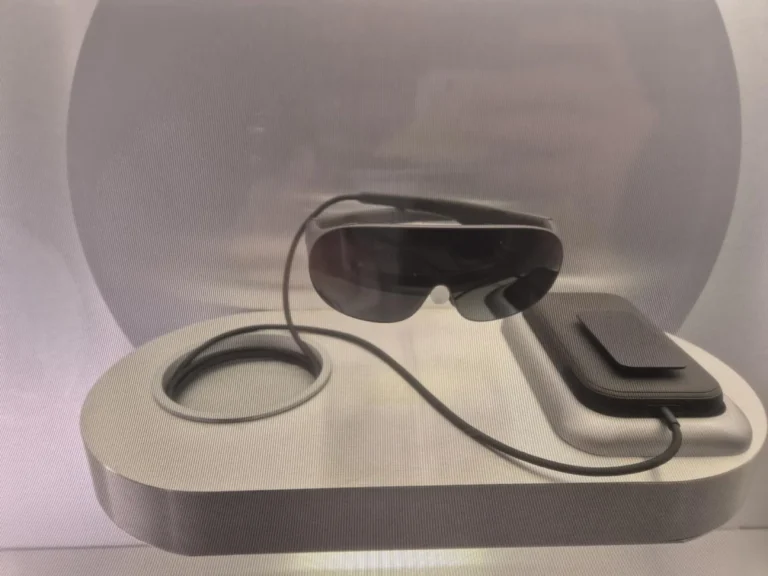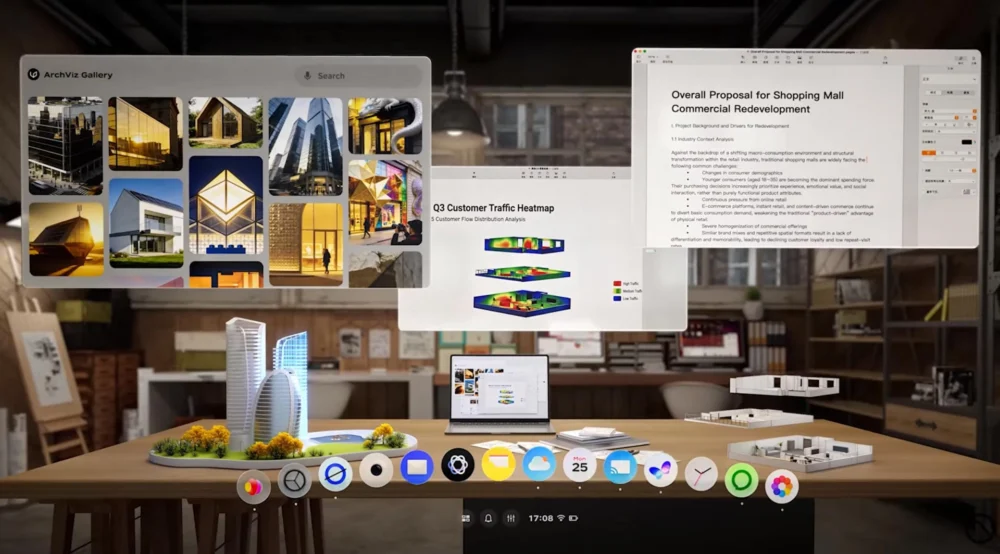
Pico Technology, the extended reality (XR) subsidiary of ByteDance, has officially signaled a strategic pivot toward high-fidelity spatial computing with the announcement of Pico OS 6 and a new flagship hardware initiative codenamed Project Swan. During a specialized developer event broadcast globally, the company detailed a comprehensive overhaul of its software ecosystem and teased technical specifications for a forthcoming headset designed to compete at the highest tier of the mixed reality (MR) market. The presentation emphasized a transition from traditional virtual reality gaming toward a multi-functional spatial computing environment, characterized by high-resolution passthrough, advanced multitasking capabilities, and a sophisticated dual-chip processing architecture.

Chronology of the Pico Developer Special Event
The announcement took place via a pre-recorded 15-minute technical briefing premiered on YouTube. Scheduled for 3:00 AM Central European Time (CET), the timing suggested a focus on the Chinese and North American markets, where ByteDance maintains significant operational interests. While the event did not include a physical hardware reveal, it provided a granular look at the underlying technologies that will define Pico’s roadmap for the 2024–2025 period.
The event followed a three-year development cycle during which Pico engineers reportedly focused on narrowing the gap between standalone mobile XR and the visual fidelity associated with tethered or high-end enterprise devices. The briefing served as a precursor to a wider rollout, with Pico inviting established development teams to participate in a "Global Early Access Program" to refine the hardware and software ahead of a public release.

Pico OS 6: A Foundation for Spatial Multitasking
The centerpiece of the software announcement was Pico OS 6, a major version upgrade built upon three core pillars: efficiency, intuition, and openness. This operating system represents Pico’s answer to the evolving demands of "spatial computing," a term increasingly used to describe XR environments that prioritize productivity and the blending of digital content with the physical world.
Efficiency and the Pico Spatial Engine
Pico OS 6 introduces the "Pico Spatial Engine," a system-level rendering architecture designed to facilitate true multitasking. Unlike previous iterations that limited users to single-app experiences, OS 6 allows for the simultaneous operation of 2D and 3D applications within a unified home space. This enables workflows such as playing a 3D tabletop game while maintaining an active web browser or video player in the peripheral vision. By moving the rendering burden to the OS level, Pico aims to provide a more stable environment for complex, multi-layered interactions.

Intuition and the Cloud Crystal Design Language
To enhance user interaction, Pico introduced "Cloud Crystal," a new design language for user interface (UI) elements. This aesthetic focuses on transparency, readability, and environmental adaptation. UI windows in OS 6 are designed to react dynamically to the lighting conditions of the user’s physical room, ensuring that text remains legible and digital objects feel grounded in reality. The system supports a hybrid interaction model, allowing users to switch seamlessly between hand tracking, eye tracking, and traditional Pico controllers.
Openness and Developer Tools
Pico emphasized its commitment to an open ecosystem by ensuring compatibility with various development frameworks. Pico OS 6 supports Progressive Web Apps (PWA), standard Android applications, and experiences built on OpenXR. For developers, the company released an updated suite of tools, including a headset emulator and specialized SDKs for Unity and Unreal Engine. Crucially, the company confirmed that all applications built for legacy Pico hardware will remain compatible with the new OS and the Project Swan headset.

Project Swan: Technical Specifications and Hardware Architecture
Project Swan represents Pico’s most ambitious hardware undertaking to date. Positioned as a direct competitor to high-end devices like the Apple Vision Pro and Meta Quest Pro, the headset focuses on three critical areas: visual clarity, mixed reality latency, and processing power.
Visual Clarity and Display Technology
Pico confirmed that Project Swan will feature dual 4K displays. The company has customized a dedicated display chip to achieve an average of 40 Pixels Per Degree (PPD), with a peak of 45 PPD in the foveated center of vision. This represents a significant leap from the industry standard of approximately 20–25 PPD found in current consumer-grade headsets. This level of density is intended to make fine text readable, a prerequisite for professional productivity and high-definition media consumption.

The Dual-Chip Processing Design
In a move that mirrors the architecture of the Apple Vision Pro, Project Swan utilizes a dual-chip configuration to balance general compute needs with specialized sensor processing:
- Flagship SoC: A next-generation processor—likely a successor to the Qualcomm Snapdragon XR2 Gen 2—tasked with running applications and high-level graphics. Pico claims this chip offers double the CPU and GPU performance of its current flagship hardware.
- Pico Silicon: A custom-designed co-processor dedicated exclusively to sensor fusion and tracking. This chip handles eye tracking, hand tracking, and environment understanding, ensuring that the primary SoC is not throttled by background telemetry tasks.
Mixed Reality Performance
The integration of custom silicon allows Project Swan to achieve an end-to-end mixed reality latency of under 12 milliseconds. This low-latency passthrough is critical for preventing motion sickness and ensuring that digital overlays remain perfectly aligned with the physical world. The headset’s spatial capabilities include semantic understanding, spatial meshing, and persistent spatial anchors, allowing the device to recognize specific objects like tables or windows and interact with them intelligently.

Supporting Data and Industry Context
The announcement of Project Swan comes at a volatile time for the XR industry. Following the launch of the Apple Vision Pro, the market has seen a distinct shift toward "prosumer" and enterprise-grade hardware. Pico’s decision to pursue a dual-chip architecture and 45 PPD displays suggests a strategic move to capture the high-end market segment that necessitates high visual fidelity for design, engineering, and simulation.
| Specification | Pico Project Swan (Teased) | Industry Standard (Current) |
|---|---|---|
| Display Resolution | Dual 4K | 2K – 2.5K per eye |
| Pixels Per Degree (PPD) | 40 (Avg) / 45 (Peak) | 20 – 25 |
| MR Latency | < 12ms | 15ms – 25ms |
| Architecture | Dual-Chip (SoC + Custom) | Single-Chip (SoC) |
Market analysts suggest that Pico’s "Global Early Access Program" is a tactical move to build a robust software library before the consumer launch. By targeting experienced development teams, Pico aims to ensure that Project Swan launches with a suite of "spatial" applications that justify its likely premium price point.

Broader Impact and Market Implications
The unveiling of Pico OS 6 and Project Swan confirms that ByteDance remains committed to the XR sector despite previous rumors of downsizing within the Pico division. By aligning its software UI and hardware capabilities with the "spatial computing" paradigm established by Apple, Pico is positioning itself as the primary Android-based alternative in the high-end MR space.
For the enterprise sector, Project Swan offers a compelling proposition. Pico has historically maintained a stronger presence in B2B (Business-to-Business) markets in Europe and Asia than its competitors. The high PPD and advanced environment understanding of the new headset are particularly suited for industrial training, medical visualization, and collaborative design.

However, challenges remain regarding the consumer market. The technical complexity of Project Swan suggests a high retail price, which may limit its appeal to prosumers and developers rather than a mass-market audience. Furthermore, Pico must compete with an increasing number of rivals, including Samsung’s upcoming XR collaboration with Google and Qualcomm, and the established dominance of Meta’s Quest ecosystem.
Pico has indicated that further details regarding Project Swan’s final branding, pricing, and specific release dates will be shared later this year. The company is expected to demonstrate the new OS 6 features and developer tools at upcoming industry conferences, including the Game Developers Conference (GDC). As the XR landscape continues to mature, Pico’s success will likely depend on its ability to foster a developer ecosystem that can effectively utilize the high-performance overhead provided by the Project Swan architecture.
About the Author