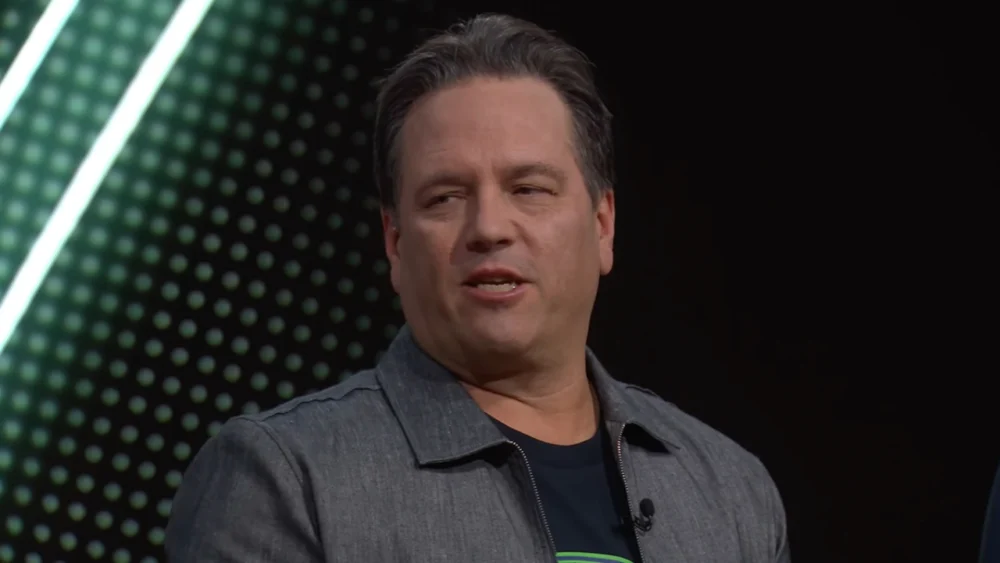
A seismic shift in the leadership of Microsoft Gaming has been confirmed, with industry veteran Phil Spencer retiring from his role as CEO of Microsoft Gaming after a storied tenure that saw the Xbox brand redefine its strategy and market presence. Concurrently, Sarah Bond, President of Xbox, has resigned from the company. Filling Spencer’s formidable shoes will be Asha Sharma, currently the President of Microsoft CoreAI, signaling a significant strategic pivot for the gaming division. Adding to the executive shake-up, Matt Booty, previously head of Xbox Game Studios, has been promoted to the newly created position of Chief Content Officer.
The news, which initially filtered through internal communications to Microsoft employees, including letters from Spencer, Sharma, and Microsoft CEO Satya Nadella, has now been publicly confirmed by Spencer himself. His social media posts underscored a career spanning 38 years at Microsoft, culminating in his decision to retire and embark on a new chapter. This executive realignment marks a pivotal moment for Xbox, occurring at a time when the gaming industry is navigating rapid technological advancements, evolving business models, and an increasingly competitive landscape.
Phil Spencer’s Departure: An End of an Era
Phil Spencer’s retirement concludes a transformative period for Xbox. Joining Microsoft in 1988 as an intern, Spencer rose through the ranks, eventually taking the helm of the Xbox division in 2014. His leadership is widely credited with revitalizing the brand, which had faced significant challenges in the early 2010s. Under his guidance, Xbox shifted its focus from a console-centric strategy to a broader ecosystem approach, emphasizing player choice, accessibility, and a robust content pipeline.
Key achievements during Spencer’s tenure include the conceptualization and successful launch of Xbox Game Pass, a subscription service often dubbed the "Netflix of gaming," which has amassed tens of millions of subscribers and fundamentally altered how many consumers access and play games. Game Pass became a cornerstone of Microsoft’s gaming strategy, driving engagement across consoles, PC, and cloud platforms. Furthermore, Spencer championed a strategy of aggressive studio acquisitions, notably bringing Bethesda Softworks (Zenimax Media) into the Microsoft fold in 2021 for $7.5 billion, and orchestrating the monumental $69 billion acquisition of Activision Blizzard King, which finalized in 2023. These moves dramatically expanded Microsoft’s first-party content portfolio, bringing iconic franchises like Doom, Fallout, Call of Duty, Warcraft, and Candy Crush under the Xbox banner.
Spencer also spearheaded initiatives to bridge the gap between console and PC gaming, enhancing cross-play and cross-progression capabilities, and pushing for cloud gaming through Xbox Cloud Gaming. His emphasis on fostering a more inclusive and diverse gaming community, both internally and externally, also marked a significant cultural shift for the brand. In his exit note to employees, Spencer expressed deep gratitude for his journey and confidence in the future of Xbox under new leadership, particularly praising Asha Sharma. "It’s rare in life to know when a chapter is closing, but after 38 years at Microsoft, that moment has arrived for me," Spencer wrote, reflecting on his long career. "I’ve made the decision to retire and begin the next chapter of my life." He added, "Watching [Sharma] lean in with curiosity and a real desire to strengthen the foundation we’ve built gives me confidence that our Xbox communities will be well supported in the years ahead."
Asha Sharma: A New Vision for Xbox Rooted in AI and Artistic Integrity
The appointment of Asha Sharma as the new head of Xbox represents a significant directional shift, particularly given her background as President of Microsoft CoreAI. Sharma’s professional trajectory at Microsoft has been marked by leadership roles in high-growth, technically complex areas, positioning her as a figure capable of steering Xbox through its next phase of innovation. Her previous experience includes critical roles in AI development and integration across Microsoft’s diverse product portfolio, providing her with a unique perspective on the intersection of technology and user experience.
In her inaugural message to employees, Sharma outlined three core commitments: "great games," "the return of Xbox," and "the future of play." Perhaps most notably, Sharma directly addressed the burgeoning debate around artificial intelligence in creative industries, particularly within gaming. She unequivocally stated her stance against "AI slop," a derogatory term for low-quality, often uninspired, AI-generated content. "To meet the moment, we will invent new business models and new ways to play by leaning into what we already have: iconic teams, characters, and worlds that people love," Sharma articulated. "But we will not treat those worlds as static IP to milk and monetize. We will build a shared platform and tools that empower developers and players to create and share their own stories."
Her declaration continued: "As monetization and AI evolve and influence this future, we will not chase short-term efficiency or flood our ecosystem with soulless AI slop. Games are and always will be art, crafted by humans, and created with the most innovative technology provided by us." This strong position is particularly salient given her AI background, suggesting a nuanced approach where AI is seen as an enabling technology for human creativity rather than a replacement. Industry analysts will be closely watching how Sharma balances the integration of AI capabilities, which Microsoft is heavily investing in across all its divisions, with her stated commitment to artistic integrity and high-quality, human-crafted gaming experiences. Her vision suggests a future where AI enhances development tools and player experiences without compromising the fundamental artistic value of games.
Sarah Bond’s Resignation and Matt Booty’s Elevated Role
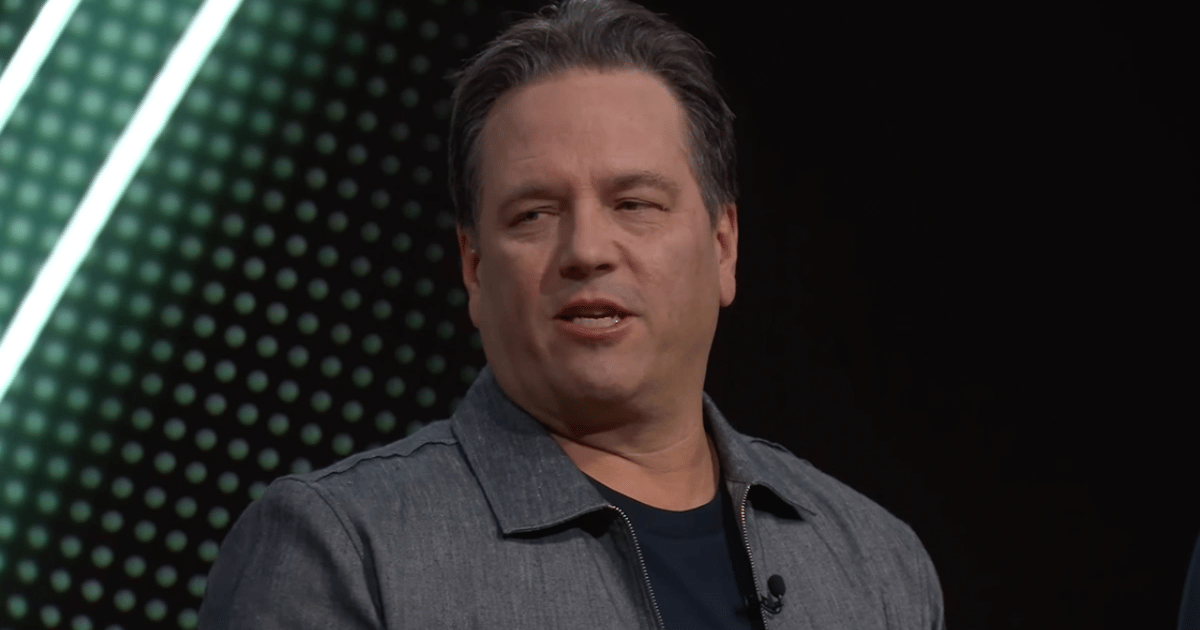
Accompanying Spencer’s retirement is the resignation of Sarah Bond, who served as President of Xbox. Bond was a prominent figure in the Xbox leadership team, instrumental in driving the growth of Xbox Game Pass, expanding cloud gaming initiatives, and fostering a more inclusive gaming environment. Spencer, in his exit note, praised Bond’s contributions, stating she was "instrumental" during a "defining" period of Xbox history. The absence of a personal message from Bond in the widely circulated internal email has been noted, though the reasons for her departure remain undisclosed. Her exit leaves another significant void in the senior leadership structure, further emphasizing the scale of this executive overhaul.
Meanwhile, Matt Booty, who previously led Xbox Game Studios, has been promoted to Chief Content Officer. This new role underscores Microsoft’s continued commitment to first-party game development and content strategy. Booty’s tenure at Xbox Game Studios saw the release of several highly anticipated titles and the integration of numerous acquired studios. In his new capacity, Booty will likely oversee the creative direction and production pipelines for all of Microsoft’s first-party content, working closely with Sharma to define the next generation of Xbox games and experiences. His promotion signals a focus on strengthening the internal content creation engine, crucial for Game Pass and Xbox’s overall platform strategy.
Broader Implications and Industry Context
This leadership transition occurs during a period of intense transformation within the gaming industry. The market is witnessing increased consolidation, a continued shift towards subscription-based services, and the burgeoning integration of artificial intelligence across various facets of game development and player experience. Microsoft, with its vast resources and recent acquisitions, is uniquely positioned to influence these trends.
Spencer’s strategic decisions, particularly the emphasis on Game Pass and cloud gaming, have positioned Xbox as a service-driven platform that transcends traditional console cycles. While Xbox console sales have often lagged behind competitors like PlayStation, Microsoft’s focus has increasingly been on ecosystem growth and recurring revenue streams through Game Pass subscriptions and digital content sales. As of early 2024, Game Pass subscriber numbers were estimated to be well over 30 million, a testament to its success as a cornerstone strategy.
Asha Sharma’s arrival, with her deep expertise in AI, suggests that Microsoft intends to leverage its AI capabilities more extensively within its gaming division. Her explicit rejection of "AI slop" while embracing AI as an enabling technology indicates a thoughtful, strategic approach rather than a wholesale adoption of AI-generated content. This stance could reassure developers and players who are wary of generative AI’s impact on creative integrity and job security within the industry. It also sets a potential precedent for how major publishers might navigate the ethical and artistic challenges posed by AI.
The new leadership team will face immediate challenges and opportunities. Integrating Activision Blizzard King’s vast portfolio and talent into the Xbox ecosystem remains a complex task. Navigating the competitive console market, continuing to grow Game Pass, and delivering a consistent pipeline of high-quality first-party games will be paramount. Furthermore, the "return of Xbox" commitment from Sharma could imply a renewed focus on recapturing market share or reasserting the brand’s unique identity in a crowded entertainment landscape.
Microsoft CEO Satya Nadella’s letter, obtained by news outlets, acknowledged Spencer’s contributions, thanking him for his "hard work" and vision. Nadella’s continued confidence in the gaming division, despite these significant leadership changes, underscores the strategic importance of Xbox to Microsoft’s broader ambitions in cloud computing, AI, and consumer engagement.
The full details of the internal email and Spencer’s public confirmation, including his poignant reflection on his nearly four decades at Microsoft, were first brought to broader attention through outlets and social media, notably by Wario64 on Bluesky and Spencer’s own posts. These communications provide a clear timeline of the transition, confirming the immediate nature of Spencer’s retirement and the swift succession plan.
As Microsoft Gaming enters this new chapter, the industry will be watching closely to see how Asha Sharma, Matt Booty, and the rest of the leadership team build upon Spencer’s legacy, innovate with AI responsibly, and shape the future of Xbox in an ever-evolving digital world. The emphasis on human artistry combined with cutting-edge technology signals a potentially exciting, yet carefully managed, evolution for one of the industry’s most prominent players.
About the Author