The global extended reality (XR) industry has recently been characterized by intense speculation regarding the future of HTC Vive, a brand that once stood as the primary competitor in the high-end virtual reality (VR) market. While industry observers have noted a deceleration in the company’s consumer-facing hardware releases, official communications and recent strategic maneuvers indicate that HTC is not withdrawing from the sector, but is instead undergoing a significant pivot. This transition moves the company away from a hardware-centric consumer model toward a diversified ecosystem encompassing enterprise AI, 5G infrastructure, location-based entertainment (LBE), and a software-driven metaverse platform.
The Context of Market Speculation and Historical Background
The narrative that HTC Vive might be "exiting" the VR space stems from several visible factors, including a perceived silence regarding the successor to the Vive Focus series and a historical reduction in the company’s overall smartphone and consumer electronics footprint. To understand the current climate, one must look back at the 2017 agreement in which Google acquired a significant portion of HTC’s smartphone engineering team for $1.1 billion. While that deal was specific to the Pixel smartphone line, it created a lasting public perception of a company in contraction.
In the years following, HTC redirected its focus toward the Vive brand, initially finding massive success with the original Vive, developed in partnership with Valve. However, as Meta (formerly Facebook) began subsidizing hardware to capture the consumer market with the Quest series, HTC strategically retreated toward the enterprise (B2B) and high-end professional (prosumer) segments. The recent lack of a "Vive Focus 4" or "Vive Pro 3" announcement has reignited rumors of a total exit, yet the company’s internal roadmap suggests a more nuanced evolution.

Official Response and Strategic Vision
In response to inquiries regarding its long-term viability, HTC representatives have reaffirmed a commitment to the immersive technology sector. The company maintains that its business model is no longer tethered exclusively to the frequency of headset launches. Instead, HTC is operating across multiple business units that address different layers of the XR stack.
A spokesperson for the company stated that HTC continues to see a "bright future" for XR, emphasizing that the organization is exploring various technologies that converge to create a holistic immersive experience. This vision prioritizes the development of lightweight form factors and the integration of artificial intelligence, rather than the bulky, tethered hardware that defined the first decade of modern VR.
The Rise of Vive Eagle and the AI Integration
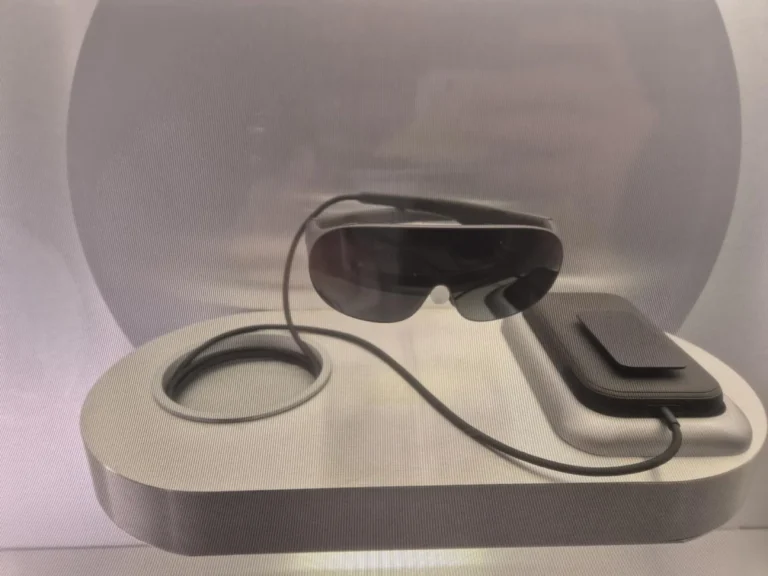
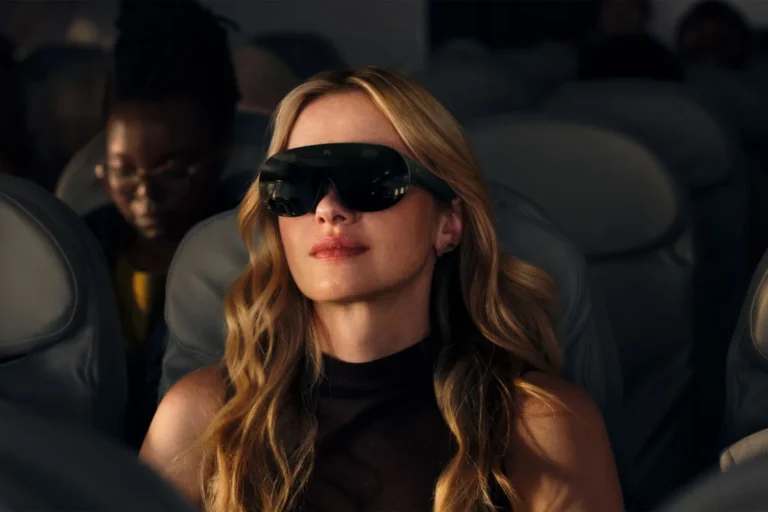
A primary pillar of HTC’s current strategy is the Vive Eagle smartglasses. Unlike the consumer-focused Meta Ray-Bans, which are designed for social media integration and general consumer AI, Vive Eagle is positioned as a sophisticated tool for the enterprise sector.
The glasses are designed to connect users with Large Language Models (LLMs), but with a critical distinction: they allow organizations to utilize on-premise LLMs. This feature addresses a major hurdle in corporate AI adoption—data privacy. By allowing a custom LLM to run on a company’s private servers, HTC ensures that proprietary data is not fed into public models like Gemini or Meta AI. This focus on the B2B sector highlights HTC’s understanding of the professional market’s need for security and customization. Furthermore, the company has indicated that Vive Eagle is a stepping stone toward a future where AR and VR devices converge into a singular, lightweight pair of glasses.

Infrastructure and the Role of 5G Connectivity
HTC’s G-REIGNs division represents another critical, yet often overlooked, component of its XR strategy. The company has identified 5G and high-capacity Wi-Fi as the essential "backbone" for the next generation of wearable tech.
The technical logic behind this investment is the offloading of computational tasks. By utilizing 5G to handle heavy processing on edge servers or in the cloud, the physical device worn by the user can be miniaturized. This reduces heat, weight, and battery consumption, moving the industry closer to the goal of all-day wearable XR. HTC’s active deployments of private 5G networks across various industries demonstrate that they are building the infrastructure necessary to support their future hardware, even if that hardware has not yet been publicly unveiled.
Dominance in Location-Based Entertainment (LBE)
While the home consumer market remains highly competitive, HTC Vive has maintained a dominant position in the Location-Based Entertainment (LBE) sector. This includes VR arcades, museum installations, and large-scale historical simulations.
Recent successes include:

- La Magie Opéra: A collaborative project with the Paris Opera that received the "Best Visual Experience" award at the XR Awards.
- Playing With Fire: An immersive experience at the Paris Philharmonie.
- Excurio Partnerships: HTC continues to support partners like Excurio, which has seen record-breaking ticket sales for its "Expeditions Immersive" series.
To support this growth, HTC has shifted its focus to software optimization. Recent updates have introduced features such as an "optimized wheelchair mode," reflecting a commitment to accessibility in public XR spaces. This focus on the "out-of-home" experience provides HTC with a steady revenue stream and a testing ground for high-end hardware performance.
Financial Commitments and the Viverse Ecosystem
Financial indicators further refute the notion of a company in terminal decline. HTC Vive recently served as the lead investor in a $6 million funding round for Atlas V, a premier creative studio in the XR space. Such investments suggest that HTC is actively cultivating a content ecosystem that will support its platforms for years to come.
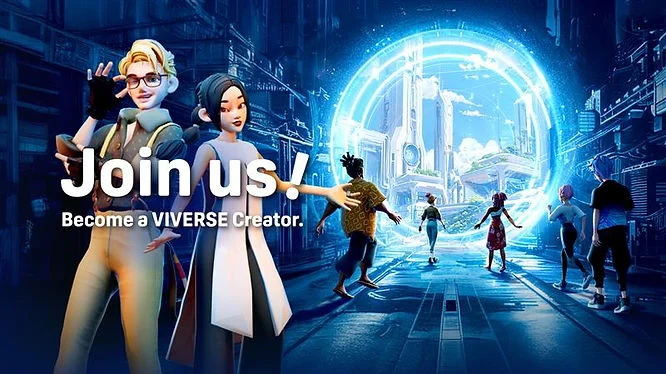
Simultaneously, the company is aggressively developing Viverse, its open metaverse platform. Viverse has recently undergone significant structural changes, including:
- Monetization Shifts: Moving away from traditional ad-based revenue toward a model that rewards creators based on content views.
- Platform Expansion: Integrating video hosting and third-party application support.
- LBE Integration: Porting successful physical installations, such as "Versailles: Lost Gardens of the Sun King," into the digital Viverse environment to allow for remote access.
Analysis of Future Hardware Prospects
The most significant point of contention remains the future of dedicated VR headsets. When questioned about the development of a "Focus 4" or "Pro 3," HTC has remained non-committal. In the world of corporate communications, a lack of a definitive "yes" regarding specific hardware often indicates a strategic shift.

Market analysts suggest that HTC is likely moving away from the "bulky HMD" (Head-Mounted Display) category to avoid direct price wars with Meta and Apple. The emphasis on "convergence" and "lightweight glasses" suggests that HTC’s next major hardware reveal may not be a traditional VR headset at all, but a sophisticated AR/XR hybrid glass. By maintaining their current lineup—the Vive XR Elite and Vive Focus Vision—they can service existing enterprise clients while focusing their R&D on the next generation of "always-on" wearables.
Broader Industry Implications
The trajectory of HTC Vive mirrors a broader trend in the XR industry. As the initial hype of the "Metaverse" cools, companies are finding that sustainable growth lies in specialized applications rather than broad consumer appeal. HTC’s pivot toward 5G, enterprise AI, and LBE positions it as a specialized provider for industries that require high security and robust infrastructure.
In conclusion, while the "Vive" of 2016—a consumer-focused VR pioneer—may have changed, the HTC Vive business unit remains a multi-faceted player in the immersive tech landscape. The company is betting on a future where XR is defined by connectivity and software rather than just the raw specifications of a headset. For stakeholders and users, this means that while a new VR headset may not be imminent, the company’s influence on the underlying technologies of the XR industry remains significant.
About the Author