South Korean gaming giant Krafton, renowned for its global hits Subnautica and PUBG: Battlegrounds, has announced a substantial strategic investment of approximately $1 billion into Hanwha Aerospace, a prominent multinational conglomerate with significant stakes in defense, aerospace, and cutting-edge technology. This monumental financial commitment, formalized through a Memorandum of Understanding (MoU) signed on March 13, 2026, signals Krafton’s aggressive expansion into the burgeoning fields of global artificial intelligence (AI), advanced robotics, and defense technology, leveraging its core strengths in virtual world development and data management.
The alliance is set to channel Krafton’s investment into a fund established by Hanwha Asset Management, specifically earmarked for initiatives spanning AI, robotics, and defense. This move represents a pivotal moment for both companies, forging a collaborative pathway to develop and commercialize advanced technologies across various sectors, with a notable emphasis on defense applications. The partnership underscores a broader strategic effort by Krafton to diversify its portfolio and capitalize on the rapidly evolving landscape of "physical AI"—intelligent systems designed to interact with and operate within the real world.
A Billion-Dollar Bet on Physical AI and Defense
The $1 billion investment target underscores the ambition of this strategic alliance. Krafton, a company built on intricate virtual worlds and massive multiplayer online experiences, sees its extensive experience in operating large-scale game data and physics-based virtual environments as a crucial asset. These capabilities are envisioned to serve as core assets for training and verifying physical AI software, bridging the gap between simulated reality and real-world application. The gaming industry, with its sophisticated physics engines, realistic simulations, and capacity for generating vast datasets from player interactions, offers an unconventional yet potent training ground for AI systems that need to understand and navigate complex physical environments.
For Krafton, this venture is not merely a financial investment but a deep strategic pivot. The company has previously articulated its vision for AI, including the potential to birth humanoid robots, hinting at a future where its technological expertise extends far beyond entertainment. This partnership with Hanwha Aerospace, a leader in hardware and complex systems, provides the perfect complement to Krafton’s software and data-centric capabilities, potentially accelerating the development of next-generation autonomous systems and robotic platforms. The joint venture planned by both companies aims to streamline the progression of joint development outcomes, from initial implementation through to large-scale commercialization, indicating a long-term, integrated approach rather than a mere financial transaction.
Hanwha Aerospace: A Defense Titan’s Leap into Advanced AI
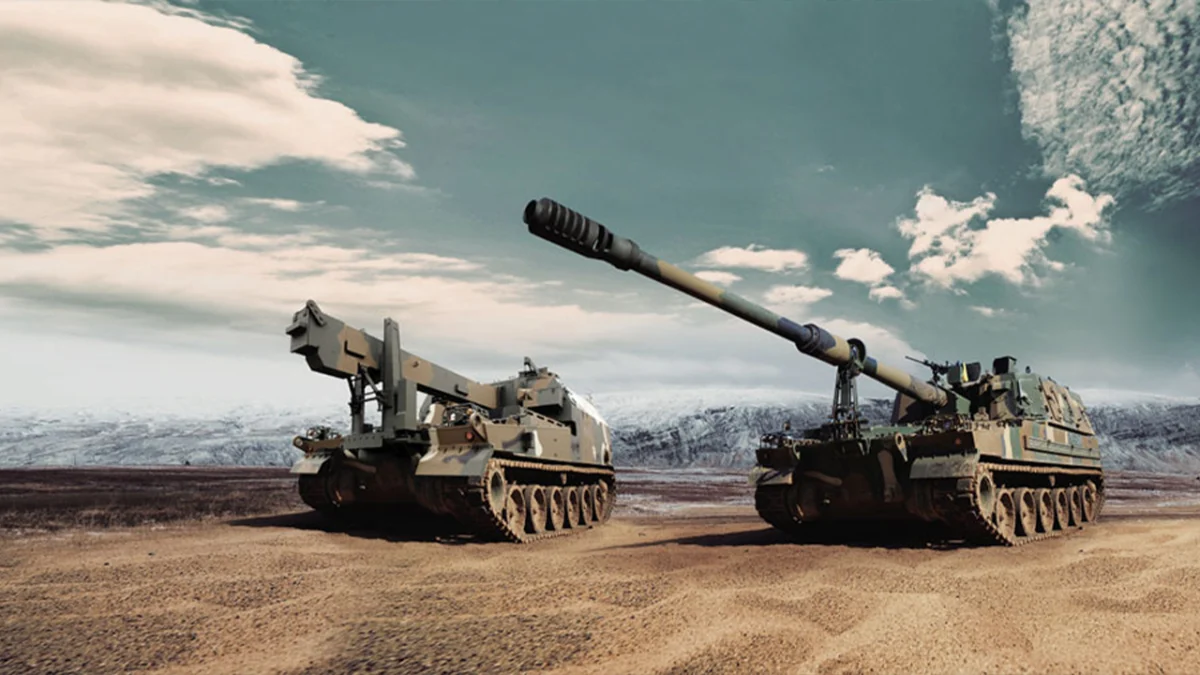
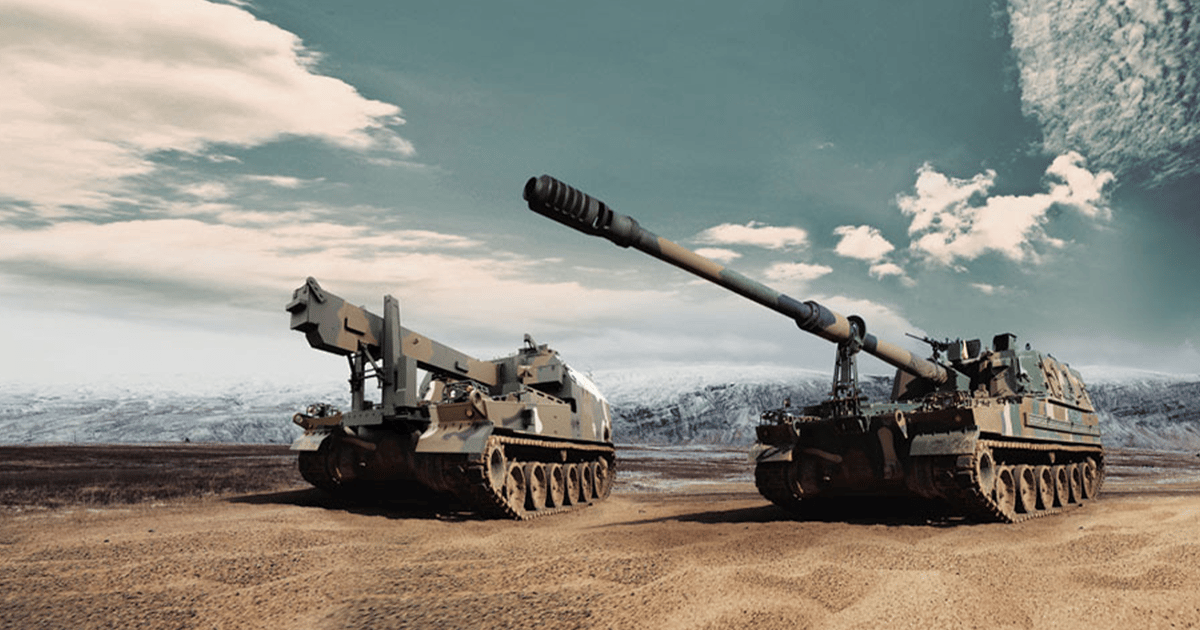
Hanwha Aerospace, a key subsidiary of the Hanwha Group, stands as a formidable player in the global defense and aerospace sectors. The company’s diverse portfolio includes the development and financing of advanced defense systems across land, air, sea, cyber, and space domains. Its impressive lineup features critical technologies such as the K9 self-propelled howitzer, celebrated for its precision-guided munitions and multiple rocket launchers, demonstrating Hanwha’s prowess in advanced military hardware.
Beyond traditional defense systems, Hanwha has been proactively expanding its global footprint and technological capabilities. In 2024, the company achieved a significant milestone by becoming the first Korean entity to secure and execute maintenance, repair, and overhaul (MRO) projects for the U.S. Navy. This included servicing logistics support vessels like the USNS Wally Schirra, a testament to its operational excellence and adherence to stringent international standards. This track record of reliability and innovation positions Hanwha Aerospace as an ideal partner for a venture into the high-stakes world of AI and robotics in defense.
Jae-il Son, President and CEO of Hanwha Aerospace, emphasized the transformative potential of this partnership. He stated that the collaboration with Krafton is expected to deliver a "new paradigm standard in areas of physical AI and future defense." This vision aligns with Hanwha’s ambition to not only maintain its leading position in conventional defense but also to emerge as a global leader in advanced defense technology, drawing a notable comparison to Anduril. Anduril, the U.S. military contractor established by Oculus founder Palmer Luckey, has pioneered the integration of AI and software into defense systems, showcasing how tech-forward approaches can disrupt traditional defense industries. Hanwha’s aspiration to emulate or even surpass such innovators highlights the strategic importance of this alliance with Krafton.
The Broader Landscape: Convergence of Gaming, AI, and Military Technology
The convergence of the gaming industry’s technological advancements with the demands of defense and aerospace is not an entirely new phenomenon but is rapidly gaining momentum. Gaming engines, particularly those used for realistic simulations and virtual training environments, have long found applications in military training and scenario planning. However, this partnership between Krafton and Hanwha Aerospace represents a deeper integration, where the underlying data and AI methodologies developed in gaming are directly applied to real-world physical AI systems, including those with defense implications.
The global AI market is projected to reach trillions of dollars in the coming decade, with significant growth in sub-sectors like robotics and autonomous systems. The defense sector, driven by geopolitical tensions and the constant pursuit of technological superiority, is a major investor in these areas. Autonomous drones, AI-powered surveillance, predictive maintenance, and robotic ground vehicles are just a few examples of how AI and robotics are transforming modern warfare and defense logistics. By combining Krafton’s expertise in creating and managing complex virtual environments that simulate physics with Hanwha’s robust engineering and manufacturing capabilities in defense hardware, the alliance is strategically positioned to capture a significant share of this evolving market.
South Korea itself has emerged as a global leader in both gaming and advanced technology. Its vibrant tech ecosystem, coupled with a strong emphasis on research and development, provides fertile ground for such cross-industry collaborations. The government has actively promoted investment in AI, robotics, and defense as key pillars of future economic growth and national security. This partnership can be seen as a direct reflection of these national strategic priorities, potentially bolstering South Korea’s standing as an innovator in these critical fields.
Market Implications and Future Trajectories
For Krafton, this investment represents a significant diversification strategy. While the gaming market remains robust, companies are increasingly looking to leverage their core technological assets in new, high-growth sectors. The potential for new revenue streams from physical AI and defense applications could provide a more stable and high-margin business alongside the often-volatile gaming industry. Furthermore, by positioning itself at the forefront of AI development, Krafton enhances its long-term strategic value and technological prowess. This move is not without its challenges; entering the highly regulated and complex defense sector requires navigating intricate legal frameworks, ethical considerations, and geopolitical sensitivities. However, partnering with an established defense player like Hanwha Aerospace mitigates some of these risks.
For Hanwha Aerospace, the partnership with Krafton could be a game-changer. Access to Krafton’s advanced AI algorithms, data processing capabilities, and virtual simulation expertise could dramatically accelerate its R&D cycles for autonomous systems. The ability to quickly train and validate AI models in sophisticated virtual environments before deployment in physical prototypes can significantly reduce development costs and time. This strategic injection of AI expertise could cement Hanwha’s position as a leader in next-generation defense technologies, enhancing its competitive edge against global rivals. The comparison to Anduril is particularly telling; it signals an intent to move beyond traditional hardware manufacturing towards a model that deeply integrates software, AI, and data analytics into its core product offerings.
The establishment of a joint venture for commercialization further solidifies the long-term nature of this alliance. This structure allows both companies to pool resources, share risks, and collectively bring innovations to market, ensuring that the collaborative development efforts translate into tangible products and services. The focus on both defense and broader AI/robotics initiatives suggests a dual-use technology strategy, where advancements made for military applications could also find civilian uses, opening up even wider market opportunities.
Recent Corporate Developments and Strategic Alignment
This strategic announcement comes at a dynamic period for Krafton. Just days after signing the MoU with Hanwha on March 13, the company faced a high-profile legal setback. Krafton lost a legal dispute with the co-founders of Unknown Worlds, the studio behind Subnautica, resulting in an order to reinstate the ousted CEO. While seemingly unrelated to the Hanwha deal, this event highlights the multifaceted operational challenges and legal complexities that large corporations like Krafton navigate. Despite such internal and external pressures, the company’s commitment to a multi-billion dollar strategic investment underscores its confidence in its long-term vision and its strategic diversification efforts.
Krafton has consistently demonstrated strong financial performance, delivering record annual revenues in previous periods, which provides the financial muscle for such significant investments. Its ongoing commitment to innovation, coupled with a strategic vision for AI beyond gaming, positions it as a company actively shaping its future trajectory in a rapidly evolving technological landscape.
In conclusion, Krafton’s $1 billion investment in Hanwha Aerospace marks a profound strategic alliance with far-reaching implications. It signals a bold move by a gaming powerhouse into the high-stakes arena of physical AI, robotics, and defense, driven by a clear vision to leverage its unique technological strengths. For Hanwha Aerospace, it offers an accelerated path to integrate cutting-edge AI into its defense and aerospace offerings, positioning it as a frontrunner in future defense technology. This partnership represents a significant development in the convergence of diverse technological sectors, with the potential to redefine innovation and market leadership in both South Korea and on the global stage.
About the Author