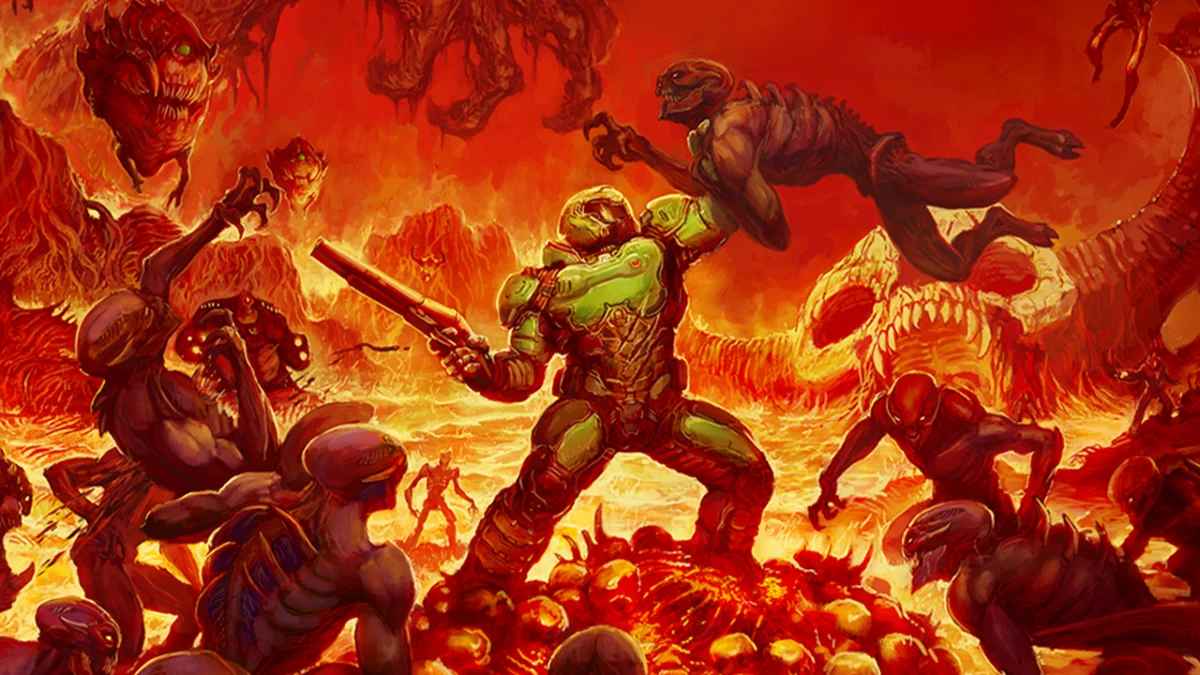
During a recent livestream event to commemorate the launch of Doom: The Dark Ages expansion, Revelations, Hugo Martin, co-director at id Software, vehemently denied reports suggesting the venerable studio had been critically diminished following the latest wave of mass layoffs at Xbox. Martin’s assertion, made public as the gaming community celebrated new Doom content, has ignited a fierce debate and drawn sharp rebuttals from current and former employees, who contend that the director’s statements misrepresent the severe impact of recent corporate restructuring.
The Official Stance vs. Internal Dissent
Speaking to fans during the Revelations launch event, Martin directly addressed what he characterized as misleading narratives regarding id Software’s operational capacity. "There’s been reports that we’ve been nerfed into the ground and gutted and we have 50 people, and that’s not true," Martin stated, a quote widely circulated after being reported by Eurogamer. He continued, aiming to reassure the audience, "We’re the size we were when we made Doom (2016) and id Tech is very much alive and well." This statement was intended to project an image of stability and continuity for one of the gaming industry’s most iconic developers.
However, the official narrative quickly unraveled as anonymous sources, including both current and recently laid-off id Software personnel, began to challenge Martin’s claims. These individuals, speaking to Game Developer, painted a starkly different picture, arguing that while the raw headcount might superficially align with the Doom (2016) era, the qualitative impact of the layoffs on talent, experience, and institutional knowledge has been devastating. The core of their argument is that a simple numerical comparison fails to capture the intricate dynamics of a creative development team and the irreplaceable value of long-serving, multi-skilled individuals.
The Shadow of Mass Layoffs at Xbox
Martin’s rebuttal comes against a grim backdrop of widespread job cuts across Microsoft’s Xbox division. Earlier in the year, Microsoft announced plans to eliminate approximately 3,200 roles within Xbox Game Studios and ZeniMax Media before the close of the current fiscal year. This sweeping reorganization, impacting various teams and studios, was a significant event in an industry already grappling with a volatile economic climate and a trend of corporate consolidation followed by workforce reductions.
Specifically, a Worker Adjustment and Retraining Notification (WARN) notice revealed that 136 individuals assigned to id Software’s Texas office, including 40 remote workers, were among those affected. These numbers represent a substantial portion of the studio’s total workforce, triggering concerns about the long-term viability and creative output of id Software. The layoffs at id Software were not isolated; other notable studios such as Double Fine Productions, Compulsion Games, Ninja Theory, and Undead Labs were also reportedly impacted, with some facing severe cutbacks or even the cessation of specific projects. The sheer scale of these redundancies has led to widespread criticism from industry observers and, notably, legal action from unions who allege that Microsoft mishandled the layoff process.
The Doom (2016) Comparison: A Deeper Look
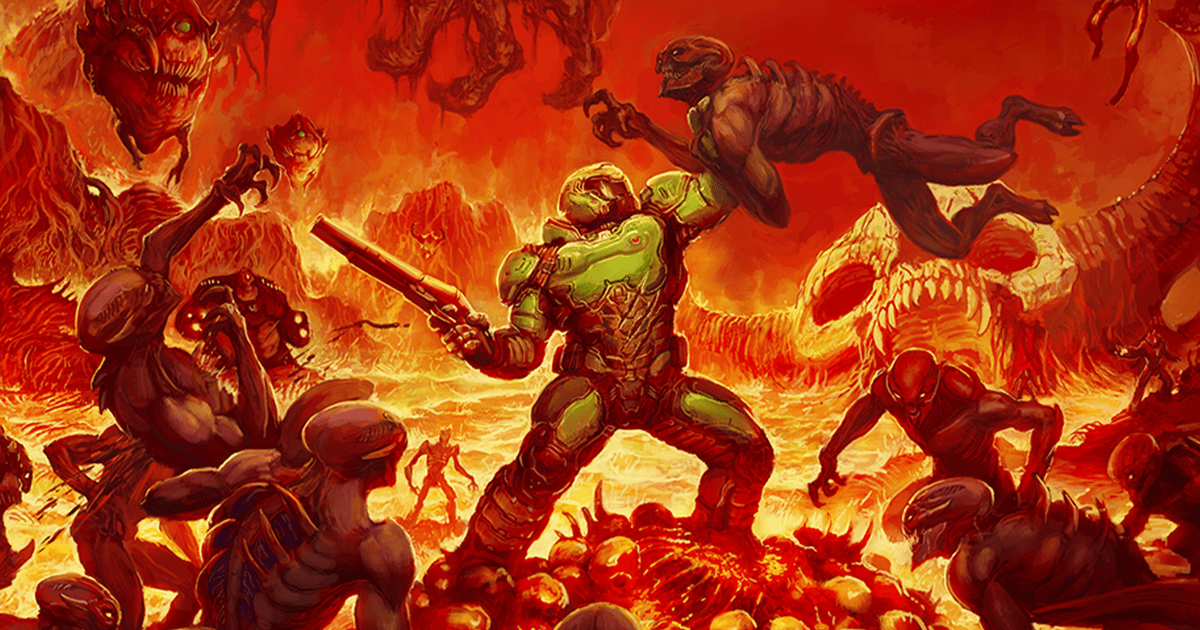
The crux of the contention lies in Martin’s specific comparison to id Software’s state during the development of Doom (2016). While a simple headcount might technically align, current and former employees highlight the crucial qualitative differences that make such a comparison misleading. The development of Doom (2016) itself was famously arduous and protracted, spanning approximately seven years. This period included a significant reboot of the ill-fated Doom 4 project, which saw the studio in what one former employee described as an "awful spot."
During this challenging phase, from roughly 2010 to 2011, id Software experienced a "massive turnover and exodus" of talent. To recover and bring Doom (2016) to fruition, the studio undertook an aggressive hiring spree between 2013 and 2014, significantly bolstering its internal team. This included a pivotal moment where a substantial portion of Crytek’s engine team was reportedly brought in, a move described as a "small miracle" that injected critical expertise into the id Tech engine’s evolution.
Furthermore, the development of Doom (2016) relied heavily on external support. Escalation Studios, which was later acquired by Bethesda and rebranded as Bethesda Dallas, provided crucial assistance. Additionally, Certain Affinity, a well-regarded independent studio, contributed significantly, engaging around 140 developers at the time to support the project. This multifaceted approach, combining a revitalized internal team with substantial external contractor support, defined the Doom (2016) development landscape.
Employees argue that the current id Software, stripped of 136 individuals, lacks the robust internal and external support system that characterized the Doom (2016) era. While the internal headcount might numerically approach a certain point in Doom (2016)’s development cycle, it completely overlooks the context of a team that had undergone a massive rebuild and was heavily augmented by external partners. The comparison, therefore, is seen as a disingenuous attempt to downplay the severity of the recent cuts by ignoring the quality, specific skill sets, and accumulated experience that have been lost.
The Human Toll: "Half Thrown Away"
The emotional and professional impact of these layoffs on the remaining and departed staff is palpable. Anonymous sources, who spoke on condition of anonymity due to fear of professional repercussions, expressed profound disappointment and anger at Martin’s statement. One current id Software employee articulated the sentiment powerfully: "I don’t agree with Hugo’s statement and many who were laid off were upset by those comments and saw it as viewing their contributions as insignificant to the success of our games. I’ve been a gamer my whole life. If you cut a stat in half everyone would call that nerfed. In truth the Doom team is half here, half thrown away."
This statement underscores the feeling that the contributions of the laid-off employees, many of whom were "multiple hat" developers integral to various aspects of game creation, are being devalued. The term "nerfed" – a gaming term for reducing the power or effectiveness of something – succinctly captures the perceived diminishment of the studio’s capabilities. Reports indicate that around two-thirds of the individuals who worked on Doom (2016) and were still with id Software were among those laid off at the beginning of the month. This disproportionate impact on long-serving, experienced personnel represents a significant loss of institutional knowledge.
Adding to the bitterness, some of those impacted by the cuts were individuals who had endured the "brutal" development of Doom (2016), putting in an "unsafe number of hours" to ensure its completion and critical success. Their dedication, often involving significant personal sacrifice, now feels unrewarded and, in some cases, betrayed, as their roles were eliminated despite their historical contributions to the studio’s most celebrated modern title.
Implications for id Software’s Future and Xbox Game Studios
The extensive layoffs at id Software raise serious questions about the studio’s capacity to continue delivering high-quality, genre-defining titles like Doom. The loss of seasoned talent, including those with deep expertise in the proprietary id Tech engine, could significantly impede future development cycles. Game development is an intricate process that relies heavily on accumulated experience, established workflows, and cohesive team dynamics. Disrupting this ecosystem by removing a substantial portion of the workforce can lead to delays, increased development costs, and a potential dip in creative output.
The situation at id Software mirrors broader concerns across Xbox Game Studios. Many laid-off developers from other Xbox-owned studios have publicly, albeit anonymously, condemned Microsoft’s approach, describing the cuts as "needlessly brutal and self-defeating." These individuals argue that such sweeping reductions in force, particularly the loss of institutional knowledge, will cripple the ability of key studios to achieve the success demanded by an ailing Xbox Game Studios. The ability to innovate, maintain a consistent release schedule, and compete effectively in a fierce market could be severely compromised. The ripple effect of diminished morale among remaining employees, coupled with increased workloads and the uncertainty of future job security, further complicates the path forward for these studios.
Broader Industry Repercussions and the Labor Landscape
The events at id Software and across Xbox Game Studios are not isolated incidents but rather symptomatic of a larger trend gripping the video game industry. Despite record profits reported by many parent companies, the past few years have seen an unprecedented wave of layoffs, impacting thousands of developers globally. This trend has fueled a growing movement towards unionization within the gaming sector, with employees seeking greater job security, fair compensation, and a stronger voice in corporate decisions. The legal actions taken by unions against Microsoft for alleged mishandling of layoffs underscore this escalating tension between corporate interests and employee welfare.
For Microsoft, these layoffs represent a strategic gamble. While intended to streamline operations and cut costs, they risk alienating talent, damaging brand reputation, and potentially compromising the very creative pipelines that drive the value of their acquisitions. The company has remained largely silent on the specific impacts on individual studios, typically issuing broad statements about "difficult decisions" aimed at ensuring "long-term health." However, as evidenced by the strong reactions from id Software employees, these corporate pronouncements often fail to resonate with those directly affected by such restructuring. The challenge for Microsoft will be to demonstrate that these cuts, despite their immediate human cost, genuinely lead to a more sustainable and creatively vibrant Xbox ecosystem in the long run.
Conclusion
The conflicting narratives surrounding id Software’s post-layoff health highlight a critical disconnect between corporate assurances and the realities experienced by developers on the ground. While co-director Hugo Martin seeks to project an image of continuity and strength, the voices of current and former employees paint a picture of a studio grappling with significant loss and an uncertain future. The comparison to the Doom (2016) era, while numerically plausible at a glance, is deemed by many as a simplification that ignores the complex history and human capital dynamics that truly define a game development studio. As the gaming industry continues to navigate a period of intense change and consolidation, the fate of iconic studios like id Software will serve as a bellwether for the broader health and ethical practices of the sector.
About the Author