In a significant move to enhance its platform for independent game developers and players, itch.io has rolled out a series of substantial updates, detailed in its latest changelog. These new features, which include the Sale Explorer, a complete overhaul of bundle hosting, a modernized jam theme editor, and a rebuilt Patreon integration, underscore the platform’s commitment to improving discoverability, streamlining creator tools, and fostering its vibrant community. These updates are a testament to itch.io’s continuous evolution, addressing long-standing user and developer needs while reinforcing its unique position in the digital games marketplace.
Introduction to itch.io’s Latest Platform Enhancements
Itch.io, a prominent digital storefront for independent video games, assets, and other digital creations, has consistently championed an open and developer-friendly ecosystem since its inception in 2013. Known for its flexible revenue splits, diverse content, and robust community features like game jams, the platform has become a vital hub for creators seeking autonomy and direct engagement with their audience. The recently announced changelog, often communicated through the platform’s developer updates forum and consolidated blog posts, highlights several key improvements that collectively aim to refine the user experience for both consumers navigating vast libraries of content and creators managing their projects and communities.
These updates are not merely incremental tweaks but represent fundamental improvements to core functionalities. They reflect a strategic effort to scale itch.io’s capabilities in response to its growing catalog and user base, ensuring the platform remains intuitive, powerful, and accessible. From revolutionizing how users discover discounted titles to empowering creators with more sophisticated tools for collaboration and monetization, each feature addresses specific pain points and unlocks new possibilities for the indie community.
Navigating the Digital Storefront: The New Sale Explorer
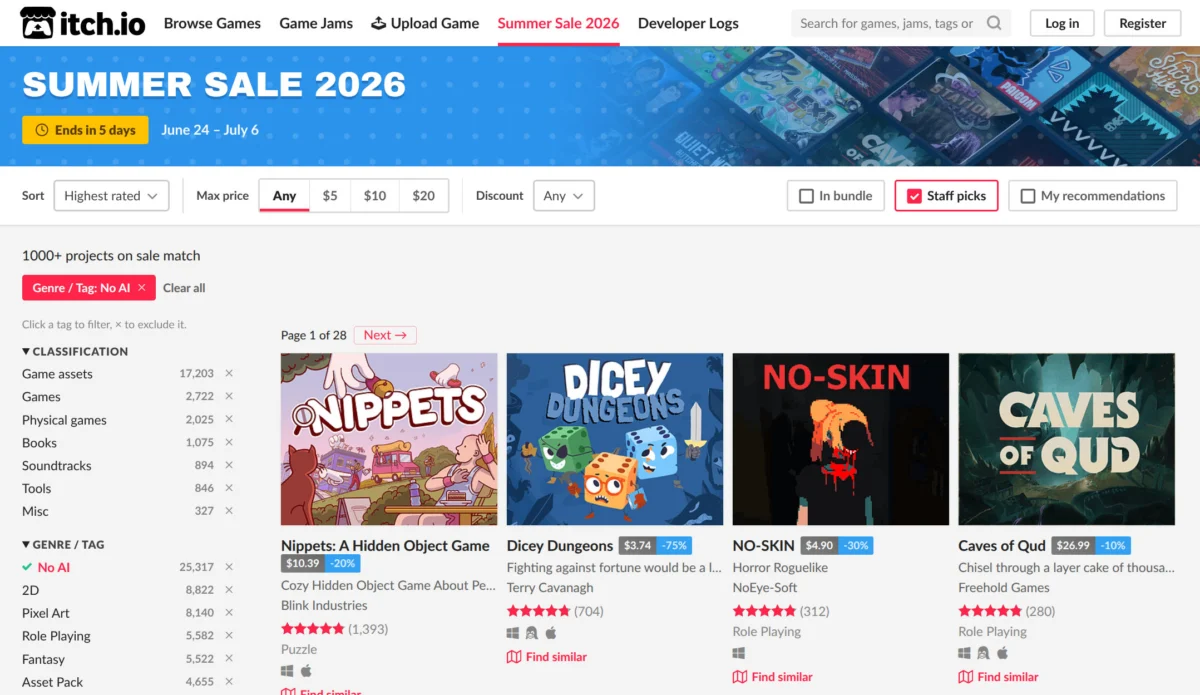
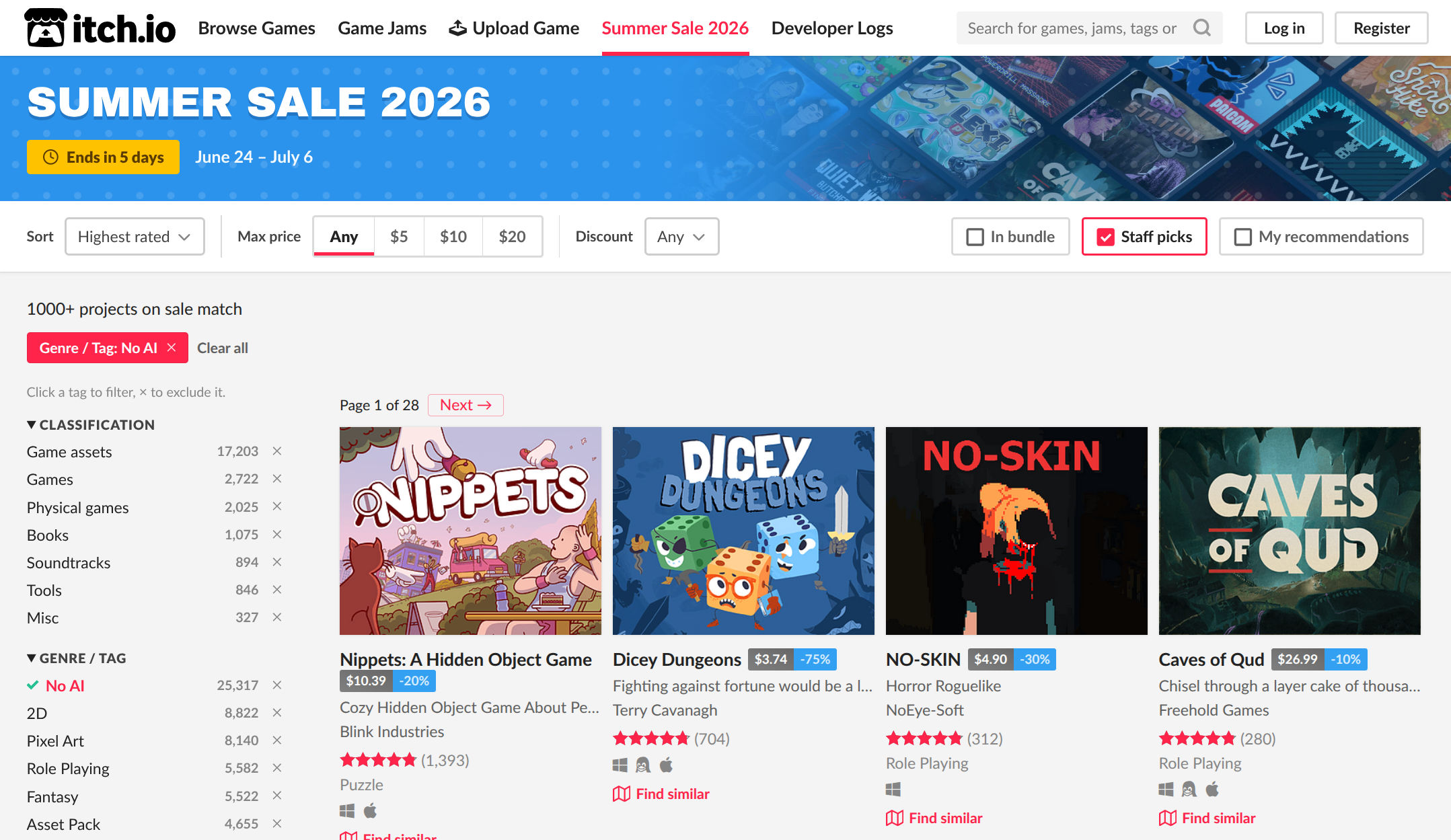
One of the most immediate and impactful additions for consumers is the Sale Explorer, launched in conjunction with itch.io’s ongoing Summer Sale, which boasts an impressive catalog of over 30,000 discounted projects. The sheer volume of content available during such events, while exciting, often presents a significant challenge: discoverability. Users can easily feel overwhelmed by choice, struggling to unearth games that align with their specific interests amidst a sea of options.
The Sale Explorer is itch.io’s robust answer to this problem. It introduces a sophisticated browsing experience designed specifically for navigating large-scale sales. This new interface moves beyond basic category filters, offering enhanced tools such as more granular search capabilities, genre exclusions, and even "find similar" recommendations based on currently viewed titles, a feature lauded by early users. This level of control allows players to delve deep into the sale, filtering out genres they dislike or honing in on specific aesthetics or mechanics, thereby transforming a potentially daunting browsing session into an efficient and enjoyable treasure hunt.
The introduction of the Sale Explorer during a major promotional event like the Summer Sale (running through July 6th) is a strategic move, providing immediate utility to a large audience. It directly addresses feedback from users who desire more refined ways to sort through the platform’s ever-expanding collection. For developers, the implications are equally significant. Increased discoverability means that even niche titles within a massive sale have a greater chance of being seen by interested buyers, potentially boosting sales and broadening their audience reach. This initiative also signals itch.io’s intent to bring similar advanced browsing functionalities to its standard browse pages in the future, promising a consistent and improved discovery experience across the entire platform. This forward-looking approach positions itch.io more competitively against larger digital storefronts that often feature extensive filtering options, while maintaining its distinct indie-focused ethos.
Streamlining Collaboration: A Decade of Bundles Reimagined
The concept of game bundles has been a cornerstone of itch.io’s community and a powerful tool for fundraising, particularly for charitable causes. However, the platform’s bundle system, which has been operational for over a decade, faced increasing strain as the complexity and scale of collaborative bundles grew. Organizing large projects involving numerous developers and their respective contributions often became an arduous administrative task, requiring significant manual effort and coordination.
Recognizing these challenges, itch.io has undertaken a complete overhaul of its bundle hosting system. This revamp focuses heavily on the organizational backend, providing creators and curators with a significantly more streamlined and efficient process for managing collaborative bundles. The previous system, while functional, lacked the modern tools necessary to easily onboard dozens or even hundreds of participants, track contributions, and manage revenue splits in a transparent manner.
The new bundle hosting system introduces a suite of features tailored to large-scale collaborations. While specific details on new backend functionalities were not extensively detailed in the public changelog, the emphasis on "a complete overhaul" suggests improvements in areas such as contributor invitation and management, automated content collection, and potentially more robust reporting tools. Existing pending bundles can take advantage of these new features after resetting participation, indicating a clear migration path and immediate benefits for ongoing projects.
The implications of this revamp are far-reaching. For community organizers and charitable initiatives, the reduced administrative burden means more time can be dedicated to curation, promotion, and achieving fundraising goals. It encourages the creation of larger, more ambitious bundles, which in turn can generate more revenue for developers and support important causes. This update reinforces itch.io’s role as a platform that not only hosts games but actively facilitates community-driven projects and philanthropic endeavors, a distinguishing characteristic that resonates deeply with its user base. The ability to efficiently manage complex collaborative efforts is crucial for maintaining a dynamic and supportive indie ecosystem.
Empowering Creators: The Revamped Jam Theme Editor
Game jams are a fundamental aspect of the itch.io community, fostering creativity, skill development, and collaboration within tight deadlines. The platform hosts thousands of jams annually, ranging from small, informal gatherings to large-scale, sponsored events. For jam hosts, the ability to customize their jam pages is crucial for branding, conveying theme, and attracting participants. Previously, the jam theme editor, while functional, lagged behind other site-wide design tools in terms of user interface and flexibility.
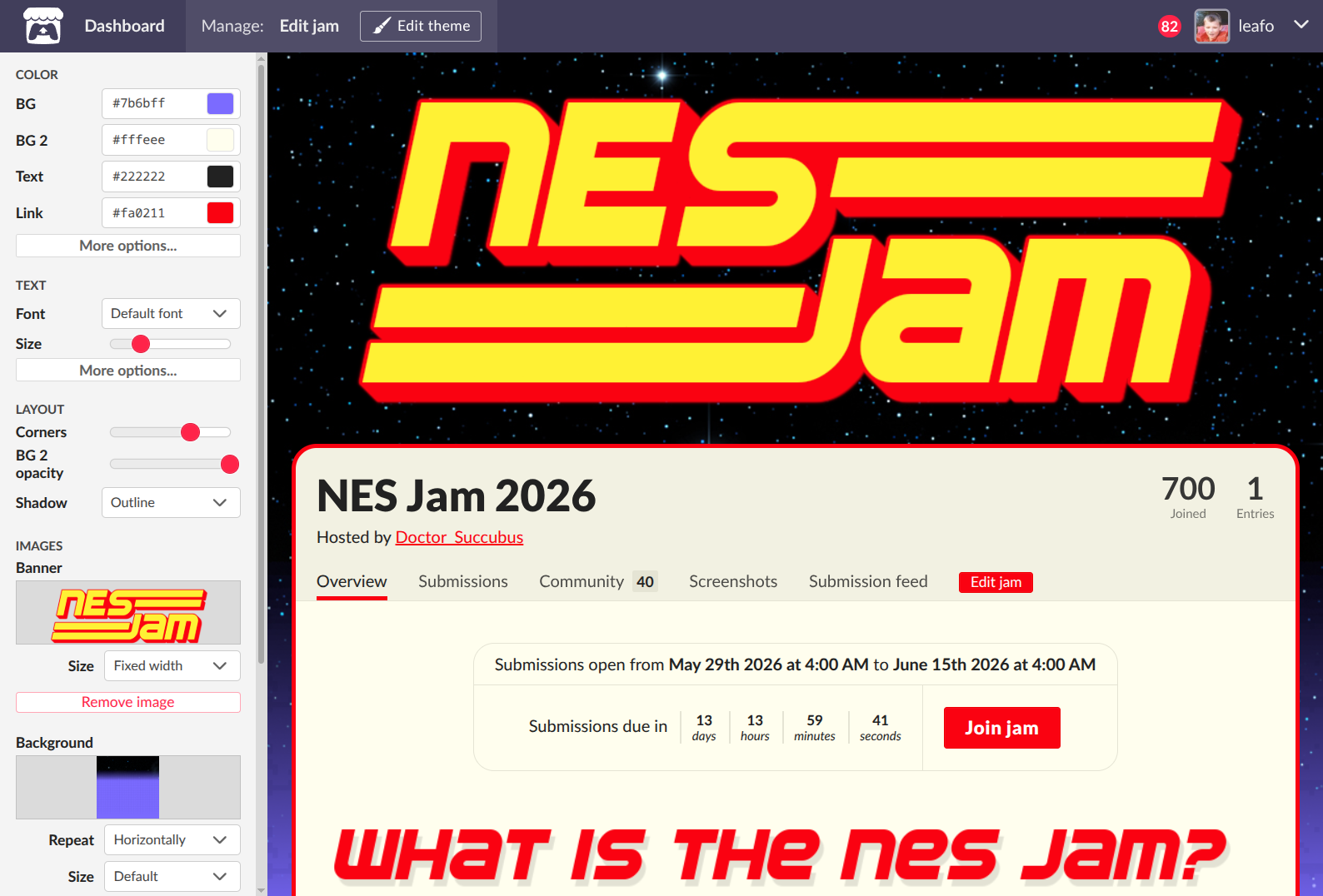
Itch.io has addressed this by modernizing the jam theme editor, migrating it to the same sophisticated UI framework used elsewhere on the site. This move ensures consistency in the design experience across the platform and brings a wealth of new customization options to jam hosts. The update was carefully executed to preserve existing custom CSS on jam pages, ensuring that established events wouldn’t lose their unique branding while gaining access to enhanced features.
The new editor offers a broader palette of design controls, allowing hosts to fine-tune visual elements such as fonts, colors, layouts, and background imagery with greater ease and precision. This translates to more visually appealing and immersive jam pages that can better reflect the specific theme or ethos of the event. For instance, a jam focused on retro aesthetics can now more easily adopt a pixel-art-friendly theme, while a narrative-focused jam might opt for a minimalist, text-heavy design.
The implications for the itch.io community are significant. More engaging and professionally presented jam pages can attract a larger pool of participants, leading to more diverse and innovative game submissions. It empowers hosts, whether individuals or organizations, to create a stronger brand identity for their jams, thereby fostering a more vibrant and competitive game development culture. By providing robust and intuitive tools, itch.io solidifies its position as a premier platform for game jams, catering to both seasoned organizers and newcomers alike. This investment in jam infrastructure directly supports the growth and health of its creative community.
Fortifying Creator Support: Enhanced Patreon Integration
For many independent creators, Patreon serves as a vital source of recurring income, enabling them to pursue their creative passions. Integrating Patreon with digital storefronts allows creators to offer exclusive content or early access to their patrons. Itch.io has long supported Patreon integration, but the previous system, built on Patreon’s older V1 API, presented several challenges, particularly concerning access grants based on pledge amounts and issues with multi-currency payments. These limitations often led to discrepancies and administrative headaches for creators trying to manage patron rewards.
The new, enhanced Patreon integration represents a complete rebuild, leveraging Patreon’s more robust V2 API. The most significant improvement is the ability to grant access to projects based on membership tiers rather than just raw pledge amounts. This crucial change resolves the long-standing problem of accurately recognizing patrons who pay in different currencies, as tier membership provides a standardized way to define access levels regardless of local currency fluctuations.
Creators now have three flexible methods to grant access: based on any pledge, a specific pledge amount (for legacy support or unique cases), or, most powerfully, specific membership tiers. This tier-based approach aligns perfectly with how many creators structure their Patreon rewards, offering a more granular and reliable system for distributing content. The new integration also boasts improved handling of various edge cases that the old system couldn’t manage, ensuring a smoother and more dependable experience for both creators and their patrons. For instance, it can better handle cases of downgraded pledges or temporary pauses in membership, ensuring that access is granted or revoked appropriately. Importantly, once a patron claims access to a project through the integration, they retain that access indefinitely, providing a clear and consistent benefit for their support.
This enhanced integration significantly empowers itch.io creators by providing a more reliable and flexible monetization pathway. It streamlines the process of rewarding patrons, reducing administrative overhead and allowing creators to focus more on development. For patrons, it ensures that their support translates directly and accurately into the promised rewards. By strengthening its Patreon integration, itch.io reinforces its commitment to supporting sustainable creator economies, offering a comprehensive suite of tools that enable indie developers to build communities and monetize their work effectively. This aligns with the platform’s overall mission to be the most creator-friendly digital storefront.
Strategic Implications and Future Outlook
The comprehensive updates detailed in itch.io’s latest changelog are not isolated improvements but integral components of a broader strategic vision for the platform. They collectively underscore itch.io’s unwavering commitment to its core constituencies: independent developers and their dedicated players. By investing in foundational technologies and user-centric features, itch.io is actively cultivating an environment that fosters creativity, community, and commercial viability for indie projects.
The Sale Explorer is a clear indication of itch.io’s dedication to solving the critical challenge of discoverability in an increasingly crowded market. For a platform that prides itself on hosting a vast and diverse catalog, efficient navigation tools are paramount. The expressed intention to integrate these advanced browsing features into standard browse pages hints at a future where finding niche indie gems becomes an even more intuitive and rewarding experience across the entire site, benefiting both users and developers seeking wider exposure.
The Bundle Hosting revamp directly addresses the needs of community organizers, enabling larger and more complex collaborative projects. This strengthens itch.io’s unique position as a hub for charity bundles and collective creative endeavors, distinguishing it from competitors that may not offer such robust support for multi-developer initiatives. This enhancement could lead to an increase in the number and scale of bundles hosted on the platform, benefiting various causes and a wider array of indie developers.
The Jam Theme Editor revamp and the Enhanced Patreon integration both exemplify itch.io’s focus on empowering creators. By modernizing tools for game jam hosts and providing more reliable and flexible monetization options through Patreon, the platform directly supports the sustainability and growth of indie development. These updates reduce friction for creators, allowing them to dedicate more energy to their craft rather than administrative tasks, thereby enriching the overall content available on itch.io.
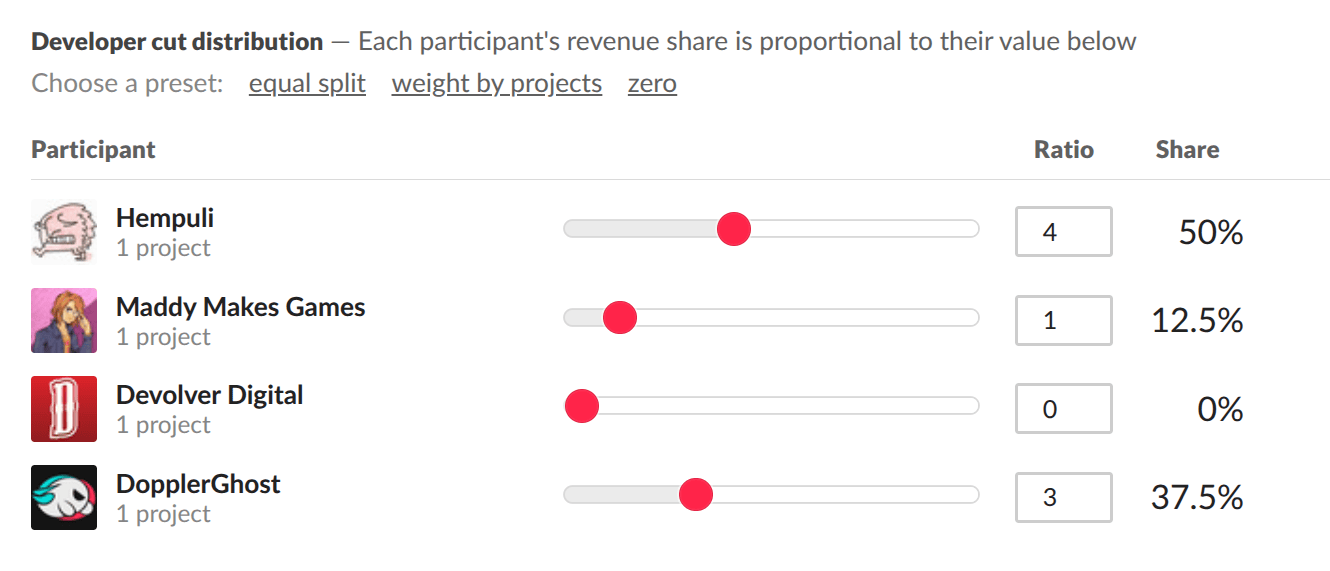
Moreover, these updates reflect a responsive development philosophy. Comments from the community, such as the request for per-project revenue splits (acknowledged by itch.io founder leafo as a desired future feature), indicate that the platform actively listens to its users and incorporates feedback into its development roadmap. This iterative approach ensures that itch.io continues to evolve in ways that are most beneficial to its community.
Community Feedback and Ongoing Development
The immediate reactions from the itch.io community, as seen in the comments section of the changelog announcement, have been largely positive, particularly regarding the Sale Explorer and the enhanced Patreon integration. Users have praised the Sale Explorer’s ability to make browsing through thousands of games "actually manageable," highlighting the value of features like genre exclusion and "find similar" recommendations. This validates itch.io’s investment in improving the user experience for large-scale events.
However, community feedback also points to areas for future consideration. A recurring sentiment is the desire for more granular filtering options, such as the ability to exclude content tagged as "AI assisted" – a reflection of ongoing discussions within the creative community about generative AI. Similarly, queries about platform filters, specifically the inclusion of Android, suggest a demand for comprehensive and consistent filtering across all potential gaming environments. The direct acknowledgment from itch.io’s founder, leafo, regarding the desire to implement per-project revenue splits, signals a continuous dialogue between the platform and its developer base, and a commitment to evolving features that directly impact creators’ livelihoods.
This active engagement and the transparent communication of ongoing development through changelogs and forums are hallmarks of itch.io’s approach. By openly addressing feedback and outlining future aspirations, itch.io maintains a high level of trust and collaboration with its community. The platform’s commitment to continuous improvement, driven by both internal strategic goals and direct user input, ensures that it remains a dynamic, relevant, and supportive environment for independent creators and their audiences in the ever-evolving landscape of digital entertainment.
About the Author