The landscape of personal computer upgrades, once characterized by relentless pursuit of raw processing power and ever-larger cases, appears to be undergoing a significant transformation. Prominent tech observer Jeff Atwood, known for his "Coding Horror" blog, recently highlighted a notable shift, observing that his own PC case has remained unchanged since 2011, with his last major system overhaul occurring in 2015. This extended upgrade cycle, he suggests, is indicative of a broader trend: PC upgrades have become "really boring," with the primary innovation now focused less on sheer speed increases and more on achieving maximum performance within increasingly compact form factors. This evolution points towards a future where smaller builds, particularly those leveraging the Mini-ITX standard, are redefining what a powerful desktop PC can be.
The Evolving Desktop Landscape and Extended Upgrade Cycles
For decades, the personal computer market was driven by rapid technological advancements, compelling enthusiasts and professionals alike to upgrade their systems every few years to keep pace with demanding software and games. However, as Atwood notes, the impetus for frequent upgrades has diminished. While performance gains still occur, the leap from one generation to the next for general computing tasks is often less dramatic than in previous eras. This phenomenon contributes to users retaining their systems for longer periods, with a five-year gap between major upgrades, as experienced by Atwood, becoming increasingly common. This trend has led some, including Atwood himself, to provocatively declare "the PC is over" – not in terms of its demise, but in the sense that its traditional growth vectors have matured. The focus has pivoted from simply "more speed" to "smarter speed" and, critically, "smaller footprints."

Atwood’s personal chronology of PC building underscores this industry-wide maturation. His dedicated blog series on PC builds spans an impressive 13 years, offering a unique longitudinal perspective on hardware evolution. This long-term engagement with PC hardware positions his observations not as casual remarks but as informed insights from a seasoned enthusiast and developer. The current upgrade cycle, taking him five years to complete, stands in stark contrast to earlier periods when annual or biennial upgrades were common for those at the cutting edge. This extended period between upgrades reflects a market where incremental performance gains for everyday tasks no longer justify frequent, costly overhauls, pushing innovation towards other areas like miniaturization and efficiency.
The Ascent of Small Form Factor (SFF) Computing
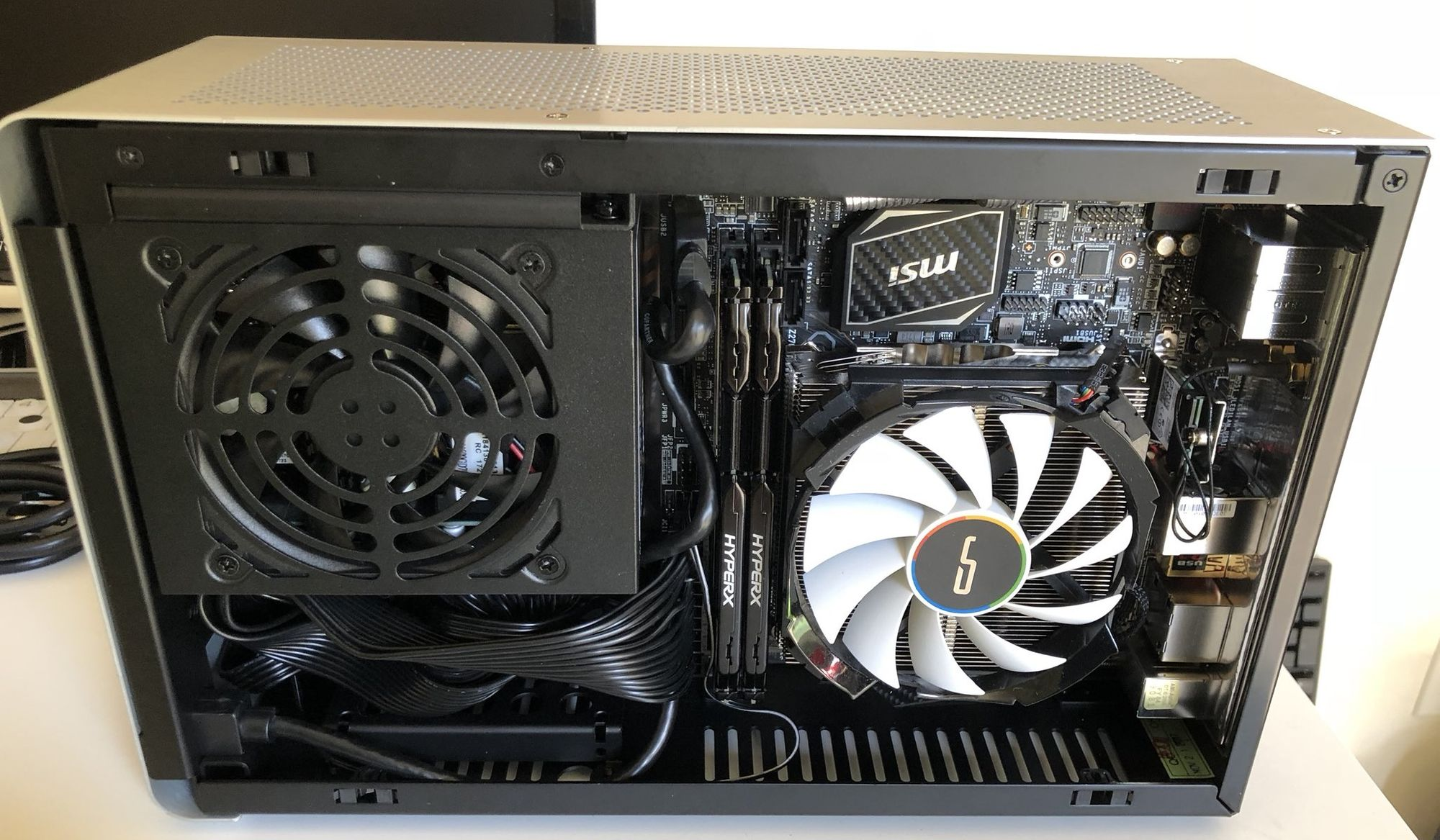
The new frontier for innovation in desktop computing, according to Atwood, lies squarely in the realm of Small Form Factor (SFF) builds. This segment of the market prioritizes condensing powerful components into miniature cases, offering a compelling blend of performance, aesthetics, and space efficiency. The appeal is multi-faceted: for users with limited desk space, for those seeking a discreet yet powerful machine for a living room media center, or for professionals requiring portable workstations without compromising on compute power. The SFF movement is characterized by a meticulous design philosophy that seeks to maximize internal volume utilization while maintaining thermal integrity, often pushing the boundaries of engineering within the Mini-ITX motherboard standard.
Atwood’s exploration of this trend led him to two exemplary SFF cases that represent the vanguard of Mini-ITX design: the Dan A4 SFX and the Streacom DA2. These cases demonstrate how sophisticated engineering can house high-end components within volumes previously thought impossible for custom builds, effectively showcasing the "maximum power in minimum size" philosophy.
Case Study: The Dan A4 SFX – Extreme Miniaturization
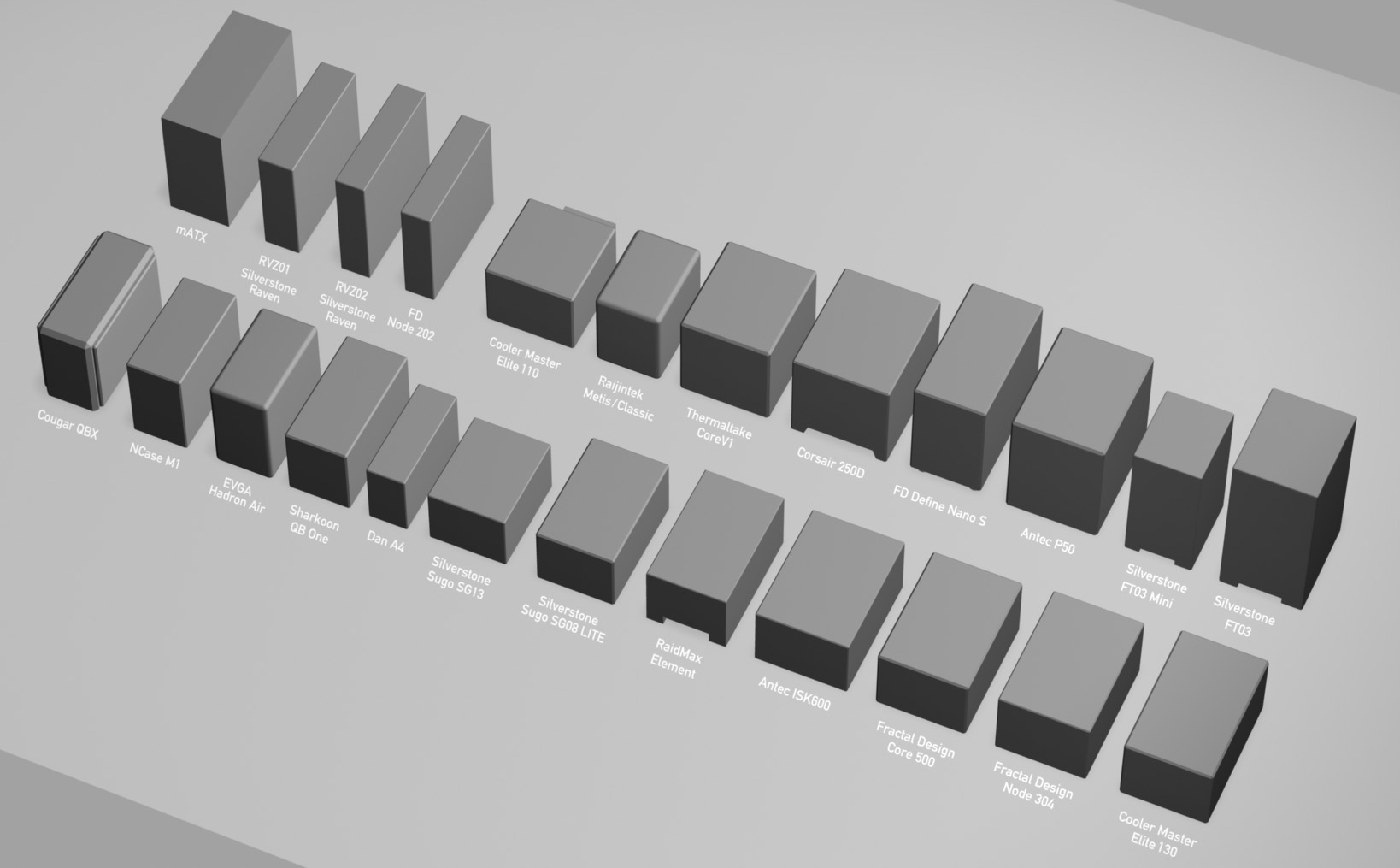
The Dan A4 SFX stands out as an icon in the SFF community. Measuring a mere 200mm × 115mm × 317mm, it boasts an incredibly compact internal volume of just 7.3 liters. To put this into perspective, a PlayStation 4 Pro occupies 5.3 liters, and an Xbox One S comes in at 4.3 liters. Comparatively, other popular SFF cases like the Silverstone RVZ02/ML08 measure 12.2 liters, and the NCASE M1, another community favorite, is 12.6 liters. The Dan A4 SFX, therefore, manages to fit significantly more powerful, standard desktop components into a chassis only about 50% larger than a mainstream gaming console, offering considerably more than "2x the power" for its volume. This remarkable feat is achieved through clever internal layouts, often involving riser cables for graphics cards and reliance on SFX (Small Form Factor) power supplies.
This ultra-compact design, while aesthetically pleasing and highly space-efficient, presents significant engineering challenges, particularly regarding thermal management and component compatibility. The case is meticulously designed to accommodate a full-sized graphics card and a standard CPU cooler, but often requires specialized SFX power supplies and careful component selection to ensure optimal airflow and prevent thermal throttling. Its design philosophy is pure minimalism, aiming to be the smallest possible standard Mini-ITX system without resorting to custom-fabricated parts, making it a benchmark for compact efficiency.
Case Study: The Streacom DA2 – Balancing Power and Practicality
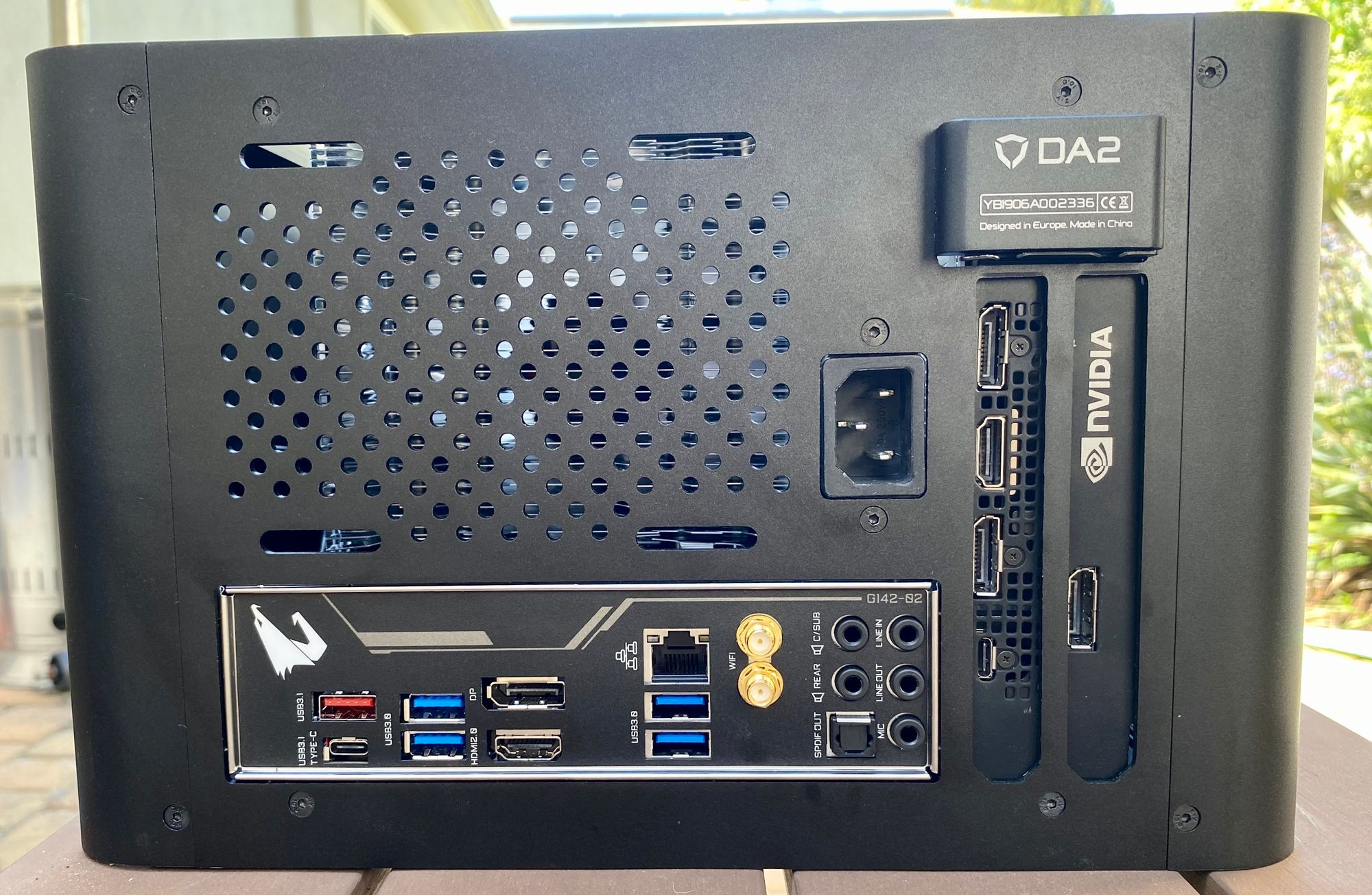
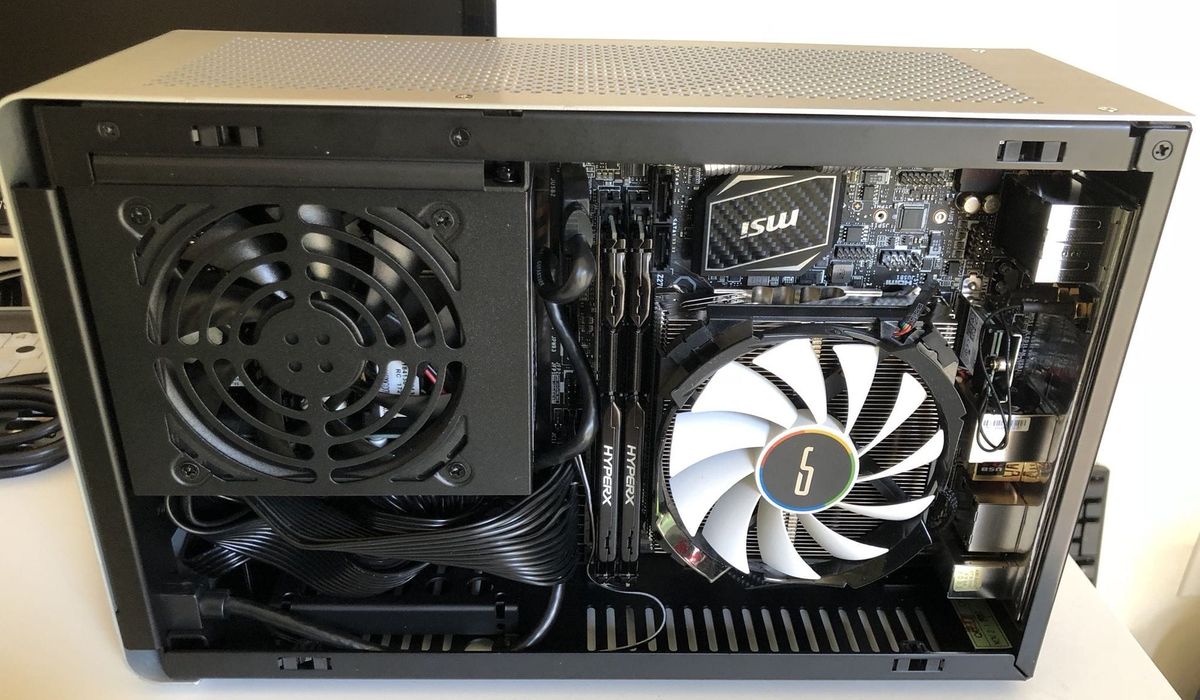
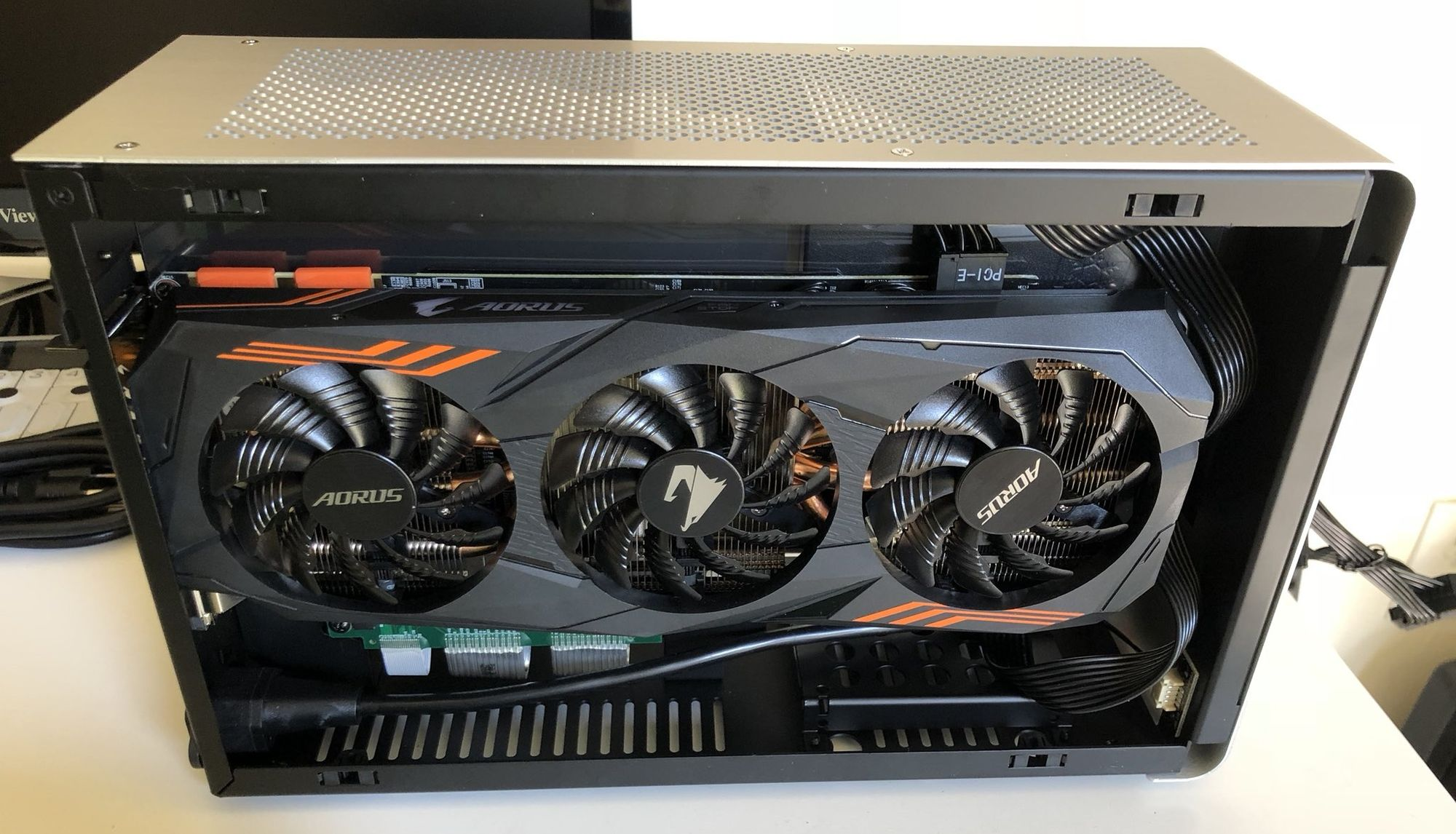
While the Dan A4 SFX pushes the boundaries of extreme miniaturization, Atwood ultimately selected the Streacom DA2 for his personal build. With dimensions of 180mm × 286mm × 340mm, the DA2 has an internal volume of 17.5 liters. While notably larger than the Dan A4 SFX, this increased volume provides crucial advantages, especially when dealing with the thermal demands of "extremely powerful CPUs and GPUs." The DA2’s slightly more generous interior allows for greater flexibility in cooling solutions, including larger air coolers and more versatile fan placements, which are critical for maintaining stable performance under sustained heavy loads.
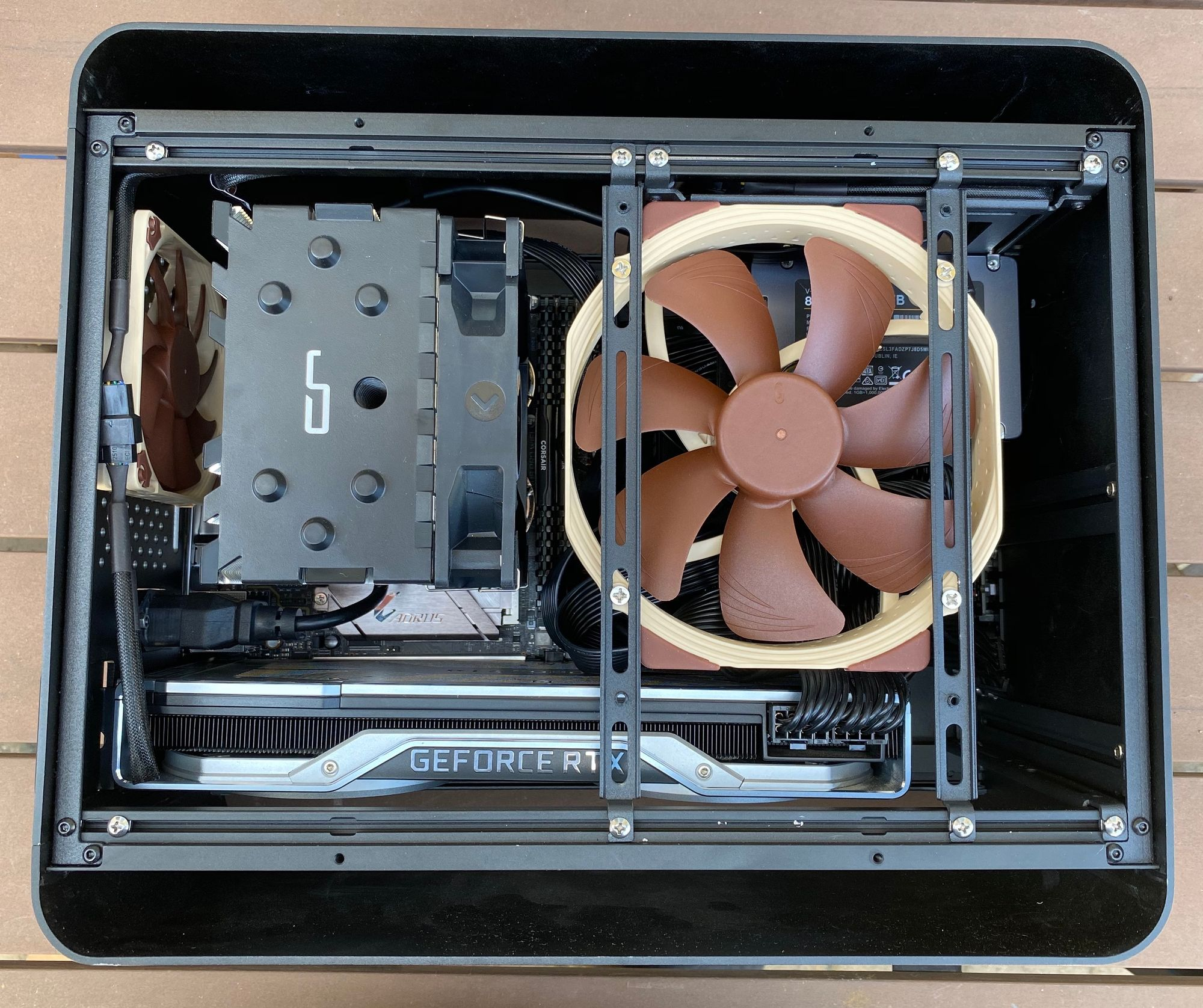
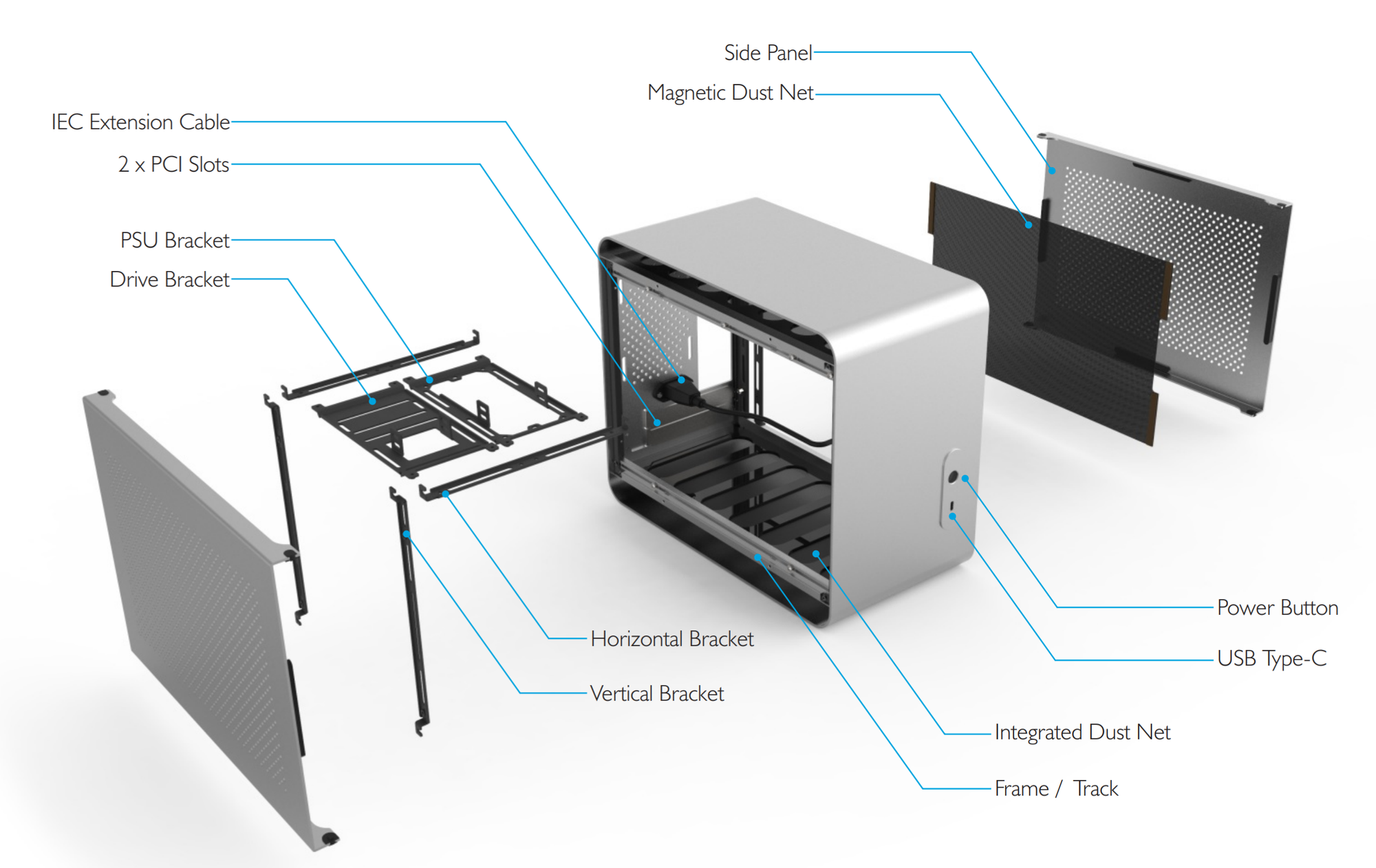
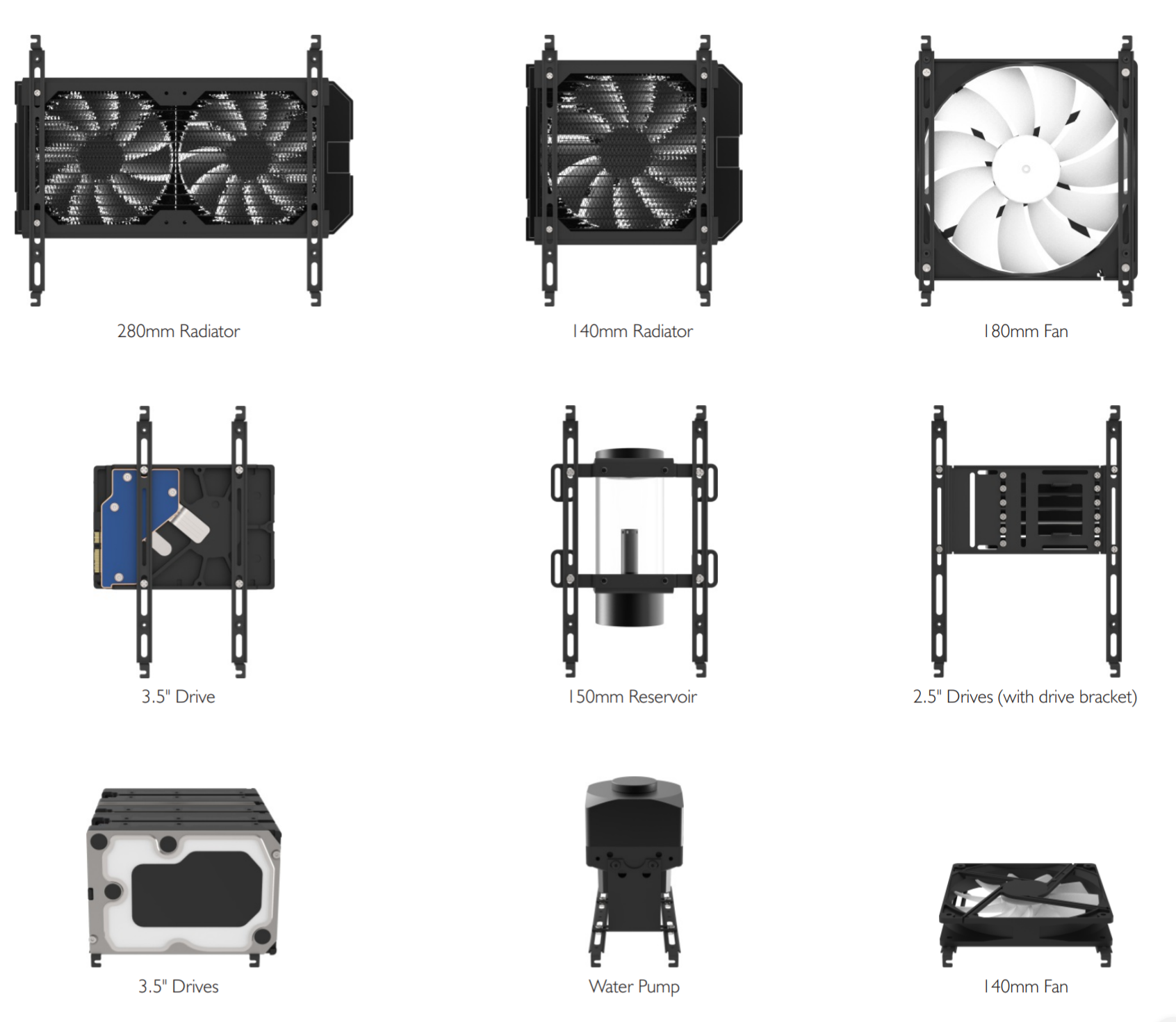
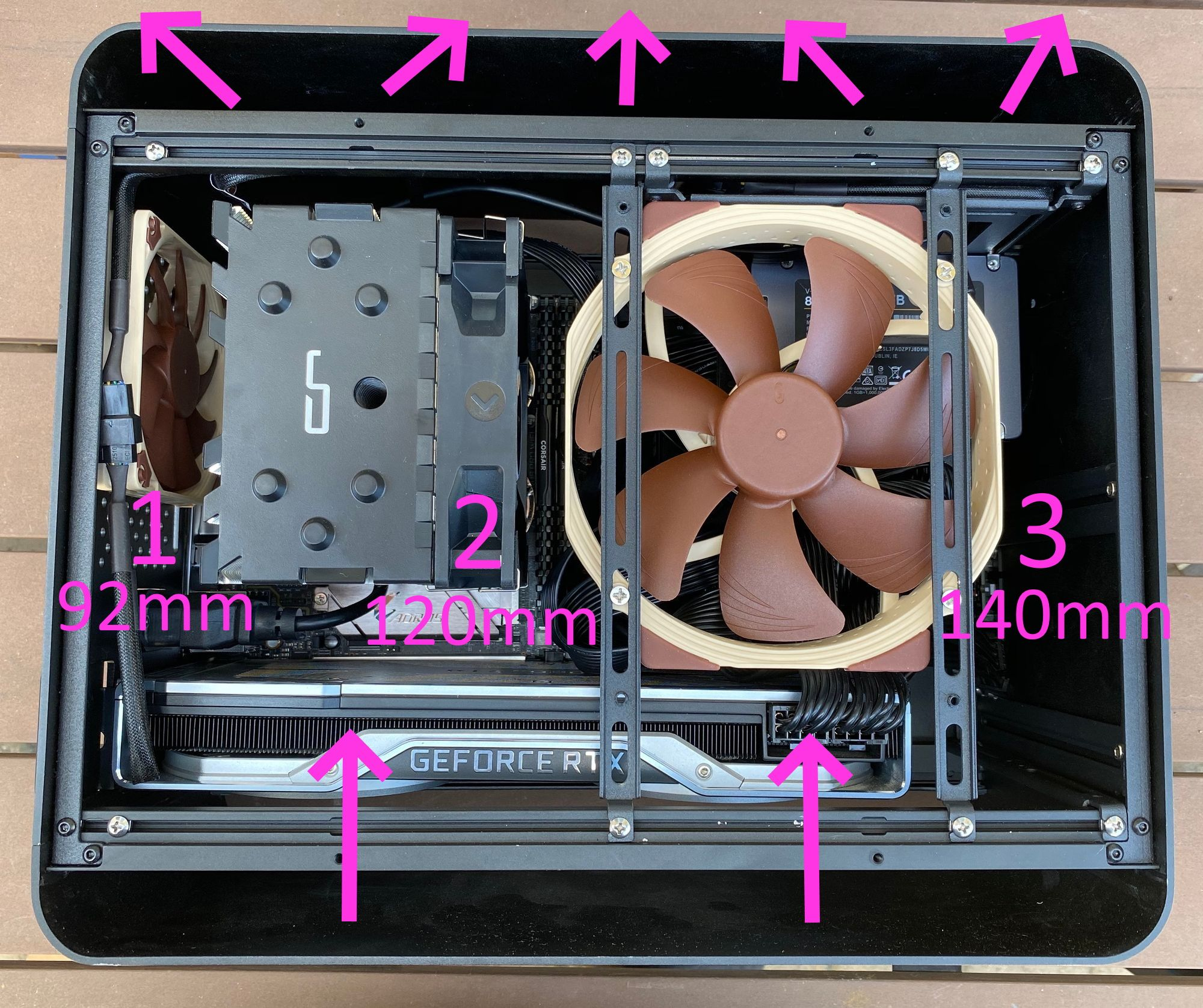
The Streacom DA2 is celebrated for its innovative internal design. It features a unique hybrid open-air concept, particularly noticeable at the top and bottom panels, which facilitates convection-driven airflow. Its most distinctive feature is a highly versatile horizontal and vertical bracket system that allows builders to configure components in numerous ways. As illustrated in the case manual, these adjustable brackets, secured by a clever captured nut and bolt design, provide unparalleled modularity, enabling users to optimize the layout for specific components and cooling strategies. This adaptability is crucial for balancing component size, thermal requirements, and cable management in an SFF environment, offering a more forgiving build experience compared to ultra-compact alternatives.
Thermal Management: The SFF Crucible
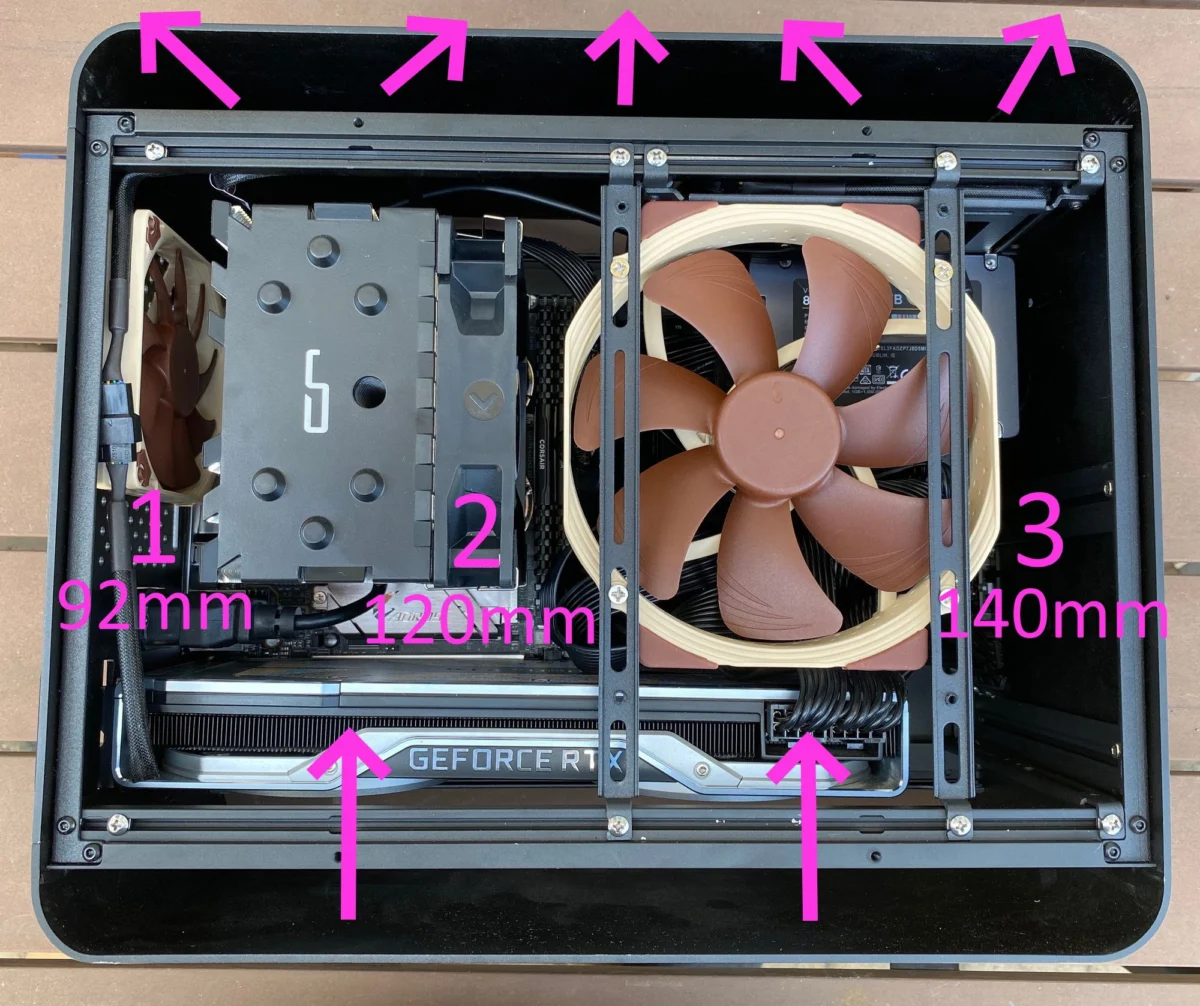
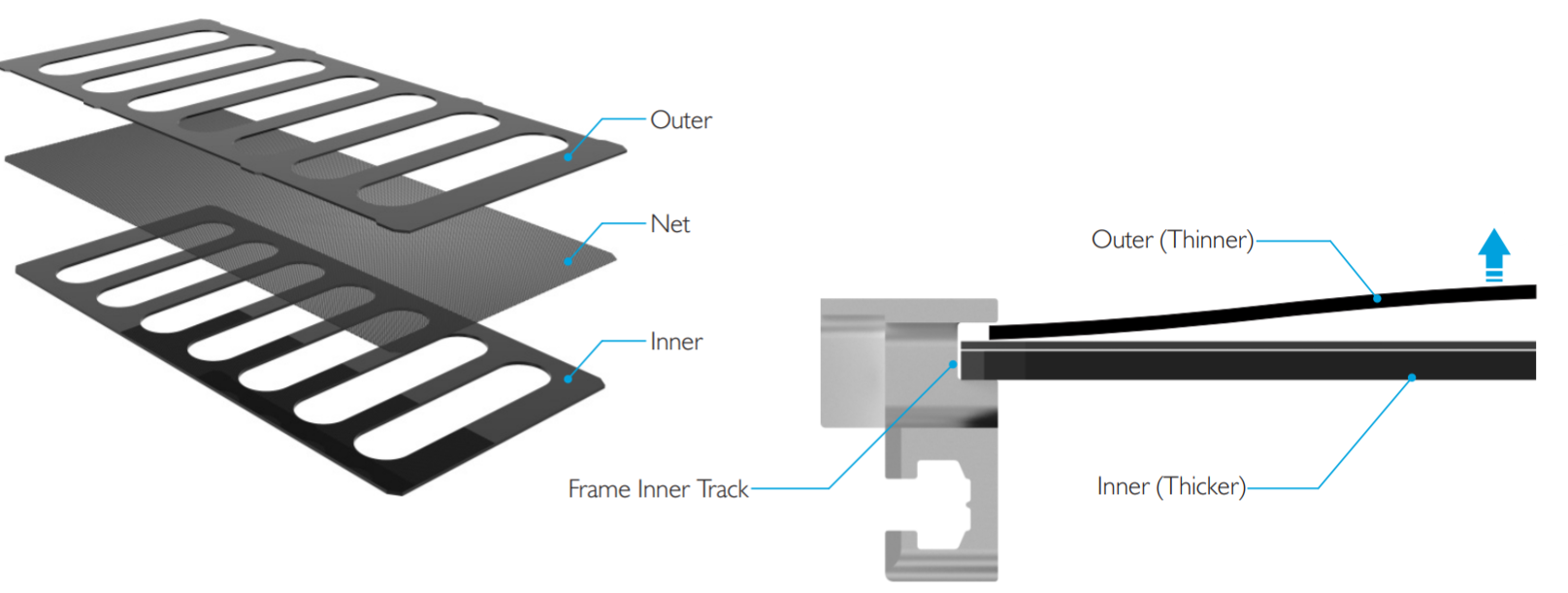
One of the most critical aspects of SFF PC building, and a primary determinant of system stability and longevity, is thermal management. Cramming high-performance components into a confined space inevitably concentrates heat, making efficient dissipation paramount. Atwood’s experience with the Streacom DA2 highlights the importance of optimizing airflow. He discovered "dramatically better temperatures" after removing the acrylic pieces and mesh dust nets from the top and bottom panels, allowing the case to "fully breathe." This observation underscores a common challenge in SFF design: balancing aesthetics and dust filtration with unrestricted airflow. Given the DA2’s solid front panel, maximizing passive and active airflow through the top and bottom becomes essential for effective cooling.
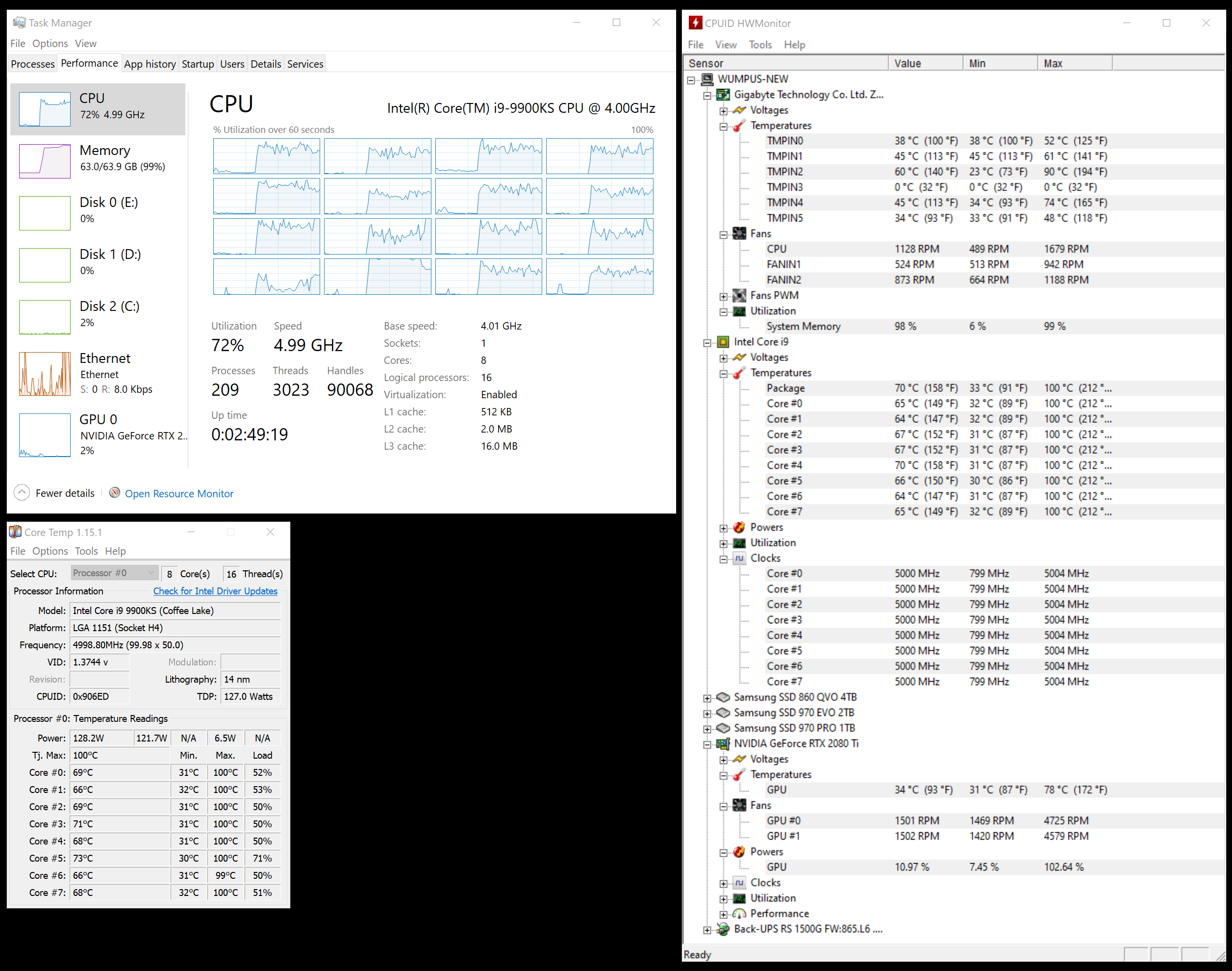
Atwood recommends a specific configuration for optimal cooling in the DA2: keeping both the top and bottom open for maximum airflow, complemented by a total of three fans. This setup aims to create a clear path for air intake and exhaust, critical for removing hot air generated by the CPU and GPU. While he personally eschews water cooling due to past "traumatic cooling fluid leaks in the early 2000s," he acknowledges its potential necessity for users who anticipate "full CPU and GPU loads for extended periods of time." For such demanding scenarios, or when pushing the absolute limits of component power, liquid cooling (specifically All-in-One, or AIO, coolers) can offer superior thermal dissipation within the space constraints of an SFF case, utilizing the available 140mm fan space for a radiator. Alternatively, opting for slightly less powerful components can mitigate extreme thermal challenges, ensuring stable operation with air cooling. Regardless of the cooling method, rigorous "burn-in testing," as performed by Atwood on all his builds, remains indispensable for validating system stability under load and preventing premature component degradation.
Component Power and Performance Benchmarks
Atwood’s new system represents a substantial leap in computational capability compared to his previous 2015-2017 build, which featured a "slightly overclocked i7-7700k." The new configuration offers at least "2x the cores (and faster cores, both in clock rate and IPC), 2x the memory, and 2x the M.2 slots (two versus one)." This comparison highlights the generational performance improvements that have accumulated over several years.
A typical i7-7700k from 2017 was a 4-core, 8-thread CPU. A modern, high-end desktop processor from 2025 could easily feature 8 or more performance cores with higher thread counts, significantly increased Instruction Per Cycle (IPC) performance, and higher boost clock speeds, effectively doubling or tripling raw computational throughput for multi-threaded applications. This translates into much faster compilation times for developers, quicker rendering for content creators, and smoother gameplay experiences at higher resolutions and frame rates for gamers. The doubling of memory capacity (e.g., from 16GB or 32GB to 32GB or 64GB DDR5) supports more intensive multitasking, larger datasets, and memory-hungry applications. Furthermore, the inclusion of two M.2 slots, utilizing NVMe technology and often leveraging PCIe Gen4 or Gen5 interfaces, provides lightning-fast storage access, crucial for operating system responsiveness, game loading times, and handling large files with unprecedented bandwidth compared to older SATA SSDs or single M.2 slots often limited to PCIe Gen3. These improvements collectively deliver a system that is not only faster but also significantly more capable across a broader range of tasks, all while fitting into a surprisingly small footprint.
Ease of Assembly and Broader Market Implications
Building a PC system today is arguably simpler and more intuitive than ever before. Modern components, with their standardized interfaces, increasingly modular designs, and often tool-less installation features, streamline the assembly process. Atwood quips that once the M.2 drives, memory, CPU, and cooler are installed on the motherboard, "you’re almost done." This simplification, coupled with the aesthetic appeal of SFF cases, has democratized PC building, making it accessible to a wider audience beyond traditional hardware enthusiasts. The prevalence of comprehensive online guides and active communities further lowers the barrier to entry.
The trend towards compact Mini-ITX builds signifies a maturation of the PC hardware market. While the pursuit of ultimate performance remains, the emphasis is increasingly on efficiency, integration, and form factor. Companies like Yuel Beast Designs, with innovative products such as the Motif Monument, exemplify this movement, showcasing how artistic design can merge with high-performance computing in minimal volumes. These specialized manufacturers are pushing the boundaries of what is possible, creating unique and highly functional enclosures.
The broader implications of this shift are significant:
- Consumer Choice: A wider array of form factors caters to diverse needs, from traditional tower PCs for extreme performance and expandability to SFF machines for space-constrained environments or discreet media centers. This customization allows users to select a PC that perfectly fits their lifestyle and aesthetic preferences.
- Component Innovation: Manufacturers are compelled to design more power-efficient components and specialized cooling solutions that can thrive in confined spaces. This includes low-profile CPU coolers, compact power supplies (SFX, SFX-L), and shorter graphics cards, driving advancements in thermal engineering and component density.
- Market Segmentation: The SFF market is growing into a distinct and vibrant niche, attracting users who value aesthetics and portability as much as raw power. This segment drives innovation in case design, internal layout, and cooling technologies, fostering a passionate community of builders.
- Sustainability: Smaller PCs potentially consume less material and energy over their lifecycle, aligning with broader environmental consciousness, although the energy consumption of high-end components remains a factor. The reduced physical footprint also contributes to less waste in terms of packaging and shipping.
In conclusion, Jeff Atwood’s latest PC upgrade journey highlights a pivotal moment in personal computing. The era of limitless expansion and ever-increasing physical size appears to be yielding to a new paradigm where the true innovation lies in "packing all that power into less than 20 liters of space." This focus on compact efficiency not only challenges hardware engineers to rethink design but also offers consumers powerful, versatile machines that seamlessly integrate into modern living and working environments. The future of the PC is not over; it’s just getting smaller, smarter, and more refined, adapting to the evolving demands of a sophisticated user base.
About the Author