Following the conclusion of Ludum Dare 56 on October 7, 2024, the independent game development community has once again demonstrated its boundless creativity under the challenging theme of "Tiny Creatures." With over 800 games bearing the Ludum Dare 56 tag now available for exploration on itch.io, the platform has released its second curated list of recommendations, underscoring the remarkable volume and quality of submissions generated within the event’s stringent 48-hour (Compo) or 72-hour (Jam) development windows. This subsequent compilation serves to further highlight the innovative interpretations of the core theme, ranging from microscopic management simulations to whimsical adventures, all crafted under intense time pressure.
The Enduring Legacy of Ludum Dare: A Crucible for Innovation
Ludum Dare, meaning "to make a game" in Latin, stands as one of the oldest and most respected game jams globally. Initiated in April 2002 by Geoff Howland, the event has grown from a niche gathering of passionate developers into a monumental biannual competition, attracting thousands of participants worldwide. Its fundamental premise remains unchanged: participants are given a theme and a tight deadline to design, develop, and submit a complete, playable game. This rapid prototyping environment serves as a crucial incubator for talent, forcing developers to make swift decisions, embrace constraints, and often discover innovative solutions to game design challenges.
The competition is primarily divided into two tracks: the Compo, a solo endeavor requiring all assets to be created from scratch within 48 hours, and the Jam, which extends the deadline to 72 hours and allows for team collaboration and the use of pre-existing assets, provided they are declared. This dual structure accommodates various development styles and skill levels, fostering a vibrant ecosystem of creativity. Over the years, Ludum Dare has been instrumental in launching careers, popularizing new mechanics, and demonstrating the sheer potential of independent game development. Its emphasis on community feedback and peer-to-peer review further cultivates a supportive learning environment, where constructive criticism helps refine nascent ideas.
Ludum Dare 56: A Deep Dive into "Tiny Creatures"
The theme "Tiny Creatures" for Ludum Dare 56 proved to be particularly fertile ground for imaginative interpretations. Announced at the start of the event weekend (October 4-7, 2024), it challenged developers to think beyond literal interpretations, leading to a spectrum of games that explored scale, perspective, and the intricate lives of the small. Submissions ranged from games where players controlled diminutive protagonists to those involving the management of minuscule populations, or even abstract concepts of ‘tininess’ within vast systems. The open-ended nature of the theme encouraged both whimsical and profound explorations, reflecting the diverse perspectives within the developer community. The sheer number of games submitted to itch.io alone – exceeding 800 – is a testament to the theme’s evocative power and the dedication of the participants. This figure represents only a portion of the total entries across all submission platforms, hinting at a global outpouring of game-making fervor.
Itch.io’s Pivotal Role in Indie Game Discovery
Itch.io has solidified its position as a paramount platform for independent game developers, particularly for hosting and promoting game jam submissions. Its open, creator-friendly ecosystem allows developers to easily upload, showcase, and monetize their creations, while offering players a vast and diverse library of unique experiences. The platform’s curation efforts, such as these Ludum Dare highlight posts, are invaluable. They not only provide much-needed visibility for developers who pour their time and passion into these rapid-fire projects but also guide players through the immense catalog of new content, ensuring that standout titles receive the attention they deserve. The decision to release a second wave of recommendations for Ludum Dare 56 underscores itch.io’s commitment to thoroughness and its recognition of the exceptional volume of high-quality games produced during the event. This sustained engagement reinforces itch.io’s role as a vital conduit between indie creators and their potential audience.

Second Wave of Featured Titles: A Glimpse into Microcosmic Worlds
The second collection of itch.io recommendations for Ludum Dare 56 offers a compelling cross-section of genres and creative approaches, each uniquely interpreting the "Tiny Creatures" theme. These games exemplify the innovative spirit that game jams foster:
-
Creature Packets by Kenforest:
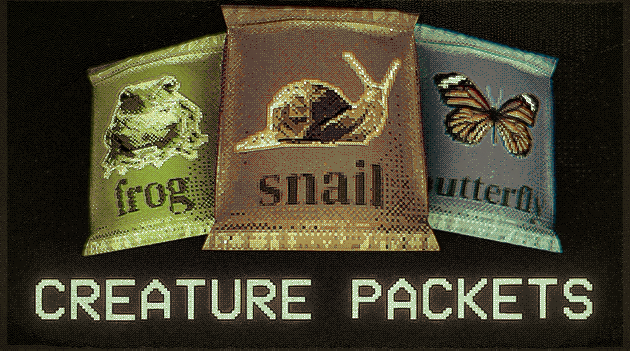
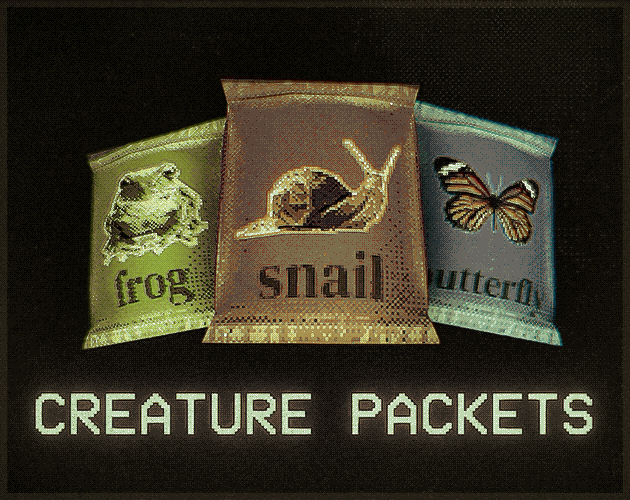
This PS1-styled game plunges players into an unsettling yet intriguing world where cooking takes on a macabre twist. "Creature Packets" tasks players with bringing tiny, pre-packaged creatures to life using a microwave, then experimenting with a blender to create new substances and discover even more exotic beings. The retro aesthetic, reminiscent of early PlayStation titles, enhances the game’s peculiar atmosphere, blending elements of cooking, exploration, and bizarre science. The game challenges players to think creatively about resource manipulation and emergent discovery, all within a darkly humorous premise. Available for Windows, it offers a distinct, memorable experience that pushes the boundaries of conventional simulation.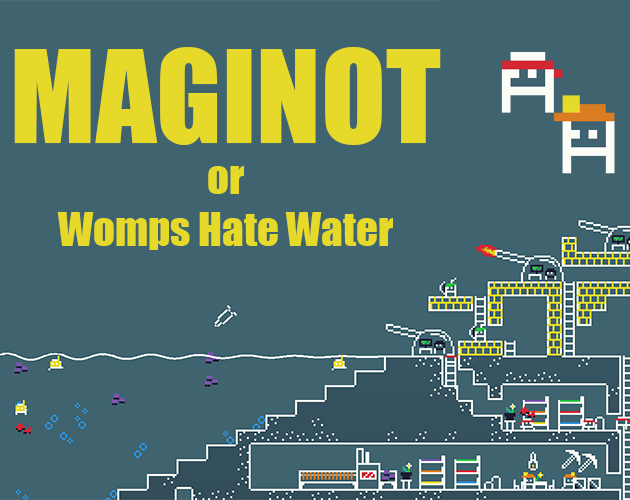
-
Build The Sun by Punkcake:
A unique god game, "Build The Sun" invites players to nurture a nascent world from its primordial beginnings. Starting with a humble fire, players explore, establish settlements, and manage resources to upgrade their celestial core until it blossoms into a radiant sun. The pixel-art aesthetic charmingly depicts the evolving world and its tiny inhabitants, providing clear visual feedback on the player’s progress. This game cleverly interprets the "Tiny Creatures" theme by having players oversee and guide the development of an entire miniature ecosystem, transforming a small spark into a cosmic force. Available across Windows, macOS, and Linux, it offers a serene yet engaging strategic experience. -
Maginot by Vfqd:
"Maginot" is an incremental colony builder that combines resource management with defensive strategy. Players delve deep underground to mine minerals, expand their colony, and attract new "Womps" – the game’s titular tiny creatures – all while battling the relentless encroachment of the sea. The ultimate objective is to obliterate the encroaching waters, adding a unique, almost apocalyptic urgency to the typical idle game loop. The game’s incremental nature provides a satisfying sense of progression, while the constant threat of the sea adds a layer of strategic depth. Playable directly in a web browser, "Maginot" is accessible to a broad audience, inviting sustained engagement. -
Headquarters by Yogurtthehorse:
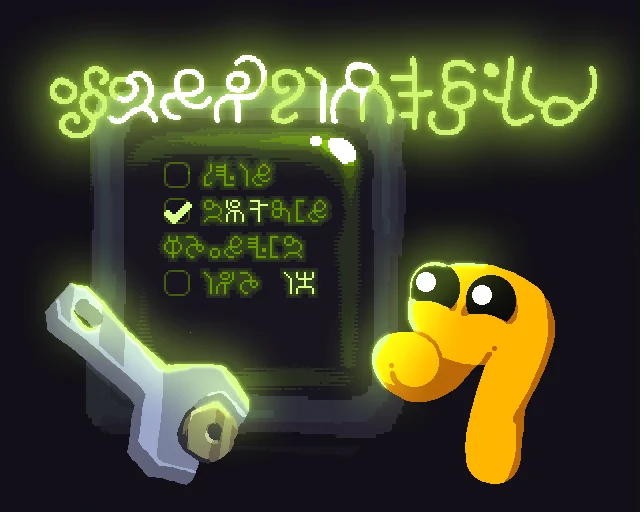
This mysterious point-and-click simulation game tasks players with deciphering an enigmatic alphabet. "Headquarters" relies heavily on player observation, deduction, and pattern recognition, embodying a cerebral challenge. While not explicitly featuring "tiny creatures," its theme can be interpreted as the meticulous study and manipulation of tiny, fundamental units of information (letters/symbols) to unlock a larger mystery. The game’s minimalist presentation likely enhances its atmospheric tension, drawing players into its cryptic world. Available for Windows, Linux, macOS, and playable in a browser, "Headquarters" caters to a wide array of platforms, making its intriguing puzzle accessible.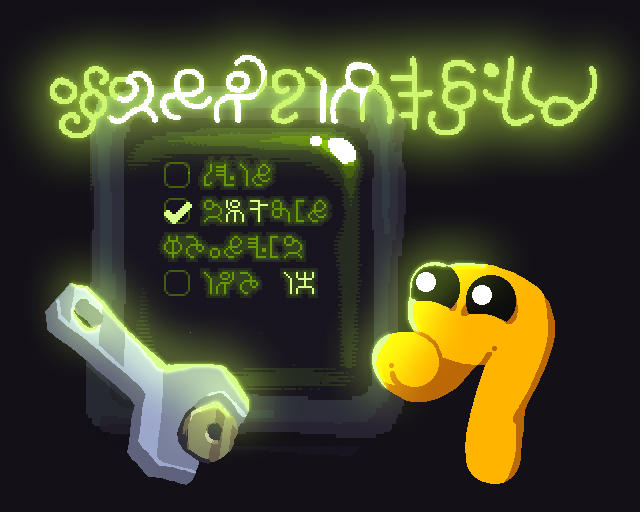
-
Tiny Colony by Mreliptik:
"Tiny Colony" reimagines planetary colonization with an innovative physics-based mechanic. Players launch their tiny creatures across the void using an "interplanetary slingshot system," leveraging planetary gravity to navigate and accelerate while deftly avoiding obstacles and the endless emptiness of space. The game’s core challenge lies in mastering orbital mechanics and precise timing to successfully transport creatures to new worlds. This direct engagement with the "tiny creatures" theme through their literal interplanetary journey makes for a compelling and often exhilarating experience. Playable in browsers and available for Windows, Linux, and Android, "Tiny Colony" offers broad accessibility for its unique blend of puzzle and action. -
FOREST CLEARING by Jefvel:
"FOREST CLEARING" presents a dark yet compelling dilemma: protect your small forest friends or harvest them for sustenance. Players wield a sword to defend their tiny companions from threats, but the meat harvested from fallen friends can be used to purchase vital upgrades, particularly useful when inevitable defeat strikes. This rogue-lite structure, where death leads to a stronger subsequent run, adds significant replayability. The game explores the moral complexities of survival and sacrifice within a confined, miniature ecosystem, directly engaging with the "Tiny Creatures" theme through the player’s interaction with the forest’s small inhabitants. Playable in a browser and available for Windows, it offers a brutal yet engaging cycle of defense and progression. -
Please Find Them by Adamlenglen:
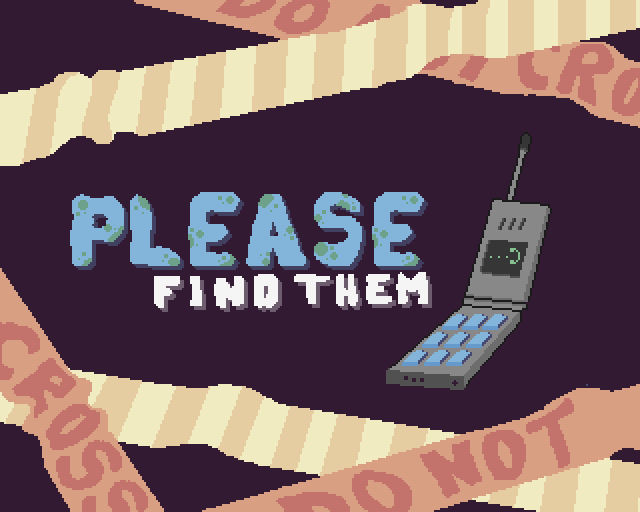
This hidden object game cleverly twists the "Tiny Creatures" theme into a narrative-driven experience. Players assume the role of an exterminator tasked with locating small creatures that have mysteriously shrunk within various household environments. The game requires keen observation and meticulous searching, transforming familiar settings into vast, unexplored landscapes from a miniature perspective. The premise provides a relatable context for the "tiny creatures" concept, making the act of finding them a delightful challenge. Playable directly in a web browser, "Please Find Them" offers a casual yet engaging experience for puzzle enthusiasts.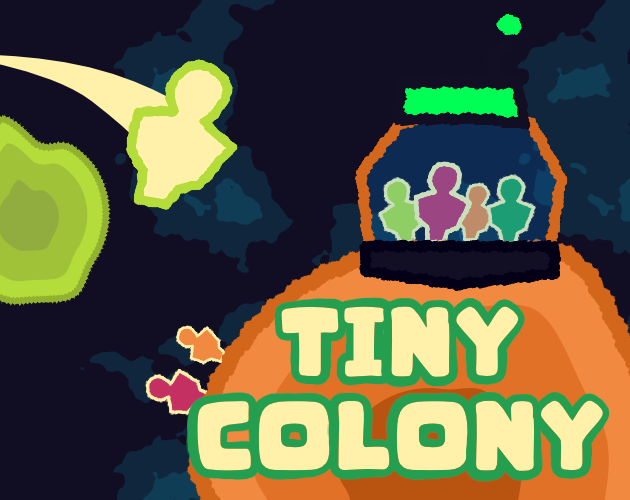
-
Fear of the Ungnome by Scottts:
"Fear of the Ungnome" is a first-person exploration and puzzle game centered on the quest to find a Great Aunt’s elusive gnome. The game features procedurally generated elements, ensuring a fresh experience with each playthrough. This procedural generation lends itself well to the hidden object and exploration aspects, making the search for the tiny, legendary gnome unpredictable and engaging. The "tiny creature" here is not just the gnome itself but also the feeling of being small in a vast, unknown environment, constantly searching. Playable in a browser and available for Windows, "Fear of the Ungnome" provides a unique blend of mystery and exploration with a touch of the uncanny. -
Mini Beasts by Cassowary:
"Mini Beasts" is a straightforward yet addictive puzzle game where players rearrange various critters to match their colors. The game focuses on logical thinking and spatial reasoning, offering a clean and intuitive interface. The "tiny beasts" are the core elements of the puzzle, emphasizing their individual characteristics and how they interact within a constrained space. This game exemplifies how the "Tiny Creatures" theme can be distilled into a simple, elegant, and engaging gameplay mechanic. Playable in a web browser, "Mini Beasts" offers an accessible and satisfying experience for fans of classic puzzle genres. -
Vox Regis by Sheepolution:
"Vox Regis" stands out with its innovative voice-controlled mechanics within a medieval strategy setting. Players embody a king whose primary task is to create chaos and sow discord among rebellious factions, thereby keeping them "small in size" and preventing them from coalescing into a major threat. The game challenges players to use their actual voice to "lay blame" on specific groups, manipulating the populace and maintaining their rule through cunning and psychological warfare. This abstract interpretation of "tiny creatures" – as factions kept small through strategic manipulation – combined with the unique voice input, makes "Vox Regis" a truly distinctive entry. Playable in a browser and available for Windows, macOS, and Linux, it offers a novel approach to strategy and player interaction.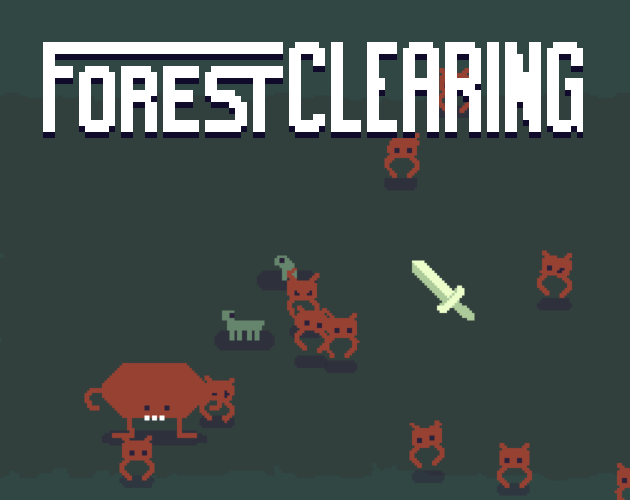
Broader Implications: Nurturing Talent and Shaping Indie Gaming’s Future
The sheer volume and inventive quality of games emerging from Ludum Dare 56, particularly those highlighted by itch.io, underscore several critical implications for the broader independent game development landscape. Firstly, game jams like Ludum Dare serve as indispensable talent incubators. They provide a low-stakes environment for aspiring and seasoned developers alike to hone skills, experiment with nascent ideas, and build portfolios under tight deadlines. Many developers who participate in Ludum Dare go on to launch successful indie studios or contribute significantly to larger projects, carrying with them the lessons learned in rapid prototyping and creative problem-solving.
Secondly, these events are crucial innovation showcases. The constraints imposed by themes and time limits often force developers to think outside conventional design paradigms, leading to the creation of truly unique mechanics, narratives, and artistic styles that might otherwise not see the light of day in more traditional, risk-averse development cycles. Games born from jams frequently explore niche genres, experimental interfaces, or profound thematic concepts, enriching the overall diversity of the gaming market.
Thirdly, itch.io’s sustained efforts in curating and promoting these games reinforce its role as a vital pillar in the indie game ecosystem. By providing an accessible platform for submission and effective channels for discovery, itch.io directly facilitates the connection between creators and players, fostering a supportive community. This platform allows small, experimental projects to find their audience, proving that commercial viability isn’t always the sole measure of a game’s worth. Moreover, some of these jam entries, after receiving positive feedback and refinement, often evolve into full-fledged commercial releases, further demonstrating the foundational importance of events like Ludum Dare.
Finally, for players, events like Ludum Dare and the subsequent curated lists offer a constant stream of fresh, diverse, and often free or pay-what-you-want content. It allows them to engage directly with the cutting edge of game design, explore unconventional ideas, and support emerging talent. The "Tiny Creatures" theme of Ludum Dare 56 has unequivocally proven its capacity to inspire a multitude of innovative and engaging experiences, from the whimsical to the thought-provoking.
The success of Ludum Dare 56, as evidenced by the myriad of creative interpretations and the continued efforts by platforms like itch.io to bring them to wider attention, highlights the enduring vibrancy and ingenuity of the independent game development community. These rapid-fire development challenges remain a powerful catalyst for innovation, talent discovery, and community building, ensuring a dynamic and ever-evolving future for video games.
About the Author