Ludum Dare 56, a globally recognized game development event, concluded its intensive 48-hour and 72-hour creation periods on October 7th, 2024, challenging developers worldwide to conceptualize and build games around the evocative theme of "Tiny Creatures." The digital landscape of itch.io has since become a vibrant repository of these rapid-fire innovations, with over 800 games tagged specifically for Ludum Dare 56 emerging in the two weeks following the jam. This immense outpouring of creativity has prompted itch.io, a prominent platform for independent game developers, to release a second curated selection of recommendations, further illuminating the diverse interpretations and technical prowess demonstrated by participants. This follow-up analysis expands on the initial highlights, offering a deeper look into the ingenuity fostered by one of the game development community’s most anticipated events.
The Enduring Phenomenon of Ludum Dare
Ludum Dare, Latin for "to give a game," stands as one of the longest-running and most influential game jams in the world. Initiated in 2002 by Geoff F. Gibson, it has grown from a niche gathering into a biennial global phenomenon, attracting thousands of participants from various backgrounds—from seasoned professionals to aspiring hobbyists. The core appeal lies in its stringent time limits (either 48 hours for the solo "Compo" or 72 hours for the team-based "Jam"), which force developers to embrace rapid prototyping, iterative design, and creative problem-solving under pressure. This compressed development cycle often leads to innovative mechanics, unique artistic styles, and a refreshingly experimental approach to game design that might not typically emerge from longer, more structured projects.
The event follows a well-defined chronology: a theme is announced, participants embark on their development journey, games are submitted, and then a community-wide rating period commences. This communal evaluation not only provides valuable feedback to creators but also helps surface hidden gems, fostering a supportive ecosystem of peer review and discovery. Historically, Ludum Dare has been a launchpad for numerous successful indie titles and has served as a crucial proving ground for new talent and unconventional ideas, cementing its reputation as a cornerstone of the independent game development scene. The sheer volume of over 800 submissions to itch.io for Ludum Dare 56 alone underscores its continued relevance and the vibrant energy it injects into the community.
"Tiny Creatures": A Theme of Microcosmic Wonders

The theme "Tiny Creatures" for Ludum Dare 56 presented a fertile ground for imaginative interpretations, encouraging developers to think beyond literal translations and delve into the metaphorical and mechanical possibilities inherent in small-scale existence. This theme could evoke anything from microscopic organisms and insects to miniature people, fantastical sprites, or even abstract concepts of smallness and insignificance within a larger world. The constraints of "tiny" naturally lean towards games that explore scale, perspective, resource management, environmental challenges from a minute viewpoint, or narratives centered on the struggles and triumphs of the diminutive.
The beauty of such an open-ended theme in a game jam is its capacity to yield an astonishing array of genres and gameplay experiences. From strategy and simulation to puzzle, adventure, and even horror, "Tiny Creatures" provided a flexible framework that allowed creators to stamp their unique vision onto the concept. The selections highlighted by itch.io demonstrate this breadth, showcasing how developers navigated the theme’s potential for both charming whimsy and profound contemplation.
Itch.io: The Premier Showcase for Game Jam Creations

Itch.io has solidified its position as an indispensable platform for independent game developers, particularly those participating in game jams like Ludum Dare. Its user-friendly interface for submissions, tagging, and community interaction makes it an ideal host for the thousands of projects generated during these events. For Ludum Dare 56, itch.io served not only as a primary repository for game submissions but also as a critical discovery engine. The platform’s robust tagging system allowed for easy categorization and filtering of the 800+ games, enabling players and curators alike to navigate the vast ocean of content.
The decision by itch.io to issue a second set of recommendations underscores its commitment to fostering the indie game ecosystem. This proactive curation effort helps to bring visibility to deserving titles that might otherwise get lost in the sheer volume, ensuring that innovative ideas and polished experiences receive the attention they merit. It reflects an understanding of the game jam’s long tail—the continued interest and engagement that extends well beyond the initial submission deadline. Official responses from itch.io, though inferred, would likely emphasize the platform’s delight in the quality and diversity of submissions, reiterating their role in championing independent development and discovery.
Featured Creations: Diverse Interpretations of "Tiny Creatures"
The following games, selected by itch.io, exemplify the creative breadth and technical ingenuity achieved within the demanding constraints of Ludum Dare 56. Each offers a unique perspective on the "Tiny Creatures" theme, demonstrating how developers can transform a simple prompt into engaging interactive experiences.
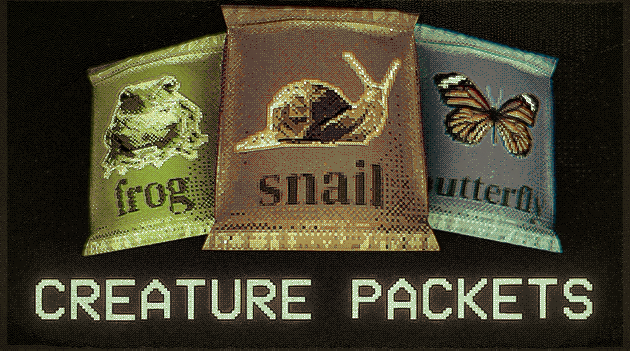
Creature Packets by Kenforest is a standout title that immediately grabs attention with its distinctive PS1-era aesthetic. This game takes the "Tiny Creatures" theme into a delightfully bizarre culinary context. Players are tasked with "cooking" tiny creatures by bringing them to life from packets using a microwave. The gameplay loop then expands, allowing players to use a blender to explore new "substance packages," which in turn enables the creation of even more exotic creatures. This darkly humorous and experimental approach to the theme highlights the potential for unexpected interpretations. The low-poly, textured graphics evoke a strong sense of nostalgia while also contributing to the game’s quirky charm, making it a memorable entry for Windows users.
Build The Sun by Punkcake offers a grander, more ambitious take on the theme, transforming the player into a god-like entity nurturing a world from a minuscule beginning. This pixel-art god game begins with the humble task of establishing settlements and upgrading a simple fire. The core progression involves exploration and resource gathering, ultimately leading to the ambitious goal of transforming the fire into a celestial body—the Sun itself. The "Tiny Creatures" aspect here is subtly woven into the early stages of world-building, where the nascent settlements and their inhabitants represent the small beginnings of a vast civilization. The game’s exploration, settlement, and expansion mechanics demonstrate a sophisticated design for a game jam title, available across Windows, macOS, and Linux.
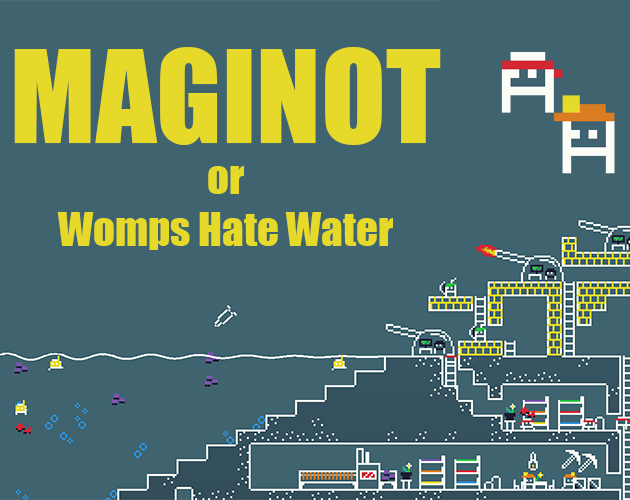
Maginot by vfqd presents an incremental colony builder with a strategic twist, focusing on subterranean expansion and defense against an encroaching sea. In this browser-playable game, players dig deep for valuable minerals, establishing and growing their colony. The "Tiny Creatures" element manifests in the "Womps," the small inhabitants attracted to the burgeoning colony, whose numbers and well-being are crucial for progression. The ultimate objective—to "obliterate the sea"—adds an epic, almost existential struggle to the incremental gameplay loop, showcasing how even tiny efforts can contribute to monumental goals. Its accessibility as a browser game ensures a broad audience can experience its unique blend of digging, building, and battling.
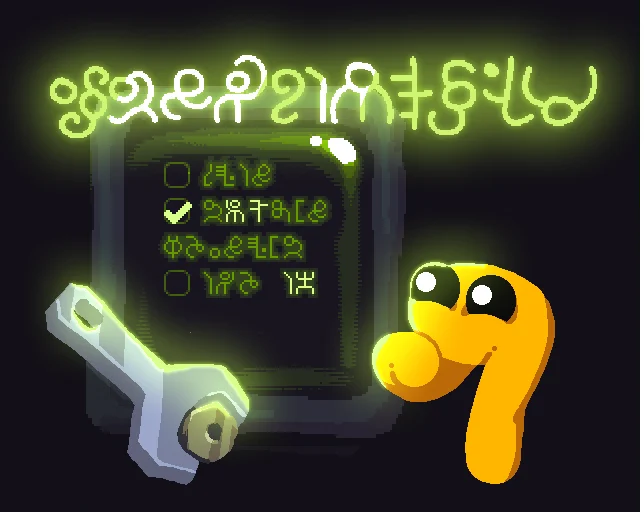
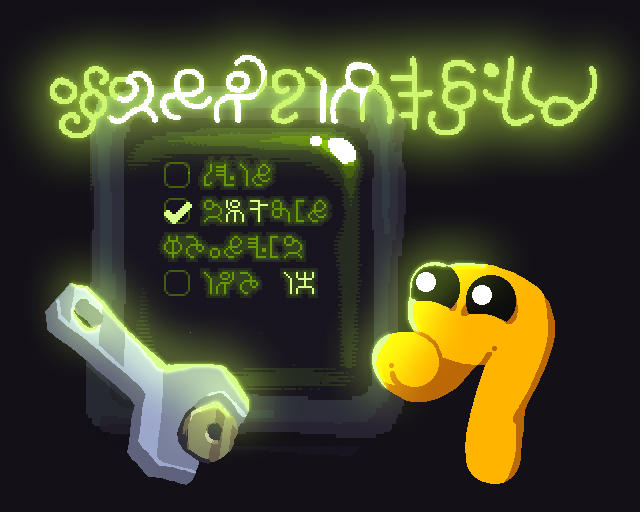
Headquarters by yogurtthehorse veers into the mysterious and cerebral, presenting a point-and-click simulation game centered around deciphering an alien alphabet. While not explicitly featuring visible "tiny creatures," the game evokes the theme through its focus on minute details, intricate puzzles, and the potentially small, alien intelligence behind the alphabet. The act of deciphering and understanding a foreign language can be seen as an interaction with a "tiny" yet significant piece of another culture or species. This abstract interpretation demonstrates the theme’s versatility, offering a thoughtful, atmospheric experience available on multiple platforms (browser, Windows, Linux, macOS).
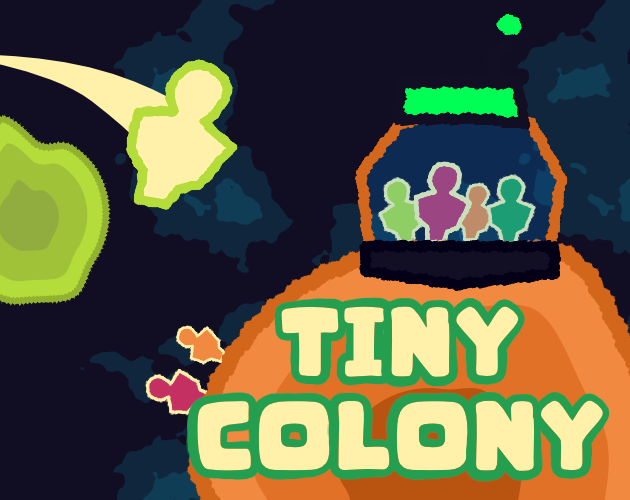
Tiny Colony by mreliptik directly embraces the "tiny" aspect with an innovative interplanetary slingshot system. Players colonize planets by launching their miniature creatures at high speeds, utilizing planetary gravity to navigate and avoid obstacles in the vastness of space. The game’s mechanics elegantly tie into the theme by making the creatures themselves small, emphasizing their vulnerability and the grand challenge of space travel from their perspective. The strategic use of gravity and the avoidance of the "endless void" create a compelling physics-based puzzle-action experience, accessible in browsers and on Windows, Linux, and Android.
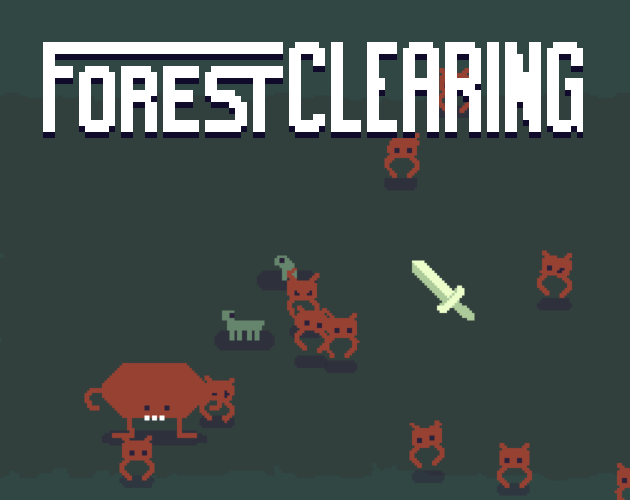
FOREST CLEARING by jefvel offers a darker, more pragmatic interpretation of "Tiny Creatures," blending protection with resource management. Players are tasked with protecting their "small friends" in a forest, but with a twist: these friends can also be harvested for meat to purchase upgrades. This brutal yet strategic loop involves swinging a sword to defend the forest inhabitants, knowing that their demise can lead to personal improvement. The game explores the moral ambiguity of survival and the cyclical nature of life and death within a contained ecosystem, offering a unique take on the theme with its upgrade system and browser/Windows availability.
Please Find Them by adamlenglen is a delightful hidden object game that perfectly aligns with the literal interpretation of "Tiny Creatures." Players embody an exterminator tasked with finding small creatures that have inexplicably shrunk within people’s houses. The gameplay involves meticulously searching detailed environments for these miniature beings, turning everyday spaces into challenging search-and-find puzzles. This game highlights the potential for charm and engaging gameplay within a straightforward application of the theme, offering a relaxing yet mentally stimulating experience directly in the browser.
Fear of the Ungnome by scottts takes the player on a whimsical first-person exploration and puzzle quest to locate a Great Aunt’s elusive gnome. The "tiny creature" here is the gnome, a mythical small being, and the game’s procedurally generated elements ensure a fresh experience with each play. The first-person perspective enhances the immersion, making the player feel truly part of the search for this miniature enigma. The blend of exploration, puzzle-solving, and procedural generation adds significant replayability, available in browsers and on Windows.
Mini Beasts by cassowary offers a more abstract and colorful interpretation, presenting a puzzle game where players rearrange critters to match their colors. The "tiny creatures" are here represented by charming, abstract critters, making the game visually appealing and intellectually engaging. This game demonstrates how the theme can be adapted into a purely mechanical puzzle format, focusing on logical manipulation and pattern recognition. Its simplicity and accessibility make it an ideal browser-based experience for casual puzzle enthusiasts.
Vox Regis by sheepolution concludes this selection with a uniquely strategic and voice-controlled experience. Players assume the role of a medieval king whose objective is to create chaos to keep rebellious factions "small in size." The "Tiny Creatures" theme is metaphorically applied to these factions, which must be kept insignificant to maintain the king’s rule. The innovative use of voice control to "lay blame" on factions, thereby manipulating the populace, introduces a novel input method that deeply integrates with the game’s political strategy. This title exemplifies how the theme can inspire complex metaphorical interpretations and experimental control schemes, available in browsers and across Windows, macOS, and Linux.
Broader Impact and Future Implications

The collective output of Ludum Dare 56, as evidenced by these itch.io recommendations, speaks volumes about the health and vitality of the independent game development community. Game jams like Ludum Dare serve several critical functions beyond merely producing new games:
- Skill Development: They provide an invaluable training ground for developers to hone their skills in rapid prototyping, coding, art, sound design, and project management under tight deadlines. Many developers credit game jams with significantly accelerating their learning curve.
- Innovation and Experimentation: The time constraints and thematic prompts encourage developers to think outside the box, leading to novel gameplay mechanics, unique artistic styles, and unconventional narratives that might not be explored in commercial projects.
- Community Building: Game jams foster a strong sense of community, encouraging collaboration, peer feedback, and mutual support among participants. Platforms like itch.io amplify this by providing a central hub for interaction.
- Discovery of Talent: Many aspiring developers gain their first recognition through game jams, and some entries even evolve into full-fledged commercial successes. It serves as a vital pipeline for new talent into the industry.
- Democratization of Game Development: By lowering the barrier to entry and providing a focused creative outlet, game jams enable anyone with an idea and some basic skills to create and share their work with a global audience.
The "Tiny Creatures" theme, in particular, has demonstrated how a seemingly simple concept can unlock a vast spectrum of creative possibilities, from literal interpretations of small beings to metaphorical explorations of scale, power, and perception. The games highlighted by itch.io are not just fleeting creations; they are testaments to human ingenuity and the enduring power of collaborative, time-constrained challenges.
As the rating period for Ludum Dare 56 draws to a close and community discussions continue, the impact of these "tiny" games will resonate throughout the indie game landscape. They offer fresh perspectives, spark new ideas, and inspire the next generation of developers. The continued curation and promotion by platforms like itch.io ensure that these ephemeral bursts of creativity have a lasting presence, shaping trends and pushing the boundaries of what is possible in interactive entertainment. The success of Ludum Dare 56 reinforces the notion that true innovation often thrives under pressure, and that sometimes, the smallest ideas can lead to the biggest breakthroughs. The gaming community eagerly awaits future iterations of Ludum Dare, confident in its ability to consistently deliver a fresh wave of captivating and imaginative experiences.
About the Author