The digital storefront and indie game hub itch.io has released its second curated selection of recommended titles from Ludum Dare 56, the globally acclaimed game development marathon that concluded its creation phase on October 7th, 2024. This latest showcase further highlights the ingenuity and diverse interpretations of the event’s central theme, "Tiny Creatures," which challenged developers to conceptualize and build playable experiences within a stringent 48 or 72-hour timeframe. With an impressive submission count exceeding 800 games tagged Ludum Dare 56 on itch.io alone, the platform continues to serve as a vital repository and discovery engine for the prolific output of the game jam community.
Understanding Ludum Dare: A Crucible of Creativity
Ludum Dare, Latin for "to give a game," is one of the longest-running and most influential game jams in the world. Established in 2002 by Geoff Howland, it has grown into a biannual event that convenes thousands of developers, from seasoned professionals to aspiring hobbyists, in a concentrated burst of creativity. The core premise involves participants designing and developing a complete video game from scratch based on a pre-announced theme, typically over a single weekend. The event operates primarily in two categories: the "Compo," a solo endeavor requiring all assets and code to be created within 48 hours, and the "Jam," which allows teams and pre-existing assets over a more lenient 72-hour period. This intense pressure cooker environment is designed to foster innovation, rapid prototyping, and the development of essential game design skills under extreme time constraints.
The significance of Ludum Dare extends beyond merely creating games. It cultivates a vibrant global community, encourages experimentation with novel mechanics and themes, and often serves as a proving ground for ideas that might later evolve into commercial releases. The "Tiny Creatures" theme for Ludum Dare 56 proved to be particularly fertile ground, inspiring developers to explore concepts ranging from microscopic organisms and insects to miniature societies and fantastical beings existing on a small scale. The inherent ambiguity of "tiny" allowed for broad interpretations, encompassing literal size, societal impact, or even the nascent stages of grander phenomena.
Ludum Dare 56: A Chronology of Creation
Ludum Dare 56 officially commenced on October 4th, 2024, at 9:00 PM EDT, with the announcement of the "Tiny Creatures" theme. For the subsequent 48 to 72 hours, developers worldwide embarked on a frantic yet exhilarating journey of ideation, coding, art creation, and sound design. The creation period concluded on October 7th, 2024, marking the transition into the crucial judging phase. During this period, participants play and rate each other’s games, providing valuable feedback and fostering a strong sense of camaraderie and mutual support within the community.

The sheer volume of submissions, with over 800 games available on itch.io, underscores the enduring popularity and accessibility of Ludum Dare. While the total number of entries across all hosting platforms is likely higher, itch.io serves as a primary hub for many participants due to its indie-friendly policies and robust game submission features. The high engagement reflects a thriving ecosystem where independent game development continues to flourish, driven by passion and the desire to push creative boundaries.
Itch.io’s Curatorial Effort: Spotlighting Innovation
Itch.io, a prominent open marketplace for independent digital creators, plays a pivotal role in democratizing game distribution and discovery. Its platform is a natural home for game jam entries, offering developers an easy way to upload, share, and gather feedback on their creations. The decision by itch.io to publish a second set of recommendations for Ludum Dare 56 games signifies the overwhelming quality and quantity of submissions. It demonstrates a commitment to showcasing the breadth of talent within its community and assisting players in navigating the vast landscape of new titles.
An itch.io spokesperson, commenting on the success of Ludum Dare events hosted on the platform, highlighted the vibrant community response: "Each Ludum Dare brings a fresh wave of creativity to itch.io, and LD56 was no exception. The ‘Tiny Creatures’ theme truly sparked imaginations, leading to an incredibly diverse and inventive collection of games. Our team is always thrilled to dive into these submissions and shine a light on the innovative work being done." This curatorial effort not only boosts visibility for individual developers but also reinforces itch.io’s position as a central pillar of the indie game development scene.
Featured Games: A Deep Dive into "Tiny Creatures" Interpretations
The second wave of itch.io’s Ludum Dare 56 recommendations presents a fascinating array of genres and artistic styles, each offering a unique take on the "Tiny Creatures" theme.
Creature Packets by Kenforest
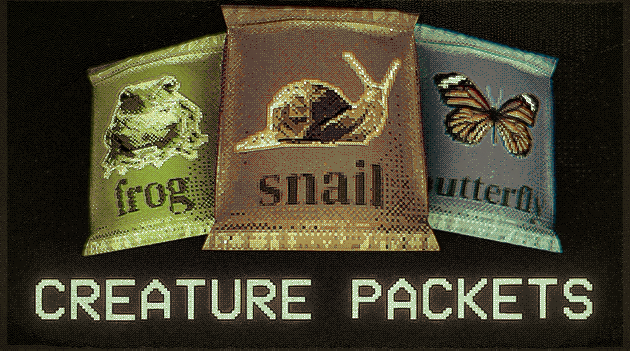
This PS1-styled horror-comedy game immerses players in a darkly whimsical cooking experience. "Creature Packets" challenges players to bring various tiny creatures to life from their sealed packets using a microwave. The twist arrives with a blender, which can be used to create new "substance packages," thereby enabling the creation of even more bizarre organisms. The game masterfully uses its retro aesthetic to evoke a sense of uncanny dread mixed with playful experimentation, a common yet effective blend in the indie horror scene. Its interpretation of "tiny creatures" leans into the fantastical and potentially grotesque, exploring themes of creation and transformation. Available for Windows, the game offers a distinct visual and gameplay experience.
Build The Sun by Punkcake
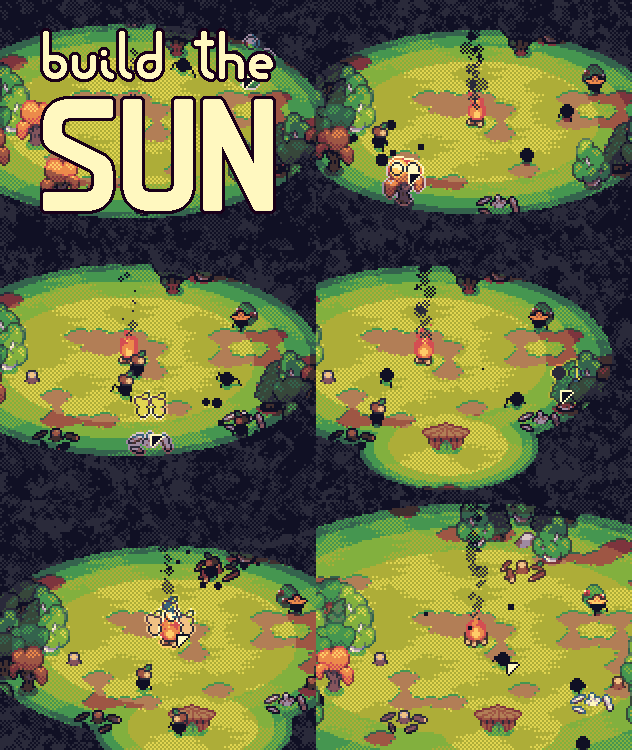
"Build The Sun" presents itself as a contemplative god game, where players are tasked with nurturing a nascent world from its humble beginnings. Starting with a tiny fire, players explore, establish settlements, and gather resources to gradually upgrade their flame until it evolves into a celestial body – the sun itself. This pixel-art journey ingeniously interprets "tiny" not as a fixed size but as a starting point, symbolizing growth and cosmic ambition. The exploration and expansion mechanics are central, requiring strategic resource management and foresight. Its availability across Windows, macOS, and Linux platforms ensures broad accessibility for players keen on witnessing the genesis of a miniature universe.
Maginot by Vfqd
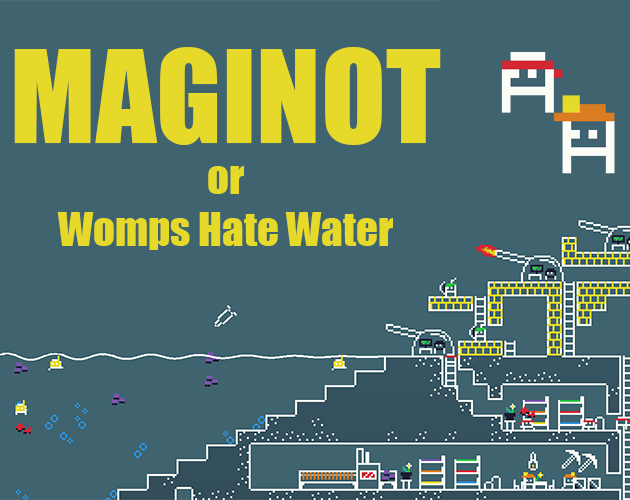
"Maginot" is an incremental colony builder that pits players against the relentless forces of the sea. The game’s core loop involves digging deep underground for precious minerals, expanding a burgeoning colony, and attracting new "Womps" – presumably the tiny creatures populating this subterranean world. The ultimate objective is to "obliterate the sea," a grand aspiration for a small, incremental enterprise. This game cleverly uses the "tiny creatures" theme to represent the collective efforts of a small community striving against overwhelming odds. Its browser-based accessibility makes it an immediate pick-up-and-play title, perfect for those who enjoy the satisfying progression of incremental games.
Headquarters by Yogurtthehorse
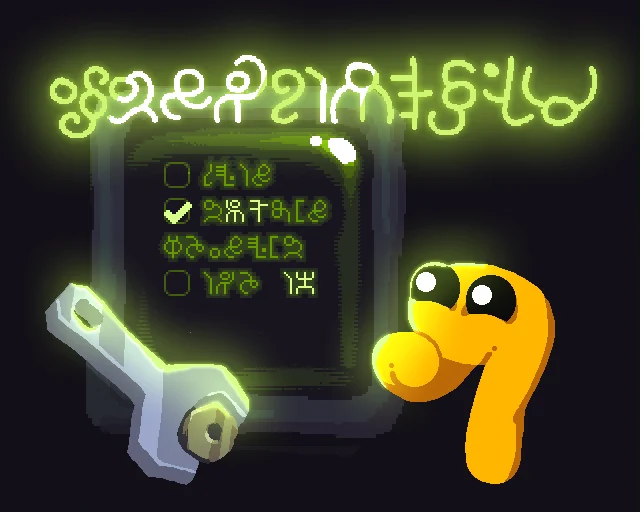
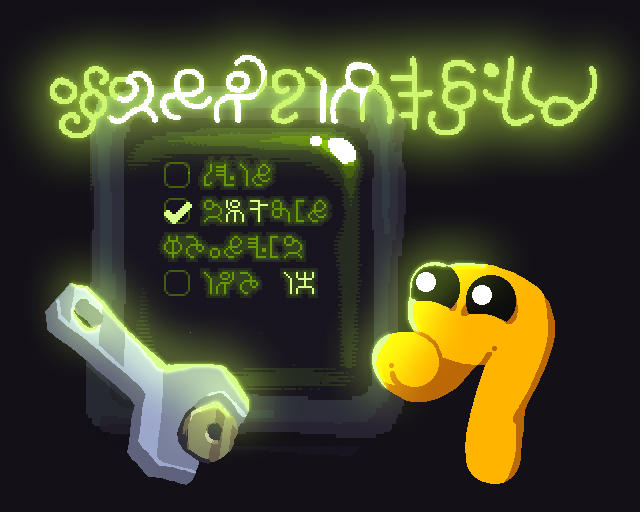
Shrouded in an air of mystery, "Headquarters" is a point-and-click simulation game focused on deciphering an enigmatic alphabet. While the connection to "Tiny Creatures" might initially seem less direct, the game likely implies that the "headquarters" itself, or the elements being deciphered, belong to or relate to a miniature, unseen intelligence or society. Point-and-click games often excel at environmental storytelling and puzzle-solving, and "Headquarters" promises a cerebral challenge. Its availability across browser, Windows, Linux, and macOS platforms ensures a wide audience can engage with its cryptic narrative.
Tiny Colony by Mreliptik
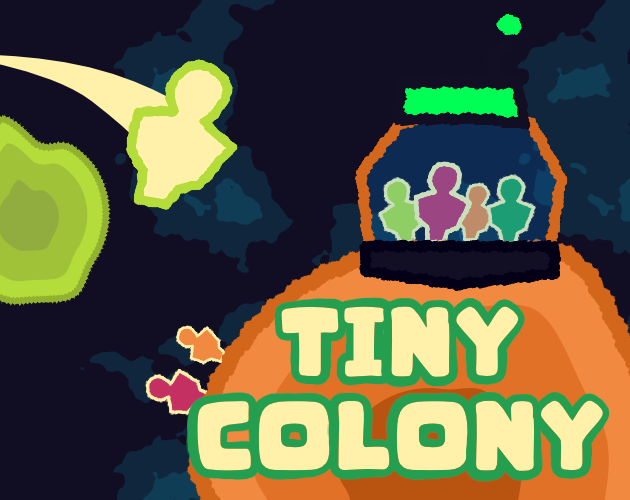
"Tiny Colony" directly embraces the theme by tasking players with colonizing planets using an "interplanetary slingshot system" to launch their miniature creatures through space. Players must expertly utilize planetary gravity to their advantage, navigating obstacles and the vast emptiness of space. This game combines elements of physics-based puzzles with strategic colony management, requiring precision and foresight. The "tiny creatures" are the brave pioneers, traversing cosmic distances through clever application of orbital mechanics. With browser, Windows, Linux, and Android versions, "Tiny Colony" offers versatile gameplay on various devices.
FOREST CLEARING by Jefvel
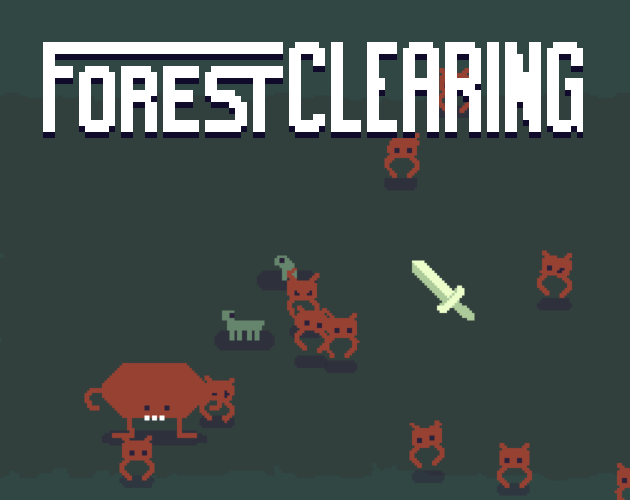
"FOREST CLEARING" introduces a darkly humorous survival game loop with a moral dilemma. Players are tasked with protecting their "small friends" in a forest, wielding a sword against unspecified threats. However, the game also presents the option to harvest these very friends for meat, which can then be used to purchase upgrades upon inevitable death. This stark choice highlights a cynical interpretation of "tiny creatures" as resources, forcing players to confront difficult ethical decisions within a survival context. The game’s browser and Windows availability makes it an accessible, albeit potentially disturbing, experience.
Please Find Them by Adamlenglen
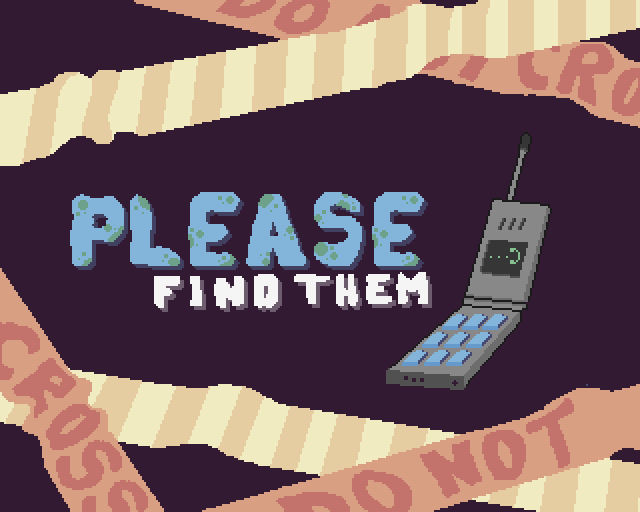
A classic take on the "Tiny Creatures" theme, "Please Find Them" is a hidden object game where players assume the role of an exterminator. The objective is to locate small creatures that have inexplicably shrunk and are now hiding within people’s houses. This premise offers a delightful blend of familiar gameplay with a whimsical narrative, challenging players’ observational skills in detailed environments. The game’s focus on discovery and meticulous searching makes it a relaxing yet engaging experience, perfectly suited for browser play.
Fear of the Ungnome by Scottts
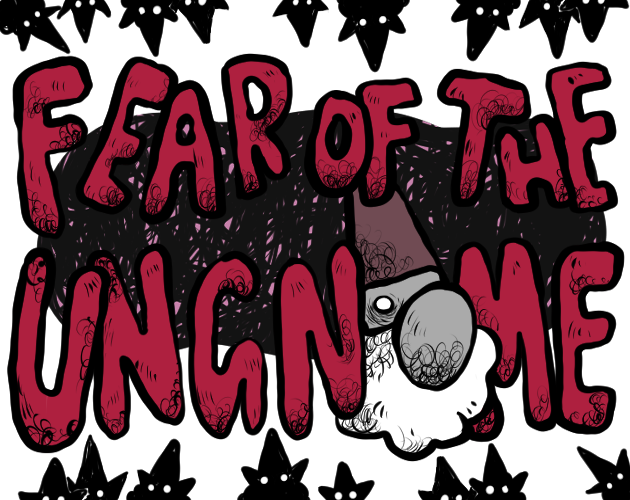
"Fear of the Ungnome" is a first-person exploration and puzzle game that sends players on a quest to find a Great Aunt’s elusive gnome. The "tiny creature" here is the titular gnome, central to a mystery that unfolds through exploration and the solving of procedurally generated puzzles. The procedural elements promise replayability and varied experiences, ensuring that each playthrough offers new challenges. The game blends a sense of whimsical wonder with the challenge of a puzzle-driven narrative, available for browser and Windows.
Mini Beasts by Cassowary
"Mini Beasts" offers a more abstract and casual interpretation of the theme, presenting a puzzle game where players rearrange colorful critters to match their hues. This game focuses on pattern recognition and logical thinking, providing a relaxing yet mentally stimulating experience. The "mini beasts" are adorable, stylized entities, making the game approachable and enjoyable for a wide audience. Its browser-based platform ensures instant playability for anyone seeking a quick, charming puzzle fix.
Vox Regis by Sheepolution
Perhaps one of the most innovative entries, "Vox Regis" is a medieval strategy game where players embody the king, tasked with maintaining control by creating chaos. The unique selling point is its voice-controlled mechanic: players use their own voice to "lay blame" on various factions, manipulating the populace and keeping rebellious groups "small in size." This metaphorical interpretation of "tiny creatures" as manageable threats or factions demonstrates profound creative thinking. The game challenges players to wield the power of their voice to manipulate political landscapes, offering a fresh take on strategy. Available for browser, Windows, macOS, and Linux, "Vox Regis" stands out for its unique input method and thematic depth.
Broader Impact and Implications for Indie Development
The sheer diversity and quality showcased in Ludum Dare 56, particularly highlighted by itch.io’s recommendations, underscore several critical aspects of the independent game development landscape. Firstly, game jams like Ludum Dare serve as invaluable incubators for innovation. The constraints of time and a specific theme often force developers to think outside conventional boxes, leading to novel mechanics, artistic styles, and narrative approaches that might not emerge under less restrictive circumstances. The "Tiny Creatures" theme, in particular, proved versatile enough to inspire everything from horror cooking to cosmic colonization and voice-controlled political intrigue.
Secondly, these events foster a robust and supportive global community. Participants not only compete but also collaborate, share knowledge, and provide constructive criticism during the judging phase. This peer-to-peer learning environment is crucial for aspiring developers, offering practical experience and networking opportunities that are often difficult to find elsewhere. Industry professionals frequently participate, both as developers and mentors, further enriching the ecosystem.
Thirdly, platforms like itch.io are indispensable in democratizing game development and distribution. They provide an accessible avenue for developers, regardless of their background or resources, to publish their work and reach a global audience. The success of Ludum Dare 56 on itch.io is a testament to the platform’s effectiveness in supporting grassroots game creation and facilitating discovery. Many of the games showcased in these recommendations, while initially rapid prototypes, hold the potential to evolve into fully fleshed-out commercial titles, demonstrating the long-term impact of game jams on the industry.
Organizers of Ludum Dare consistently emphasize the event’s role in skill development, particularly in rapid prototyping, creative problem-solving, and efficient project management. Developers often speak of the invaluable experience gained from taking an idea from concept to playable state in just a few days, a skill set highly prized in the fast-paced world of game development.
Looking Forward
As the judging period for Ludum Dare 56 continues, the community eagerly anticipates the final results and the recognition of outstanding entries. The volume and creativity of games inspired by "Tiny Creatures" affirm the enduring power of game jams to spark imagination and push the boundaries of interactive entertainment. Itch.io’s commitment to highlighting these creations ensures that the vibrant spirit of independent game development continues to thrive, providing a constant stream of fresh, innovative experiences for players worldwide. The success of this iteration of Ludum Dare reinforces its status as a pivotal event in the annual calendar of game developers, promising more exciting creations in the future.
About the Author