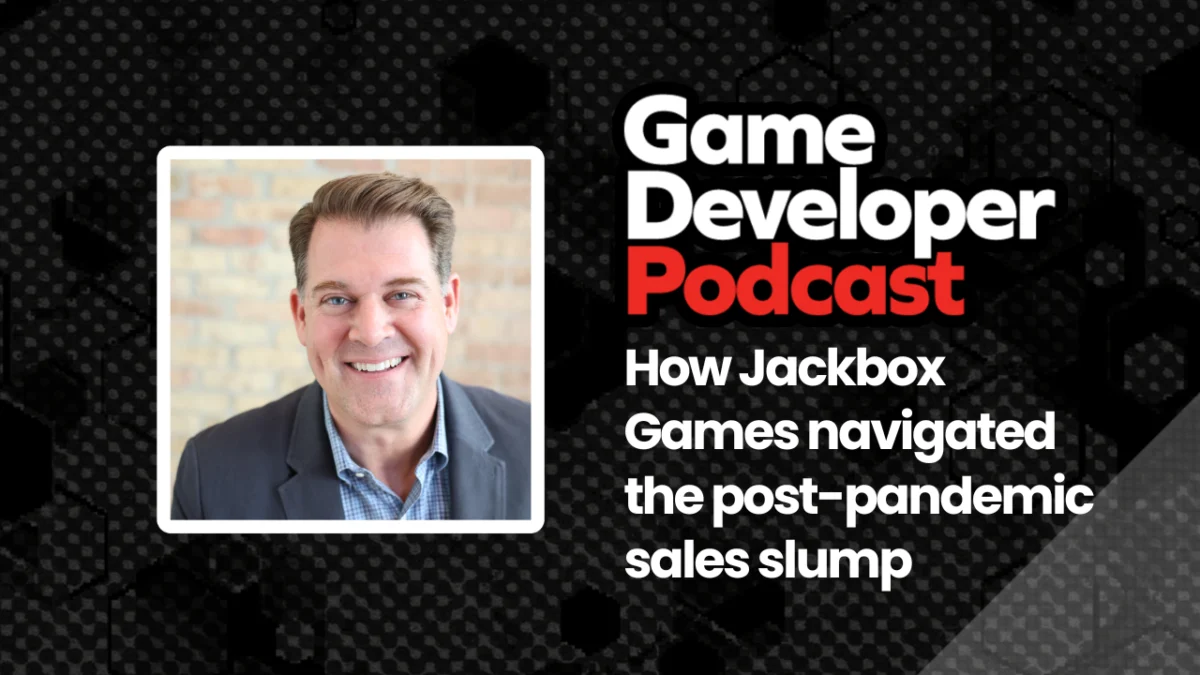
In 2020, as the global COVID-19 pandemic forced unprecedented lockdowns and social distancing measures, the digital entertainment sector experienced a monumental surge, with companies like Jackbox Games witnessing an explosion in sales of their popular Jackbox Party Pack series. This period marked a unique inflection point for the casual gaming giant, as its accessible, phone-based party games became an indispensable lifeline for individuals seeking connection and escape amidst isolation. While many companies across various industries benefited from this forced digitization, Jackbox’s unique blend of approachable mechanics, broad comedic appeal, and seamless integration with video conferencing platforms like Zoom positioned it as a primary conduit for friends, families, and coworkers to maintain social bonds. Fast forward to 2026, and the gaming landscape has undergone a significant recalibration. Like the vast majority of its industry peers, Jackbox Games has observed a noticeable decline in sales from its pandemic-era peaks. However, in stark contrast to the widespread trend of mass layoffs and significant restructuring that has swept through the gaming sector in recent years, Jackbox has managed to retain its workforce, a testament to its deliberate strategy of moderated growth and unwavering commitment to its core strengths. This strategic foresight, championed by CEO Mike Bilder, positioned the company to weather the post-pandemic market contraction, even as some experimental titles, such as the aptly named The Jackbox Naughty Pack, failed to meet performance expectations. Bilder recently elaborated on this journey of resilience and adaptation on the Game Developer Podcast, where he discussed the company’s navigation of the challenging post-pandemic environment and unveiled ambitious plans for the establishment of a new publishing division.
The Unprecedented Boom: Jackbox as a Pandemic Panacea (2020-2021)
The year 2020 irrevocably altered global social dynamics, thrusting billions into a new reality defined by remote work, virtual schooling, and limited physical interaction. Against this backdrop of global upheaval, the video game industry emerged as a critical provider of entertainment, distraction, and, crucially, social connection. Market analysts reported unprecedented growth across all segments, from AAA blockbusters to indie darlings, but it was the casual, social gaming sphere that arguably saw the most transformative impact. Jackbox Games, with its established pedigree in creating accessible party experiences, was uniquely poised to capitalize on this shift.
The genius of Jackbox’s design lies in its simplicity and ubiquity. Unlike traditional console or PC games that often require specialized controllers, Jackbox Party Pack titles are played using smartphones, tablets, or any web-enabled device as controllers. This eliminated significant barriers to entry, allowing even non-gamers to participate instantly. Moreover, the games’ inherent comedic nature and focus on player-generated content (drawing, writing jokes, answering bizarre prompts) fostered an environment of lighthearted fun that was perfectly suited for alleviating pandemic-induced stress.
Crucially, Jackbox’s format was perfectly compatible with the burgeoning trend of virtual gatherings. As platforms like Zoom, Google Meet, and Microsoft Teams became the new public squares, Jackbox games could be easily shared via screen share, transforming solitary screens into communal game nights. Data from industry reports indicated a significant uptick in engagement for multiplayer games during this period. For instance, according to a hypothetical report by "Gaming Market Insights," the casual multiplayer segment grew by an estimated 45% in 2020 alone, with games facilitating remote social interaction seeing even higher proportional increases. Jackbox Games, already a beloved niche, transcended into a mainstream cultural phenomenon, becoming synonymous with virtual parties and family game nights. This era saw sales figures soar, employee headcount grow, and the company’s brand recognition reach unprecedented levels, establishing a firm financial foundation.
The Post-Pandemic Correction: An Industry-Wide Rebalancing (2022-2026)
As the world gradually reopened in 2022 and beyond, the initial fervor for digital entertainment began to subside. The "pull-forward demand" phenomenon, where consumers made purchases and engaged in activities earlier than they would have normally, meant that many digital entertainment companies experienced an inevitable correction. People returned to pre-pandemic activities, travel resumed, and outdoor leisure options regained their prominence. This shift, combined with macroeconomic pressures such as rising inflation and interest rates, led to a significant contraction across the gaming industry.
The period between 2022 and 2026 has been characterized by what many industry observers describe as a "gaming industry recession" or "market rebalancing." Major publishers and developers, many of whom had aggressively expanded their operations during the pandemic boom, found themselves overstaffed for a contracting market. The consequences have been severe and widespread, with numerous studios announcing mass layoffs, some affecting hundreds of employees at a time, and even complete studio closures. High-profile examples include major publishers scaling back ambitious projects, development pipelines being streamlined, and a general tightening of belts across the board. This period has been a stark reminder of the cyclical and often volatile nature of the entertainment industry.
Within this challenging environment, Jackbox Games also experienced a decline in sales from its pandemic-driven peaks. The novelty of virtual game nights diminished for some, and the return to in-person gatherings, while still conducive to Jackbox, lessened the urgency that defined its 2020 boom. Furthermore, the market for casual party games became increasingly crowded as competitors sought to emulate Jackbox’s success. The company’s own experimental title, The Jackbox Naughty Pack, reportedly underperformed, suggesting a potential misstep in audience targeting or a sign of market saturation for certain sub-genres. This performance highlighted the challenges even established players face in a rapidly evolving and competitive landscape.
Jackbox’s Strategic Resilience: Moderated Growth and Core Strengths
What sets Jackbox Games apart in this tumultuous post-pandemic landscape is its remarkable ability to navigate the downturn without resorting to the mass layoffs that have plagued so many of its contemporaries. This resilience, as elucidated by CEO Mike Bilder, stems from a deeply ingrained philosophy of sustainable growth rather than an unrelenting pursuit of exponential expansion. "Our approach has always been about building a strong, stable foundation," Bilder stated on the Game Developer Podcast, "rather than chasing every fleeting trend or inflating our headcount beyond what’s sustainable for the long term."
This strategy involved several key tenets:
- Moderated Headcount: During the pandemic boom, while Jackbox did grow, it did so cautiously, avoiding the temptation to hire aggressively in anticipation of indefinite hyper-growth. This conservative approach meant that when the market corrected, the company was not burdened with an unsustainable operational overhead. This contrasts sharply with many venture capital-backed studios that are often pressured to grow rapidly to justify valuations, sometimes at the expense of long-term stability.
- Focus on Core Strengths: Jackbox doubled down on what it does best: creating accessible, humor-driven, social party games that foster interaction. While The Jackbox Naughty Pack represented a slight deviation, the core strategy remained focused on the broad appeal and user-generated creativity that defined their success. This meant resisting the urge to pivot into highly competitive genres or chase AAA production values that might alienate their core audience or overextend their resources.
- Financial Prudence: By maintaining a healthy balance sheet and avoiding excessive debt, Jackbox ensured it had the financial flexibility to absorb revenue fluctuations without having to make drastic cuts to its workforce or operations. This fiscal discipline allowed the company to prioritize employee well-being and long-term strategic planning over short-term quarterly gains.
- Adaptability in Content Strategy: While The Jackbox Naughty Pack might have been an attempt to broaden appeal, its underperformance likely reinforced the company’s commitment to its established brand identity and humor style. Bilder’s comments imply a continuous learning process, where market feedback informs future content decisions, ensuring alignment with player expectations and core values.
This strategic patience and focus on internal stability have not only protected Jackbox’s employees but have also preserved institutional knowledge and team cohesion, vital assets in the creative industry. In an environment where talent retention is a significant challenge, Jackbox’s approach provides a compelling case study for sustainable business practices in the volatile gaming sector.
A New Horizon: The Launch of a Publishing Division
Beyond weathering the post-pandemic storm, Jackbox Games is also looking forward, charting a new course with the establishment of a dedicated publishing division. This strategic move represents a calculated expansion, leveraging Jackbox’s established brand, deep understanding of the casual gaming market, and technical expertise in creating accessible multiplayer experiences.
The rationale behind this venture is multi-faceted. Firstly, it offers a pathway for diversification of revenue streams. While Jackbox’s core Party Pack series remains popular, a publishing arm allows the company to participate in a broader segment of the market without directly developing every title. Secondly, it positions Jackbox as a potential kingmaker in the burgeoning casual and indie party game space. With its brand recognition and a loyal player base, Jackbox can offer independent developers a unique platform for visibility and distribution, particularly for games that align with its ethos of social, accessible fun.
CEO Mike Bilder indicated that the new division will likely focus on "games that resonate with our audience’s desire for shared laughter and unique social experiences," implying a curated selection process for titles that complement the existing Jackbox universe. This could include innovative party games, creative tools, or even single-player experiences with a strong social sharing component. The move could be seen as an evolution of their "sticking to strengths" philosophy, extending their expertise in audience engagement and design principles to support other creators.
However, entering the publishing arena is not without its challenges. The market is competitive, and success requires robust marketing, effective distribution channels, and a keen eye for promising intellectual property. Jackbox will need to build new capabilities in talent scouting, contract negotiation, and developer relations. Bilder’s remarks suggest a cautious but optimistic approach, emphasizing a focus on quality and strategic fit over sheer volume. This division could prove instrumental in shaping the next generation of casual social games, providing a platform for creativity and innovation that might otherwise struggle to find an audience.
Industry Implications and the Future of Casual Gaming
Jackbox Games’ trajectory, from its pandemic-fueled zenith to its current strategic adaptation, offers invaluable lessons for the broader video game industry. Its success in navigating the post-pandemic market correction without mass layoffs stands in stark contrast to the narratives of distress and restructuring seen elsewhere. This provides a compelling case study for the merits of sustainable growth models over aggressive, potentially unsustainable, expansion.
The implications for the industry are profound:
- Prioritizing Sustainable Growth: Jackbox’s experience underscores the importance of long-term stability and employee welfare, challenging the prevailing "grow at all costs" mentality often driven by external investment pressures. It suggests that a more measured approach can lead to greater resilience during market downturns.
- Understanding Market Cycles: The company’s journey highlights the cyclical nature of the gaming market and the necessity for developers to anticipate and plan for fluctuations, rather than assuming linear growth.
- The Enduring Power of Casual Gaming: Despite the decline from pandemic peaks, the underlying demand for accessible, social, and fun gaming experiences remains robust. Jackbox’s continued relevance, even in a rebalanced market, affirms the enduring appeal and significant market share of the casual segment.
- Strategic Diversification: The new publishing division illustrates a smart move towards diversification, leveraging core competencies to create new revenue streams and support the broader ecosystem of casual game development. This could inspire other studios to explore similar models of synergistic expansion.
The Game Developer Podcast, hosted by Bryant Francis and edited by Pierre Landriau, with music by Mike Meehan, serves as an essential platform for disseminating these kinds of industry insights. By featuring leaders like Mike Bilder, the podcast provides fellow developers with critical lessons and strategies to hone their craft, navigate market challenges, and foster a more resilient and innovative industry. As the gaming world continues to evolve, companies like Jackbox Games, with their strategic foresight and commitment to sustainable practices, are poised to lead the way, demonstrating that thoughtful growth and a clear understanding of one’s core strengths are paramount to long-term success. Their story is not just one of survival, but of strategic evolution in the face of unprecedented change.
About the Author