Three weeks ago, renowned tech luminary Jeff Atwood, co-founder of Stack Overflow and Discourse, joined forces with veteran broadcaster Leo Laporte to record the inaugural episode of a new monthly series for the TWiT network. This collaboration, now officially titled "Off By One with Jeff Atwood," marks a significant addition to TWiT’s extensive programming, promising a unique blend of technical discourse, historical anecdotes, and profound social commentary, all delivered with an unconventional, engaging style. The show’s distinctive name, "Off By One," is a nod to a classic programmer’s joke, highlighting the often-subtle yet critical errors in computer science, a theme that playfully extends to the show’s deliberate divergence in conversational topics.
Genesis of a New Tech Dialogue
The conception of "Off By One" was catalyzed by Wesley Faulkner, whose introduction led to Atwood’s guest appearance on TWiT’s "Intelligent Machines #859" on February 25th. That initial encounter, featuring a dynamic panel including Paris Martineau and Jeff Jarvis, showcased an undeniable chemistry between Atwood and Laporte, characterized by what Atwood himself described as "chaotic good." This precursor demonstrated Atwood’s capacity for deep dives into complex subjects while maintaining an entertaining and often humorous approach, laying the groundwork for a dedicated series. The positive reception and evident rapport spurred the development of a regular monthly program, designed to harness this energy into a structured, yet free-flowing, format.
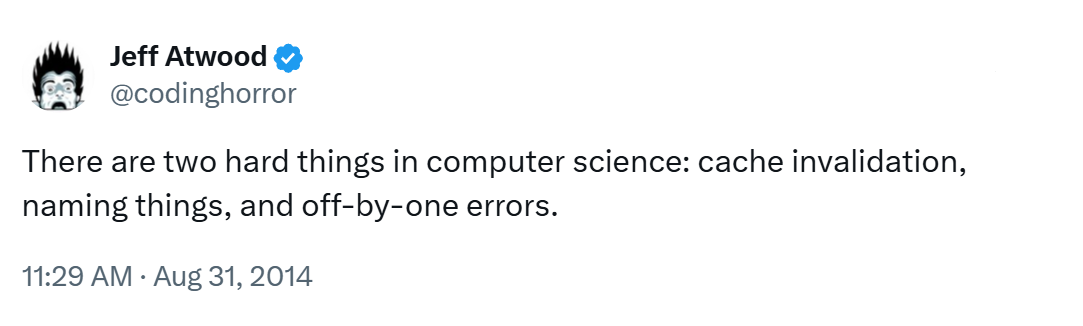
The decision to name the show "Off By One" reflects not only a programmer’s inside joke but also the show’s intended conversational style. In computer science, an "off-by-one error" is a common bug where a loop or calculation iterates one too many or one too few times. This technicality is humorously extended to the show’s premise, where discussions are designed to be "off by one topic at all times, in the best possible way," embracing a tangential yet insightful exploration of subjects. This approach aligns with Atwood’s known affinity for challenging conventional thought and delving into the underlying principles of technology and human interaction.
The Vision Behind "Off By One"
The show’s philosophy, as articulated by Atwood, centers on "pure joy end to end. No negativity, just low-level insanity and of course, mandatory fun." This ethos aims to counter the often-serious or critical tone prevalent in much of tech media, offering a refreshing perspective that emphasizes positive engagement and shared enthusiasm. For Atwood, this new platform represents an evolution of his long-standing commitment to sharing insights and fostering community, a principle he previously explored through his "Coding Horror" blog and the collaborative success of Stack Overflow and Discourse. He notes, "My happiness only becomes real when I share it with all of you," underscoring the intrinsic motivation to connect with a wider audience through this new video and audio medium.
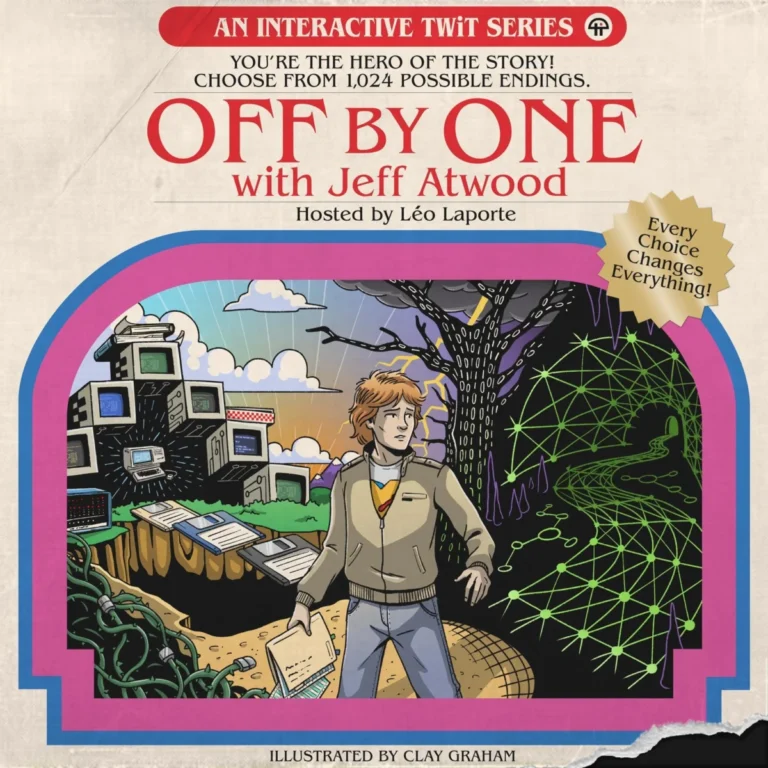
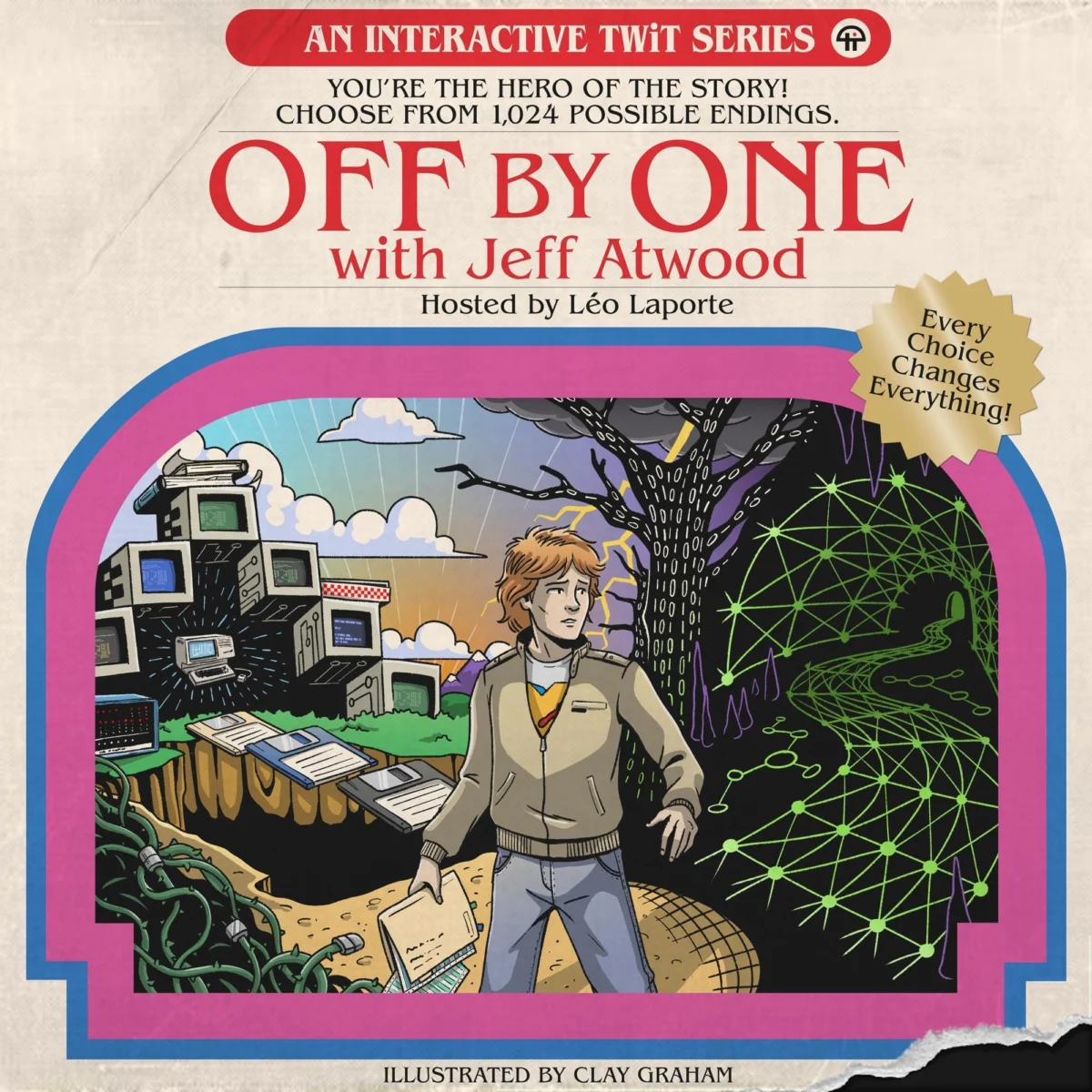
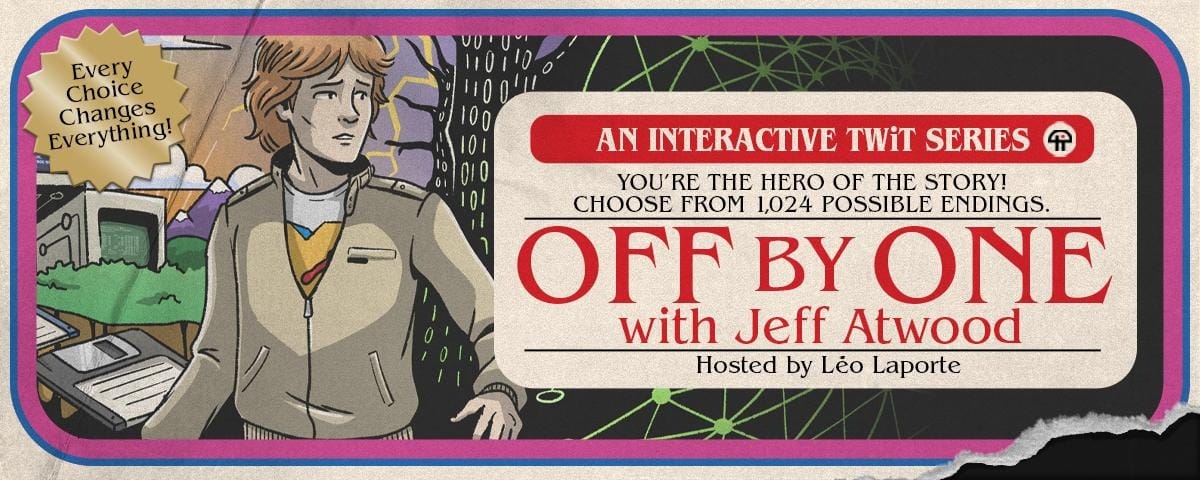
The format of "Off By One" allows for a multi-dimensional sharing of perspectives, leveraging the visual and auditory cues of body language, facial expressions, and vocal tones to convey the deeper "feels" behind the discussions. Each episode, approximately 1 hour and 47 minutes in length, is designed to be an immersive experience, delving into diverse subjects ranging from computing history and the open web to more abstract topics like wealth inequality and even prop comedy. The show’s permanent homepage, twit.tv/obo, features striking artwork by Clay Graham, visually representing the interactive and exploratory nature of the series.
Key Themes and Discussions from Early Episodes
The initial episodes of "Off By One" have already tackled a broad spectrum of critical themes, reflecting both hosts’ intellectual curiosity and commitment to meaningful dialogue.
One significant discussion revolved around Atwood’s self-assessment as a programmer. Despite his towering influence in the tech world, particularly as a co-founder of Stack Overflow, he humbly stated, "I am not an elite coder by any stretch of the imagination… I am very persistent." This statement led to a deeper conversation with Laporte about the true essence of expertise in coding, with Atwood advocating for "survivable code" and "good engineering" practices that prioritize human collaboration and empathy. He famously quipped, "Ideally, no code at all. That’s the best code, is none," highlighting a Zen-like approach to problem-solving through simplification and thoughtful design—a perspective often overlooked in the pursuit of complex solutions. This insight resonates deeply within the software development community, where the maintenance burden of excessive or poorly written code is a constant challenge. It also aligns with principles of minimalist design and efficient resource allocation, emphasizing the strategic importance of what not to build.
Another poignant segment featured Atwood reflecting on personal experiences and their broader implications. Discussing a period he dubbed "the last season of the John Atwood show" (referring to his father), he shared a powerful anecdote about "winning capitalism" and then "making it better for everyone." This intensely personal reflection segued into a more expansive critique of contemporary economic structures, particularly wealth inequality. Atwood presented compelling data, stating that "if we simply collected a fair tax from Billionaires, we could literally eliminate all poverty in this country at the 100% FPL level, which is $15,000 per year. All poverty. We would have zero poverty. We have the means to do it… We lack the will." This bold assertion underscores a recurring theme in his public commentary: the moral and practical imperative for societal improvement through equitable distribution of resources. According to reports from organizations like Oxfam and the Congressional Budget Office, the concentration of wealth has indeed reached historic levels, with the top 1% holding a disproportionate share. For example, a 2022 Oxfam report indicated that the world’s ten richest men doubled their fortunes during the first two years of the COVID-19 pandemic, while incomes of 99% of humanity fell. Discussions around wealth taxation, such as a wealth tax or increased capital gains taxes, are ongoing in policy circles globally, with proponents arguing for their potential to fund social programs and reduce inequality.

The show also ventured into the rapidly evolving landscape of artificial intelligence, specifically Large Language Models (LLMs). Atwood coined the evocative phrase "JPEG for words" to describe LLMs, explaining that while they are excellent at summarizing and compressing information without significant loss, they lack genuine understanding or intent. He illustrated this with an example from Discourse’s internal implementation of AI summaries, noting their surprising accuracy in capturing key points from complex discussions. This analogy highlights the capabilities and limitations of current AI, suggesting that while LLMs can effectively process and re-present information, they do not "know what they’re doing" in a human sense. The "JPEG for words" analogy is particularly insightful, drawing a parallel to image compression where details might be lost but the essence remains, much like how LLMs synthesize text. This perspective contributes to the ongoing debate about AI’s role in creative and analytical tasks, emphasizing the need for a nuanced understanding of its mechanistic operations versus true intelligence. The rapid advancements in generative AI, as evidenced by tools like ChatGPT and Google Bard, have indeed shown remarkable abilities in text generation and summarization, leading to widespread adoption in various industries. However, concerns about factual accuracy, bias, and the potential for "hallucinations" (generating plausible but incorrect information) remain prominent in the AI research community.
The TWiT Network and Community Engagement
The TWiT Network, founded by Leo Laporte, has been a cornerstone of tech broadcasting for nearly two decades. Known for its extensive catalog of podcasts and live video shows covering everything from cybersecurity to consumer electronics, TWiT has built a dedicated global audience. The addition of "Off By One" aligns with TWiT’s mission to deliver insightful, high-quality tech content while also expanding its intellectual footprint into broader societal discussions.
A core component of the TWiT ecosystem is "Club TWiT," a membership program that offers exclusive content, ad-free listening, and access to live show recordings. Atwood’s generous offer to cover a year’s Club TWiT membership for the first ten viewers who watch the entire second episode and fill out a form is a strategic move to foster community engagement and introduce new audiences to the benefits of membership. This initiative not only supports the show but also strengthens the broader TWiT community, encouraging active participation.
Beyond the viewership, Atwood also encourages engagement on the TWiT community Discourse forum. This platform, naturally, leverages his expertise in online community building (as co-creator of Discourse itself). He suggests that active participation on the forum, particularly for Club TWiT members, could lead to "a super cool little token of appreciation in the postal mail from some user named ‘Junk’," adding a playful incentive for deeper community involvement. This emphasis on written communication, particularly the practice of crafting coherent paragraphs, aligns with Atwood’s long-held belief in the power of clear expression as a fundamental skill, as explored in his "Coding Horror" blog post "Nobody’s Going To Help You And That’s Awesome," which advocates for self-reliance and effective communication.
Broader Implications and Future Outlook
The launch of "Off By One with Jeff Atwood" on the TWiT Network represents more than just another tech show; it signifies a deliberate effort to create a space for thoughtful, optimistic, and occasionally irreverent dialogue about technology’s intersection with humanity. Atwood’s distinctive voice, combined with Laporte’s seasoned journalistic approach, offers a refreshing alternative to the often-polarized or overly niche discussions prevalent in digital media.
The show’s willingness to delve into topics like wealth inequality and the ethical implications of AI positions it as a platform for critical public discourse, moving beyond purely technical specifications to address the societal impact of technological advancements. This approach is increasingly vital in an era where technology’s influence permeates every aspect of life, demanding a more holistic and human-centric perspective from its creators and commentators.
As "Off By One" continues its monthly run, it is poised to not only inform and entertain its audience but also to inspire a deeper reflection on the purpose of technology, the responsibilities of those who create it, and the potential for collective action to shape a more equitable future. The blend of humor, profound insights, and genuine enthusiasm from its hosts ensures that the show will likely cultivate a loyal following, eager to witness the ongoing "chaotic good" that emerges from this unique collaboration. The series stands as a testament to the idea that complex topics can be explored with both rigor and levity, making the journey of understanding an enjoyable and enriching experience for all.
About the Author