The Blender Artists forum, a vibrant digital hub for 3D artists worldwide, continues to be a fertile ground for exceptional creative output. Each week, hundreds of artists contribute their latest projects, ranging from intricate character designs and breathtaking environmental art to innovative architectural visualizations and experimental abstract pieces. This extensive collection represents a significant cross-section of the evolving landscape of digital art and design, driven by the powerful and accessible open-source 3D creation suite, Blender. Among this continuous stream of talent, certain works emerge that not only demonstrate technical mastery but also possess a unique conceptual appeal, capturing the attention of the community and highlighting the boundless potential of artistic expression through digital mediums.
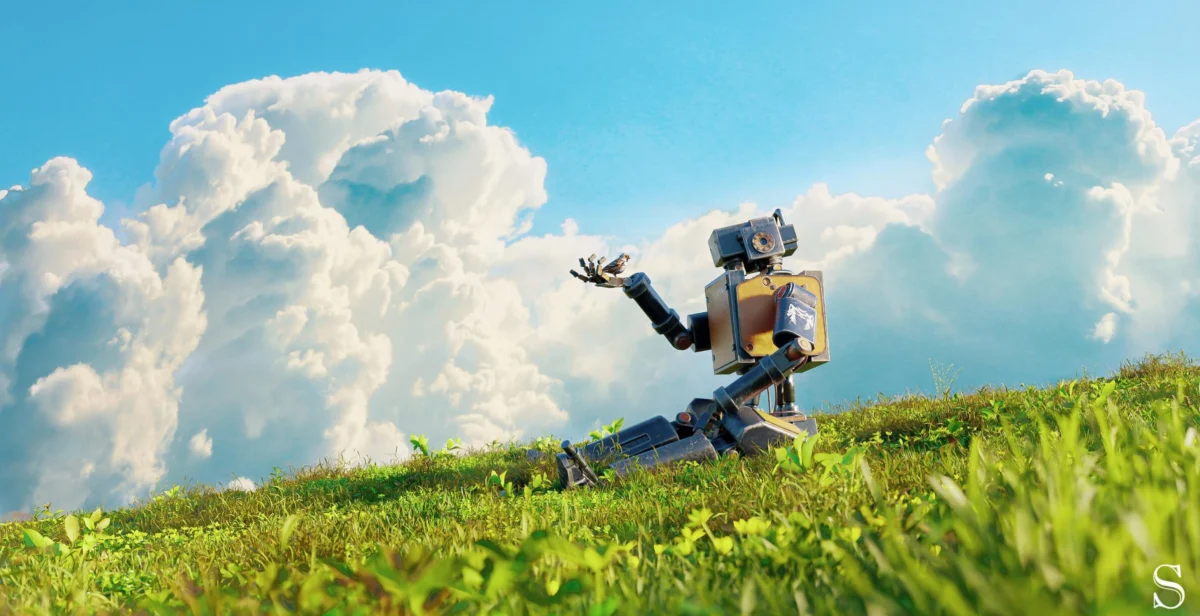
This week’s featured artwork, an "Odd Little Specimen," stands as a prime example of such a standout creation. While the specific details of the specimen itself are left to the viewer’s interpretation, the surrounding artistic execution speaks volumes about the artist’s skill and vision. The piece, presented on BlenderNation, a prominent online platform dedicated to Blender news and resources, serves as a testament to the ongoing proliferation of high-quality digital art being generated by users of the software. The regular showcasing of these works, curated by experienced members of the Blender community, plays a crucial role in fostering engagement, inspiring new artists, and providing a valuable archive of contemporary 3D art trends.
The Significance of Community Showcases
The Blender Artists forum, established in [Insert Year of Forum Establishment if available, otherwise state "over a decade ago" or similar], has grown exponentially since its inception. It now hosts millions of posts and serves as a primary point of contact for artists seeking feedback, collaborators, or simply a platform to share their passion. The weekly roundups, as exemplified by the "Odd Little Specimen" feature, are more than just aesthetic presentations; they are critical components of the community’s ecosystem. These curated selections offer a distilled view of the week’s most compelling creations, providing exposure to artists who might otherwise be lost in the sheer volume of submissions.
The process of selection, typically handled by experienced community moderators or prominent figures within the Blender sphere, involves evaluating submissions based on a combination of technical proficiency, artistic merit, originality, and overall impact. The "Odd Little Specimen" likely garnered attention due to its distinctive character, perhaps a unique creature design, an unusual object, or an abstract form rendered with a compelling aesthetic. Such pieces often resonate with the community because they push creative boundaries and offer fresh perspectives within the often-familiar realms of 3D art.
A Deeper Dive into the "Odd Little Specimen"
While the provided snippet does not include detailed descriptions of the artwork itself, the title "Odd Little Specimen" suggests a subject matter that deviates from the conventional. This could encompass a fantastical creature, a peculiar scientific anomaly rendered artistically, or even an abstract composition that evokes a sense of the unusual. The effectiveness of such a piece often lies in its ability to spark curiosity and invite interpretation.
The visual representation of the "Odd Little Specimen" is paramount. Modern 3D rendering techniques, readily available within Blender, allow artists to achieve photorealistic or highly stylized results. The quality of the lighting, texturing, material properties, and overall composition would have been crucial factors in elevating this "specimen" from a mere concept to a captivating visual experience. Artists often spend countless hours refining these elements, striving for a final render that not only showcases their technical skills but also conveys a specific mood, narrative, or emotional resonance.

The implied "spotlight" by BlenderNation signifies a recognition of exceptional work. This recognition can have tangible benefits for the artist, including increased visibility within the global 3D art community, potential professional opportunities, and the satisfaction of having their creative efforts acknowledged by peers and enthusiasts alike.
The Role of Blender in Modern 3D Art Creation
Blender’s journey from its early days to its current status as a leading open-source 3D creation suite is a remarkable story in itself. Initially developed by the Dutch animation studio NeoGeo, it was later released as open-source in 2002. This pivotal decision, driven by a community-led crowdfunding campaign, democratized access to professional-grade 3D software. Today, Blender boasts a comprehensive feature set that includes modeling, sculpting, texturing, rigging, animation, simulation, rendering, compositing, and motion tracking.
The accessibility and power of Blender have fueled a surge in independent artists, small studios, and even large production houses adopting the software. This has led to an explosion of creativity across various industries, from film and game development to architectural visualization, product design, and scientific illustration. The "Odd Little Specimen" is but one manifestation of this broader trend, showcasing the diverse applications and artistic explorations enabled by the software.
The ongoing development of Blender, driven by a dedicated team and a passionate open-source community, ensures its continued relevance and evolution. Regular updates introduce new features, performance enhancements, and workflow improvements, empowering artists to push the boundaries of what is possible in digital art.
Community Engagement and the Future of 3D Art
Platforms like BlenderArtists.org and publications like BlenderNation are instrumental in nurturing this creative ecosystem. They provide essential channels for artists to connect, share knowledge, and celebrate each other’s achievements. The feedback loop generated through forums and community showcases is invaluable for artistic growth. Constructive criticism, encouragement, and shared learning experiences contribute to a more skilled and collaborative global community.
The implications of these ongoing developments extend beyond the realm of digital art. As 3D visualization and creation tools become more accessible and sophisticated, they are increasingly integrated into various scientific, educational, and industrial processes. The ability to create detailed 3D models, simulations, and animations can revolutionize fields such as medicine, engineering, education, and even historical preservation.
The "Odd Little Specimen," therefore, represents more than just a single piece of art. It signifies the continuous innovation, dedication, and collective passion that define the Blender community. As technology advances and artistic horizons expand, the creativity fostered within these digital spaces will undoubtedly continue to shape the future of visual storytelling and digital creation. The ongoing commitment to showcasing and celebrating exceptional work ensures that emerging talents are recognized and that the broader impact of these artistic endeavors is understood and appreciated. The future of 3D art, fueled by accessible tools and a vibrant community, promises an even more extraordinary array of digital creations.
About the Author