A year after issuing a "Pledge to Share the American Dream," acclaimed software developer and entrepreneur Jeff Atwood, alongside his wife Betsy, has unveiled the Rural Guaranteed Minimum Income Initiative (RGMII), backed by a substantial $50 million commitment. This philanthropic endeavor aims to address systemic poverty by providing direct cash transfers to families in underserved rural communities across the United States, building upon an initial $21 million already distributed for immediate relief. The initiative represents a strategic shift in the Atwoods’ philanthropy, moving beyond conventional charitable giving to tackle the root causes of economic hardship through a data-driven approach to Guaranteed Minimum Income (GMI).
The Genesis of a Pledge: Sharing the American Dream
The journey began in January 2025 when Jeff Atwood, known for co-founding Stack Overflow, challenged Americans to join him in a "Pledge to Share the American Dream." This pledge outlined two core tenets: first, to immediately support effective organizations aiding those most in need across America; and second, to dedicate time or funds within five years towards longer-term efforts to ensure the American Dream remains fair and attainable for future generations. This call to action was deeply rooted in a personal philosophy, as Atwood frequently cites Mary Gates’ profound dictum: "From those to whom much is given, much is expected." This principle, he explained, has profoundly shaped his family’s approach to wealth and responsibility.
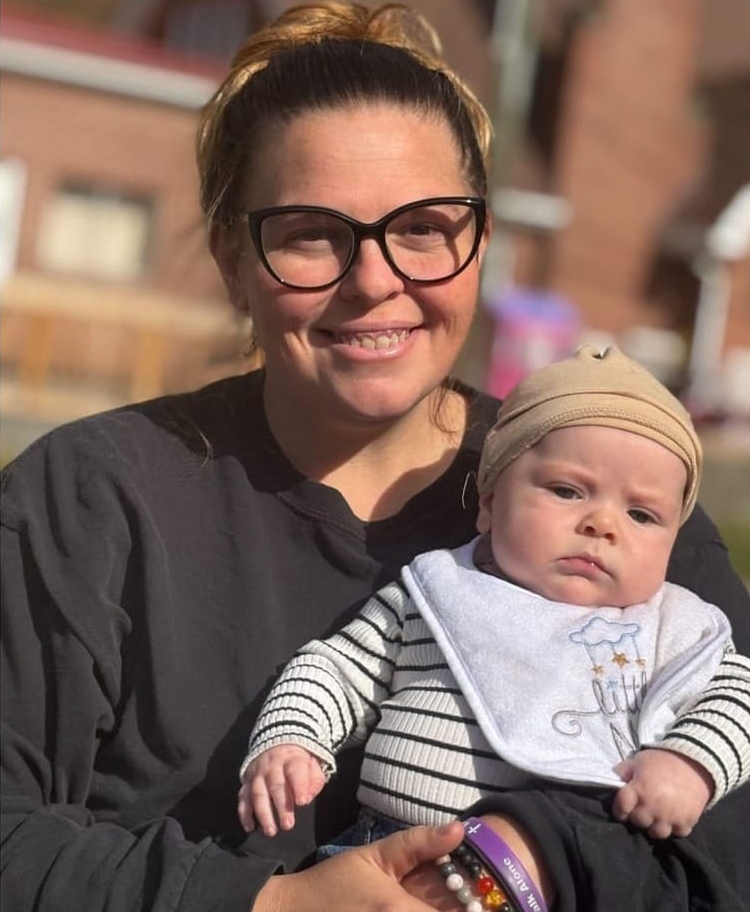
The couple’s philanthropic vision was further articulated by Betsy Atwood on a June 2025 podcast, where she candidly shared their family’s perspective: "We have everything we need! How do we make sure everybody has what they need?" This sentiment underscores a fundamental question the Atwoods have grappled with, particularly since the 2021 acquisition of Stack Overflow: "When, exactly, is enough?" This introspection led to the realization that true fulfillment comes not from accumulation, but from ensuring basic necessities—a comfortable home, sufficient food, and healthcare—are accessible to all. The couple firmly believes that everyone deserves the opportunity to achieve these foundational elements of a stable life.
From Immediate Relief to Systemic Change: A Two-Pronged Approach
The Atwoods’ philanthropic strategy has evolved into a comprehensive, two-pronged approach. Initially, they responded to urgent needs, donating $1 million to eight nonprofit charities in January 2025. Recognizing the escalating nature of immediate crises, they swiftly augmented this with an additional $13 million in donations within a few months, bringing their total short-term contributions to $21 million. These funds were directed towards organizations providing crucial, immediate support to vulnerable populations, addressing pressing concerns such as hunger, homelessness, and access to healthcare.
However, the Atwoods quickly recognized the limitations of a purely reactive, "firefighting" approach. As Jeff Atwood articulated, "You can’t take a completely short term view and fight each individual fire reactively, as it comes. You’ll never stop firefighting." This realization spurred the development of the second, longer-term phase of their pledge: a $50 million commitment, representing half of their remaining wealth, dedicated to addressing the underlying, systemic issues that perpetuate poverty and inequality. This substantial investment is earmarked for initiatives designed to improve conditions in the country fundamentally, aiming to reduce the very frequency and severity of these "fires."

The Evolution to Guaranteed Minimum Income (GMI)
The search for a sustainable, impactful long-term solution led the Atwoods to explore various models. In his initial "Stay Gold" post, Jeff Atwood had speculatively considered founding a new organization, akin to a modernized RAND Corporation or Lever for Change, to empower experts to devise realistic pathways to preserve the American Dream. By March 2025, this exploration culminated in a clear consensus: the path forward lay in Guaranteed Minimum Income (GMI).
GMI, as championed by the Atwoods, is presented as an evolved and refined version of the more widely known Universal Basic Income (UBI). While UBI typically involves providing a standardized income to all citizens regardless of need, GMI strategically directs financial resources to those who demonstrably need it most, with a particular focus on families trapped in generational poverty. This targeted approach is designed to maximize the impact of every dollar, ensuring it reaches individuals and families for whom the funds can make the most significant difference in achieving financial stability and breaking cycles of disadvantage.
The decision to focus on GMI was informed by a growing body of research and pilot programs that have demonstrated its effectiveness. Proponents argue that direct cash transfers empower recipients to make the best financial decisions for their unique circumstances, whether it’s covering unexpected medical bills, affording childcare, investing in education, or simply ensuring consistent access to nutritious food. Unlike traditional welfare programs, which often come with strict conditions and administrative hurdles, GMI offers flexibility and dignity, allowing individuals to address their most pressing needs without bureaucratic interference.
Voices from the Field: The Impact of Direct Aid
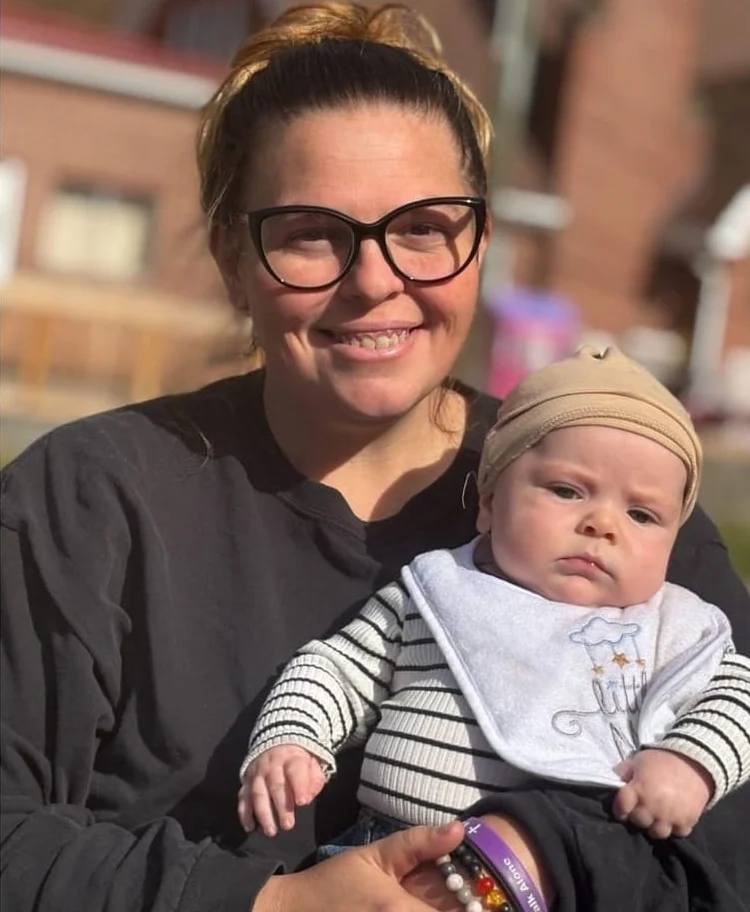
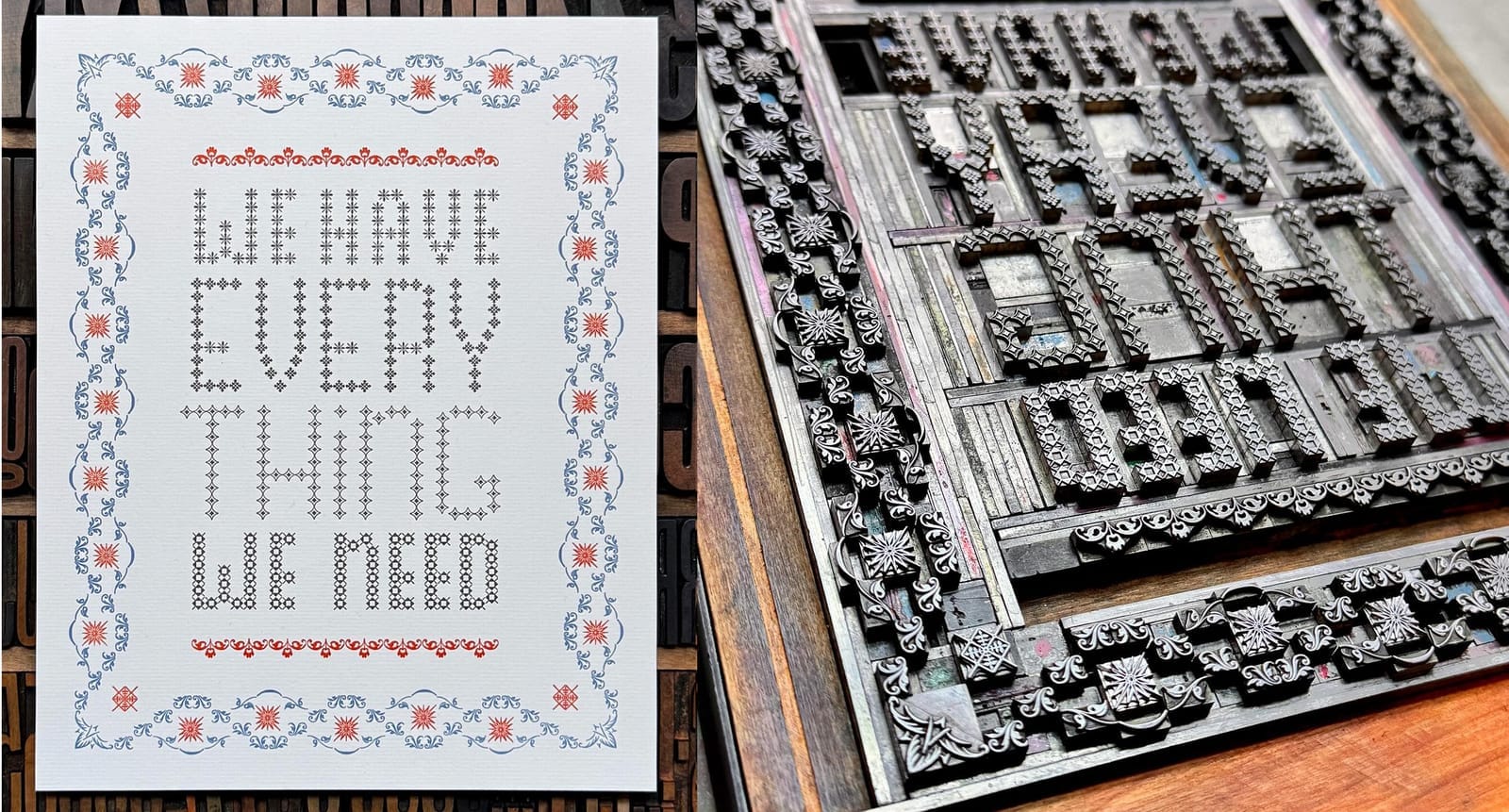
The tangible impact of direct cash assistance is powerfully illustrated through testimonials from recipients. Stacy D., a RISE Recipient from West Virginia, shared her personal struggle and the profound difference such support can make. As a mother of five, pregnant and high-risk, she had to stop working, and then faced the devastating blow of her family’s only vehicle breaking down just as she was cleared to return to employment. "How most people can be like, ‘Hey, I’m having a hard time. Got $20 or a pack of diapers.’ I have nobody up here to do that," Stacy recounted, highlighting the isolation and lack of informal support networks in many struggling communities.
Her story powerfully conveys the cascading effect of seemingly small financial hardships, which can quickly spiral into insurmountable obstacles without a safety net. The prospect of receiving GMI was transformative for her: "This is gonna… it’s going to do a lot!" she exclaimed, anticipating how the funds would enable her to repair her vehicle, secure transportation for essential needs like grocery shopping and medical appointments for her baby, and regain a sense of independence and stability. Stacy D.’s experience exemplifies the immediate and profound relief GMI can provide, allowing families to meet basic needs and overcome unforeseen emergencies that often derail efforts to climb out of poverty.
The Rural Guaranteed Minimum Income Initiative (RGMII) in Action

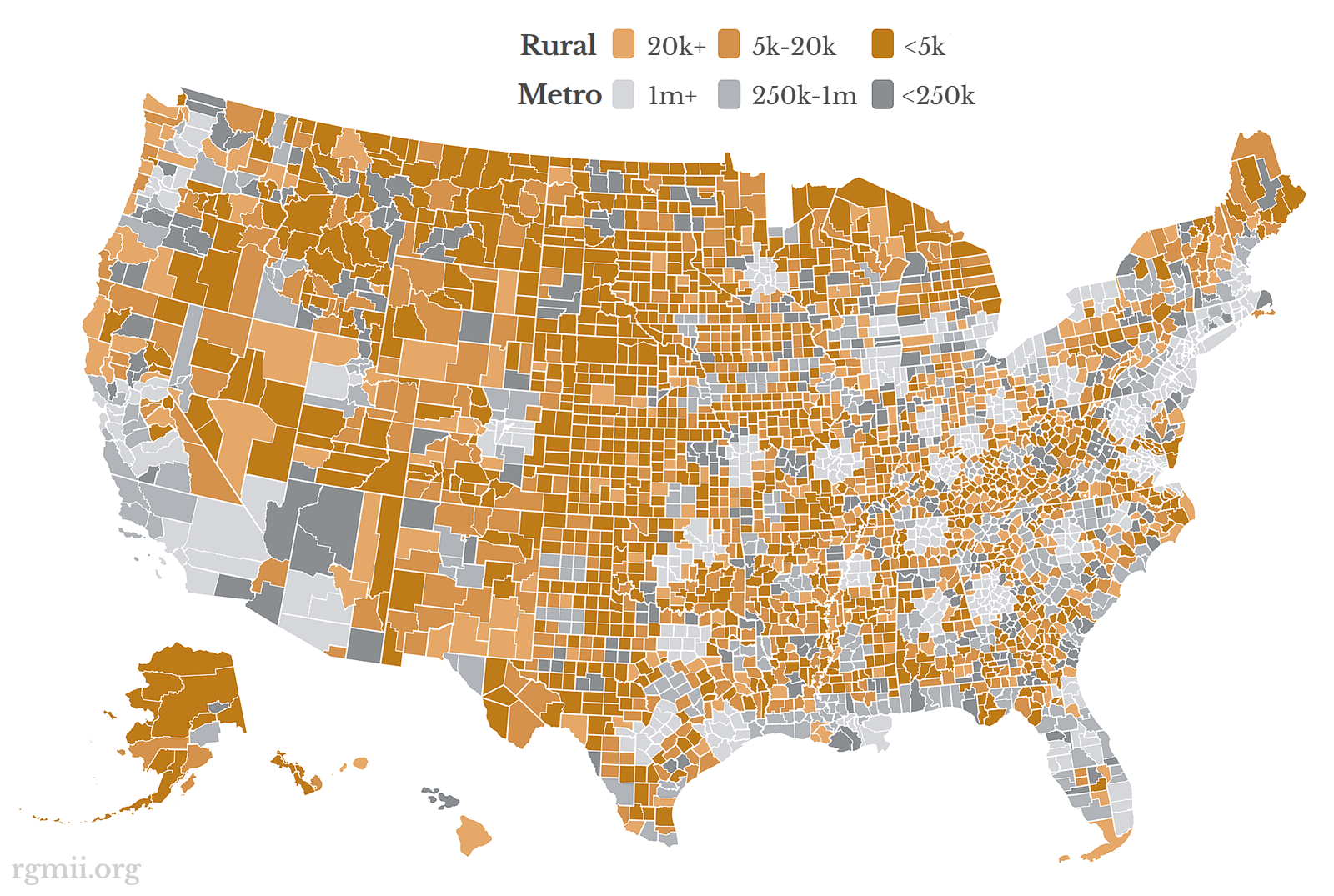
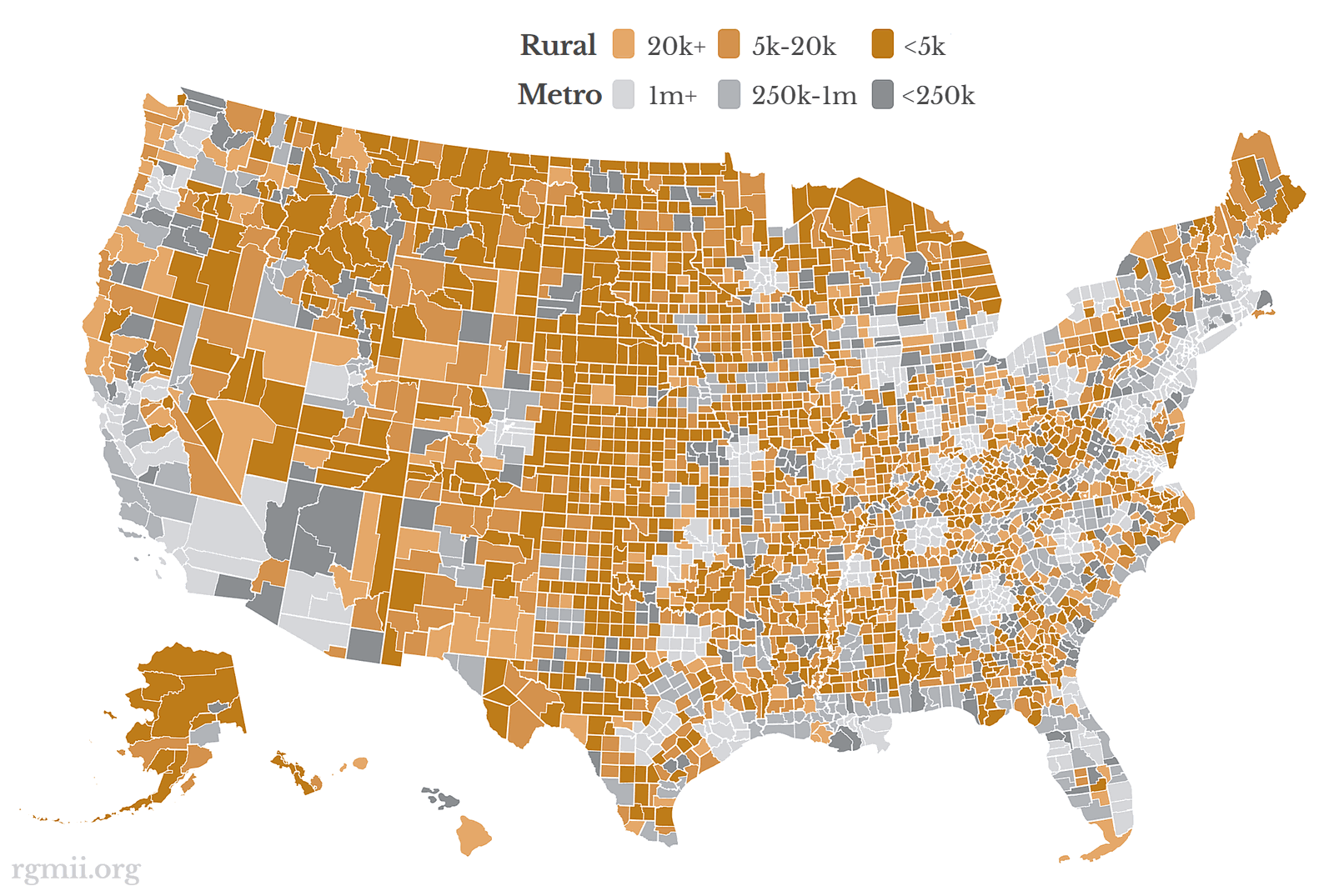
With a clear strategy in place, the Atwoods quickly launched the Rural Guaranteed Minimum Income Initiative (RGMII), an organization designed to implement their vision. A key strategic decision for RGMII is its specific focus on rural counties. This choice is deliberate and multi-faceted:
- Cost-Effectiveness: Dollars often stretch further in rural areas due to lower costs of living compared to urban centers.
- Higher Poverty Rates: Rural America disproportionately experiences higher rates of poverty and economic distress, making these communities particularly ripe for intervention.
- Manageable Populations for Studies: Smaller populations in rural counties allow for tighter, more controlled studies, facilitating robust data collection and analysis on the efficacy of GMI.
- Overlooked Potential: Jeff Atwood personally identifies with rural roots, believing these areas possess immense, often untapped talent and potential that are frequently overlooked by national initiatives.
RGMII has already commenced its work, funding three initial county-level programs in Mercer, West Virginia; Beaufort, North Carolina; and Warren, Mississippi. These pilot programs are designed to lift thousands of individuals out of poverty over a 16-month period, meticulously collecting data and sharing results with the wider world. These geographically diverse locations provide valuable insights into how GMI operates across different socio-economic and cultural contexts within rural America.
The ultimate ambition of RGMII extends far beyond these initial sites. The Atwoods envision a future where the initiative’s proven model can be expanded to reach all 50 states, creating a comprehensive network of GMI programs that systematically address poverty nationwide. This long-term goal underscores the scale of their commitment and their belief in the transformative power of direct cash transfers.
Broader Context: The State of Poverty and GMI Debates

The Atwoods’ initiative emerges against a backdrop of persistent economic inequality and ongoing national debates surrounding poverty alleviation strategies. Data consistently reveal the stark disparities between urban and rural prosperity. Rural areas, often impacted by declining industries, lack of infrastructure, and limited access to education and healthcare, face unique challenges in fostering economic growth and opportunity. According to various economic indicators, rural poverty rates frequently exceed national averages, with certain regions experiencing entrenched, multi-generational hardship.
Guaranteed Minimum Income, and its broader cousin Universal Basic Income, have gained significant traction in recent years, drawing attention from policymakers, economists, and technologists. Proponents argue that GMI can reduce poverty, improve health outcomes, stimulate local economies, and provide a crucial safety net in an era of increasing automation and economic precarity. Pilot programs in cities like Stockton, California, and various initiatives globally have yielded promising results, showing improvements in financial stability, mental health, and civic engagement among recipients, often without a decrease in employment.
However, GMI is not without its critics. Concerns often revolve around the potential for disincentivizing work, the massive cost of implementation at a national scale, and questions about whether direct cash is the most effective way to address complex social issues like addiction or lack of skills. Some argue that GMI could lead to inflation or create dependency on government assistance. The RGMII’s focus on data collection and transparent reporting is therefore critical to address these concerns, providing empirical evidence to inform public discourse and policy decisions. By demonstrating measurable positive outcomes in controlled rural environments, RGMII aims to strengthen the evidence base for GMI as a viable and effective anti-poverty tool.
Implications and Future Outlook
The Rural Guaranteed Minimum Income Initiative carries significant implications for the future of philanthropy, social policy, and community development. If successful, RGMII could serve as a powerful model, demonstrating how private wealth can be strategically deployed to address systemic issues with tangible, measurable results. Its focus on rural areas, often overlooked by larger philanthropic endeavors, could highlight the unique needs and untapped potential of these communities.
The initiative’s commitment to open data and rigorous analysis means that its findings will contribute directly to the national conversation about poverty. The goal of reaching all 50 states underscores a long-term vision that transcends immediate relief, aiming for a fundamental reshaping of economic opportunity. This scientific approach to philanthropy, gathering evidence on "what works," could influence not only other philanthropists but also government policy, potentially paving the way for broader implementation of GMI principles.
Jeff Atwood views RGMII as his "third and final startup," signaling the depth of his personal investment and commitment. Rather than establishing a traditional "Atwood Foundation," the focus remains sharply on advancing the concept of direct cash transfer. He firmly believes that "simply giving money to those most in need is perhaps the most radical act of love we can take on." This perspective aligns with a growing movement that sees economic dignity as a human right and direct cash as an efficient, respectful means to achieve it.
What You Can Do: Engaging with the Initiative
The success of RGMII, while heavily funded by the Atwoods, also relies on broader engagement and support. Everyone is invited to help advance the mission. The initiative encourages individuals to:
- Share Results: Disseminate findings from RGMII’s studies and other GMI programs to raise awareness and counter misconceptions.
- Learn the History of GMI: Educate themselves on the surprisingly rich and complex history of guaranteed income concepts.
- Advocate: Engage with local, state, and national representatives to discuss the potential benefits of GMI.
- Spread the Word: Help inform a wider audience about what UBI and GMI are, and how they function, as many people remain unfamiliar with these concepts.
For those "to whom much is given," and who are in a position to sponsor county-scale work, RGMII extends an invitation to join as donors. By supporting a GMI study in a new rural county, individuals and organizations can directly contribute to lifting thousands out of poverty, generating crucial open data, and accelerating the initiative’s goal of reaching all 50 states.
The Atwoods’ ambitious project is more than just a financial pledge; it is a profound declaration of belief in shared prosperity and the power of human connection. As Jeff Atwood eloquently concludes, "Dreams, like happiness, are only real when shared. So let’s do that together." The Rural Guaranteed Minimum Income Initiative stands as a testament to this conviction, striving to build a more equitable and stable future for all Americans, one community at a time. More information can be found at staygold.us and rgmii.org.
About the Author