
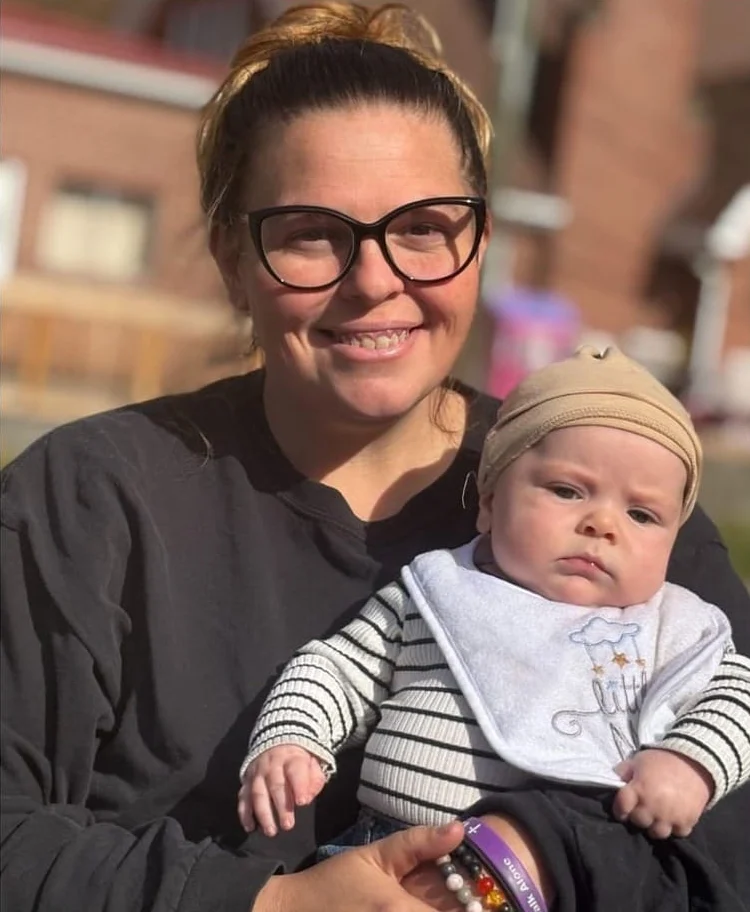
One year after issuing a national call to action to "Share the American Dream," tech entrepreneur and Stack Overflow co-founder Jeff Atwood, alongside his wife Betsy, has announced a monumental $50 million pledge towards the establishment of the Rural Guaranteed Minimum Income Initiative (RGMII). This significant philanthropic endeavor, representing half of their remaining wealth, is designed to address systemic poverty and improve the foundational conditions for economic stability in overlooked rural communities across the United States. The initiative follows an initial $21 million in immediate aid distributed to various non-profit organizations, bringing their total commitment to $71 million within a year.
The "Share the American Dream" pledge, first introduced in January 2025 on Atwood’s popular "Coding Horror" blog, called on Americans to engage in dual philanthropic efforts: immediate support for organizations assisting those in urgent need, and longer-term contributions of time or funds to ensure the American Dream remains accessible for future generations. This latest commitment by the Atwood family marks a decisive step towards fulfilling the second, more ambitious component of that pledge.
A Philosophy of Abundance: "From Those to Whom Much is Given…"
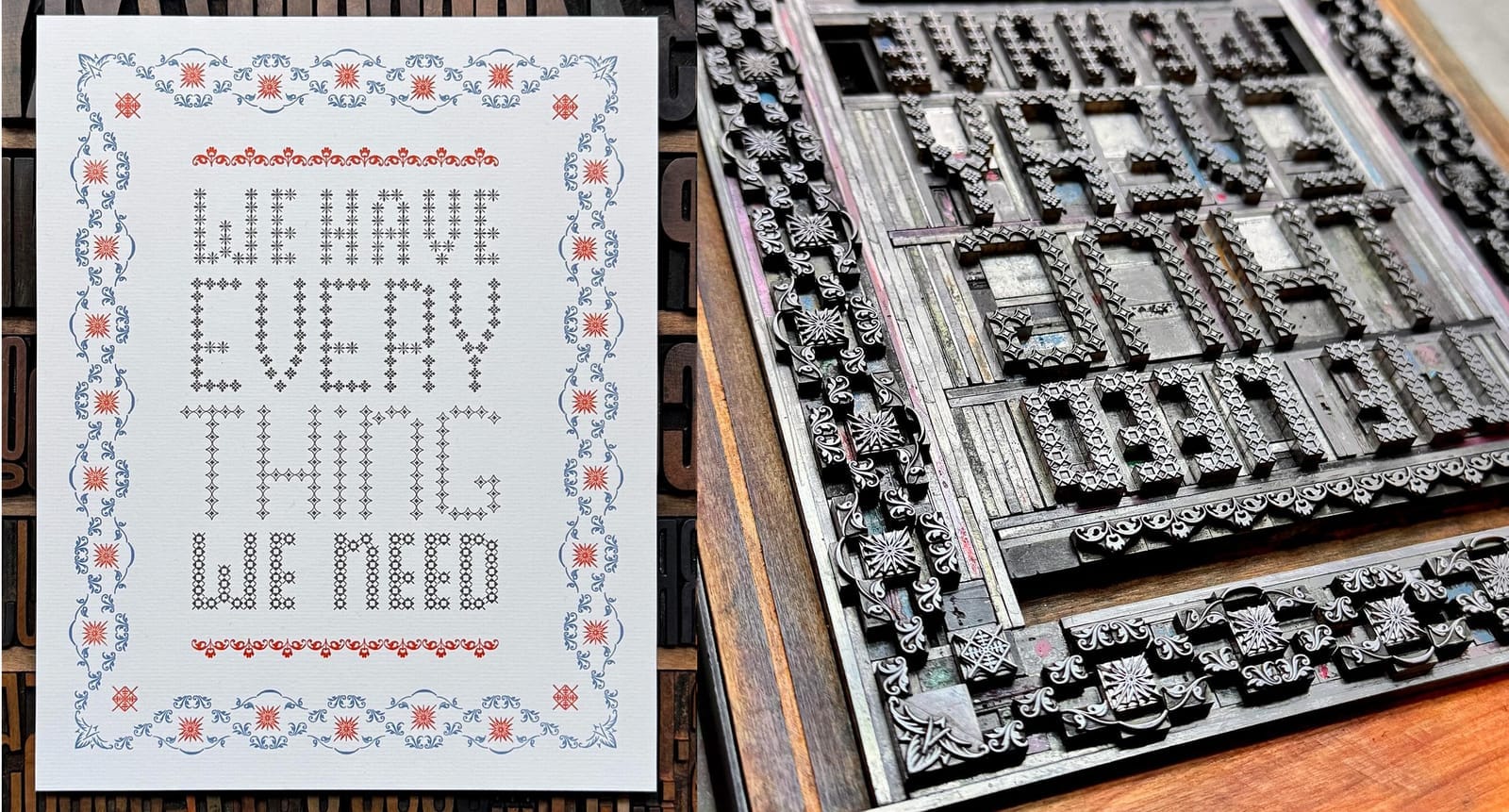
At the heart of the Atwood family’s burgeoning philanthropy is a guiding principle articulated by Mary Gates: "From those to whom much is given, much is expected." This sentiment has profoundly influenced their decision to channel substantial resources into societal improvement. Betsy Atwood elaborated on their family’s philosophy during a recent podcast, stating, "We have everything we need! That’s how I’ve always phrased it to [our children]… We have everything we need; how do we make sure everybody has what they need? Because that’s the basic thing — Do you have a comfortable place to live? Do you have enough to eat? Do you have healthcare? If you have the basics, you’re in a good place in life, and everybody should have that opportunity."
This introspective question regarding the definition of "enough" has been a consistent theme for Jeff Atwood since the 2021 acquisition of Stack Overflow, a company he co-founded, for a reported $1.8 billion. The financial windfall prompted a deeper consideration of wealth’s purpose and its potential for societal impact, moving beyond reactive charity to proactive systemic change.

Immediate Action and a Long-Term Vision
The initial phase of the "Share the American Dream" pledge saw the Atwoods rapidly deploy $21 million in donations. This sum included an initial $1 million to eight non-profit charities in January 2025, quickly augmented by an additional $13 million within a few months, signaling an urgent response to immediate societal needs. These early contributions targeted organizations effectively providing direct relief and support to vulnerable populations across America.
However, recognizing that such reactive measures, while crucial, are insufficient to tackle deep-rooted issues, the Atwoods pivoted towards a more enduring solution. "You can’t take a completely short term view and fight each individual fire reactively, as it comes. You’ll never stop firefighting," Atwood explained. "We also have to do fire abatement and deal with the root causes, improving conditions in this country such that there aren’t so many fires." This realization paved the way for the substantial $50 million commitment aimed at addressing underlying systemic challenges.
The Evolution to Guaranteed Minimum Income
Early speculative ideas for this long-term effort included the founding of a new organization akin to a modernized RAND Corporation, focusing on research and actionable strategies to preserve the American Dream. By March 2025, consensus coalesced around a specific, evidence-based approach: Guaranteed Minimum Income (GMI).
GMI is presented as an evolved and refined version of Universal Basic Income (UBI). While UBI often proposes indiscriminate cash transfers to all citizens, GMI strategically directs financial aid to those who need it most, with a particular focus on families grappling with generational poverty. Proponents argue that this targeted approach maximizes impact by providing a safety net that covers essential needs like housing, food, and healthcare, thereby empowering individuals and families to achieve greater stability and pursue opportunities.

Why GMI? The Case for Direct Cash Transfers
The decision to champion GMI stems from a growing body of research demonstrating the effectiveness of direct cash transfers in alleviating poverty. Studies across various pilot programs globally have shown that providing unconditional cash to low-income individuals or families can lead to improved health outcomes, reduced stress, increased educational attainment for children, and even stimulate local economies. Recipients often use funds for basic necessities, debt repayment, education, or entrepreneurial ventures, challenging the misconception that such aid is misspent.
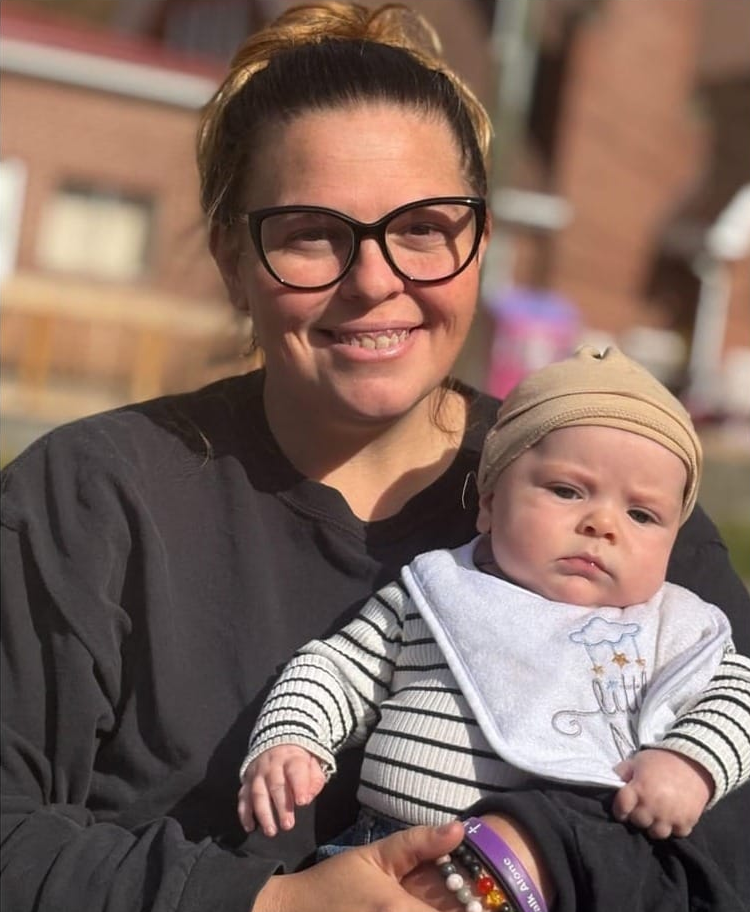
One compelling testimony comes from Stacy D., a RISE Recipient in West Virginia, whose story underscores the immediate and profound impact of GMI. A mother of five, Stacy D. found herself in a precarious situation after a high-risk pregnancy forced her to stop working, followed by a critical vehicle breakdown. Lacking a local support network, she described the immense difficulty of managing basic needs and accessing essential services. "You don’t know how hard it is to ask people, hey, can I get a ride to the grocery store? Or, hey, my baby has two month shots. I had to borrow a vehicle," she recounted. "This is gonna… it’s going to do a lot!" Her experience highlights how a guaranteed minimum income can provide the crucial buffer needed to navigate unforeseen crises and maintain household stability, ultimately empowering families to regain self-sufficiency.

Launching the Rural Guaranteed Minimum Income Initiative (RGMII)
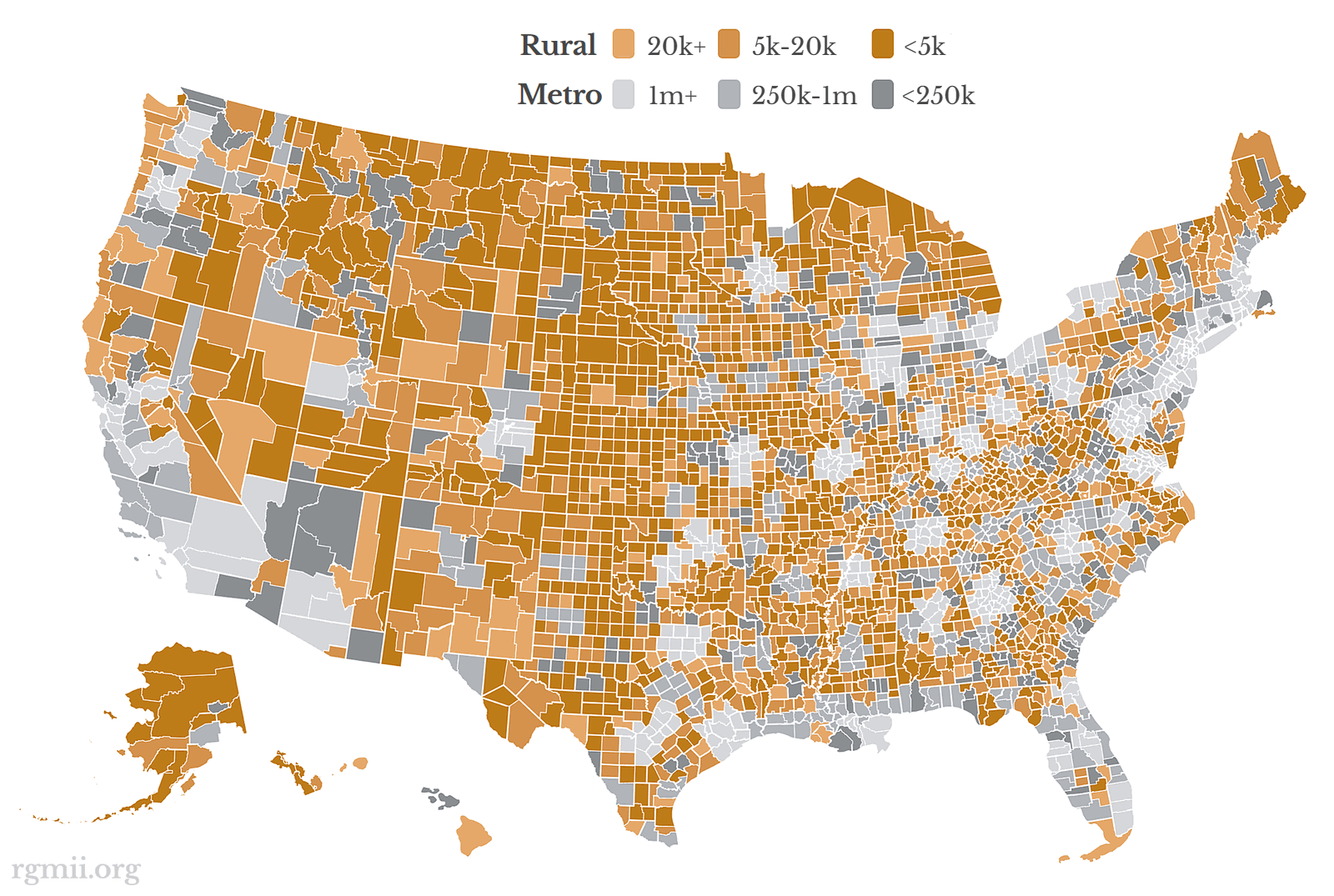
True to Atwood’s self-described preference to "go that way, really fast," the Rural Guaranteed Minimum Income Initiative (RGMII) is already well underway. The initiative distinguishes itself by focusing specifically on rural counties. This strategic choice is predicated on several factors:
- Cost-Effectiveness: Dollars tend to go further in rural areas due to lower costs of living.
- Prevalence of Poverty: Rural regions often exhibit higher rates of poverty and fewer economic opportunities compared to urban centers.
- Manageable Populations: Smaller populations in rural counties allow for tighter, more controlled studies, yielding clearer data on program effectiveness.
- Overlooked Potential: Atwood, whose parents hailed from rural backgrounds, emphasizes that these areas possess "incredible untapped talent" that is frequently overlooked by broader philanthropic and policy efforts.
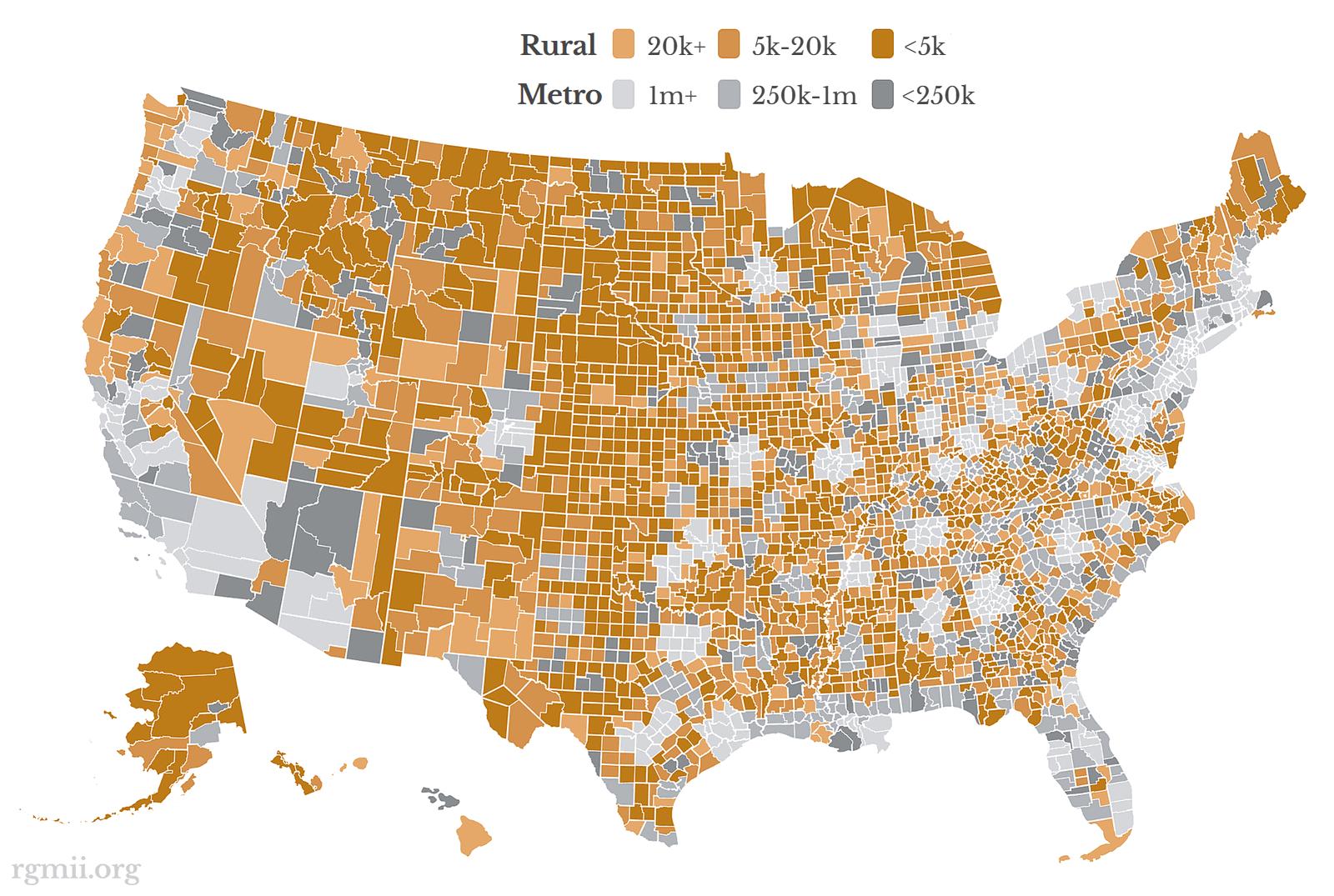
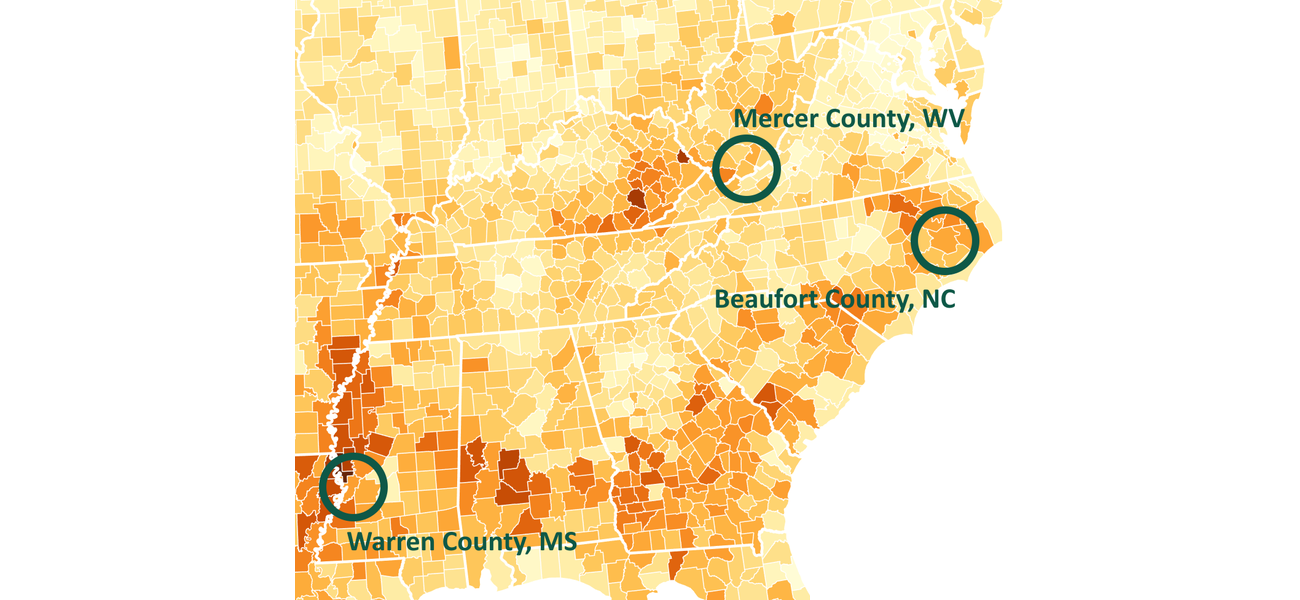
The RGMII has already funded three initial county-level programs in Mercer, West Virginia; Beaufort, North Carolina; and Warren, Mississippi. These programs are designed to provide financial support to thousands of individuals over a 16-month period, meticulously collecting data and sharing results with the broader public and research community. This data-driven approach is crucial for demonstrating the efficacy of GMI and informing future policy decisions.
The long-term ambition of the RGMII is substantial: to expand its reach to all 50 states, building a comprehensive national dataset on the impact of targeted direct cash transfers in diverse rural contexts. This scalable model aims to provide empirical evidence that can influence state and federal policy, ultimately working towards a future where GMI is recognized as a viable and effective tool in the national anti-poverty toolkit.
Historical Context and Broader Implications
The concept of direct cash transfers and guaranteed income is not new, tracing its roots back centuries, with notable proponents including figures like Thomas Paine and Dr. Martin Luther King Jr. In the 20th century, proposals for a negative income tax and various forms of basic income gained traction among economists and policymakers across the political spectrum, albeit with varying degrees of implementation. The RGMII builds on this rich history, seeking to modernize and rigorously test these ideas in the contemporary American landscape.
The RGMII’s focus on rural America also carries significant implications for addressing the growing urban-rural divide. Economic disparities, exacerbated by globalization and automation, have left many rural communities struggling with depopulation, limited access to services, and entrenched poverty. By investing in these areas, the initiative aims not only to alleviate individual hardship but also to revitalize local economies and foster greater social cohesion.
A Call to Collective Action: "The Path of Love"
Jeff Atwood framed this endeavor as "the path of love," acknowledging its inherent difficulty and the commitment of a lifetime of work. He reiterated a sentiment from his "Stay Gold" post: "all of American history contains the path of love, and the path of hate. But the path of love is the only survivable path." For the Atwoods, this initiative represents an investment in a shared future, posing the rhetorical question: "what else could I possibly buy with our money that would be worth anything close to this, for all of us?"
The RGMII invites broader participation, encouraging individuals to engage with the initiative by sharing research results, learning about the history and mechanics of GMI, and advocating with their representatives. Acknowledging that public awareness of UBI and GMI remains limited, and misconceptions are common, the initiative aims to be a hub for education and informed discourse.
For those "to whom much is given," the RGMII extends a direct invitation to become sponsors of county-scale GMI studies, thereby accelerating the expansion to new rural counties and contributing to the goal of reaching all 50 states. This collaborative model emphasizes the role of collective philanthropy in generating critical data and driving systemic change.
Jeff Atwood views the RGMII as his "third and final startup," not aiming to establish a traditional foundation but rather to advance the fundamental concept of direct cash transfers. He asserts that "giving money to those most in need is perhaps the most radical act of love we can take on," backed by compelling data indicating its effectiveness in providing basic needs, ensuring stable housing, and managing unexpected expenses.
In a world often defined by division, the RGMII stands as a testament to the belief that "Dreams, like happiness, are only real when shared." The initiative represents a significant philanthropic commitment to redefine access to the American Dream, starting with the foundational premise that everyone deserves the basic resources to thrive. The journey of the Rural Guaranteed Minimum Income Initiative, detailed further at rgmii.org and staygold.us, has just begun, with the potential to reshape countless lives and inform the future of anti-poverty efforts nationwide.
About the Author







