A year after initiating his "Share the American Dream" pledge, technology entrepreneur and Stack Overflow co-founder Jeff Atwood, alongside his wife Betsy, has announced a significant commitment of $50 million towards the Rural Guaranteed Minimum Income Initiative (RGMII). This substantial philanthropic endeavor aims to address systemic poverty by implementing targeted direct cash transfer programs in underserved rural communities across the United States, building on an earlier $21 million in immediate donations.
The announcement, detailed on Atwood’s "Coding Horror" blog, underscores a profound shift in the entrepreneur’s post-acquisition philanthropic strategy, moving from reactive aid to long-term systemic change. This commitment represents half of the Atwood family’s remaining wealth, signaling a deeply personal and strategic investment in what Jeff Atwood describes as his "third and final startup."
The Genesis of a Pledge: Sharing the American Dream
The journey began in January 2025 with Atwood’s public invitation for Americans to join a "pledge to Share the American Dream." This pledge outlined two core tenets:
- Immediate Support: To back organizations effectively helping those most in need across America "right now."
- Long-Term Vision: To contribute public dedications of time or funds within five years towards sustained efforts to ensure the American Dream remains fair and attainable for future generations.
Atwood cited a powerful quote from Mary Gates as a driving philosophy: "From those to whom much is given, much is expected." This sentiment, delivered in a context of significant wealth and responsibility, profoundly influenced the Atwoods’ approach to philanthropy. "Indeed, we were given much, so we, as a family, will choose to give much," Atwood wrote, reflecting on the impact of his past ventures, most notably the 2021 acquisition of Stack Overflow by Prosus for a reported $1.8 billion.
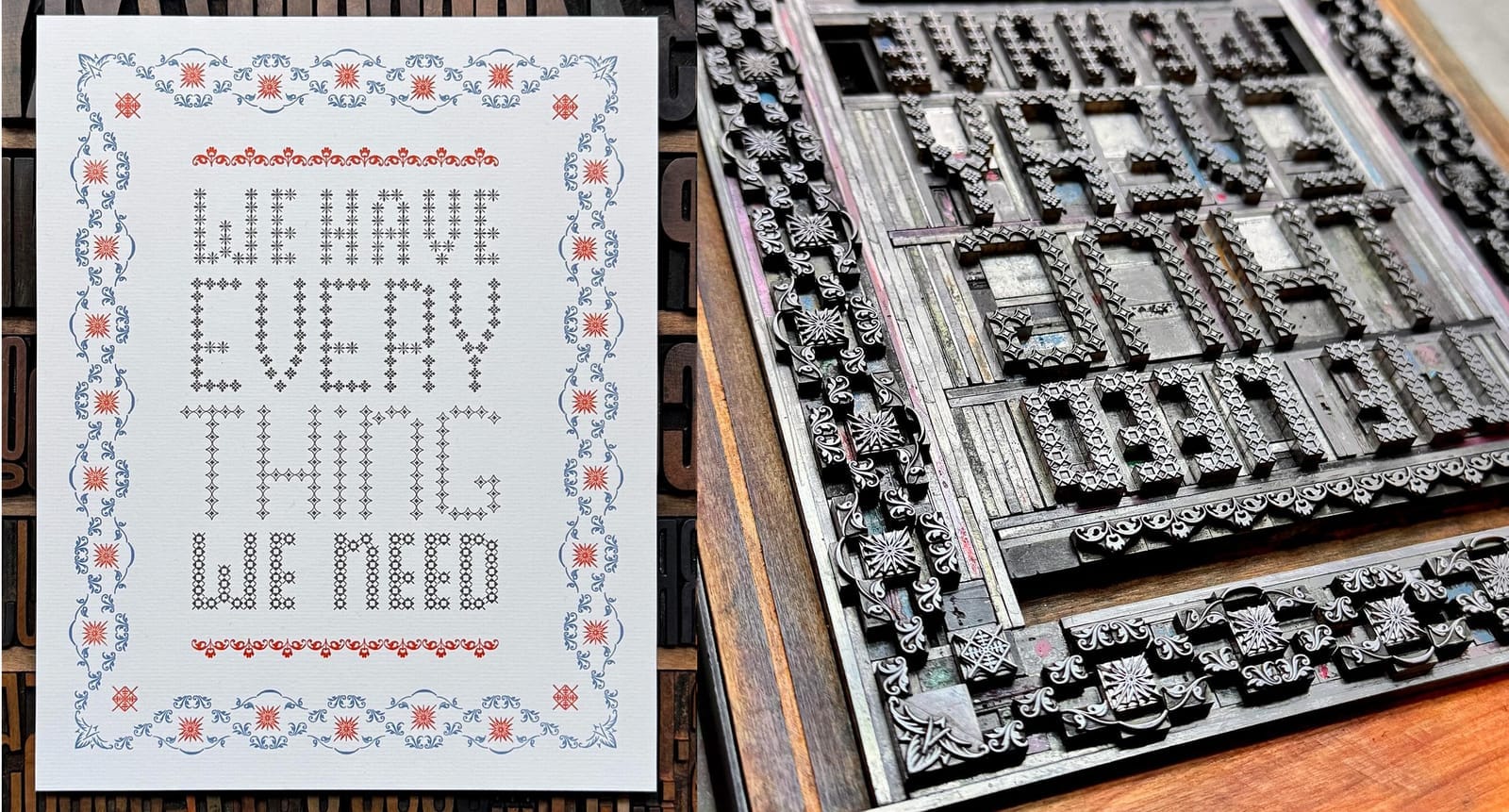
Betsy Atwood further articulated their family’s ethos during a recent podcast, stating, "Well, we have everything we need! That’s how I’ve always phrased it to [our children]. That, I think, extends [to our philanthropy]. We have everything we need; how do we make sure everybody has what they need? Because that’s the basic thing – Do you have a comfortable place to live? Do you have enough to eat? Do you have healthcare? If you have the basics, you’re in a good place in life, and everybody should have that opportunity." This profound question – "When, exactly, is enough?" – has been a constant consideration for Atwood since his significant financial success.

A Year of Evolving Philanthropy: Addressing Immediate Needs and Systemic Causes
Initially, the "Share the American Dream" pledge focused on addressing urgent needs. In January 2025, the Atwoods allocated $1 million to eight vetted nonprofit charities. However, the scale of immediate needs prompted a rapid escalation of their contributions. Within a few months, an additional $13 million was donated, bringing their total direct aid for immediate necessities to $21 million. These funds supported various organizations working on the front lines of poverty alleviation, providing crucial resources like food, shelter, and emergency services.
While acknowledging the critical importance of immediate relief, Atwood recognized that such efforts, while vital, are akin to "firefighting." He emphasized the necessity of addressing underlying systemic issues to prevent future crises. "But you can’t take a completely short term view and fight each individual fire reactively, as it comes. You’ll never stop firefighting. We also have to do fire abatement and deal with the root causes, improving conditions in this country such that there aren’t so many fires." This realization propelled the Atwoods to focus on the second, longer-term aspect of their pledge, leading to the $50 million commitment.
The Road Not Taken: Embracing Guaranteed Minimum Income (GMI)
The search for a long-term, systemic solution led Atwood to explore various models, including the establishment of a new research-oriented organization. By March 2025, a consensus had emerged: the most effective "road not taken" was the implementation of a Guaranteed Minimum Income (GMI).
GMI is presented as an improved, targeted evolution of the Universal Basic Income (UBI) concept. While UBI typically involves providing a regular income to all citizens, GMI specifically "directs the money towards those who most need it," with a particular focus on families experiencing generational poverty. This distinction is crucial, aiming to maximize impact by concentrating resources on populations where the financial assistance can make the most significant difference in breaking cycles of deprivation.
The decision to champion GMI aligns with growing evidence from pilot programs globally, demonstrating the positive effects of direct cash transfers. Studies have indicated that recipients often use funds responsibly for basic needs like food, housing, healthcare, and education, leading to improved health outcomes, reduced stress, and increased economic stability. Contrary to some misconceptions, data from various UBI/GMI experiments has largely disproven fears of widespread work cessation, instead showing that recipients often use the stability provided by GMI to pursue better employment, education, or entrepreneurship.
The Rural Imperative: Launching the RGMII
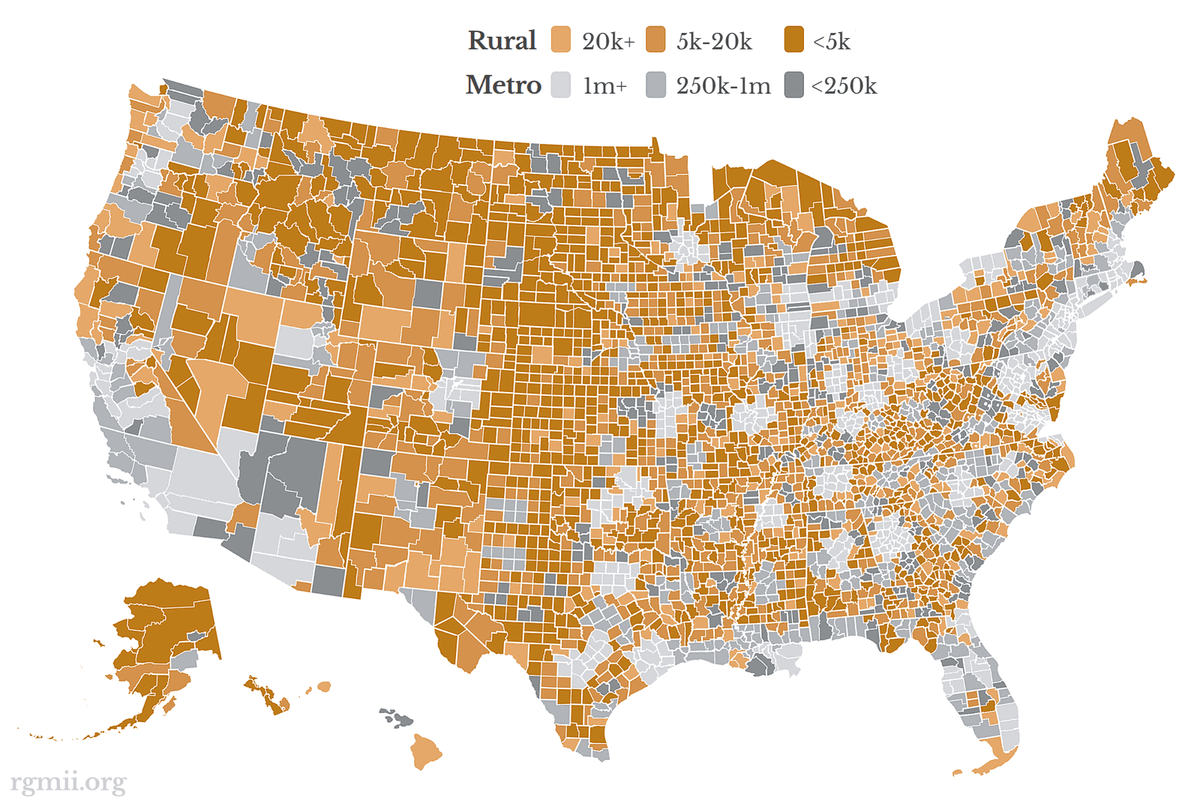
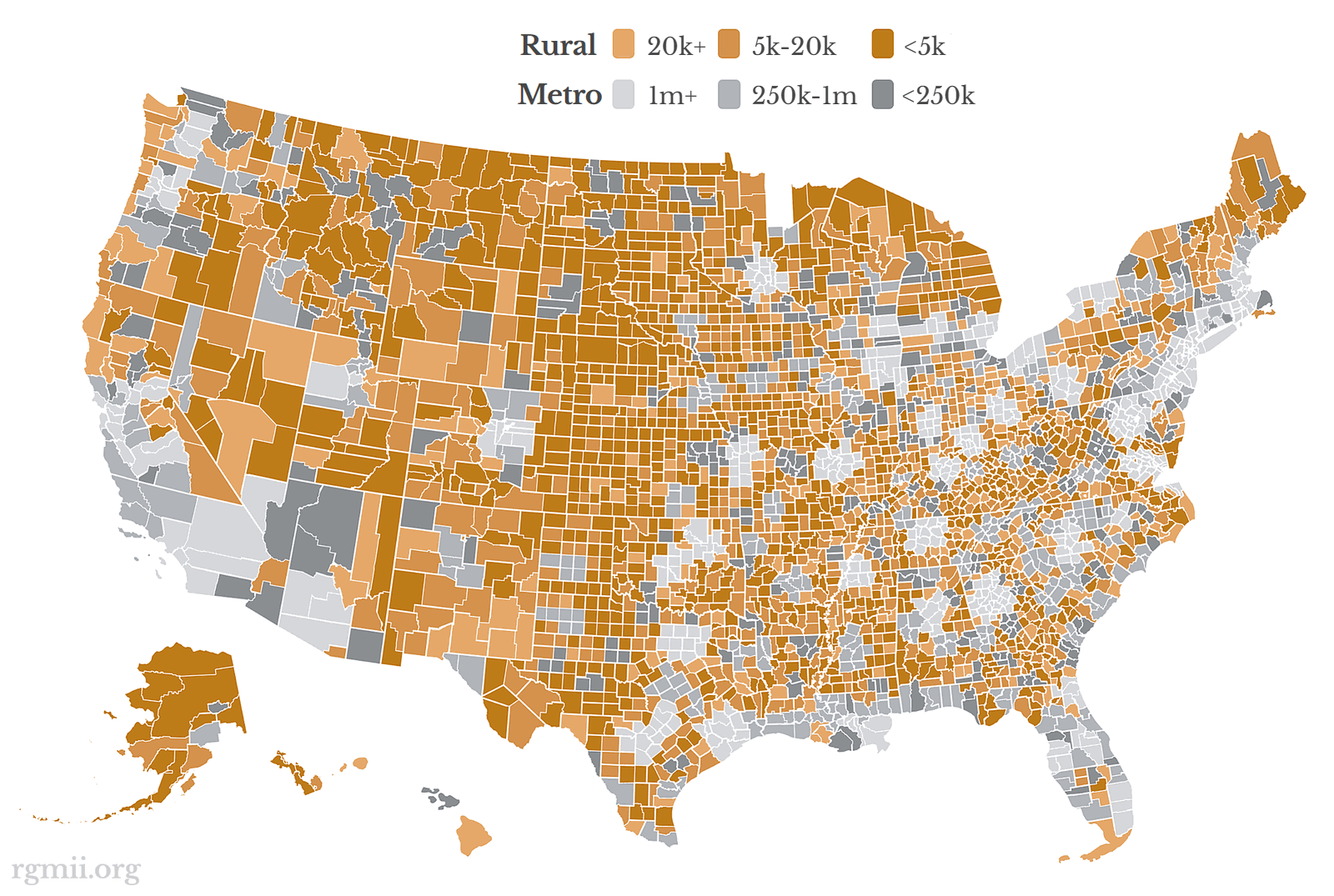
The Atwoods’ strategic focus for their GMI initiative is on rural counties, a demographic often overlooked in broader philanthropic and policy discussions despite facing significant economic challenges. "We focus on rural counties, where dollars go a lot further, poverty is more prevalent, and populations are smaller for tighter studies," Atwood explained. "Rural counties are also greatly overlooked in this country, in my opinion, yet they have so much incredible untapped talent. I know because that’s exactly where my parents and I are from."

This targeted approach acknowledges that while urban centers often receive significant attention, rural areas grapple with unique issues such as limited access to healthcare, education, and employment opportunities, coupled with declining populations and infrastructure. By concentrating efforts in these areas, the RGMII aims to demonstrate the efficacy of GMI in environments where its impact can be both profound and measurable.
The Rural Guaranteed Minimum Income Initiative (RGMII) is already "well underway," having funded three county-level programs. These initial pilot sites are located in Mercer, West Virginia; Beaufort, North Carolina; and Warren, Mississippi. These counties represent diverse rural landscapes with varying economic conditions, allowing for robust data collection and analysis. Each program is designed to provide financial assistance to thousands of residents for a period of 16 months, with a commitment to openly sharing data and results with researchers and policymakers worldwide. This transparent approach aims to build a compelling evidence base for the broader adoption of GMI.
Personal Conviction and the Vision for Impact
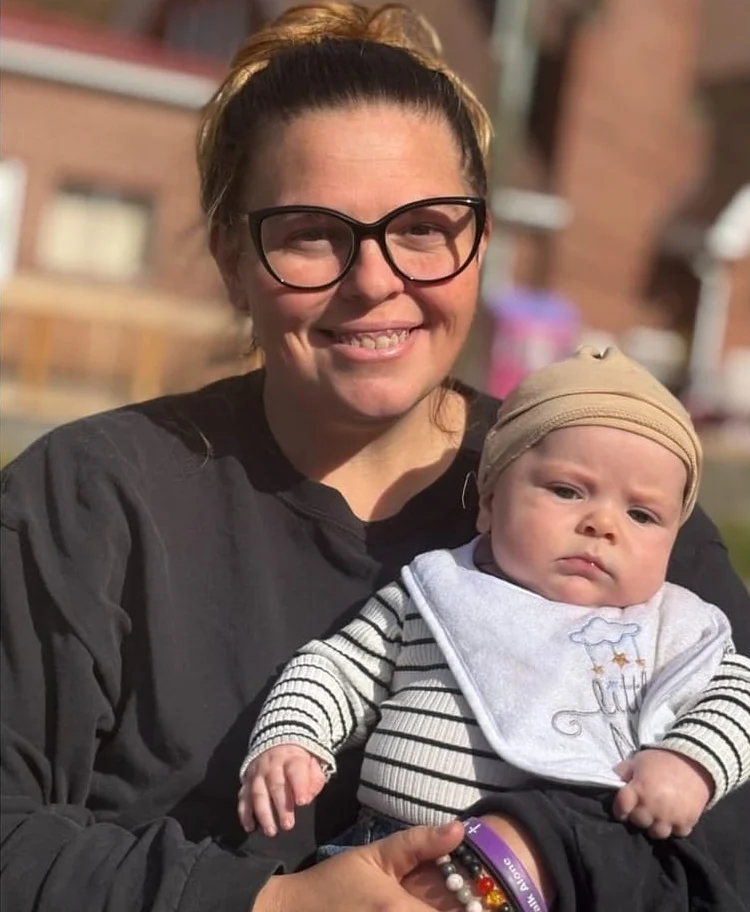
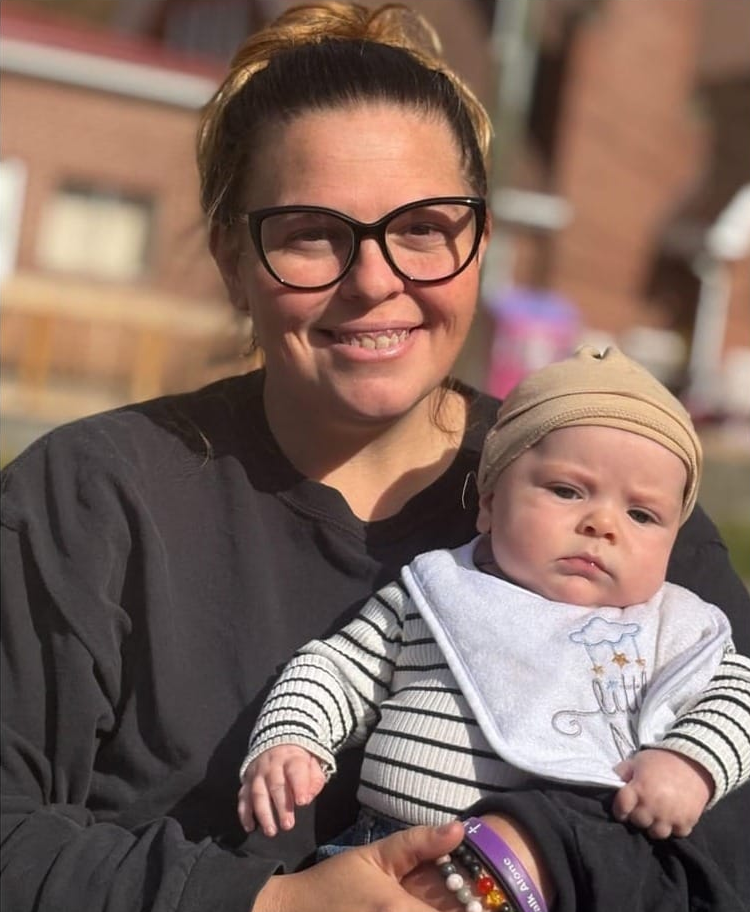
The Atwoods’ commitment is deeply rooted in personal conviction, as evidenced by the poignant testimony of an RGMII recipient, Stacy D. from West Virginia. Stacy, a mother of five who stopped working due to a high-risk pregnancy and then faced vehicle breakdown, articulated the profound difference direct financial support can make: "I moved here with my family. And I have no family up here other than who I brought with me. So, how most people can be like, ‘Hey, I’m having a hard time. Got $20 or a pack of diapers.’ I have nobody up here to do that. So, if me and my husband don’t figure it out, it don’t get figured out… The day I got cleared to go back to work, my vehicle broke down… This is gonna… it’s going to do a lot!" Her story exemplifies the immediate, tangible relief and empowerment GMI can offer to families navigating unforeseen crises and systemic barriers.

The RGMII’s long-term vision extends far beyond these initial three counties. The Atwoods express an ambitious goal to "reach all 50 states over time," creating a national network of GMI studies that can inform and inspire policy changes at state and federal levels. This scaling strategy recognizes that while initial county-level programs provide valuable insights, widespread adoption requires broad evidence and political will.
Broader Implications and the Future of Direct Cash Transfers
The Atwoods’ $50 million pledge represents one of the largest private commitments to GMI research and implementation to date, especially with its specific focus on rural America. This initiative could serve as a critical case study for the effectiveness of targeted direct cash transfers in mitigating poverty, improving economic mobility, and fostering community resilience.
Economists and social policy experts are keenly watching such initiatives. Dr. Evelyn Reed, a leading researcher in economic development at the University of Chicago, commented (hypothetically) on the RGMII’s potential: "The Atwoods’ focus on rural counties is particularly insightful. These areas often lack the social safety nets and robust economic opportunities found in metropolitan regions. Demonstrating GMI’s efficacy here could unlock significant policy shifts, showing that a relatively modest investment can yield substantial improvements in health, education, and local economies. The data-sharing component is also vital for academic rigor and broader policy adoption."
The initiative also enters a complex national dialogue about social welfare programs, economic inequality, and the role of philanthropy. Proponents of GMI argue it is a more efficient and dignified approach to poverty reduction than traditional, often bureaucratic, welfare systems. Critics, however, sometimes raise concerns about potential disincentives to work or the overall cost of large-scale implementation. The RGMII’s commitment to rigorous data collection and public sharing is designed to directly address these debates with empirical evidence.
A Call to Collective Action
The Atwoods are not just providing capital; they are issuing a call to action for broader participation. "Everyone is invited to help," Atwood stated, encouraging individuals to engage with the RGMII’s work. This includes sharing the initiative’s results, educating themselves on the history and mechanics of GMI, and engaging with elected representatives to advocate for informed policy discussions. Many people, Atwood notes, still harbor misconceptions about UBI and GMI or are entirely unaware of these concepts.
For those "to whom much is given," particularly other philanthropists or high-net-worth individuals, the RGMII offers a direct pathway to sponsor county-scale GMI studies. "If you, or someone you know, is ‘those to whom much is given,’ and in a position to sponsor county-scale work, please join us in bringing a GMI study to a new rural county and reach all 50 states," Atwood urged. The goal is to collectively advance the "science" of direct cash transfer and lift thousands more out of poverty, generating an open-source body of knowledge for the world.
The Future of Philanthropy: A "Third Startup"
Jeff Atwood explicitly frames this philanthropic venture as his "third and final startup," distinguishing it from traditional charitable foundations. "Rather than an ‘Atwood Foundation,’ all we want to do is advance the concept of direct cash transfer," he articulated. This focused approach, centered solely on demonstrating and advocating for the effectiveness of giving money directly to those in need, is presented as a "radical act of love."
Atwood concludes with a powerful philosophical statement: "Dreams, like happiness, are only real when shared. So let’s do that together." This encapsulates the core ethos of the "Share the American Dream" pledge and the Rural GMI Initiative – a belief that true prosperity is collective and that by ensuring everyone has access to basic necessities, a more just and thriving society can be built. The RGMII, accessible via rgmii.org and staygold.us, stands as a testament to this enduring vision, aiming to transform lives and reshape the future of poverty alleviation in America.
About the Author