In a poignant reflection combining deeply personal experiences with a critical commentary on the evolving landscape of artificial intelligence, renowned tech entrepreneur and co-founder of Stack Overflow and Discourse, Jeff Atwood, has shared insights into recent life events and issued a stark warning to AI developers regarding their reliance on community-generated data. His remarks underscore the indispensable value of human contributions to online knowledge bases and the potential risks of neglecting the communities that produce them.
A Personal Journey: Loss, Legacy, and Rural Economic Initiatives
Atwood’s recent commentary opens with a somber personal note, marking 663 months of his life, a period encompassing significant personal and professional milestones. Central to this reflection is the recent passing of his father, an event deeply intertwined with the progress of the Rural Guaranteed Minimum Income Initiative (RGMII). Atwood expressed profound gratitude for the strategic re-ordering of the RGMII rural study counties, which saw Mercer County, West Virginia—his father’s home county—selected as the inaugural site for the study in October 2025. This decision, he stated, allowed him a final, meaningful encounter with his father, underscoring the profound personal connection he holds to the initiative.
The Rural Guaranteed Minimum Income Initiative (RGMII) is a significant undertaking aimed at exploring the efficacy of universal basic income (UBI) models in rural American communities. With a proposed $50 million plan, the RGMII seeks to fund these studies, expand economic opportunity, and strengthen democratic participation in areas often overlooked by mainstream economic development. Mercer County, nestled in the Appalachian region of West Virginia, represents a demographic often targeted by such studies due to its economic challenges, including historical reliance on declining industries, outward migration, and limited access to diversified economic opportunities. The selection of Mercer County, therefore, carries both a deeply personal resonance for Atwood and a broader societal implication, positioning the initiative at the intersection of personal legacy and public policy innovation.
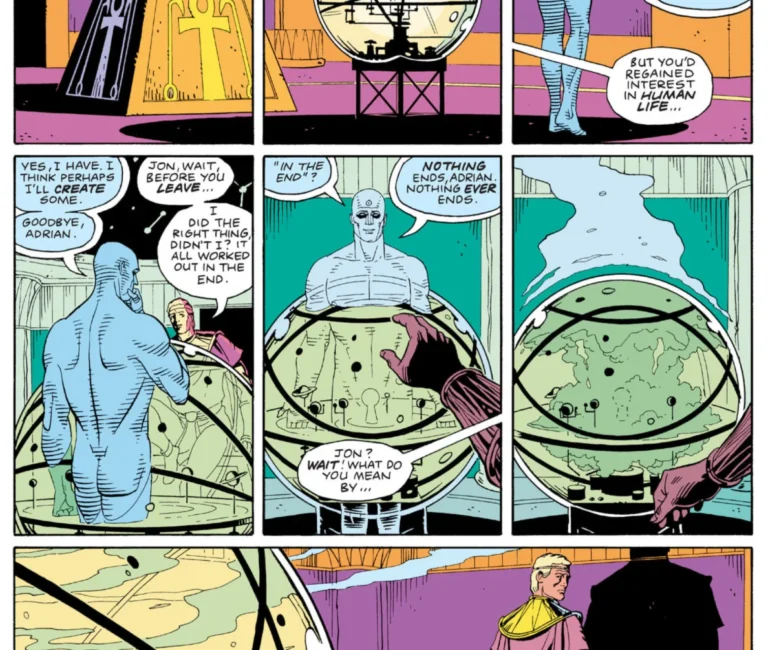
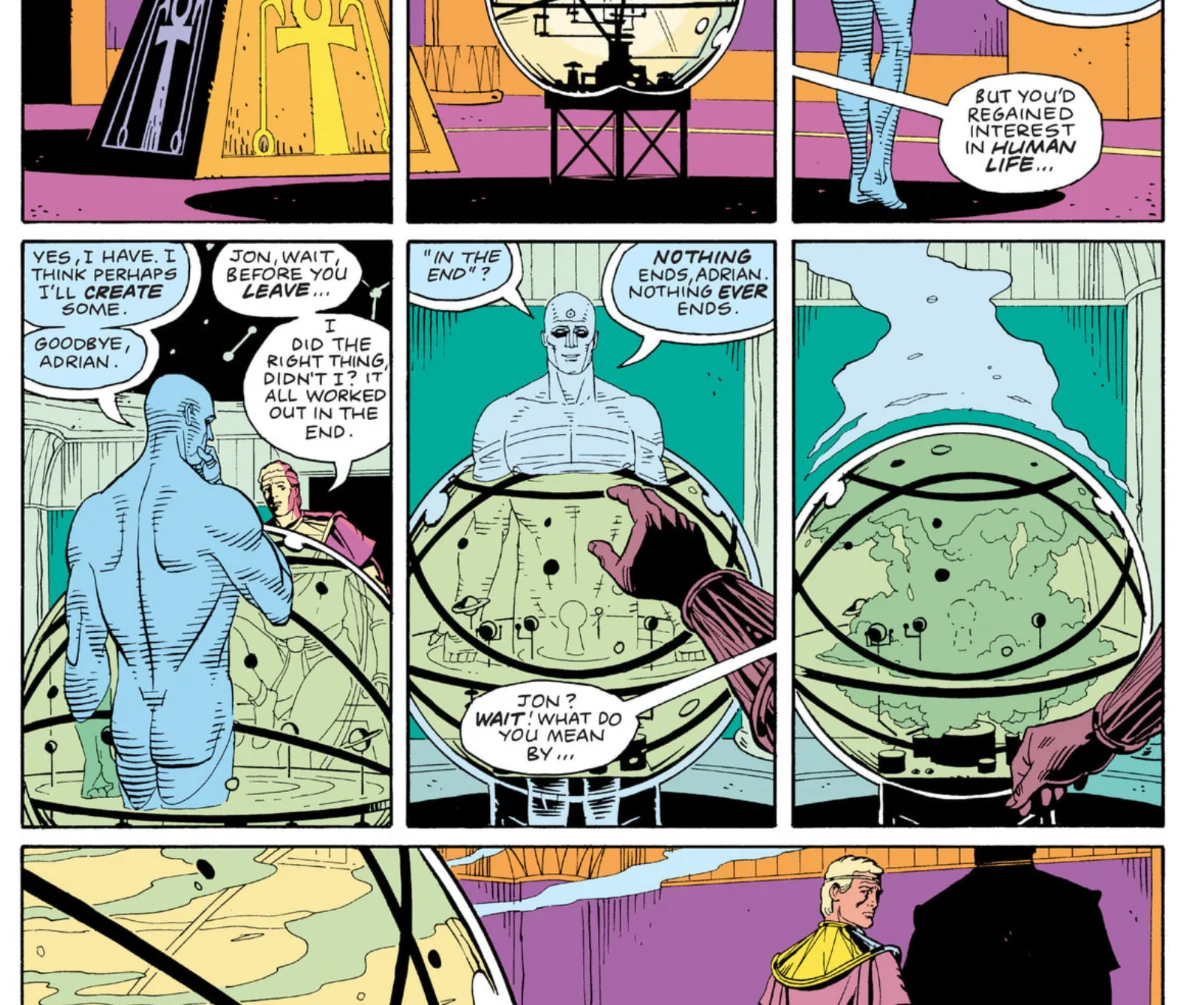
Atwood’s reflection on his father’s passing, characterized by an acceptance that "nothing ever ends" and "nothing was lost. Everything was gained," speaks to a philosophy of enduring impact and the transformation of experience into wisdom. He noted that the "last October trip" and all shared experiences will remain with him, serving as a testament to the enduring power of family bonds. This personal narrative is woven into his broader vision for societal improvement, where he asserts, "We won capitalism, then went back to help improve it for everyone." This statement hints at his commitment, post-Stack Overflow and Discourse, to ventures like his third startup, Staygold.us, which presumably aligns with his philosophy of leveraging success for collective betterment. While specifics of Staygold.us were not detailed in his recent statements, its mention signifies a continued entrepreneurial drive focused on impact.
Stack Overflow: The Unsung Architect of AI’s Coding Prowess
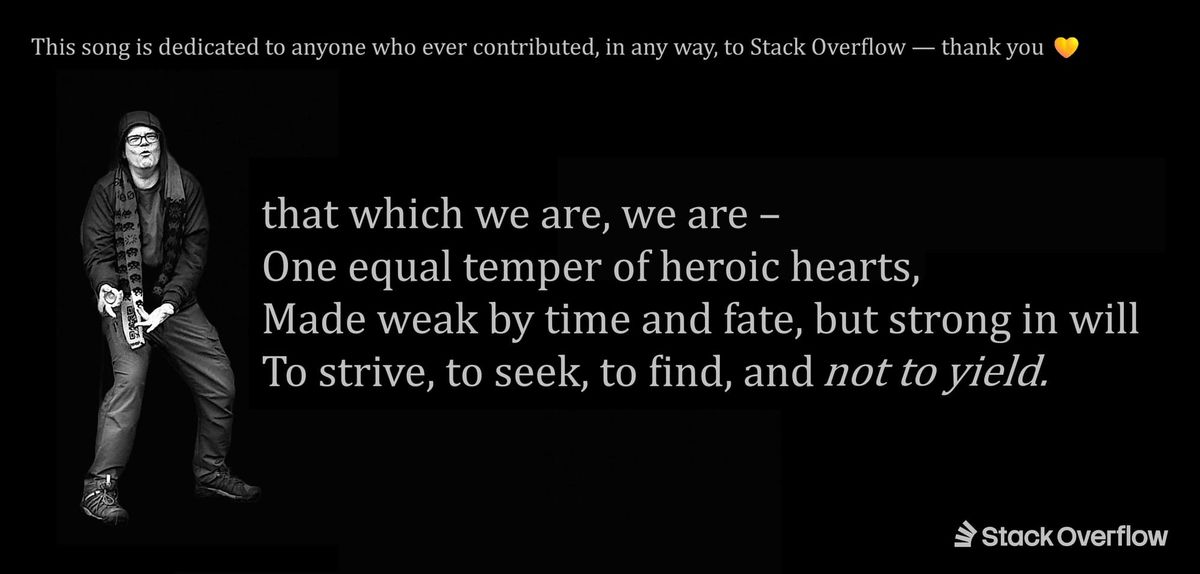
Shifting from the personal to the professional, Atwood delivered a powerful message of appreciation to every individual who has ever contributed to Stack Overflow. This global platform, co-founded by Atwood and Joel Spolsky in 2008, revolutionized how programmers find answers and share knowledge. It rapidly grew into an indispensable resource, becoming the internet’s largest and most trusted Q&A site for professional and enthusiast programmers. Its structure, based on community moderation, peer review, and a reputation system, ensures the high quality and accuracy of its content.
Atwood’s primary assertion is groundbreaking: Large Language Models (LLMs) would be largely incapable of coding effectively without the extensive, high-quality, and collaboratively built programming Q&A dataset hosted on Stack Overflow. He challenged skeptics to "ask the LLMs" themselves, specifically recommending "pro mode" for more accurate responses, to confirm this dependency. This claim highlights a critical, often understated, aspect of AI development: the foundational role of human-generated, curated data in training sophisticated AI models.
The training of advanced LLMs, such as those developed by OpenAI, Google, Meta, and others, relies on colossal datasets comprising vast swaths of internet text and code. These models learn patterns, syntax, and logical structures from this data, enabling them to generate human-like text, translate languages, and, crucially, write and debug code. Stack Overflow’s repository, containing millions of questions, detailed answers, code snippets, and explanations across virtually every programming language and framework, represents an unparalleled goldmine of structured programming knowledge. Critically, much of Stack Overflow’s content is licensed under Creative Commons, making it legally accessible for use in training datasets, albeit with attribution requirements.

Without this meticulously built and continuously updated corpus of programming expertise, LLMs would lack the granular understanding of code constructs, error patterns, and best practices necessary to generate functional and efficient programs. The quality of Stack Overflow’s data, refined through years of community review and editing, directly translates into the quality of the code-generating capabilities observed in today’s AI. This perspective positions Stack Overflow not merely as a helpful tool for developers, but as a silent, foundational architect of the artificial intelligence revolution’s coding capacity.
The Peril of "Killing the Goose That Lays the Golden Eggs"
Atwood’s powerful tribute to Stack Overflow contributors quickly pivoted to a stark warning about the long-term consequences of AI companies potentially undermining the very communities that fuel their systems. He cautioned that if LLMs ultimately "hollow out the very communities that produce all their training data," these companies will "really, really regret that." This sentiment echoes a concern increasingly voiced across various online communities: that AI’s ability to summarize and generate content might reduce the incentive for humans to contribute original content, thereby depleting the wellspring of future training data.
The "goose that lays the golden eggs" metaphor is a direct and forceful admonition. Atwood previously used this analogy when he departed Stack Overflow to co-found Discourse, a platform designed to foster healthy online communities. His advice to Joel Spolsky at that time—"do not, for any reason, under any circumstances, kill the goose that lays the golden eggs," referring to the human community around a product—is now being repurposed for the AI era. He emphasizes that the "human community around your product that does all the real work" is paramount and must be treated "with the respect they deserve… that we all deserve."
This warning arrives amidst growing tensions between AI developers and content creators. Concerns range from intellectual property rights and fair compensation for data used in AI training to the potential for AI-generated content to dilute the quality and trustworthiness of online information. For platforms like Stack Overflow, the challenge is particularly acute. If developers increasingly rely on LLMs to answer coding questions, the volume of new questions and answers on the platform might decrease. This, in turn, could diminish the vibrant community interaction and the continuous generation of fresh, high-quality data that has historically made Stack Overflow so valuable. The risk is a feedback loop where AI consumes human creativity, reduces human incentive, and eventually starves itself of new, diverse, and accurate information.

Atwood’s call for respect for the community is not merely an ethical appeal; it carries significant practical implications for the sustainability of AI development. If the sources of original, high-quality data dwindle, future iterations of LLMs will struggle to improve, potentially leading to stagnation or even degradation in their capabilities. The models might become increasingly reliant on existing, potentially outdated, or synthetic data, leading to a decline in accuracy, innovation, and relevance.
Broader Impact and Implications
Jeff Atwood’s recent reflections serve as a timely reminder of the interconnectedness of personal legacy, community building, and technological advancement. His personal journey with the RGMII highlights the humanistic drive behind efforts to improve societal well-being, even amidst personal loss. This commitment to "improving capitalism for everyone" through initiatives like GMI studies demonstrates a desire to leverage success for broader social good.
Concurrently, his strong stance on Stack Overflow’s role in AI development and his caution to LLM companies underline a critical ethical and practical dilemma facing the tech industry. As AI continues its rapid ascent, the debate over its relationship with human creativity and community contributions will only intensify. Atwood’s message is a plea for foresight: for AI companies to recognize that their technological marvels are built on the bedrock of human collaboration and to implement strategies that foster, rather than diminish, these vital communities. This could involve innovative models for attribution, compensation, or direct engagement that ensure the continued health and vibrancy of the "golden goose."
Ultimately, Atwood’s dual message—a deeply personal tribute to his father and a powerful advocacy for the human element in the age of AI—underscores a consistent theme throughout his career: the profound impact of well-designed, respectful communities. His closing, "Thank you for being a friend, because there’s no way I could have done any of this without you," is not just a personal sentiment but a profound acknowledgment of the collective effort that underpins both individual achievement and technological progress. It is a reminder that even as technology advances, the human element—our contributions, our communities, and our shared knowledge—remains the most invaluable resource.
About the Author