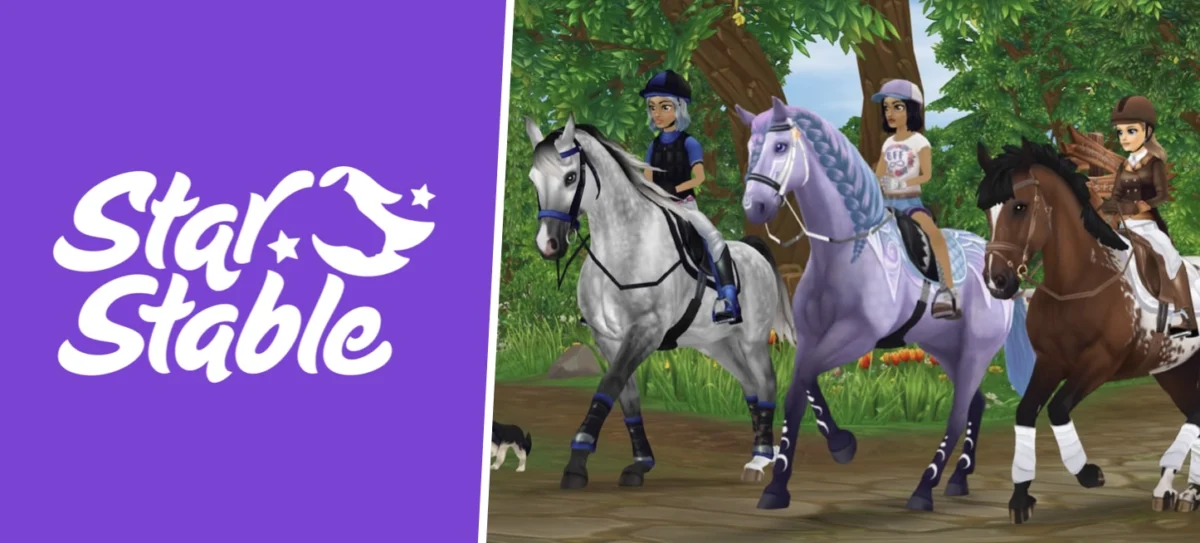
Star Stable Entertainment, the Stockholm-based developer behind the globally recognized equestrian MMO Star Stable Online, has officially confirmed a strategic restructuring that includes the termination of approximately 20% of its total workforce. This decision, described by the company’s leadership as a necessary measure for long-term financial health, is expected to affect between 26 and 40 employees, depending on the current total headcount of the organization. While the company’s official website lists its staff count at approximately 130 individuals, data from professional networking platforms like LinkedIn suggests the workforce may have been as high as 180 prior to this announcement. When approached for clarification regarding the specific number of affected roles, the developer declined to provide an exact figure, citing the sensitivity of the ongoing transition for its staff.
The layoffs come at a time of broader economic recalibration within the global video game industry, which has seen tens of thousands of job losses over the past eighteen months. For Star Stable Entertainment, the move represents a pivot away from the rapid expansion of previous years toward a leaner, more focused operational model. The studio’s flagship title, Star Stable Online, remains a dominant force in its specific niche, but the costs associated with maintaining a high-frequency update schedule for a long-running live-service game appear to have necessitated a reduction in overhead.
Financial Performance and Revenue Metrics
To understand the context of these layoffs, it is essential to examine the financial performance of Star Stable Entertainment’s primary assets. According to market intelligence data from AppMagic, the studio’s flagship product, Star Stable Online, has demonstrated consistent but plateauing revenue since its comprehensive mobile launch in 2022. The title has generated approximately $23 million in lifetime revenue from in-app purchases (IAPs) across iOS and Android platforms, complemented by an estimated 12 million downloads globally.
Currently, the mobile version of the game generates roughly $500,000 in monthly revenue. While these figures represent a successful transition for a game that originated as a PC-exclusive title in 2011, they must be weighed against the operational costs of a Stockholm-based studio. Stockholm is one of Europe’s most expensive hubs for game development, with high competitive salaries and significant overhead for office space and employee benefits. For a studio employing upwards of 180 people, a monthly revenue of $500,000 from mobile—even when supplemented by PC subscription revenue and legacy sales—may not provide the margin required for aggressive expansion or the development of new intellectual properties.
In addition to the flagship MMO, the company operates Star Stable Horses, a companion app launched in 2017. This title has contributed approximately $2.7 million in lifetime IAP revenue. While successful as a secondary product, it does not generate the high-volume cash flow necessary to offset the rising costs of the primary studio’s operations. The discrepancy between the company’s stated staff count and its LinkedIn profile suggests that the studio may have scaled up rapidly in anticipation of further growth that has yet to materialize in the current post-pandemic economic climate.
A Chronology of Star Stable’s Evolution
The history of Star Stable Entertainment is one of unique success within a highly specific demographic. Founded in 2011, the company sought to fill a void in the market for high-quality, narrative-driven games targeting young girls and equestrian enthusiasts.
- 2011–2015: Star Stable Online launched as a subscription-based PC title, quickly building a dedicated community through weekly content updates and an evolving storyline.
- 2017: The company expanded its mobile footprint with the release of Star Stable Horses, allowing players to raise foals and transfer them to the main game.
- 2018–2021: This period marked an era of "transmedia" expansion. The company launched a music label, published a series of novels, and began development on an animated series titled Star Stable: Mistfall. This diversification was intended to transform Star Stable from a game into a comprehensive lifestyle brand.
- 2022: A major milestone was reached with the full global launch of Star Stable Online on mobile devices, bringing cross-platform play to its millions of users.
- 2023–2024: Following the appointment of interim CEO James Nicholas, the company began a period of internal review. Despite the game’s longevity, the rising costs of maintaining an aging engine and the saturation of the mobile gaming market led to the current decision to downsize.
This timeline illustrates a company that grew from a niche developer into a multifaceted media entity. However, the current layoffs suggest that the transmedia ambitions may have outpaced the core revenue generated by the gaming sector, leading to the current "refocusing" phase.
Official Statements and Leadership Perspective
The announcement of the layoffs was made public through a statement by interim CEO James Nicholas. In a professional address shared via LinkedIn, Nicholas characterized the decision as a painful but vital step for the company’s survival.
"Making this decision was incredibly challenging and does not diminish the contribution these team members have made," Nicholas stated. He emphasized that the primary motivation behind the workforce reduction was to "secure the long-term future of Star Stable." According to the CEO, the reduction in operating costs will allow the studio to refocus its resources on its core strengths, ensuring that the company can continue to deliver the "memorable experiences" that its player base expects.
The use of an "interim" CEO often signals a period of transition within a corporate structure. In many cases, an interim leader is tasked with implementing difficult financial reforms—such as layoffs or divestments—to stabilize the company’s balance sheet before a permanent successor is appointed. Nicholas’s focus on "adapting and growing" suggests that the studio is looking to move away from the high-burn expansionist phase of the late 2010s and toward a more sustainable, profit-oriented model.
Furthermore, the company has taken steps to assist those affected by the cuts. Star Stable Entertainment has publicly called upon other gaming studios currently in a hiring phase to reach out to their departing staff, highlighting the high caliber of talent being released into the market. Nicholas noted that the company is "fully committed to helping them navigate this transition with care and respect."
The Broader Context: A Global Industry Contraction
The layoffs at Star Stable Entertainment do not occur in a vacuum. They are part of a wider trend often referred to as the "Great Correction" in the gaming industry. During the COVID-19 pandemic, the gaming sector saw unprecedented growth as homebound consumers spent more time and money on digital entertainment. This led many studios to over-hire and expand into experimental projects.
As the world returned to normalcy, the industry faced a "perfect storm" of negative economic factors:
- Inflation and Interest Rates: Rising costs of living have reduced the disposable income of players, while higher interest rates have made it more difficult for tech companies to secure cheap capital for expansion.
- Market Saturation: The mobile gaming market, in particular, has become hyper-competitive, making user acquisition more expensive and difficult.
- Post-Pandemic Slump: Growth rates have stabilized or declined compared to the 2020–2021 peaks, leaving companies with bloated payrolls that their current revenues can no longer support.
In 2023 and the first half of 2024, major industry players including Microsoft (Activision Blizzard), Sony (Bungie and Naughty Dog), Unity, and Riot Games all announced significant workforce reductions. For a mid-sized developer like Star Stable Entertainment, the pressure to remain profitable is even more acute, as they lack the diversified revenue streams of a multi-billion dollar conglomerate.
Analysis of Implications for the Future of Star Stable Online
The reduction of 20% of the workforce raises questions about the future development velocity of Star Stable Online. The game is famous for its "Weekly Update" model, where new quests, horses, or features are added every Wednesday. Maintaining this pace requires a robust team of artists, designers, and quality assurance testers.
However, a "refocusing of resources" may actually benefit the game’s technical health. Like many MMOs that have been active for over a decade, Star Stable Online suffers from "technical debt"—old code that makes it difficult to implement modern features or optimize performance on newer hardware. By slimming down the staff and focusing on the core product, the remaining team may be able to prioritize engine upgrades and stability over rapid content churn.
There is also the matter of the "Star Stable" brand beyond the game. The company’s previous ventures into animation and music required significant investment. It is highly probable that the restructuring involves a scaling back of these non-core transmedia projects to ensure that the game—the primary engine of the company’s revenue—receives the necessary attention.
From a player perspective, the immediate impact may be minimal, but the long-term trajectory of the game will depend on how effectively the remaining team can manage the transition. If the studio successfully reduces its "operating costs" without sacrificing the quality of its narrative content, it may emerge from this period as a more resilient entity.
Conclusion and Market Outlook
The layoffs at Star Stable Entertainment are a somber reminder of the volatility currently facing the video game industry. While the studio remains a leader in the equestrian gaming space, the realities of the Stockholm tech market and the global economic downturn have forced a tactical retreat.
The move to cut 20% of the workforce is a clear signal that the company is prioritizing fiscal responsibility over the aggressive expansionism of its recent past. Under the guidance of James Nicholas, the studio is betting that a smaller, more agile team will be better equipped to navigate the challenges of the mid-2020s. For the 26 to 40 employees leaving the company, the transition is a difficult one, though the studio’s efforts to facilitate new employment opportunities suggest a commitment to corporate responsibility.
As the industry continues to stabilize, the success of Star Stable’s "refocusing" strategy will be a case study for other mid-sized developers. The ability to maintain a dedicated, niche community while managing the high costs of live-service development remains the ultimate challenge for the Stockholm-based developer. For now, the focus remains on supporting departing staff and ensuring that the horses of Jorvik continue to run for the millions of players who still call the game home.
About the Author