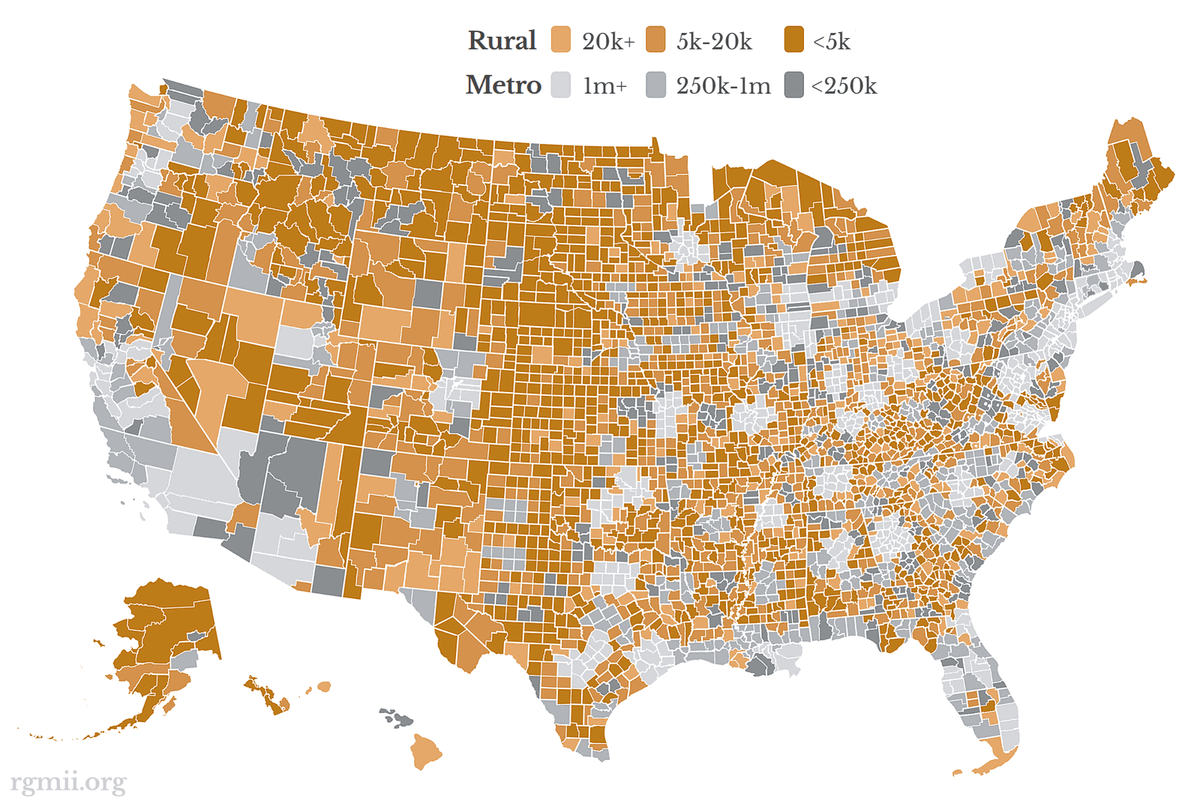
Jeff Atwood, the renowned co-founder of Stack Overflow and author of the popular "Coding Horror" blog, has significantly escalated his philanthropic commitment, pledging $50 million towards a new Rural Guaranteed Minimum Income Initiative (RGMII). This substantial long-term investment, representing half of his remaining wealth, builds upon an earlier $21 million in immediate aid distributed to various non-profit organizations. The initiative aims to address the root causes of poverty in America, focusing on direct cash transfers to families in underserved rural communities, a strategic pivot announced one year after Atwood launched his "Share the American Dream" pledge.
The "Share the American Dream" pledge, introduced in early 2025, called upon Americans to commit to two core principles: first, to immediately support effective organizations aiding those most in need across the country, and second, to dedicate time or funds within five years towards longer-term efforts to ensure the American Dream remains fair and attainable for future generations. Atwood’s recent announcements detail his family’s profound engagement with both facets of this pledge, translating personal conviction into large-scale philanthropic action.
A Personal Journey to Systemic Change
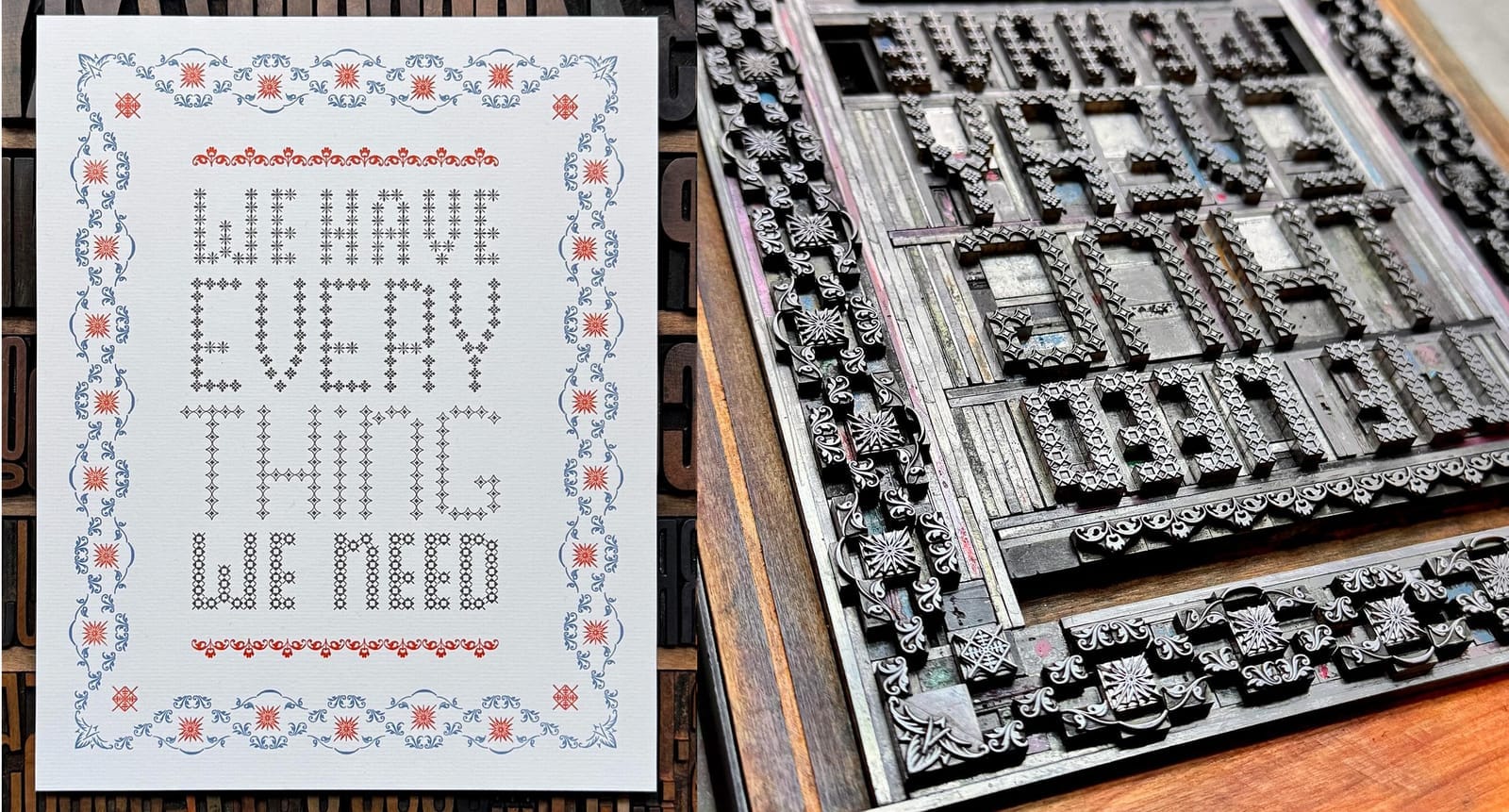
Atwood’s journey into large-scale philanthropy began to crystallize following the 2021 acquisition of Stack Overflow, a leading online community for developers, for a reported $1.8 billion by Prosus. This significant financial event prompted a deep personal reflection on the concept of "enough." As Atwood articulates, and his partner Betsy echoed in a recent podcast, the realization that "we have everything we need" led to a fundamental question: "How do we make sure everybody has what they need?" This philosophy is directly inspired by the powerful quote, "From those to whom much is given, much is expected," attributed to Mary Gates, mother of Microsoft co-founder Bill Gates, a sentiment that profoundly influenced the Gates family’s own expansive philanthropic endeavors.
The initial phase of Atwood’s pledge saw a rapid response to urgent needs. Beginning with $1 million distributed across eight non-profit charities in January 2025, the immediate scale of need became so apparent that an additional $13 million was swiftly committed within a few months, bringing the total short-term donations to $21 million. These funds were directed towards organizations effectively providing immediate relief and support to vulnerable populations across the United States. While impactful, Atwood recognized that this approach, though crucial, amounted to "firefighting" – addressing symptoms rather than underlying systemic issues.

Shifting Focus: From Immediate Relief to Root Causes
The transition from reactive aid to proactive systemic change marked the second, more ambitious phase of Atwood’s philanthropic vision. He articulated the need for "fire abatement" – tackling the fundamental conditions that perpetuate poverty, thereby reducing the prevalence of crises. This realization led to the commitment of $50 million, half of his remaining personal wealth, dedicated to long-term solutions.
Initially, Atwood had speculated on various avenues for this long-term investment, including founding an organization inspired by the RAND Corporation but modernized like Lever for Change, aimed at empowering experts to devise realistic pathways to preserving the American Dream. By March 2025, a consensus emerged around a specific, evidence-backed approach: Guaranteed Minimum Income (GMI).
Understanding Guaranteed Minimum Income (GMI)
The Rural Guaranteed Minimum Income Initiative (RGMII) champions GMI as a refined and targeted evolution of Universal Basic Income (UBI). While UBI often involves providing a set income to all citizens regardless of their economic status, GMI strategically directs financial aid to those most in need, particularly families grappling with generational poverty. This targeted approach aims to maximize the impact of every dollar by concentrating resources where they can make the most significant difference, addressing critiques sometimes leveled against broader UBI programs regarding cost-effectiveness and potential for unintended consequences.
The decision to focus on GMI is rooted in a growing body of research demonstrating the efficacy of direct cash transfers in alleviating poverty. Studies from various pilot programs worldwide have consistently shown that providing unconditional cash to low-income individuals and families leads to improved health outcomes, increased educational attainment for children, enhanced housing stability, reduced crime rates, and greater economic mobility. Recipients often use the funds for essential needs like food, housing, healthcare, and transportation, as well as for investments in education or small businesses, thereby breaking cycles of debt and dependency. The flexibility of direct cash empowers individuals to make the best financial decisions for their unique circumstances, a stark contrast to restrictive in-kind benefits programs.

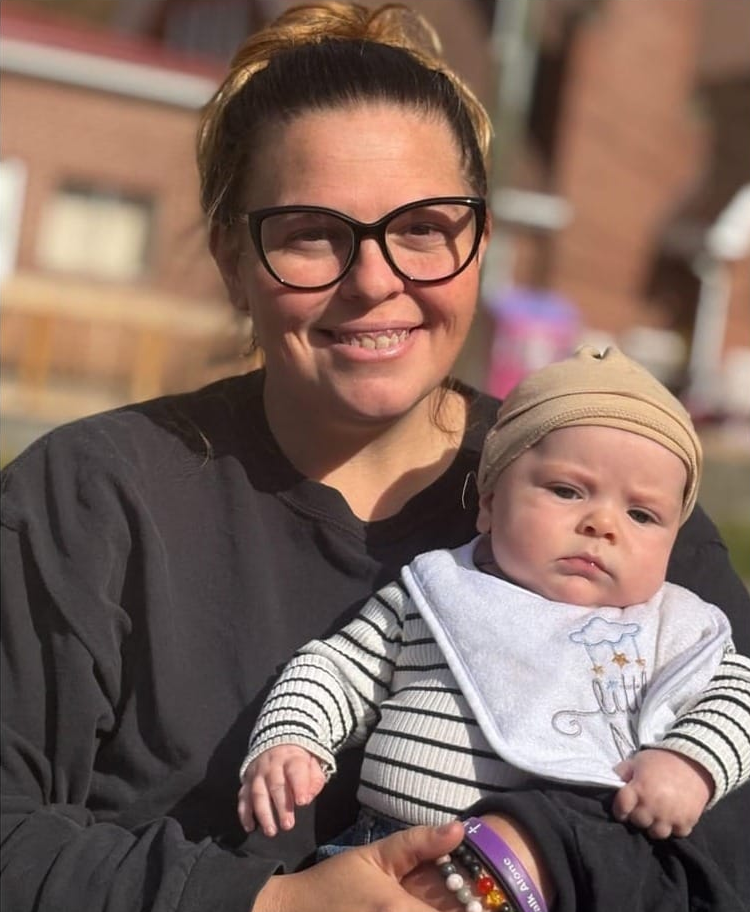
A compelling illustration of GMI’s potential comes from the lived experiences of recipients. Stacy D., a RISE Recipient in West Virginia, shared her story, highlighting the profound impact of direct aid. As a mother of five who had to stop working due to a high-risk pregnancy and subsequently faced vehicle breakdown, she underscored the isolation and immense challenge of securing basic necessities without a local support network. Her testimony vividly portrays how GMI funds can alleviate immediate crises, allowing families to regain stability and pursue opportunities that were previously out of reach, such as repairing a car to return to work or attending vital medical appointments. This anecdotal evidence aligns with broader findings that financial stability directly contributes to mental well-being and reduces stress, fostering an environment where individuals can plan for the future.
The Rural Focus: A Strategic Imperative
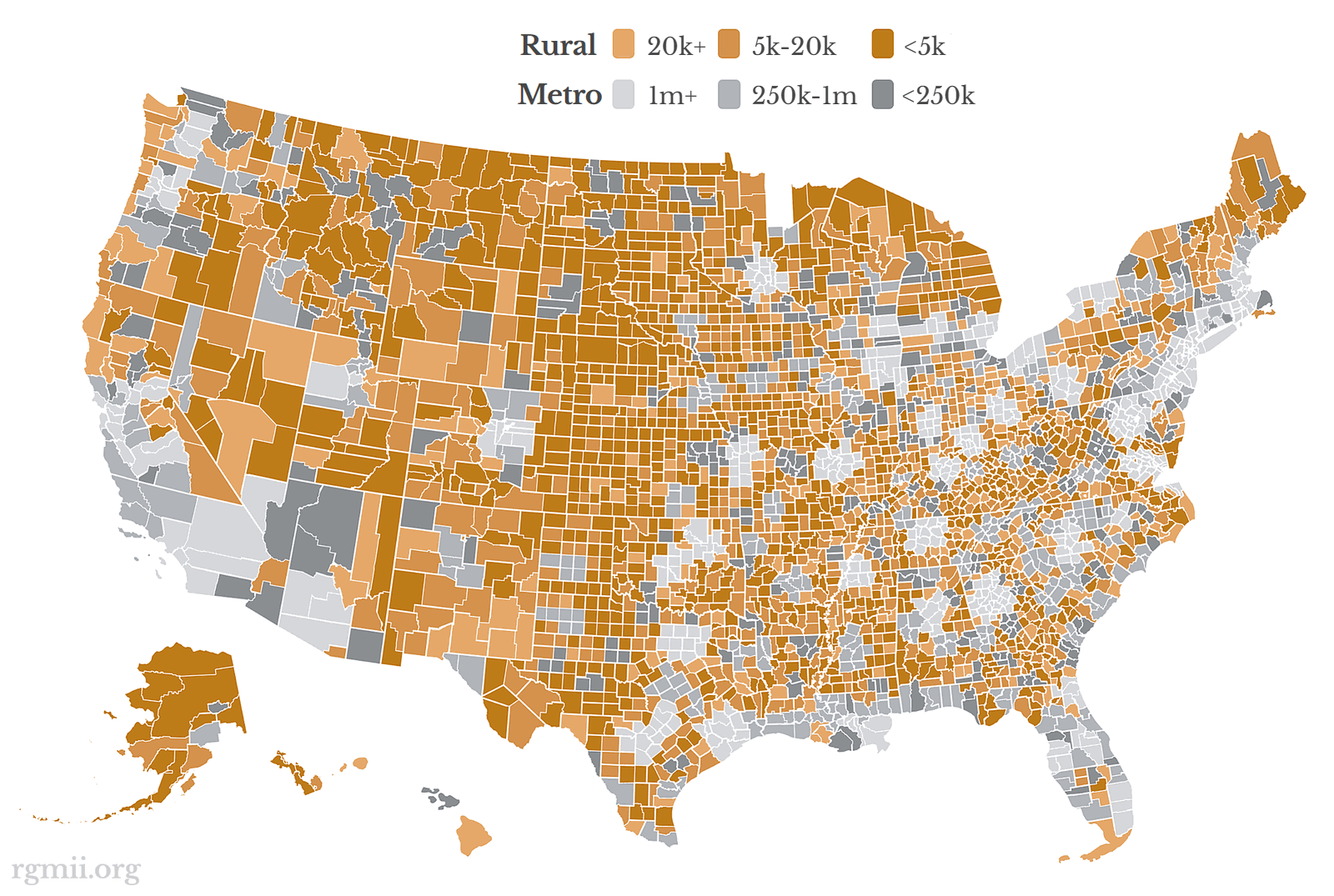
Atwood’s RGMII specifically targets rural counties, a strategic decision informed by several factors. Rural areas in the United States often exhibit higher rates of poverty compared to their urban counterparts, yet they frequently receive less philanthropic and governmental attention. In these regions, where the cost of living can be lower, each dollar of aid tends to go further, amplifying its impact. Furthermore, smaller populations in rural counties allow for tighter, more controlled studies, facilitating robust data collection and analysis on the effects of GMI.

Atwood’s personal connection to rural America—his parents and he hail from such areas—also underpins this focus, highlighting his belief in the "incredible untapped talent" residing within these overlooked communities. This perspective suggests that investing in rural populations is not merely an act of charity but a recognition of their inherent potential and a commitment to fostering equitable opportunity across the nation.
Initial Pilots and Ambitious Expansion
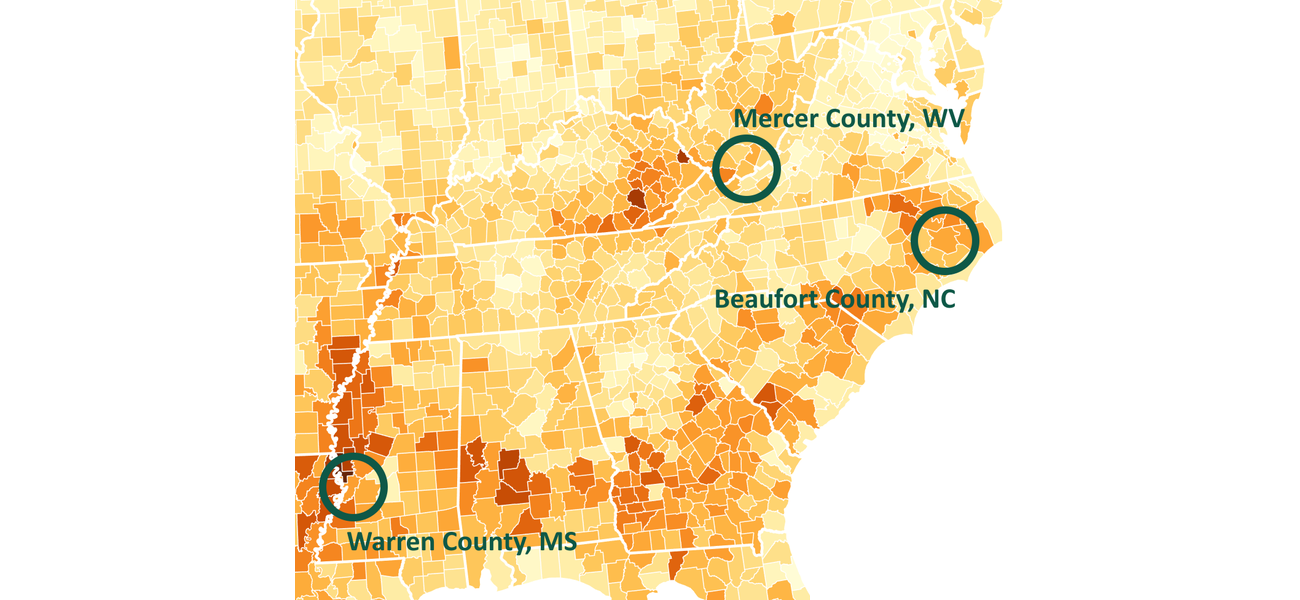
The RGMII is already actively funding three county-level programs in distinct rural geographies: Mercer County, West Virginia; Beaufort County, North Carolina; and Warren County, Mississippi. These pilot programs are designed to provide financial support to thousands of individuals over a 16-month period, with a crucial emphasis on sharing data and results openly with the world. This commitment to transparency and evidence-based practice is critical for building a comprehensive understanding of GMI’s effectiveness and for informing future policy decisions.
The initial geographic spread of these pilots is intentional, encompassing different economic and social contexts within rural America. Mercer County, WV, for example, is located in a region historically impacted by the decline of the coal industry, facing significant economic challenges. Beaufort County, NC, is a coastal rural area with a diverse economy, including agriculture and tourism, but also pockets of deep poverty. Warren County, MS, in the Delta region, grapples with long-standing issues of intergenerational poverty and limited economic opportunities. By implementing GMI in these varied settings, the RGMII aims to gather a broad spectrum of data, enhancing the generalizability of its findings.
While these initial programs represent a "good start," Atwood and the RGMII team harbor considerably more ambitious goals, aspiring to extend their reach to all 50 states over time. This long-term vision underscores the scale of the challenge and the dedication required to fundamentally reshape the landscape of poverty in America.
Broader Implications and the Path Forward
The RGMII’s launch signifies a notable contribution to the ongoing national discourse on poverty alleviation and economic equity. By focusing on direct cash transfers, the initiative joins a growing movement of philanthropists and policymakers advocating for solutions that empower individuals directly, rather than relying solely on traditional service delivery models. The emphasis on data sharing and rigorous evaluation positions RGMII as a potential blueprint for future large-scale interventions, offering valuable insights into what works in diverse American communities.
The initiative also highlights the increasing role of private philanthropy in tackling issues traditionally addressed by government. While not a replacement for comprehensive public policy, such private ventures can act as incubators for innovative solutions, demonstrating their efficacy and building public support for broader implementation. Atwood’s commitment to "doing science" and generating open data is a critical aspect, providing empirical evidence that can inform legislative efforts and shift public perception of direct cash programs.
Atwood frames his endeavor as his "third and final startup," signaling a profound personal investment in its success. He eschews the idea of a traditional "Atwood Foundation," instead dedicating his efforts to advancing the singular concept of direct cash transfer. This commitment, he states, is perhaps "the most radical act of love we can take on," driven by the belief that "dreams, like happiness, are only real when shared."
The initiative invites broader participation. The RGMII website (rgmii.org) serves as a central hub for information, offering access to GMI study results, its historical context, and resources for advocacy. The call to action extends to sharing findings, educating communities, engaging with elected representatives, and challenging common misconceptions about GMI and UBI. For individuals or organizations "to whom much is given," the RGMII actively seeks partners and sponsors to expand GMI studies to new rural counties, accelerating the journey towards reaching all 50 states and lifting thousands more out of poverty.
In a concluding note on his blog, Atwood indicated that "Coding Horror" will revert to its regular technical content, with all future GMI-related updates moving to the dedicated RGMII platform. This marks a symbolic transition, underscoring the seriousness and long-term commitment to this new, impactful venture. The RGMII represents not just a financial pledge, but a profound philosophical statement on shared prosperity and the enduring potential of the American Dream, grounded in evidence and driven by a vision of collective well-being.
About the Author