Lenovo has initiated a significant restructuring of its extended reality (XR) operations, resulting in layoffs within its United States-based business unit. The move signals a strategic departure from the company’s enterprise-focused augmented reality (AR) and virtual reality (VR) initiatives under the ThinkReality brand. Instead, the technology giant is refocusing its resources on consumer-oriented AI wearables, primarily integrated through its Motorola subsidiary. This transition reflects a broader industry trend where hardware manufacturers are increasingly prioritizing artificial intelligence and lightweight smart glasses over traditional, bulky VR headsets designed for professional environments.
The layoffs, which reportedly impacted a substantial portion of the US XR team, were confirmed following internal shifts aimed at centralizing Lenovo’s wearable ecosystem. While some employees were reassigned to other departments within the corporation, the majority of the specialized business-oriented unit has been dissolved. This restructuring follows a period of heavy investment by Lenovo in the B2B (business-to-business) sector, which included the development of the ThinkReality A3 and A6 AR glasses and high-level partnerships with industry leaders such as Qualcomm and Meta.
A Strategic Shift from Enterprise to Consumer AI
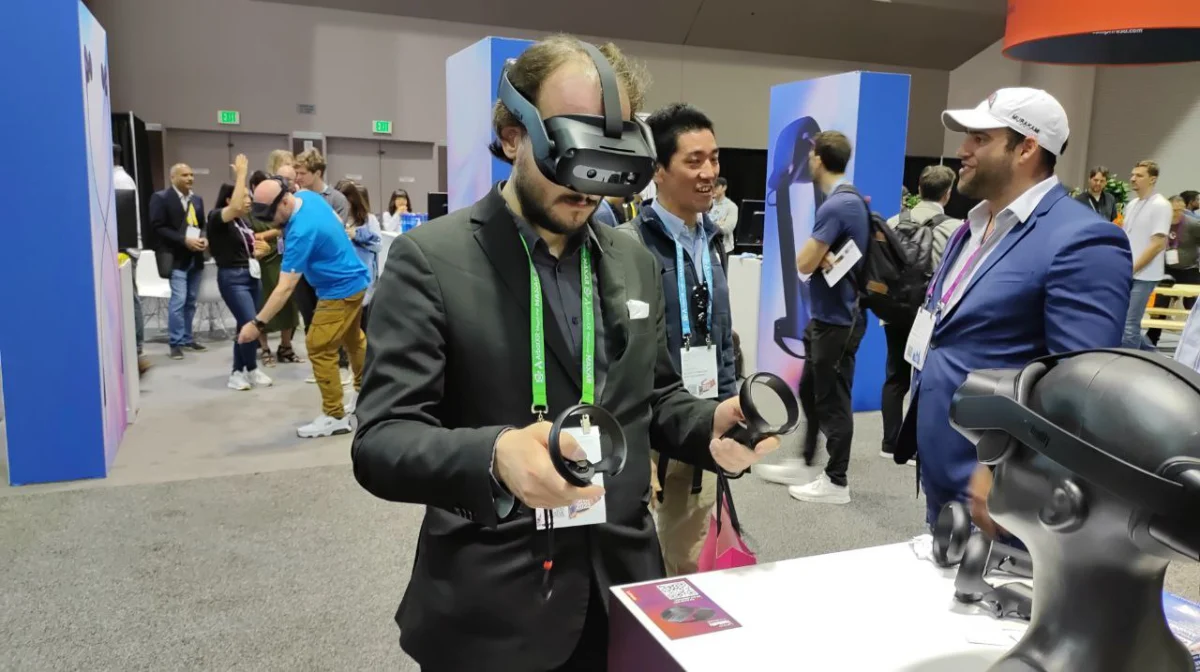
The decision to pivot away from the ThinkReality enterprise line comes at a time when the XR market is undergoing a period of cooling, often referred to by industry analysts as a "VR Winter." For several years, Lenovo positioned itself as a primary contender in the professional XR space, catering to industrial training, remote assistance, and 3D visualization. However, the company’s official communications indicate that market momentum has shifted toward AI-enabled consumer devices.
A spokesperson for Lenovo clarified the company’s new direction, stating that the organization is transitioning to a more centralized structure focused on AI-native consumer wearables. This strategy is designed to create a unified personal AI experience across Lenovo’s entire hardware portfolio, including PCs, tablets, and smartphones. By leveraging the Motorola brand—a name with high consumer recognition—Lenovo aims to make wearable AI more accessible and scalable for the general public. This "Smarter AI for All" vision suggests that future Lenovo wearables will function less as isolated VR platforms and more as peripheral extensions of a user’s existing digital life.

The Chronology of Lenovo’s XR Involvement
Lenovo’s history in the XR space has been characterized by diverse experimentation across both consumer and enterprise segments. The current pivot is the latest in a series of developments that have seen the company adjust its trajectory based on technological shifts and partnership outcomes.
- The ThinkReality Era (2019–2023): Lenovo launched the ThinkReality platform to provide enterprise-grade hardware and software solutions. The ThinkReality A3 AR glasses became a flagship product, often showcased alongside Motorola smartphones to demonstrate mobile-tethered productivity.
- Qualcomm Snapdragon Spaces Partnership: Lenovo was a launch partner for Qualcomm’s Snapdragon Spaces XR Developer Platform. This initiative was intended to create an open ecosystem for head-worn AR, but industry-wide adoption has been slower than anticipated, leading to a limited return on investment for hardware partners.
- Meta HorizonOS Collaboration (Early 2024): Lenovo was announced as one of the key third-party manufacturers that would build headsets running Meta’s HorizonOS. The partnership was intended to produce a high-end device focused on productivity and learning. However, reports of the project’s cancellation or indefinite suspension suggest that Lenovo’s interest in high-cost VR hardware has waned in favor of more versatile AI devices.
- The AI Pivot (2024–2026): Following the cooling of the VR market and the explosion of generative AI, Lenovo began teasing "AI Glasses" concepts. The recent layoffs in the US XR unit mark the formal end of the enterprise-first strategy as the company consolidates its efforts under the Motorola consumer umbrella.
Market Context and the "VR Winter"
Lenovo is not alone in its strategic realignment. The broader XR industry has faced headwinds over the past 18 months. While Meta continues to invest billions into its Reality Labs division, other major players like HTC and Sony have faced challenges in maintaining consumer and enterprise momentum. The "VR Winter" is characterized by several factors:
- High Hardware Costs: Professional-grade AR and VR headsets remain prohibitively expensive for mass enterprise deployment, often requiring significant IT infrastructure and training.
- The AI Boom: The rapid rise of Large Language Models (LLMs) and generative AI has diverted venture capital and corporate R&D budgets away from the "Metaverse" and toward AI integration.
- Form Factor Fatigue: Users have shown a preference for lightweight, socially acceptable form factors—such as the Meta Ray-Ban smart glasses—over immersive but cumbersome VR goggles.
Data from market intelligence firms suggests that while the enterprise VR market is growing at a slower-than-expected pace, the market for "smart glasses" and AI wearables is projected to see a higher compound annual growth rate (CAGR) through 2030. Lenovo’s shift to Motorola-branded AI glasses appears to be a direct response to these market signals.
The Lenovo AI Glasses Concept
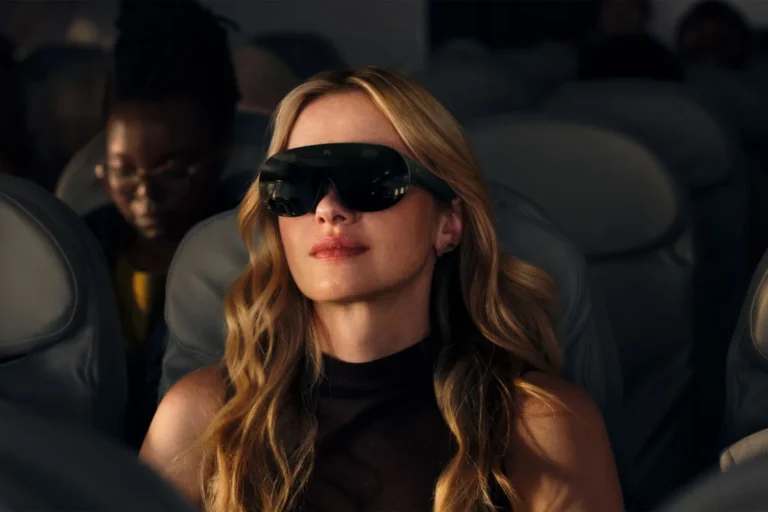
The future of Lenovo’s wearable strategy was previewed through the "Lenovo AI Glasses Concept." This device represents the blueprint for the consumer-focused direction the company is now pursuing. Unlike the enterprise-heavy ThinkReality headsets, these glasses weigh approximately 45 grams, making them comparable to standard eyewear.
The concept device is designed to be wirelessly tethered to a smartphone or PC, utilizing an AI assistant named "Qira." Key features include:

- Sub-millisecond Live Translation: Real-time audio and visual translation for international communication.
- Intelligent Image Recognition: Contextual information provided based on what the wearer is looking at.
- Productivity Tools: A built-in teleprompter for presentations and a "Catch Me Up" feature that summarizes notifications across devices.
- Battery Life: An optimized power profile offering up to eight hours of use, significantly higher than most immersive AR headsets.
By shifting the heavy processing to the paired smartphone (Motorola) or PC (ThinkPad), Lenovo can reduce the weight and cost of the glasses, making them a more viable consumer product than the enterprise units they are replacing.
Broader Impact on the XR Ecosystem
Lenovo’s departure from the enterprise XR hardware space leaves a void in the B2B market, particularly for companies that relied on the ThinkReality ecosystem for industrial applications. This move may benefit competitors like Magic Leap, Microsoft (with HoloLens, despite its own uncertainty), and Vuzix, who may now capture Lenovo’s former enterprise clients.
However, the shift also validates a growing consensus in the tech industry: the path to mass-market adoption for head-worn technology lies in "augmentation" rather than "immersion." By focusing on AI and the Motorola brand, Lenovo is betting that consumers want a helpful digital assistant on their face rather than a virtual world to step into.
The implications for the workforce are also significant. The layoffs in the US reflect a broader trend of tech companies "leaning out" their experimental divisions to focus on core competencies and immediate AI profitability. As Lenovo integrates its XR talent into its mobile and AI divisions, the industry will be watching closely to see if Motorola can successfully challenge Meta and Apple in the emerging battle for the "smart glasses" market.
In conclusion, Lenovo’s restructuring marks the end of an ambitious chapter in enterprise AR and the beginning of a high-stakes pivot toward AI-driven consumer wearables. While the "VR Winter" has claimed another dedicated business unit, the resulting evolution may lead to more practical, everyday technology that aligns with the current global focus on artificial intelligence.
About the Author