The global technology leader Lenovo has initiated a significant restructuring of its Extended Reality (XR) operations, resulting in layoffs within its business-oriented XR unit based in the United States. This move marks a pivot away from the company’s long-standing enterprise-first approach to augmented and virtual reality, signaling a broader retreat from the commercial XR sector in favor of consumer-centric, artificial intelligence-driven wearable technology. Reports from industry sources indicate that while a minority of the affected staff were transitioned into alternative roles within the corporation, a substantial portion of the workforce dedicated to the ThinkReality brand has been let go.
The decision reflects a cooling sentiment toward high-end enterprise VR and AR solutions, a phenomenon often described by industry analysts as the "VR Winter." For several years, Lenovo was positioned as a primary contender in the B2B XR space, leveraging its ThinkReality platform to provide hardware and software solutions for industrial training, remote assistance, and spatial computing. However, the anticipated mass adoption of these technologies in the corporate world has faced headwinds, leading to a strategic reassessment of the company’s long-term investments in the sector.
A Strategic Pivot Toward Consumer AI and Motorola
In an official response regarding the restructuring, a Lenovo spokesperson confirmed that the company is transitioning its XR strategy. The company cited the evolving nature of the market, noting that consumer adoption is currently showing stronger momentum around AI-enabled wearables rather than traditional enterprise XR headsets. The spokesperson stated that Lenovo is moving from a "business-first XR strategy" under the ThinkReality brand to a more centralized, consumer-focused organization housed within its Motorola division.
This organizational shift is intended to unify Lenovo’s ecosystem of AI-native devices. The goal is to deliver a cohesive "Personal AI" experience that spans the company’s entire hardware portfolio, including AI-powered PCs, tablets, smartphones, and wearables. By centering these efforts within Motorola, Lenovo aims to capitalize on the brand’s existing consumer reach and its expertise in mobile integration. This move suggests that future Lenovo wearable hardware will likely be marketed as accessories to the smartphone experience, focusing on portability and AI assistance rather than immersive, standalone enterprise environments.

The Context of the Enterprise XR Decline
The downsizing of Lenovo’s U.S. XR unit does not occur in a vacuum. It follows a series of industry-wide setbacks that have impacted the viability of B2B-focused mixed reality. Lenovo had previously committed significant resources to the Snapdragon Spaces development environment, a platform spearheaded by Qualcomm to foster an open ecosystem for spatial computing. Despite these efforts, the developer and enterprise uptake for Snapdragon Spaces has been characterized as lukewarm, failing to generate the transformative market shift many had predicted.
Furthermore, Lenovo was a key partner in Meta’s initiative to open its HorizonOS operating system to third-party hardware manufacturers. The partnership was intended to produce a high-end mixed-reality headset optimized for productivity, learning, and entertainment. However, recent reports regarding the cancellation or significant delay of specific HorizonOS-based hardware projects appear to have left partners like Lenovo with high-cost investments that yielded no immediate commercial return. These factors, combined with a general trend of corporate belt-tightening and a shift in venture capital toward generative AI, have made the maintenance of a dedicated enterprise XR unit increasingly difficult to justify.
Timeline of Lenovo’s XR Evolution
To understand the magnitude of this shift, one must look at Lenovo’s trajectory in the spatial computing market over the last decade:
- 2017–2019: Lenovo enters the consumer VR space with the Mirage Solo (Daydream-based) and the Explorer (Windows Mixed Reality). It later pivots toward enterprise with the launch of the ThinkReality brand, debuting the A6 AR headset.
- 2021: The company releases the ThinkReality A3 smart glasses, which were designed to tether to PCs and Motorola smartphones, specifically targeting the "mobile worker" demographic.
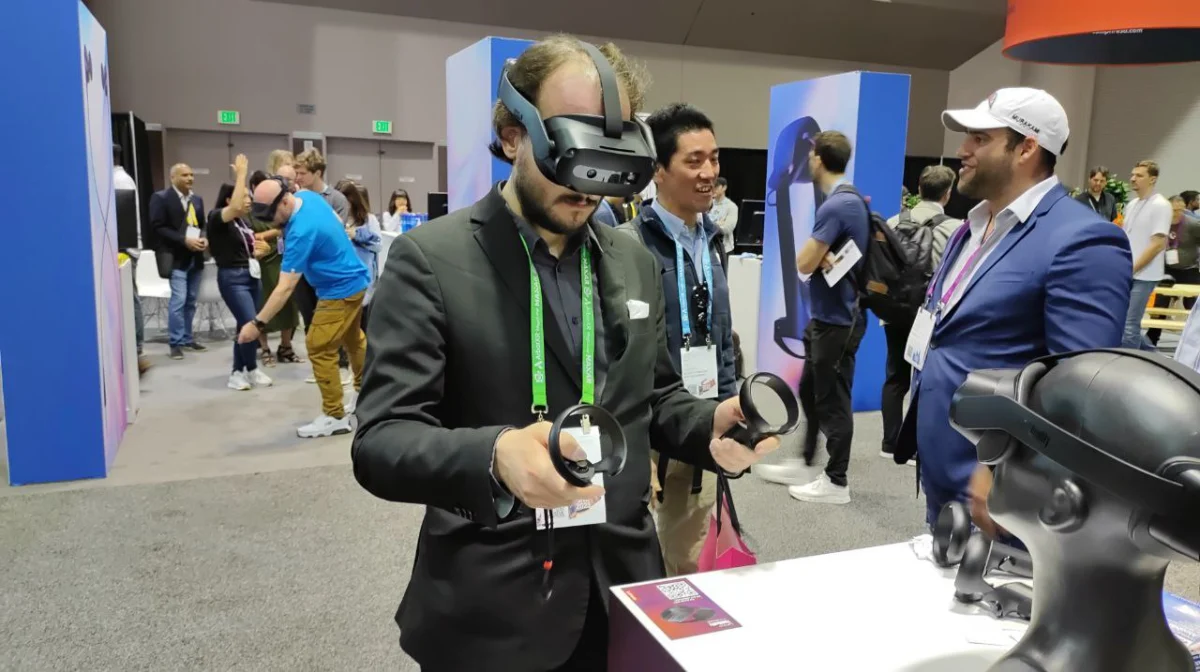
- 2023: Lenovo introduces the ThinkReality VRX, an all-in-one VR headset featuring pass-through technology for mixed reality, aimed squarely at enterprise training and collaboration.
- Early 2024: Meta announces Lenovo as a premier partner for the HorizonOS ecosystem. Simultaneously, Lenovo continues to promote "Smarter AI for All" as its core corporate mission.
- Mid-2024: Reports emerge of layoffs within the U.S.-based XR team, followed by the official announcement of a shift toward consumer AI wearables under Motorola.
The Rise of AI-Enhanced Wearables
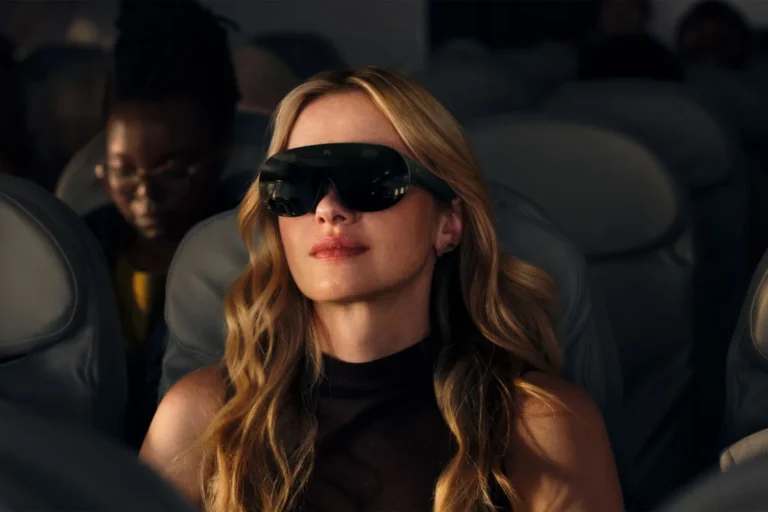
The transition toward consumer wearables is already taking shape. At CES 2026, Lenovo showcased its "AI Glasses Concept," a device that deviates significantly from the bulky form factors of previous VR headsets. Weighing only 45 grams, these glasses are designed for all-day wear and are wirelessly tethered to a smartphone or PC. Unlike the ThinkReality VRX, which focused on immersive 3D environments, the AI Glasses Concept emphasizes "sub-millisecond live translation," intelligent image recognition, and a "Catch Me Up" feature that summarizes notifications across devices.
This new direction aligns Lenovo with competitors like Meta and HTC, who have also begun shifting focus toward "smart glasses" that integrate AI voice assistants and cameras rather than full-field-of-view AR displays. The integration of "Lenovo Qira," the company’s proprietary AI, suggests that Lenovo sees the future of wearables not as a replacement for the screen, but as an intelligent interface that provides context to what a user sees and hears in real-time.

Broader Market Implications and the "VR Winter"
The retreat of a major player like Lenovo from the enterprise XR space serves as a barometer for the current state of the industry. While companies like Apple have recently entered the market with the Vision Pro, the high price points and lack of "killer apps" for business productivity have slowed the momentum of the broader XR sector. Many enterprises that initially experimented with AR for assembly lines or VR for remote training have found the hardware maintenance and software integration costs to be prohibitive.
In contrast, the "AI wearable" segment—exemplified by products like the Ray-Ban Meta glasses—has seen a surge in interest. These devices offer immediate utility through voice interaction and photography without the social friction or technical complexity of mixed-reality headsets. Lenovo’s decision to move its XR talent into Motorola suggests that the company believes the path to scale lies in devices that feel like traditional eyewear but are augmented by the cloud-based processing power of modern smartphones.
Conclusion and Outlook
Lenovo’s restructuring signifies the end of an era for the ThinkReality brand as a standalone enterprise hardware powerhouse. By consolidating its wearable efforts under Motorola and focusing on consumer AI, Lenovo is betting that the "Smarter AI for All" vision will be realized through lightweight, accessible devices rather than specialized industrial headsets.
While the layoffs represent a difficult period for the professionals who built Lenovo’s XR foundation, the company’s pivot highlights a significant trend: the convergence of AI and hardware. As the industry moves away from the "metaverse" narrative of 2021 and 2022, the focus has shifted to "ambient computing," where technology works seamlessly in the background. For Lenovo, the future of XR appears to be less about "Extended Reality" and more about "Augmented Intelligence," delivered through a pair of glasses that look and feel like a standard consumer accessory.
About the Author