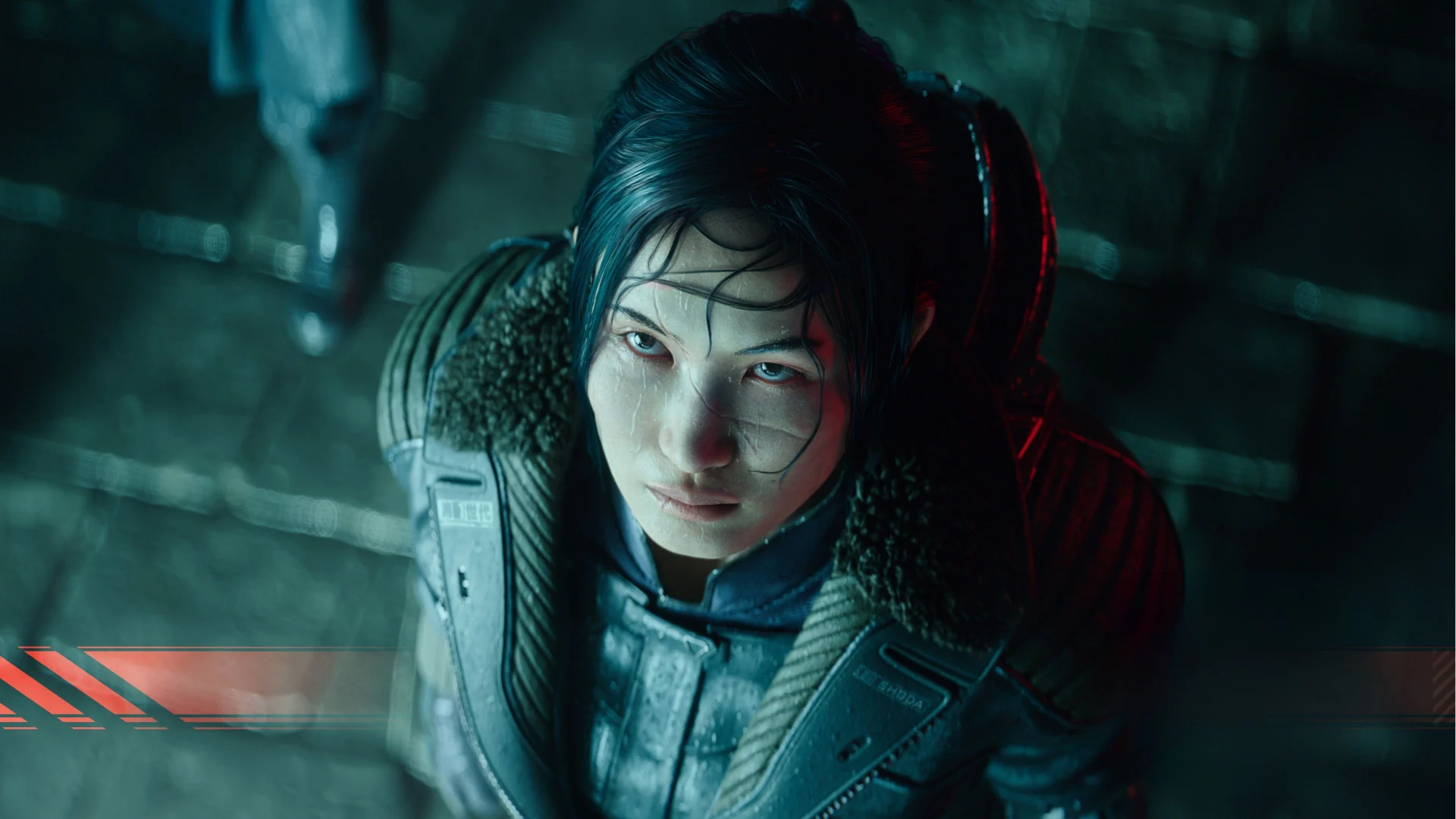
Lightspeed LA, the US-based subsidiary of the formidable Tencent-owned Lightspeed Studios, has confirmed a significant restructuring effort involving staff layoffs. The decision comes as the development team behind the highly anticipated title, Last Sentinel, announced in 2023, pivots its creative and development direction following extensive internal reviews and play-testing. Reports indicate that approximately 80 employees are impacted by these changes, marking a challenging period for a studio that had previously embarked on an ambitious expansion.
The Genesis and Lofty Ambitions of Lightspeed LA and Last Sentinel
Lightspeed LA emerged as a key component of Tencent’s broader strategy to bolster its presence in the Western AAA gaming market. As a subsidiary of Lightspeed Studios, a global powerhouse known for titles like PUBG Mobile, Lightspeed LA was established with the explicit goal of developing high-fidelity, original intellectual properties for PC and console. The studio’s formation was part of a larger trend of Chinese tech giants, particularly Tencent, investing heavily in global game development talent and infrastructure.
The unveiling of Last Sentinel in 2023 was met with considerable excitement within the industry. While details about the game remained scarce, its mere announcement by a newly formed, well-funded studio with strong backing signaled a serious intent to compete at the highest echelons of game development. The studio aimed to create an experience that would resonate with a global audience, leveraging the creative freedom and financial resources provided by its parent company. The initial vision for Last Sentinel was understood to be ambitious, aspiring to deliver a cutting-edge narrative and gameplay experience that would justify the significant investment.
A Period of Strategic Investment and Talent Acquisition
Prior to the recent layoffs, Lightspeed Studios, and by extension Lightspeed LA, had been on an aggressive growth trajectory, characterized by strategic hires and significant infrastructure investments. This period of expansion underscored the parent company’s long-term commitment to developing premium console and PC titles.
One notable addition to the executive team was Michael Pattison, who joined Lightspeed Studios as Vice President of its publishing division for PC and console games. Pattison brought with him a wealth of experience from his tenures at industry giants such as Sony Interactive Entertainment, THQ, and Capcom, signaling a clear intent to establish robust publishing capabilities for Lightspeed’s burgeoning portfolio. His recruitment was seen as a move to infuse the studio with seasoned leadership capable of navigating the complexities of the global gaming market.
Further solidifying its development infrastructure, Lightspeed Studios inaugurated a state-of-the-art facility dedicated to motion capture, virtual production, post-production, and video editing. Located in Los Angeles, this facility was touted by Lightspeed VP Steve C. Martin as a "significant milestone" in the studio’s journey to grow as a developer, providing cutting-edge tools and resources essential for crafting AAA titles. The investment in such specialized facilities demonstrated a commitment to internalizing critical production processes and achieving a high level of fidelity in its games.
In terms of creative talent, Lightspeed LA also made headlines by enlisting industry veterans for Last Sentinel. Acclaimed voice actor Troy Baker, known for his iconic roles in numerous blockbuster games, was brought on as the game’s performance director, indicating a strong emphasis on narrative and character delivery. Furthermore, Hideaki Itsuno, the renowned director behind Capcom’s Dragon’s Dogma series, was tapped to lead a new Lightspeed studio in Japan, underscoring Lightspeed’s global talent acquisition strategy. These high-profile hirings collectively painted a picture of a studio assembling a dream team to execute on its ambitious projects.
Earlier this year, Lightspeed also unveiled a proprietary IP development framework designed to build triple-A titles at scale. This structured system, as announced, prioritizes "strong visual identity and art direction over sheer graphical fidelity," suggesting a thoughtful approach to game design that focuses on artistic vision and player experience rather than merely pushing graphical boundaries. This framework was intended to streamline the development process and ensure consistency across its ambitious portfolio.
The Pivotal Shift: "Extensive Internal Reviews and Play-testing" Lead to Creative Overhaul
Despite the robust investments and talent acquisition, the studio has now confirmed that Last Sentinel is undergoing a significant creative and developmental overhaul. The catalyst for this decision, as stated by Lightspeed LA, was the outcome of "extensive internal reviews and play-testing." This phrase, common in the game development industry, typically signals that early builds or conceptual prototypes of a game did not meet internal quality benchmarks, strategic objectives, or player engagement expectations.
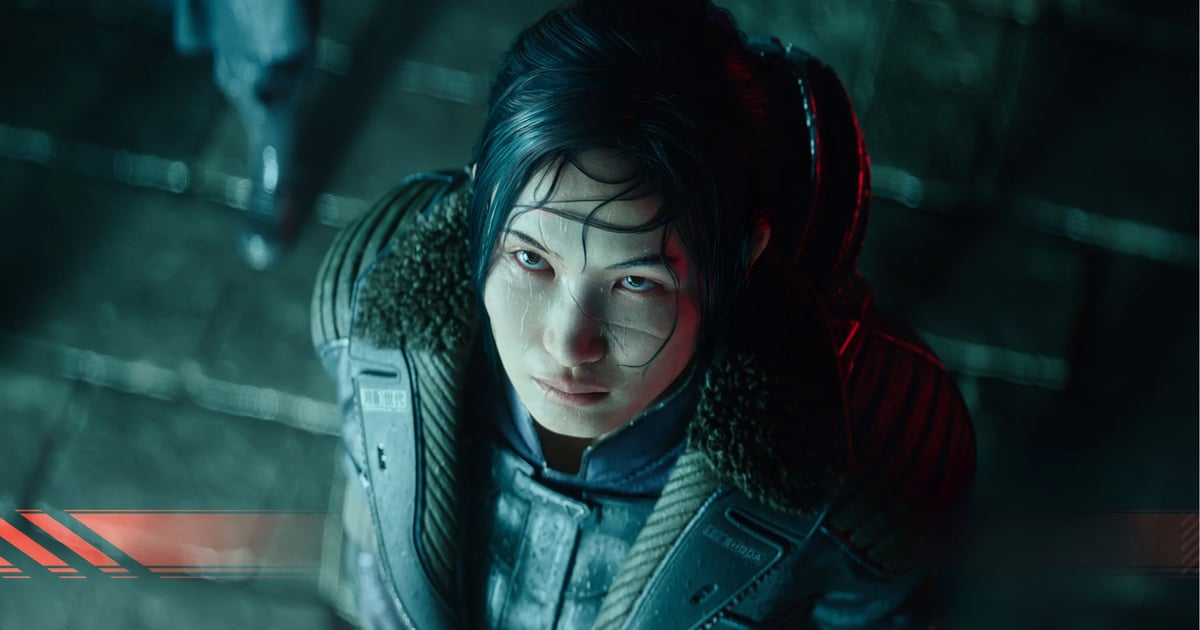
Such a pivot can be triggered by a multitude of factors. It might indicate that the core gameplay loop wasn’t compelling enough, the narrative direction was faltering, technical challenges were proving insurmountable within the current framework, or simply that the vision wasn’t coalescing into an experience the developers felt confident in delivering. The studio’s statement about intending to "deliver the experience players expect" implies that the original trajectory was not aligning with those expectations, necessitating a fundamental change. In the high-stakes world of AAA game development, where budgets run into tens or hundreds of millions, early course corrections, while painful, are often deemed necessary to prevent a much larger failure down the line.
The Human Cost: Impact on Approximately 80 Employees
The consequence of this creative redirection is a round of layoffs, impacting an estimated 80 employees at Lightspeed LA, according to reports from GamesBeat. This figure represents a substantial portion of a studio that had been actively expanding its workforce. The studio stated its commitment to treating "affected team members with compassion and respect, offering comprehensive support and, where possible, the opportunity to transfer internally." Such support packages often include severance pay, extended health benefits, outplacement services, and assistance with job searching, aiming to mitigate the immediate financial and professional impact on those affected.
These layoffs at Lightspeed LA are not an isolated incident within the broader gaming industry. The past year has seen a distressing trend of job losses across numerous studios, from independent developers to major publishers. Economic pressures, rising development costs, increasing competition, and a post-pandemic market correction have all contributed to a volatile employment landscape. Companies like Epic Games, Unity, Embracer Group, and even other Tencent subsidiaries have undergone similar workforce reductions. This broader context highlights the precarious nature of game development, where even well-funded projects can face significant hurdles and necessitate difficult personnel decisions.
Lightspeed Studios’ Broader Vision and Tencent’s Global Strategic Reassessment
Amidst the layoffs, Lightspeed Studios reiterated its "long-term commitment to North America," asserting that the region remains a "cornerstone of our global gaming strategy." The statement emphasized continued investment in "local talent, creative expertise and development across the region." This reassurance aims to signal that the current adjustments are specific to Last Sentinel‘s development and not a retraction from the North American market, which is crucial for Western AAA game development.
However, these events at Lightspeed LA unfold against a backdrop of wider strategic shifts within its parent conglomerate, Tencent. Over the past month, Tencent has reportedly been negotiating exits from several of its studio investments in Japan, indicating a potential reassessment of its global investment portfolio and a more focused approach to its gaming operations. For instance, Don’t Nod, a French developer, has been "pursuing several levers" to secure its financial future after Tencent decided against a short-term investment, highlighting a more cautious and selective investment strategy from the Chinese giant.
Furthermore, another Tencent-owned company, Sumo Digital, experienced layoffs in February, though the exact number of affected employees was not disclosed. These concurrent events suggest that Tencent, while still a dominant force in the global gaming market, is undergoing a period of internal optimization and strategic re-evaluation, potentially consolidating resources or divesting from underperforming assets. This could be driven by a desire to streamline operations, focus on core strengths, or respond to broader economic headwinds affecting the tech sector.
Implications for Last Sentinel and the Future of Lightspeed LA
The "shift in creative and development direction" for Last Sentinel carries significant implications for the project’s future. Such a pivot can range from minor adjustments to a near-complete reboot of key elements, potentially leading to substantial delays in its release. Developing a AAA title is an arduous and iterative process, and fundamental changes at this stage often necessitate significant rework, impacting timelines and budgets. While the studio stated it would "share updates when ready" regarding Last Sentinel, the silence since its announcement and the current restructuring suggest a protracted development cycle.
For Lightspeed LA itself, these layoffs represent a critical juncture. While the studio emphasizes its commitment to North America, a significant workforce reduction can impact morale, institutional knowledge, and the studio’s ability to attract top talent in the future. The challenge for Lightspeed LA will be to successfully implement the new creative direction for Last Sentinel while rebuilding team cohesion and demonstrating stability. The success or failure of Last Sentinel under its revised vision will be a critical indicator of Lightspeed LA’s long-term viability and Tencent’s strategy for Western AAA development.
The broader gaming industry will be closely watching the trajectory of Last Sentinel and Lightspeed LA. This event serves as another reminder of the inherent risks and complexities involved in developing high-budget, ambitious video games, even for studios backed by global titans like Tencent. It underscores that even with significant investment and top-tier talent, the creative process remains unpredictable, and market demands constantly evolve, often necessitating difficult decisions to ensure a project’s ultimate success. The journey of Last Sentinel from an ambitious announcement to a project undergoing a major creative overhaul encapsulates many of the challenges facing contemporary AAA game development.
About the Author