Ten years have passed since the vibrant world of LittleBigPlanet 2 first graced our screens, a milestone that prompts a deep dive into the intricate process of its critically acclaimed soundtrack. This anniversary offers a unique opportunity to explore not only the licensed tracks that defined the game’s auditory experience but also the extensive creative exploration that shaped its sonic identity. The development of LittleBigPlanet 2‘s soundtrack was a multifaceted endeavor, marked by careful curation, iterative design, and a collaborative spirit that ultimately cemented its place in gaming history.
The Auditory Foundation: Licensed Tracks and Creative Exploration
The sonic landscape of LittleBigPlanet 2 was meticulously crafted, drawing from a diverse pool of licensed music to evoke specific moods and atmospheres. This process, as detailed by those involved, was a delicate balance between familiar melodies and the pursuit of novel sonic textures that would complement the game’s evolving themes.
The Core Soundtrack: Familiar Melodies for a New Adventure
The primary licensed soundtrack for LittleBigPlanet 2 comprised tracks that players would recognize, carefully selected to align with the game’s narrative and gameplay. A key consideration was ensuring backward compatibility with LittleBigPlanet 1, meaning all licensed music from the previous installment was technically part of LBP2‘s library. However, for clarity and focus, these original tracks were largely omitted from the retrospective playlist, allowing the spotlight to remain on the music specifically chosen for the sequel.
A notable aspect of the licensing process involved the acquisition of instrumental versions, remixes, and custom edits. These unique arrangements, often unavailable through mainstream platforms like Spotify and sometimes originating from less conventional sources such as YouTube, were crucial in fine-tuning the game’s audio. The original article highlights that approximately eight tracks available on Spotify were excluded from the curated playlist due to discrepancies with the in-game versions. This underscores the dedication to presenting the authentic auditory experience as intended within the game itself.
An Alternate Universe: Exploring Untapped Sonic Potential
Beyond the tracks that made the final cut, a significant portion of the creative process involved exploring music that, while considered, ultimately did not feature in the game. The "Alternate Universe Soundtrack" playlist serves as a testament to this extensive exploration, offering a glimpse into the roads not taken. The majority of these selections were omitted not due to a lack of quality, but rather as a result of deliberate creative choices made during development. The article notes that, from memory, only a single track proved unobtainable due to licensing issues, a fact that was reportedly met with significant disappointment at the time. This highlights the challenging yet rewarding nature of securing the perfect sonic accompaniment.

The "Brief Says No" Collection: Refining the Vision
The "Brief Says No" playlist further illuminates the iterative nature of the soundtrack’s development. These tracks, while deemed interesting and potentially appropriate on some levels, were ultimately deemed unsuitable for the game’s evolving creative brief and thematic direction. Many of these selections originated from the early stages of the music search, proving effective in linear mock-ups or video presentations. However, as the game’s concept solidified, these tracks were either discarded or found to lack the necessary energy to support the dynamic gameplay. Despite their exclusion, these songs are recognized as valuable contributions, representing a significant body of work that deserves appreciation.
A Decade in Retrospective: The Evolution of a Sonic Vision
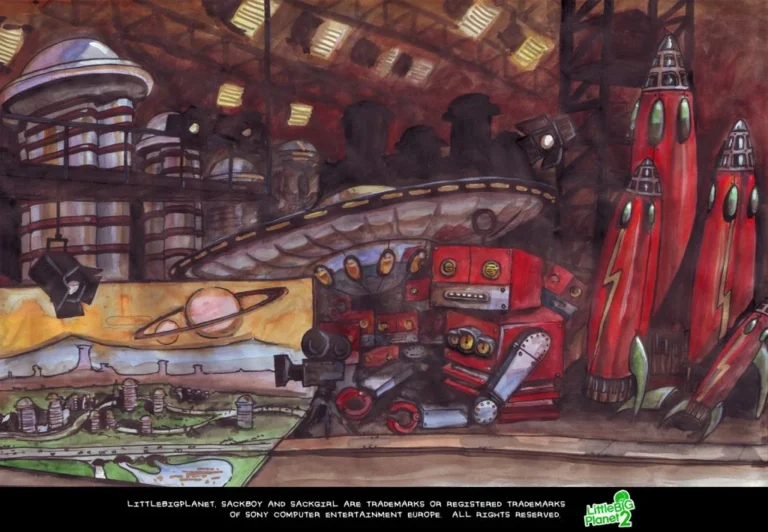
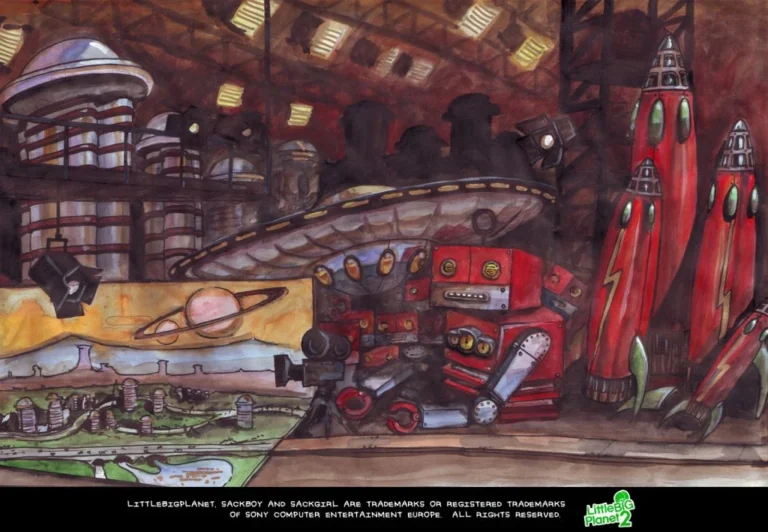
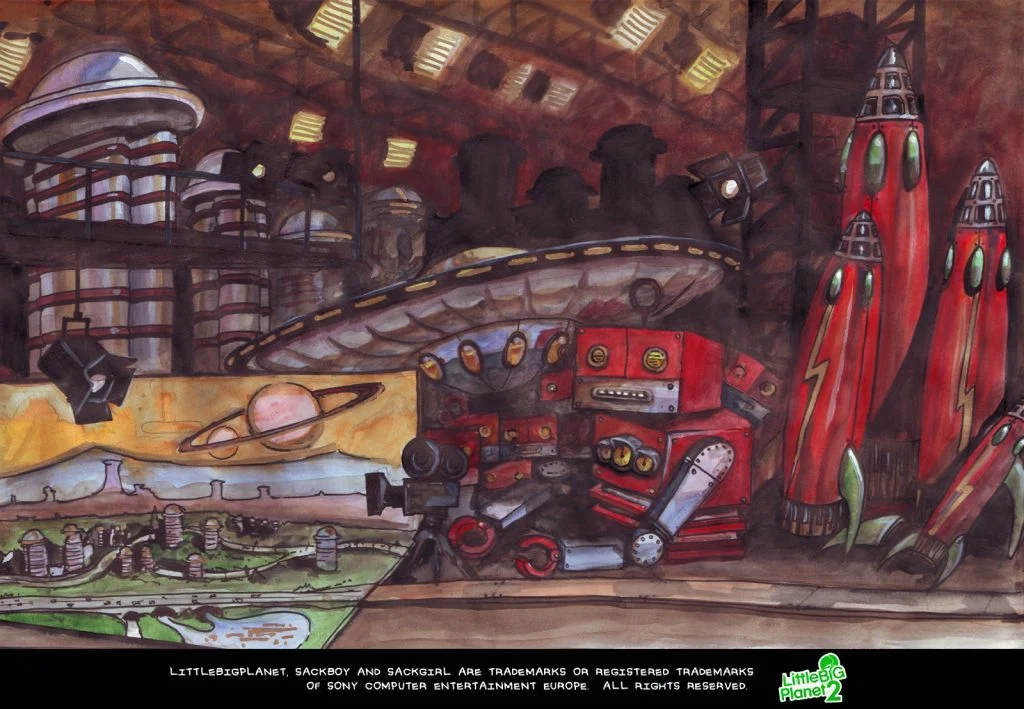
The development of LittleBigPlanet 2‘s soundtrack was a journey marked by significant shifts in thematic direction and creative strategy compared to its predecessor. While LittleBigPlanet 1 was conceptually framed as a "journey around the world," LittleBigPlanet 2 embraced a more abstract and ambitious theme: "science through the ages" or "science fiction through the ages." This broad concept presented unique challenges and opportunities for the music department.
Thematic Divergence and Musical Analogies
The thematic shift from global exploration to the vastness of scientific and science-fiction history offered a rich palette for the art department. However, translating these abstract concepts into tangible musical choices proved more intricate. The approach adopted was to delve deeply into the art direction, identifying the feelings and ideas evoked by the visual design, and then seeking musical analogies to support these elements. This strategy aimed to create a cohesive experience where the music felt intrinsically linked to the game’s aesthetic and narrative.
Unlike the original score, which focused on characterization, drama, and exposition, the licensed soundtrack for LBP2 was tasked with complementing these elements without duplicating their function. This allowed for a more focused approach to music selection, simplifying the process and ensuring that the licensed tracks served a distinct purpose within the overall audio design.
Navigating Genre Tropes and Maintaining Uniqueness
A primary concern during the early stages of development, as documented in project notes from May 2009, was the desire to acknowledge the established musical tropes of the science fiction genre without succumbing to pastiche. A strategic goal was set to limit electronic music to no more than 50% of the soundtrack. This decision was made with the understanding that player-created levels would have no such aesthetic restrictions, necessitating a broader musical diversity to accommodate a wider range of creative possibilities.
The overarching objective was to retain the successful elements of the first game’s soundtrack while simultaneously imbuing the sequel with a fresh flavor and distinct identity. This involved a deliberate effort to play with, and at times subvert, genre conventions. This approach was key to preserving the element of surprise and the "unexpected edge" that had characterized the original LittleBigPlanet‘s sonic experience.

Early Concepting and the Power of the Music Montage
In the early pre-production phase, around May 2009, a crucial tool for solidifying the musical direction was a music montage video. This video paired concept art for each game area with works-in-progress from the licensed music selection. While described as "quick and dirty," this method proved invaluable for initiating the creative momentum. The initial high-level direction for each area, guided by the art department, provided a framework for selecting these early musical concepts.
From this initial selection, only Ladytron’s "Ghosts" ultimately made it into the final game. However, artists like Squarepusher and Röyksopp were also considered at this stage, albeit with different tracks than those ultimately chosen. This illustrates the dynamic and evolving nature of the music selection process, where initial ideas serve as a starting point for further refinement.
The Role of Music Concept Videos in Development
The creation of music concept videos was instrumental in bridging the gap between linear presentation and interactive gameplay. While music that works effectively in a video might not always translate to the interactive demands of a game, these videos served a vital purpose in the early stages of development. They acted as a tangible starting point, a "mood board" that consolidated visual and aural ideas. These compilations facilitated inspiration, discussion, and the testing of assumptions, allowing the team to collectively grasp the desired experience. The music concept video for LittleBigPlanet 2 marked a significant milestone, being the first instance where all visual and aural ideas were unified, fostering a cohesive project vision.
Evolution and Refinement: From Concept to Commercial Release
As development progressed, the sonic direction of LittleBigPlanet 2 underwent further refinement, reflecting the game’s evolving structure and gameplay mechanics. By December 2009, approximately a year before the game’s release, the musical concepts had coalesced into a form that more closely resembled the final product.
Adapting to a Changing Landscape
The initial eight distinct thematic areas had been consolidated into six. This reduction was not solely a matter of cutting content but also involved merging overlapping ideas, a process driven by the team’s full integration into production and the need to streamline content requirements. The music direction adapted in parallel, with a focus on refining existing ideas and identifying even more suitable tracks, while also ensuring better support for the emerging gameplay.
Specific areas presented unique challenges. The "Clive’s Factory" level, intended as a Soviet/Hollywood mashup, required further conceptualization. The "organic" aspect of "Eve’s Asylum" posed a juxtaposition with its high-intensity gameplay. Furthermore, progress on the music sequencer gadget, designed to cover the 8-bit elements for "The Cosmos," had yet to be fully realized. Despite these ongoing developments, the overall direction was clear, and the path forward was well-defined.

At this juncture, 10 out of the 21 licensed tracks eventually featured in the game were in contention, though their final inclusion was not yet guaranteed. This early tally provided a positive indication of the soundtrack’s developing direction, aligning with the sentiment that the project was on solid footing and required continued effort in music acquisition. Crucially, the licensing process itself had not yet commenced, meaning no guarantees existed for the use of any selected music, regardless of its suitability. This necessitated an "overprovision" of suitable music to ensure backup options were available.
A Collaborative Symphony: Input from the Team and Beyond
The sourcing of music for LittleBigPlanet 2 was a markedly collaborative effort, with a significant increase in team member contributions compared to the first game. This heightened involvement stemmed from the success of LBP1‘s soundtrack and its integral role in the game’s identity and reception. Team members were eager to participate, less deterred by the perceived constraints of the music selection process and the considerable effort involved.
Every track evaluated played a role in refining the creative brief, whether by testing assumptions or reaffirming existing directions. The final soundtrack featured contributions from various team members, including Dan, John, and Rex from Media Molecule, as well as Martin Hewett from Sony. Numerous other individuals, both within and outside the development team, provided valuable suggestions. These included Alex, Costa, Jim, Jonatan, Mark, Martin, and Tom from Media Molecule, and even external collaborators like Jo from Sony. This collective input underscores the project’s status as a true team effort.
The Role of Sony Music Licensing
As the game’s announcement approached, a more formalized collaboration with Sony’s music licensing department began. This partnership significantly broadened the scope of music review and consideration. The timing was opportune, as the soundtrack’s direction had matured sufficiently for Sony’s expertise to yield focused and productive results.
Rex, in particular, was instrumental in suggesting Passion Pit’s "Sleepyhead" for the announcement trailer. This track was carefully chosen to convey a sense of community and forward momentum, while also acknowledging the sequel’s more digital aesthetic. While initial plans involved licensing another track as a primary option, the final decision to use "Sleepyhead" for the trailer proved effective.
The dynamic ebb and flow of "Sleepyhead" proved ideal for the trailer’s purpose, building smoothly and allowing for shifts in messaging and maintaining audience engagement. The pitched-up vocals, specifically Irish Gaelic ones, also harmonized effectively with the game’s character designs. While "Sleepyhead" was not an ideal fit for the game’s core gameplay, its strong association with the project through marketing made its inclusion in the game’s end credits a meaningful decision.

Release, Refinement, and Lasting Impact
The final stages of LittleBigPlanet 2‘s development were marked by a strategic schedule adjustment, with the game’s release date shifting from the crucial Christmas market to January 2011. This decision, made to ensure the game was fully polished, also provided a crucial buffer for soundtrack finalization. Several tracks cleared licensing as late as October 2010, a testament to the complex and sometimes lengthy nature of music rights negotiations. One track, in particular, took an arduous six months to clear, highlighting the unpredictable timelines involved in securing music licenses.
The enduring impact of LittleBigPlanet 2‘s soundtrack is evident in the continued appreciation expressed by its player base. Many fondly recall the game as a significant part of their childhoods, with some still regularly listening to its music. This longevity speaks to the power of music to transcend its original context, evoking memories and emotions long after the initial experience. As gaming platforms age and become less accessible, the ability of a game’s soundtrack to preserve its community and legacy becomes increasingly significant. The contribution of these artists and their music was fundamental in shaping LittleBigPlanet 2 into the unique and beloved experience it remains today. Happy tenth birthday, LittleBigPlanet 2.
About the Author