A significant collaborative programming initiative has been launched to modernize "101 BASIC Computer Games," a seminal text widely recognized as one of the most influential books in computing history. Spearheaded by prominent software developer and author Jeff Atwood of Coding Horror, the project aims to translate the original 1970s BASIC programs into a suite of modern, memory-safe languages, preserving these digital artifacts for a new generation while integrating contemporary programming best practices. This ambitious endeavor seeks to bridge the gap between computing’s foundational era and its present, fostering an understanding of programming evolution through hands-on participation.
The Genesis of a Digital Renaissance
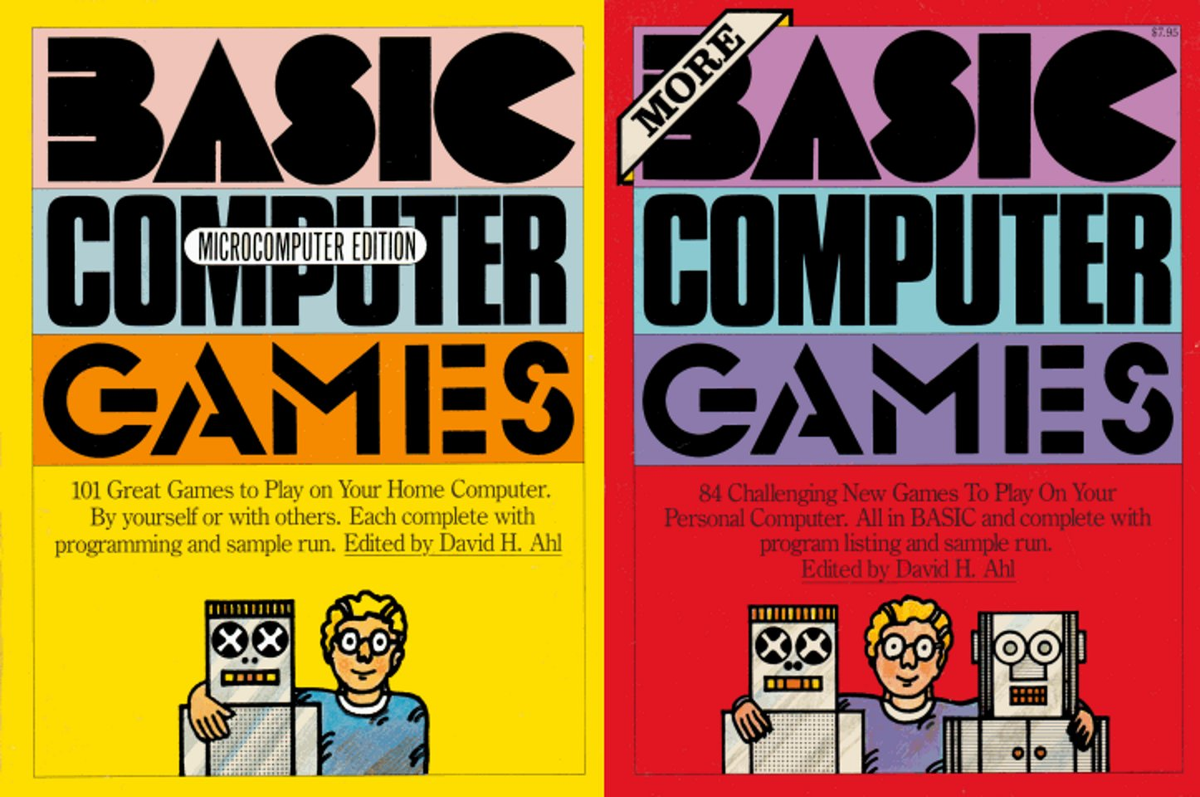
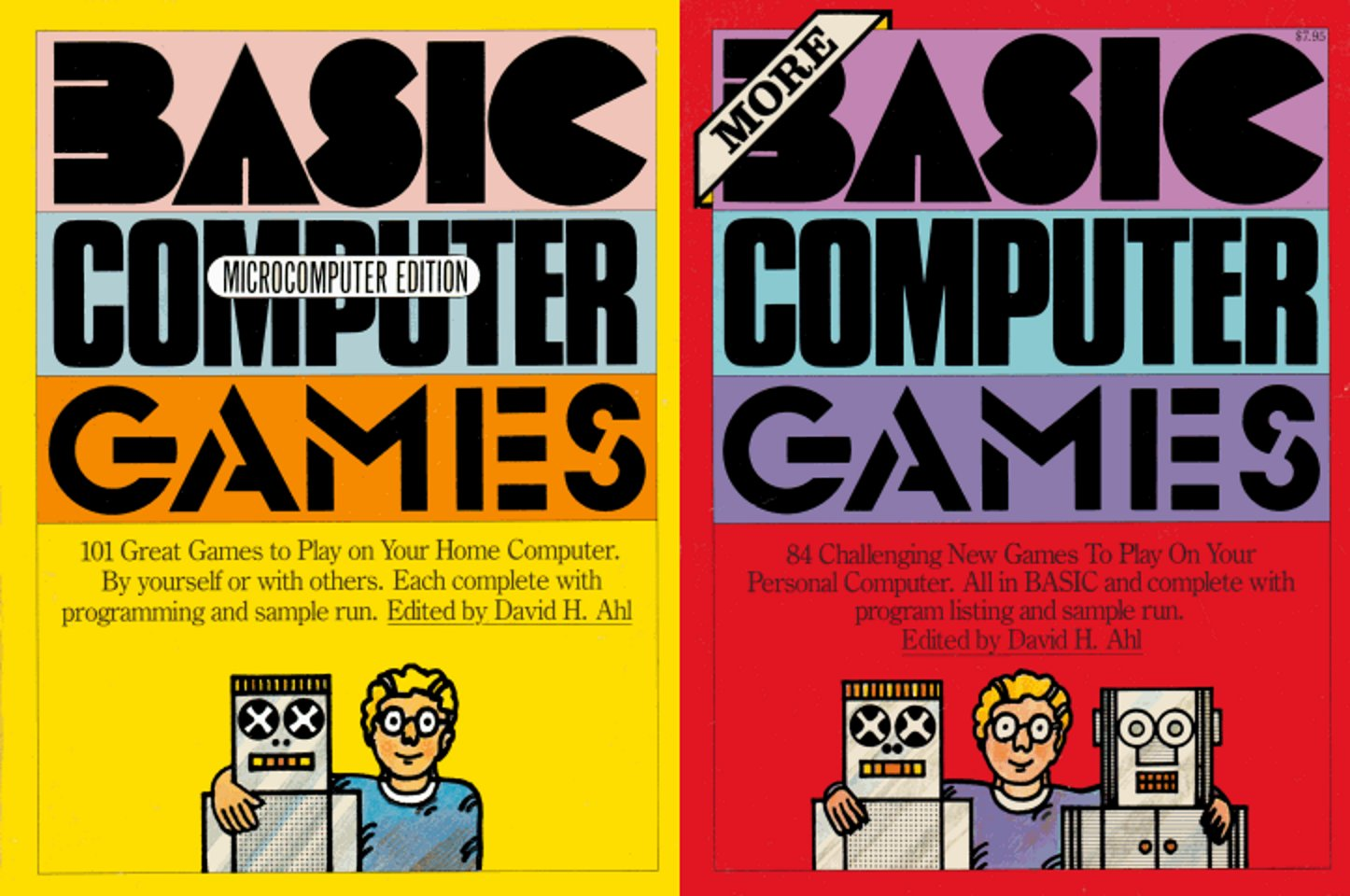
The inspiration for this modernization effort stems from the profound impact "101 BASIC Computer Games" had on early computer enthusiasts, including Atwood himself. Published by Digital Equipment Corporation (DEC) in 1973 and later expanded by David H. Ahl, the book served as a gateway to programming for countless individuals during a transformative period in computing history. It was a time when personal computers were nascent, lacking the sophisticated graphical user interfaces and integrated development environments common today. Early machines, such as the Apple II, Commodore 64, or TRS-80, typically booted directly into a command-line interface, most often running a BASIC interpreter.
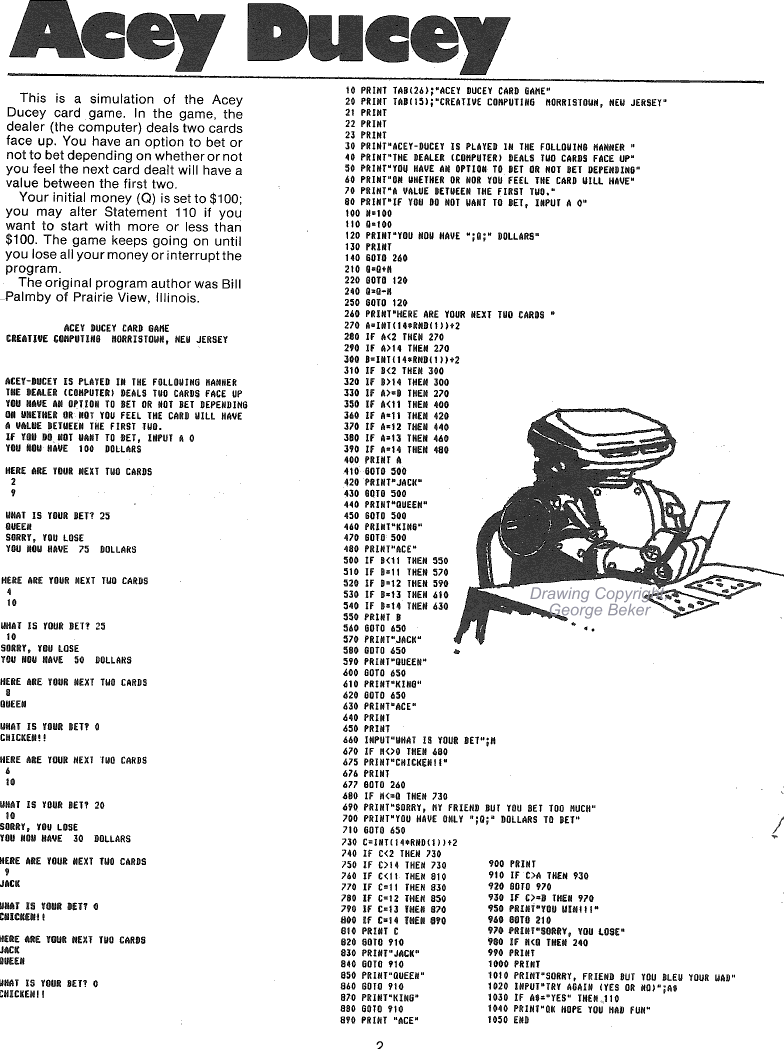
For many, the only way to interact with these machines beyond simple commands was to manually type lines of code from books like Ahl’s. Programs, sometimes hundreds of lines long, were meticulously transcribed, often leading to hours of debugging typos—a rite of passage for pioneering programmers. This laborious process, while challenging, instilled a deep understanding of program structure and logic. Ahl’s compilation, a "greatest hits" of games originally published in his influential Creative Computing Magazine, offered a tangible purpose for these early interactions, transforming raw computing power into engaging, albeit primitive, entertainment. The enduring legacy of this era is encapsulated by the sheer volume of the book’s sales: at one point, more copies of "101 BASIC Computer Games" were in print than there were personal computers globally, making it the first computer book to sell over a million copies. This remarkable statistic underscores its unparalleled role in popularizing computing and nurturing an entire generation of developers.

David Ahl and the Dawn of Personal Computing
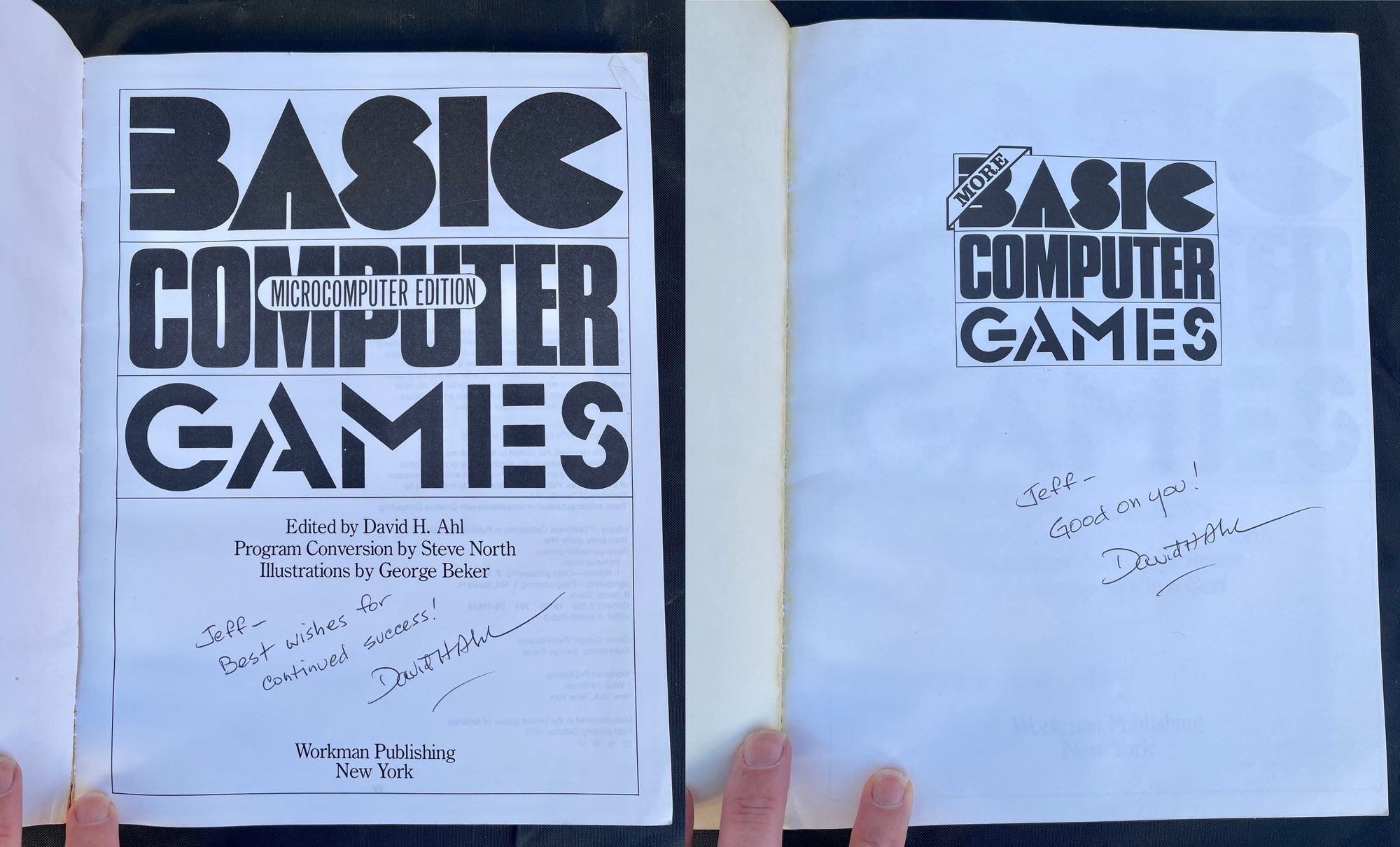
David H. Ahl’s contributions to early computing extend far beyond "101 BASIC Computer Games." After his initial anthology proved a runaway success for DEC, he founded Creative Computing Magazine in 1974, a publication that quickly became a cornerstone of the burgeoning personal computer movement. Ahl’s vision for Creative Computing was to demystify technology and make it accessible to a broader audience, bridging the gap between hobbyists and the burgeoning industry. The magazine provided articles, tutorials, and, crucially, program listings that readers could type into their own machines.
Ahl’s entrepreneurial spirit and dedication were evident from the magazine’s inception. Starting with minimal capital, he famously printed 8,000 copies of the first issue despite having only 600 subscribers, distributing the unsolicited copies to libraries and schools across the country. This grassroots approach helped seed interest in computing and laid the groundwork for the widespread adoption of personal computers that would follow. Creative Computing played a pivotal role in fostering a community around computing, publishing user-submitted programs and articles that reflected the vibrant, experimental nature of the field during the 1970s and early 1980s. The games in "101 BASIC Computer Games" were direct descendants of this era, capturing the essence of early mainframe games and adapting them for the more limited, yet revolutionary, microcomputers.
The Need for Modernization: Beyond Line Numbers
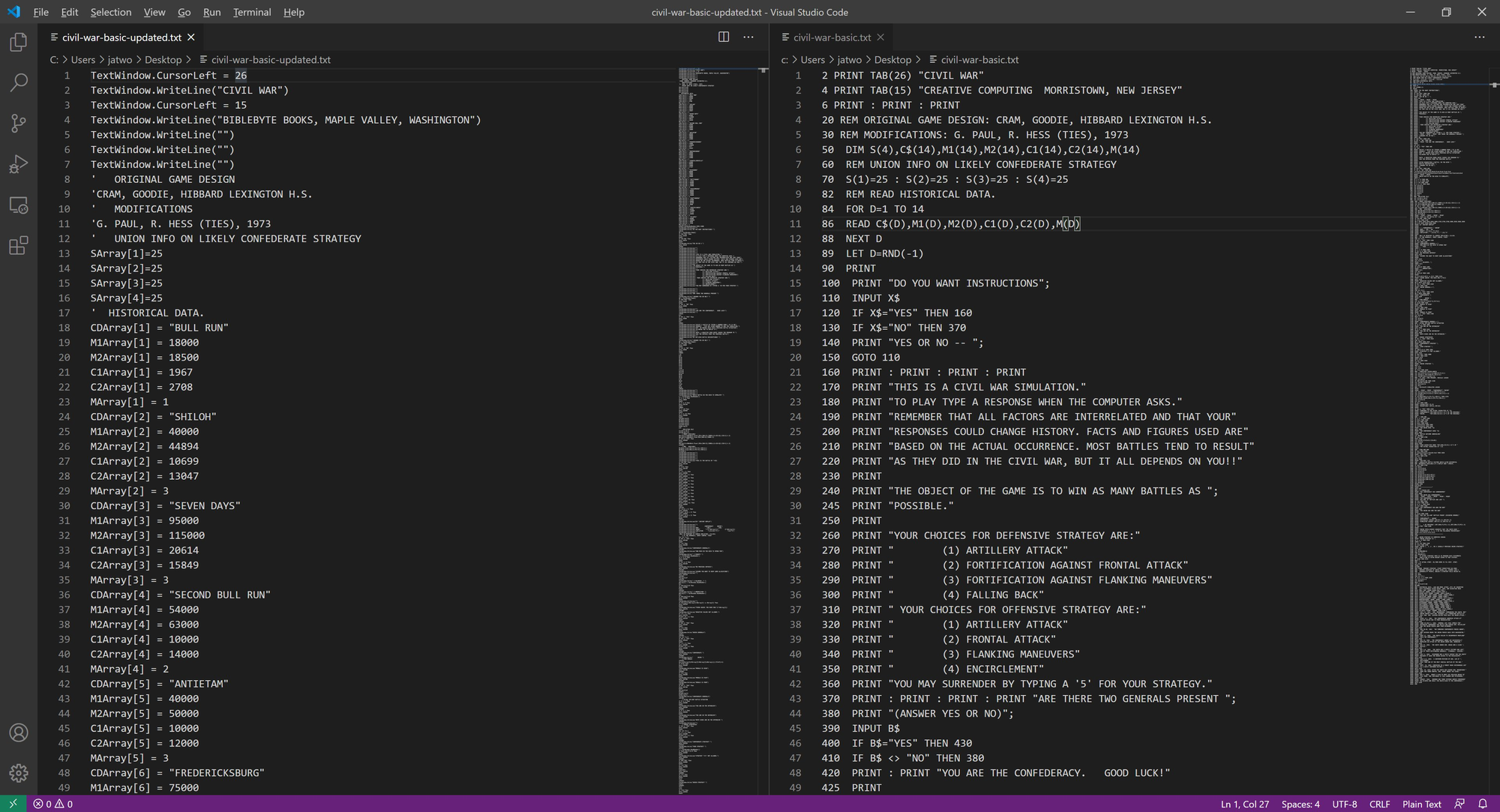
Previous attempts to update these classic BASIC programs, such as the 2010 "SmallBasic Edition," have been criticized for merely removing line numbers without fundamentally re-architecting the code to align with modern programming paradigms. BASIC, by its nature, often led to "spaghetti code" due to its reliance on GOTO statements and the absence of structured programming constructs like subroutines in its earliest forms. While the SmallBasic ports offered a slight aesthetic improvement, they largely failed to introduce concepts now considered fundamental to robust and maintainable software development.
Jeff Atwood highlights this shortcoming, emphasizing the importance of subroutines—dubbed "the greatest invention in computer science" by some—which were conspicuously absent in these earlier modernization efforts. Modern programming emphasizes modularity, abstraction, and data encapsulation, principles that were either nonexistent or rudimentary in the BASIC programs of the 1970s. The new project seeks to rectify this by not just translating, but refactoring the original logic into structured, readable, and maintainable code.

A Collaborative Vision for Preservation and Education
With the gracious permission of David H. Ahl, Jeff Atwood initiated this ambitious project as a community-driven open-source effort hosted on GitHub. The goal is comprehensive: to update all 101 BASIC games into 10 distinct memory-safe, general-purpose scripting languages. The chosen languages reflect a diverse spectrum of modern programming, including Python, JavaScript, Ruby, C#, Go, PHP, Swift, Kotlin (replacing Java), Rust (replacing Pascal for memory safety guarantees), and Lua. This selection ensures broad appeal and allows contributors to work in their preferred modern environment.
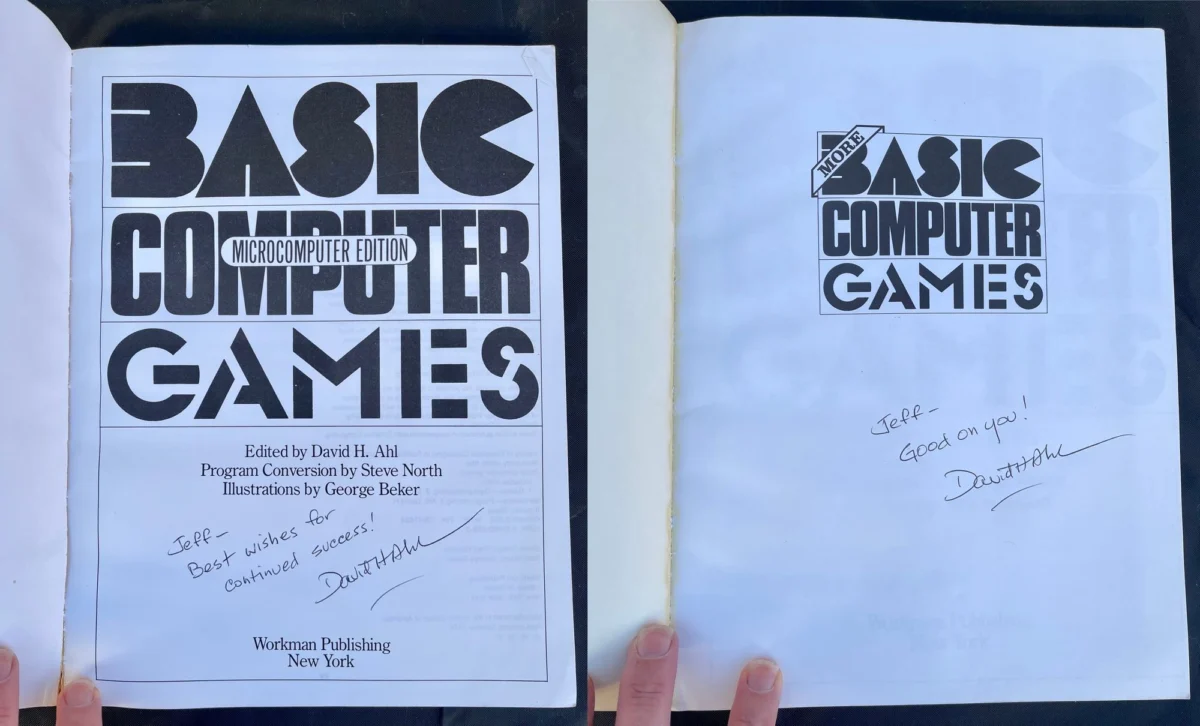
The project is more than a mere translation; it is an exercise in historical preservation and contemporary education. By re-implementing these simple yet historically significant games, participants can explore the evolution of programming languages, understand fundamental algorithms, and appreciate the architectural differences between vintage and modern code. The collaborative nature of the project mirrors the open-source ethos that now defines much of software development, a stark contrast to the solitary act of typing code from a book decades ago. It offers a unique opportunity for programmers worldwide to collectively breathe new life into these "precious artifacts of early computing," including the distinctive original artwork by George Beker.
Community Engagement and Social Impact
To foster widespread participation, the project includes an incentive program. By the end of 2022, for every functioning program submitted in each of the 10 specified languages, Jeff Atwood committed to donating $5 to Girls Who Code, a non-profit organization dedicated to closing the gender gap in technology. This initiative not only encourages contributions but also ties the project to a broader social mission, promoting diversity and inclusion in the tech industry—a stark contrast to the often homogenous computing landscape of the past.
The GitHub repository serves as the central hub for contributions, with detailed guidelines and a dedicated discussion forum to facilitate collaboration and problem-solving. Atwood is also actively seeking project co-owners to help organize and steer this significant undertaking, emphasizing a team-based approach that reflects modern software development practices. This call for leadership reinforces the project’s commitment to community ownership and distributed effort.
Broader Implications and Future Legacy
The modernization of "101 BASIC Computer Games" carries several significant implications for the computing community and beyond. Firstly, it ensures the digital preservation of foundational software, making these historical programs accessible and runnable on contemporary systems. This is crucial for academic research, historical understanding, and for future generations to interact directly with the software that shaped the early digital age.
Secondly, the project serves as an invaluable educational tool. Students and aspiring programmers can compare the original BASIC code with its modern counterparts, gaining insights into language evolution, the importance of structured programming, and the benefits of memory-safe languages. It provides a tangible context for understanding concepts like subroutines, modularity, and object-oriented principles, demonstrating how far programming practices have advanced.
Thirdly, it reinforces the power of open-source collaboration. By inviting a global community of developers to contribute, the project exemplifies how collective effort can achieve complex goals, solve technical challenges, and create shared resources. This collaborative model contrasts sharply with the isolated learning experience of typing code from a book, fostering a sense of community and shared purpose.
Finally, the project contributes to the ongoing narrative of computing history. It highlights the enduring influence of pioneers like David H. Ahl and the foundational role of books like "101 BASIC Computer Games" in sparking the initial interest in technology for millions. By updating these games, the project not only honors the past but actively extends its relevance into the future, ensuring that the spirit of early computing exploration continues to inspire. As programmers embrace this challenge, they are not just rewriting code; they are participating in an act of digital heritage, preparing these beloved artifacts for another half-century of enjoyment and education.
About the Author