The extended reality (XR) landscape is currently navigating a pivotal transition period characterized by a shift from pure virtual reality (VR) gaming toward multi-functional spatial computing and artificial intelligence-integrated wearables. Recent disclosures from industry leaders Meta and Valve, alongside high-stakes litigation between Apple and OpenAI, underscore a sector that is maturing despite ongoing economic headwinds often referred to as the "VR Winter." As the industry prepares for the annual Meta Connect conference, the focus has shifted toward high-end productivity devices and the integration of "super-sensing" AI capabilities into consumer eyewear.
Meta Reaffirms Commitment to Next-Generation Hardware
Meta Chief Technology Officer Andrew Bosworth recently addressed industry concerns regarding the company’s commitment to virtual reality during a public forum. Responding to inquiries about a perceived disinvestment in the sector, Bosworth confirmed that Meta is actively developing multiple next-generation headsets. This statement comes at a time when Meta’s Reality Labs division continues to face significant financial scrutiny, having reported cumulative losses exceeding $40 billion since 2020. Despite these losses, the company has recently overhauled its Quest user interface to better align with 2D multitasking and spatial computing standards.
Industry analysts suggest that Meta’s hardware roadmap currently bifurcates into two distinct paths: a consumer-focused successor to the Quest 3, likely the Quest 4, and a high-end spatial computing device codenamed "Phoenix" or "Loma." The latter is expected to be positioned as a direct competitor to the Apple Vision Pro, featuring advanced sensors and premium optics. Market projections indicate that this "Phoenix" device may be officially unveiled at the upcoming Meta Connect event, with a potential launch window in early 2027. However, with an estimated price point exceeding $1,000, the device is likely to target prosumers and enterprise clients rather than the mass-market audience that adopted the Quest 2.

Valve Prepares for "Steam Frame" Ecosystem Launch
Valve Corporation has begun the preliminary infrastructure rollout for its long-rumored "Steam Frame" headset. This week, the company quietly launched a "Great on Frame" section on the Steam Store, mirroring the "Great on Deck" verification system used for the Steam Deck handheld console. The page serves as a repository for VR titles that have been certified to meet specific performance and compatibility standards for the upcoming hardware.
The emergence of this store page suggests that the "Steam Frame"—the anticipated successor to the 2019 Valve Index—is nearing commercial readiness. While Valve has not officially announced a release date, the timing of the store update aligns with logistical movements observed in Valve’s hardware distribution networks. Industry observers speculate that a July announcement or launch could be imminent. The "Steam Frame" is expected to leverage Valve’s expertise in mobile computing, potentially offering a wireless or standalone experience that integrates seamlessly with the existing SteamVR library.
The Privacy Paradox: Anti-Tampering and Always-On AI
The evolution of smartglasses has brought privacy concerns to the forefront of the technological discourse. Meta has recently deployed a mandatory firmware update for the Ray-Ban Meta smartglasses designed to prevent privacy violations. The update introduces a hardware-check mechanism that disables the device’s camera if it detects that the external privacy LED—which signals when recording is active—has been covered or tampered with. This move follows reports of users utilizing adhesive covers to record video in public spaces without consent.
However, this pro-privacy measure coincides with internal debates regarding "super-sensing" AI. Meta is exploring features that would allow the glasses to continuously monitor the wearer’s environment to provide real-time AI assistance, such as remembering the location of physical objects or providing contextual information about seen landmarks. This "always-on" capability raises significant data harvesting concerns, as it would require the constant transmission of environmental data to Meta’s servers. Reports indicate internal disagreement within Meta leadership regarding whether the privacy LED should remain illuminated during these AI-sensing sessions, a decision that will significantly impact public trust and regulatory compliance.

Apple Initiates Litigation Against OpenAI Over Trade Secret Theft
In a move that could reshape the competitive landscape of AI hardware, Apple Inc. has filed a lawsuit against OpenAI and its hardware partners, alleging a systematic campaign to misappropriate trade secrets. The litigation centers on OpenAI’s efforts to develop proprietary AI-driven devices, a project led in part by former Apple executives and the design firm "io Products," founded by legendary Apple designer Jony Ive.
The lawsuit details specific instances of alleged misconduct involving former Apple employees Tang Tan and Chang Liu. Apple claims that Tan, while recruiting for OpenAI, encouraged Apple engineers to bring confidential prototypes to job interviews for "show and tell" sessions. Furthermore, the complaint alleges that Liu retained unauthorized access to Apple’s internal servers after his departure, using his credentials to download proprietary data which was subsequently utilized in OpenAI’s hardware development. OpenAI, which has rapidly expanded its hardware division by poaching talent from established tech giants, now faces a legal challenge that may delay its entry into the wearable AI market.
Market Expansion and Economic Milestones
Despite the cancellation of high-profile projects, the XR and smartglasses market continues to attract significant investment.
- Even Realities: The Chinese startup specializing in camera-free, lightweight AI glasses recently closed a $150 million funding round. This investment has propelled the company to a valuation exceeding $1 billion, granting it "unicorn" status. The company’s success highlights a growing consumer preference for discreet, text-based augmented reality (AR) over bulky, camera-heavy headsets.
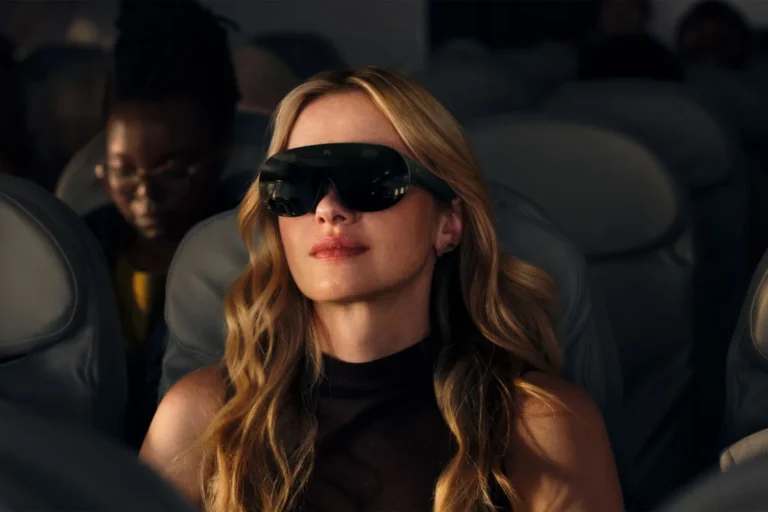
- XREAL Budget Strategy: XREAL has expanded its international footprint with the launch of its "xbx" brand, offering media-viewing glasses priced at $300. This aggressive pricing strategy aims to capture the younger demographic and casual users who prioritize portable entertainment over complex spatial computing.
- Distance Technologies: Founded by former Varjo executives, Distance Technologies has launched AcuityOS, a visual intelligence platform for military applications. The platform allows operators in armored vehicles to view external sensor data through AR glasses, positioning the company as a European competitor to defense-tech firms like Anduril.
Industry Setbacks: The Cancellation of Tomb Raider VR
The volatility of the VR gaming market was highlighted this week by the leaked cancellation of a high-budget Tomb Raider VR title. Internal assets from Vertigo Games Amsterdam—a studio that recently faced significant layoffs—reveal that a VR entry in the iconic franchise was in advanced stages of development before being shuttered earlier this year.

The project’s cancellation is believed to be a direct result of Meta’s strategic pivot away from third-party software funding. As Meta narrows its focus toward first-party titles and its core Horizon OS ecosystem, several licensed "AAA" VR projects have reportedly been de-prioritized. This trend underscores the challenges facing VR game developers who remain dependent on platform-holder subsidies in an era of reduced venture capital and shifting corporate priorities.
Broader Impact and Future Outlook
The current trajectory of the XR industry suggests a move toward specialized devices rather than a "one-size-fits-all" solution. While Meta and Apple compete for the high-end spatial computing market, startups like Even Realities and established players like XREAL are finding success in streamlined, purpose-built wearables. The outcome of the Meta Connect conference and the resolution of the Apple-OpenAI legal battle will likely define the industry’s direction for the remainder of the decade. For now, the sector remains in a state of "cautious innovation," balancing the technical promise of AI and spatial audio-visuals against the harsh realities of consumer privacy and market sustainability.
About the Author