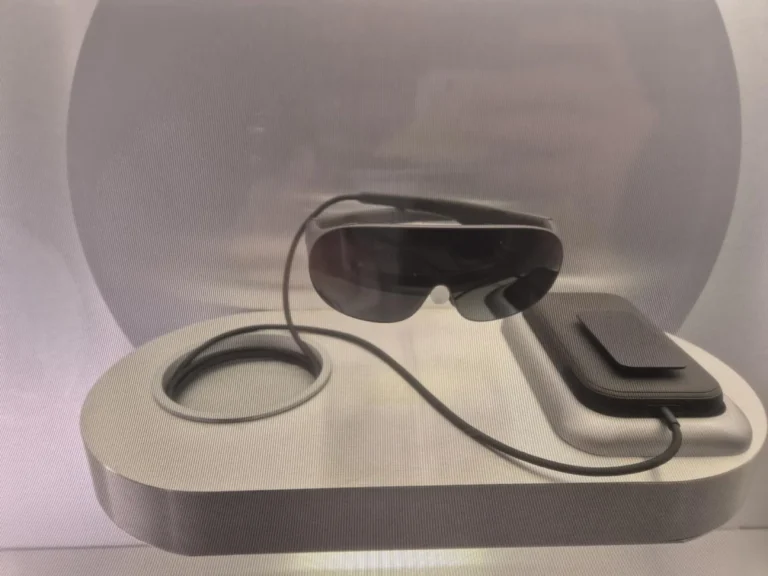
The extended reality (XR) industry saw a significant surge in activity this week as major technology players signaled upcoming hardware shifts and legal confrontations. Meta CTO Andrew Bosworth addressed growing concerns regarding the company’s commitment to virtual reality (VR), confirming that the upcoming Meta Connect conference will serve as a platform for next-generation hardware announcements. Simultaneously, Valve began public preparations for its rumored "Steam Frame" headset, while Apple initiated a high-stakes legal battle against OpenAI over alleged trade secret theft involving hardware prototypes. These developments occur against a backdrop of fluctuating market confidence and a strategic pivot toward spatial computing and AI-integrated wearables.
Meta Reaffirms VR Commitment Ahead of Connect Conference
During a recent public Q&A session, Meta Chief Technology Officer Andrew Bosworth dismissed industry speculation that the company had deprioritized its VR roadmap in favor of broader AI initiatives. Bosworth clarified that Meta is currently developing multiple next-generation headsets, emphasizing that the recent overhaul of the Quest user interface is a precursor to more significant hardware shifts.
Industry analysts suggest that Meta’s announcements at the upcoming Connect conference will likely focus on two distinct tracks. The first is the Quest 4, the anticipated successor to the consumer-grade Quest 3. The second, and perhaps more significant for the industry’s "spatial computing" pivot, is a high-end device codenamed "Phoenix" or "Puffin." This device is expected to target the prosumer and enterprise sectors, positioning it as a direct competitor to the Apple Vision Pro.
Strategic Context and Market Implications
The rumored Phoenix headset is expected to carry a premium price point, likely exceeding $1,000. This represents a departure from the volume-driven strategy that defined the Quest 2 era. While this shift toward high-end hardware may not immediately replicate the 20 million units sold by the Quest 2, it signals Meta’s intent to stabilize the XR ecosystem by catering to high-value enterprise and productivity markets. This "sustainable shape" mentioned by Bosworth suggests a move away from heavily subsidized consumer hardware toward a more traditional hardware-as-a-service or premium retail model.

Valve Signals Hardware Readiness with Great On Frame Steam Page
Valve Corporation has quietly launched a new section on its Steam storefront titled "Great On Frame," providing the strongest evidence to date that the company’s next VR headset is nearing release. The page is designed to categorize VR titles that have been certified for optimal performance on the "Steam Frame," a device widely believed to be the successor to the Valve Index.
This development mirrors Valve’s successful "Deck Verified" program, which was instrumental in the launch of the Steam Deck handheld console. By establishing a compatibility standard before the hardware launch, Valve aims to ensure a seamless user experience and mitigate the software fragmentation that often plagues new XR platforms.
Timeline of Valve’s Hardware Evolution
- 2019: Release of the Valve Index, setting the benchmark for high-fidelity PC VR.
- 2022: Launch of the Steam Deck, demonstrating Valve’s capability in custom silicon and portable ergonomics.
- Early 2024: Rumors of "Project Deckard" (the Steam Frame) intensify with patent filings for wireless VR transmission.
- July 2024: "Great On Frame" storefront goes live, indicating that hardware logistics and developer certifications are in their final stages.
Apple Files Lawsuit Against OpenAI Over Trade Secret Misconduct
The competitive landscape for AI-integrated hardware has shifted into the courtroom, as Apple Inc. filed a lawsuit against OpenAI and its hardware partners. The litigation centers on allegations that OpenAI systematically poached Apple engineers to acquire proprietary information for its nascent hardware division.
Central to the complaint are the activities of Tang Tan, a former high-ranking Apple executive who joined Jony Ive’s design firm, LoveFrom (referred to in some documents as "io Products"), to collaborate with OpenAI. Apple alleges that Tan and other former employees solicited current Apple staff to bring confidential prototypes and design documents to job interviews.
Specific Allegations and Personnel Involved
One of the most striking claims in the lawsuit involves former Apple employee Chang Liu. According to court filings, Liu retained access to confidential Apple servers after his departure and allegedly used his credentials to download proprietary data for use in OpenAI’s hardware projects. Internal communications cited in the lawsuit show Liu and his colleagues discussing the continued access in a joking manner, which Apple argues demonstrates a willful disregard for intellectual property protections.

OpenAI has not yet issued a formal response to the specific allegations, but the lawsuit could potentially delay the company’s reported plans to release AI-powered smart glasses. This legal friction underscores the intensifying battle for talent and IP as Silicon Valley pivots from software-based LLMs to physical AI agents.
Privacy and Safety Updates in the Smart Glasses Market
Meta has released a mandatory firmware update for its Ray-Ban Meta smart glasses to address persistent privacy concerns. The update introduces an anti-tampering mechanism for the device’s privacy LED. If the glasses detect that the LED has been covered or disabled—a common workaround used by individuals to record video surreptitiously—the camera functionality will be automatically disabled.
While this move has been praised by privacy advocates, Meta remains embroiled in internal debates regarding its upcoming "super-sensing" AI features. These features would allow the glasses to continuously record and analyze a user’s environment to provide real-time assistance.
The Always-On AI Dilemma
The core of the debate involves whether the privacy LED should remain active during passive AI sensing. Reports suggest that Meta’s leadership is concerned that a constantly blinking LED might discourage social acceptance of the device. However, regulatory bodies in the EU and North America have historically been stringent regarding the notification of third parties when recording devices are active in public spaces. The resolution of this internal debate will likely set the standard for the next generation of AI-enabled wearables.
Industrial and Startup Growth: Even Realities and XREAL
Despite the broader market’s "VR Winter," specific segments of the AR and smart glasses industry are showing robust growth. Even Realities, a Chinese startup specializing in lightweight, camera-free AI glasses, announced a $150 million funding round this week. The investment brings the company’s valuation to over $1 billion, granting it "unicorn" status. The company’s success highlights a growing consumer preference for discreet, text-based AR displays over bulky, fully immersive headsets.

In the consumer media sector, XREAL has officially launched its "xbx" brand globally. These glasses, priced at approximately $300, target a younger demographic interested in portable large-screen experiences for gaming and media consumption. By stripping away complex AR sensors in favor of high-quality micro-OLED displays, XREAL is successfully capturing the entry-level market that Meta and Apple have largely vacated in their pursuit of high-end spatial computing.
Sector Impact: The Cancellation of High-Profile VR Content
The week also brought news of a setback for the VR gaming ecosystem. Reports confirmed that a planned Tomb Raider VR title, under development at Vertigo Games, was canceled earlier this year. Leaked gameplay footage and concept art suggest the project was in an advanced state of development.
The cancellation is believed to be a result of Meta’s strategic shift in funding. As the company redirects resources toward AI and the high-end "Phoenix" project, several third-party software agreements have reportedly been terminated. This trend concerns many industry observers, as high-quality, recognizable intellectual property is considered essential for driving mainstream adoption of XR hardware.
Broader Impact and Industry Outlook
The events of this week illustrate an industry in transition. The move toward "spatial computing" (led by Apple and Meta) and "visual intelligence" (led by startups like Distance Technologies and Even Realities) suggests that the future of the medium may lie in blending digital information with the physical world rather than replacing it entirely.
However, the legal battles between Apple and OpenAI, combined with the rigorous privacy debates at Meta, indicate that the path to a "VR Spring" remains fraught with regulatory and ethical hurdles. As Valve prepares to re-enter the fray with the Steam Frame, the competition for the high-end enthusiast market is expected to reach a new peak by early 2027. Investors and consumers alike will be looking to the Meta Connect conference in September for definitive proof that the industry can move past its current plateau.
About the Author