The extended reality (XR) industry underwent significant structural shifts this week, marked by a strategic price adjustment from market leader Meta, the entrance of Huawei into the artificial intelligence (AI) wearable space, and a high-profile leadership transition at Apple. These developments occur against a backdrop of rising component costs and a pivot toward integrating generative AI with spatial computing hardware. As the industry moves into the second half of the decade, the balance between consumer affordability and technological sophistication is being redefined by global supply chain pressures and the aggressive pursuit of "smart" eyewear.
Meta Implements Price Hikes Amid Global Memory Shortage
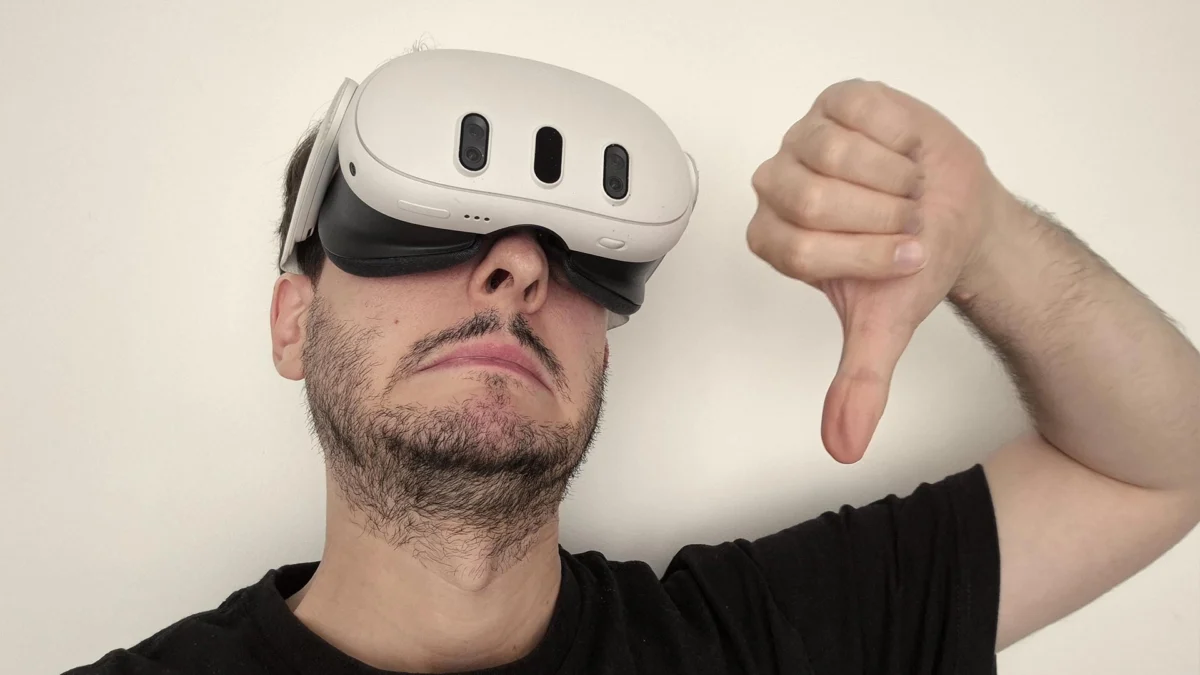
Meta has officially raised the retail prices for its Quest 3 and Quest 3S headsets, a move that analysts suggest reflects the increasing cost of internal components. The Quest 3S has seen a price increase of $50, while the flagship Quest 3 has risen by $100. This adjustment brings the Quest 3S to a starting price of approximately $349 and the Quest 3 to $599, depending on the storage configuration.
The primary driver for this price hike is the skyrocketing cost of memory chips. The global surge in AI development has led to an unprecedented demand for High Bandwidth Memory (HBM) and standard DRAM, as data centers and AI workstations consume the majority of available supply. Meta, which has historically subsidized its hardware to encourage mass adoption, appears to be recalibrating its strategy to mitigate losses per unit. Industry observers note the irony in this situation: Meta’s own multi-billion dollar investment in AI infrastructure is a contributing factor to the very component shortages that are now driving up the price of its consumer VR hardware.
Historically, the VR market has shown extreme price sensitivity. When the original Oculus Quest 2 saw a similar price increase in 2022, sales volumes experienced a temporary cooling period. With the Quest 3 and 3S positioned as the entry points for mixed reality, this price hike could impact the rate of adoption during the upcoming fiscal quarters.

Huawei Launches AI-Integrated Smartglasses in Chinese Market
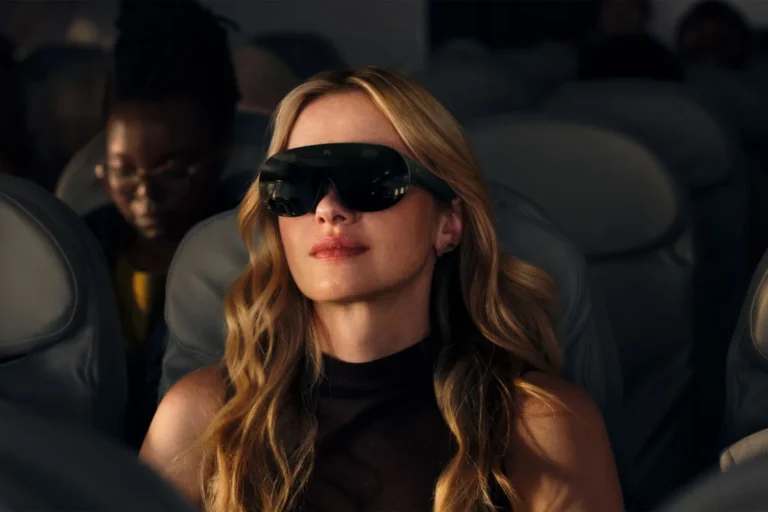
While Meta adjusts its VR pricing, Huawei has officially entered the smartglasses arena with the launch of its AI-powered eyewear in China. Retailing for 2,499 yuan (approximately $367), the glasses are designed to compete directly with the Ray-Ban Meta Smart Glasses. The device features a 12MP front-facing camera, integrated speakers, and "Xiaoyi," Huawei’s proprietary AI assistant.
Huawei’s hardware introduces two specific innovations that distinguish it from Western competitors. First, the device features a modular lens design, allowing users to easily swap between prescription lenses, sunglasses, and clear frames without replacing the entire unit. Second, the glasses are reported to be lighter than the Ray-Ban Meta equivalent, addressing a common consumer complaint regarding the long-term comfort of wearable tech.
The software suite includes real-time translation, voice-activated photography, and music playback. While there is currently no confirmed timeline for an international release, Huawei’s entry underscores a growing trend where AI assistants are becoming the primary interface for wearable hardware, potentially overshadowing the demand for full augmented reality (AR) displays in the near term.
Apple Announces CEO Transition and Future XR Roadmap
Apple has announced that John Ternus, currently the Senior Vice President of Hardware Engineering, will succeed Tim Cook as CEO in September 2026. Tim Cook is slated to transition into the role of Executive Chairman of the Board. This two-year transition period is intended to ensure stability as Apple continues to refine its spatial computing strategy.
Ternus has been a pivotal figure in the development of the Mac’s transition to Apple Silicon and the engineering of the Vision Pro. His appointment is seen as a signal that Apple remains committed to hardware-led innovation. Under his leadership, the company is expected to oversee the launch of a more affordable Vision Pro variant and the eventual debut of lightweight AR glasses. The transition comes at a critical time for the Vision Pro ecosystem, which is currently seeking a "killer app" to justify its $3,499 price point to the enterprise and prosumer markets.

Professional and Enterprise Hardware Advancements
The high-end immersive media sector saw a major entry from Blackmagic Design, which unveiled the URSA Cine Immersive 100G. Priced at $26,495 and scheduled for a Q3 2026 release, the camera system is engineered specifically for Apple Immersive Video. It features dual 8Kx8K RGBW sensors and a 100G Ethernet interface. The inclusion of high-speed Ethernet is critical for the live-streaming of immersive content, as the data requirements for 8K stereoscopic video at high frame rates exceed the capacity of standard broadcast infrastructure.
In the PCVR space, Bigscreen announced a redesign of its "Beyond" headset’s halo strap. The new mount, priced at $180, is scheduled to begin shipping in June. This accessory is designed to improve the ergonomics of the world’s smallest VR headset by distributing weight more evenly across the cranium, a necessary upgrade for long-duration use in flight simulators and social VR.
NVIDIA Expands XR Ecosystem with AI and Cloud Integration
NVIDIA continues to strengthen the backend infrastructure of the XR industry through two new initiatives: CloudXR JS and XR AI. By making CloudXR compatible with JavaScript, NVIDIA has removed the requirement for dedicated client applications on headsets. Users can now access high-fidelity, cloud-rendered XR experiences directly through a web browser, significantly lowering the barrier to entry for enterprise training and architectural visualization.
Furthermore, the new "XR AI" platform aims to connect lightweight AR glasses to centralized GPU resources. This framework allows "spatially aware" AI agents to assist workers in real-time. For example, a technician wearing smartglasses could be guided by an AI that "sees" the machinery through the glasses’ camera and provides overlay instructions processed in the cloud.
Research and Community Developments
In a groundbreaking study, researchers have successfully demonstrated the ability to induce the perception of smell using ultrasound waves. By targeting the olfactory bulb with precise ultrasonic frequencies, the team was able to trigger scents such as "burnt wood" and "fresh air" without the use of chemical cartridges. If commercialized, this technology would solve the primary logistical hurdle of "Scent VR"—the need for liquid refills and the maintenance of hardware that handles volatile organic compounds.

On the software side, Meta has introduced a highly requested feature for content creators: a visual recording indicator for the Quest OS. This tool provides a boundary marker in the user’s field of view, ensuring that creators can accurately frame their shots for social media without the need for external monitors.
Market Implications and Outlook
The events of this week suggest an industry in a state of high-velocity evolution. The price increases at Meta indicate that the era of "at-cost" VR hardware may be ending as the AI boom consumes global manufacturing resources. Simultaneously, the rise of AI-centric glasses from Huawei and others suggests that the industry is pivoting toward "Ambient Intelligence"—wearables that help users navigate the real world through audio and AI rather than fully replacing it with virtual environments.
As Apple prepares for a change in leadership and NVIDIA builds the "spatial web," the focus is shifting from pure entertainment toward utility, enterprise productivity, and seamless AI integration. The next 24 months will likely determine whether VR remains a niche enthusiast market or successfully transitions into a ubiquitous computing platform.
About the Author