The extended reality (XR) industry is entering a pivotal phase as major technology conglomerates and emerging startups prepare for a series of high-stakes hardware releases and strategic realignments. Recent disclosures from Meta Platforms Inc. and Valve Corporation, alongside significant legal developments involving Apple Inc. and OpenAI, suggest a renewed momentum in a sector that has recently faced concerns regarding market saturation and a "VR winter." As the industry moves toward the final quarters of the year, the focus has shifted from experimental software to robust, next-generation hardware ecosystems designed for both consumer gaming and professional spatial computing.
Meta Reaffirms Hardware Roadmap Ahead of Connect Conference
Meta Chief Technology Officer Andrew Bosworth recently addressed industry speculation regarding the company’s commitment to virtual reality (VR) during a public Q&A session. Responding to inquiries about whether the social media giant had deprioritized its XR division, Bosworth confirmed that Meta is currently developing multiple next-generation headsets. This statement serves as a strategic precursor to the annual Meta Connect conference, where the company traditionally unveils its most significant technological advancements.
Industry analysts anticipate that Meta will showcase at least two distinct hardware paths. The first is the Quest 4, a direct successor to the consumer-oriented Quest 3, focused primarily on gaming and social interaction. The second, more ambitious project is codenamed "Phoenix" (alternatively referred to in leaks as Puffin or Loma). Phoenix is expected to be a high-end spatial computing device positioned to compete directly with the Apple Vision Pro. Unlike the mass-market Quest 2, which sold approximately 20 million units, Phoenix is projected to carry a premium price point exceeding $1,000, targeting prosumers and enterprise clients.
The timing of these announcements is critical. Meta’s recent restructuring of its Reality Labs division led to fears of a disinvestment in VR. However, the introduction of a revamped user interface and the continued iteration of hardware suggest that Meta intends to maintain its dominant market share by diversifying its portfolio between affordable gaming units and high-performance productivity tools.

Valve Prepares for Steam Frame Launch with Dedicated Storefront
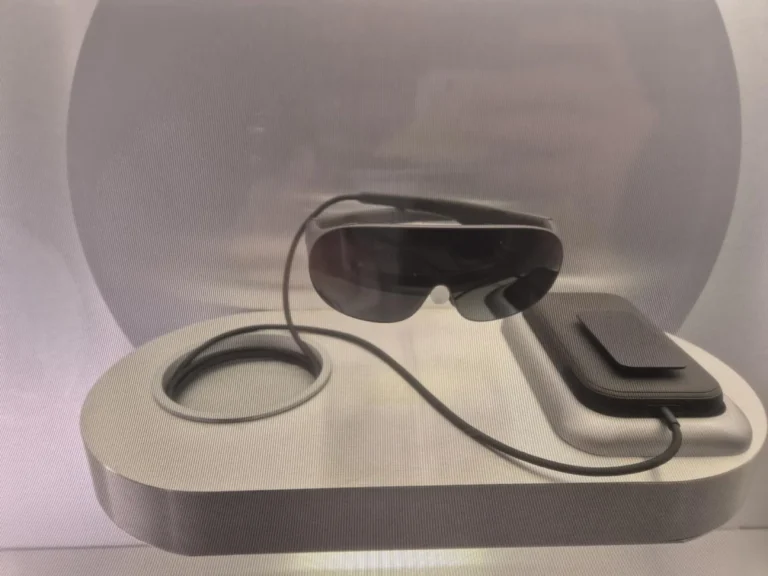
Valve Corporation has subtly signaled the imminent release of its latest hardware venture by launching a new "Great on Frame" section on the Steam store. This page serves as a certification hub for VR titles optimized to run on the "Steam Frame," a device that has been the subject of intense speculation within the enthusiast community.
The Steam Frame represents Valve’s first major foray into VR hardware since the 2019 release of the Valve Index. While the Index set a high bar for PC-tethered VR, the Steam Frame is expected to incorporate lessons learned from the success of the Steam Deck, potentially offering a more streamlined or versatile form factor. The "Great on Frame" page currently features a curated selection of titles, suggesting that Valve is working closely with developers to ensure a robust launch library. Historical patterns in Valve’s product cycles suggest that the official hardware unveiling could occur as early as late July, following the stabilization of logistics for the company’s other hardware initiatives.
Privacy and AI Integration in Wearable Technology
Meta is simultaneously navigating the complex intersection of artificial intelligence and user privacy through its Ray-Ban Meta smart glasses. The company recently deployed a mandatory firmware update designed to prevent users from tampering with the device’s privacy LED. Previously, some users had discovered workarounds to disable the light, which signals when the camera is recording, leading to significant privacy concerns in public spaces. The new update automatically disables the camera if the device detects that the LED has been covered or modified.
However, the hardware’s future involves more controversial "super-sensing" capabilities. Meta is reportedly testing "always-on" AI features that would allow the glasses to continuously monitor the wearer’s environment. This would enable the AI to answer contextual questions, such as identifying where a user left their keys. This advancement raises two primary concerns: the massive scale of data harvesting required to process daily life in real-time and the visibility of the privacy LED. Internal reports suggest a debate within Meta leadership regarding whether the LED should remain active during these continuous sensing periods. Privacy advocates argue that without a constant visual indicator, bystanders cannot provide informed consent to being recorded by the AI’s visual sensors.
Apple Initiates Legal Action Against OpenAI for Trade Secret Theft
The competitive landscape of AI-integrated hardware has been further complicated by a major lawsuit filed by Apple Inc. against OpenAI and its hardware partners. Apple alleges that OpenAI engaged in a systematic effort to misappropriate trade secrets to accelerate its own AI hardware development.

The lawsuit centers on several high-profile hires OpenAI made from Apple’s engineering and design teams. Notable among the accusations is the conduct of Tang Tan, a former Apple executive who reportedly joined OpenAI’s hardware initiative in collaboration with Jony Ive’s design firm, io Products. Apple claims that Tan and other former employees solicited current Apple staff to bring confidential prototypes to interviews for "show and tell" sessions.
Furthermore, the litigation highlights the case of Chang Liu, an employee who allegedly retained access to Apple’s internal servers after his departure. Internal communications cited in the filing suggest that Liu joked about his continued access before using it to download proprietary materials for use at OpenAI. This legal battle could significantly delay OpenAI’s roadmap for its rumored AI glasses and other wearable devices as the company faces increased scrutiny over its recruitment and data-handling practices.
Market Expansion and Venture Capital Trends
Despite the legal and regulatory hurdles facing the industry leaders, the broader XR market continues to attract significant investment. Even Realities, a Chinese startup specializing in camera-free, lightweight AI glasses, recently secured $150 million in a new funding round. This investment has propelled the company to a "unicorn" valuation of over $1 billion. The success of Even Realities reflects a growing consumer appetite for "invisible" technology—devices that provide digital overlays without the bulk or privacy baggage of traditional VR headsets.
Simultaneously, XREAL has expanded its global footprint with the launch of its "xbx" brand. These budget-friendly glasses, priced at approximately $300, focus on media viewing and screen mirroring rather than full spatial computing. By targeting a younger, more price-sensitive demographic, XREAL is attempting to establish a baseline for AR adoption before moving users toward its premium "One" series.
In the industrial and defense sectors, Distance Technologies has launched AcuityOS, a visual intelligence platform. Founded by former Varjo executives, Distance Technologies is pivoting toward military applications, providing AR solutions that allow personnel inside armored or closed vehicles to maintain 360-degree situational awareness. This shift mirrors the trajectory of companies like Anduril, suggesting that defense contracts may become a primary revenue driver for high-end AR development in Europe and North America.

Industry Impact and the Cancellation of Major Content Projects
The volatility of the XR market is perhaps best illustrated by the recent cancellation of a high-profile Tomb Raider VR project. Leaked gameplay footage and concept art from the now-defunct Amsterdam division of Vertigo Games revealed a polished title that was reportedly nearing completion. Analysts suggest the project’s cancellation coincides with Meta’s broader strategic shift away from funding third-party VR ports of established AAA franchises.
While hardware development remains robust, the cancellation of such "system-seller" titles highlights a persistent challenge for the industry: the "content gap." As Meta, Valve, and Apple prepare to release increasingly sophisticated hardware, the success of these devices will ultimately depend on whether developers can provide compelling reasons for consumers to integrate XR into their daily professional and personal lives. The upcoming Meta Connect and the anticipated Valve launch will likely determine the industry’s trajectory for the next three to five years, signaling either a true "VR spring" or a continued period of consolidation.
About the Author