The landscape of extended reality (XR) underwent significant shifts during the first week of February 2026, characterized by high-stakes financial disclosures from Meta Platforms, the emergence of generative artificial intelligence (AI) in world-building from Google, and structural reorganizations within Snap Inc. While the industry continues to grapple with skepticism regarding the long-term viability of the metaverse, major technology players are doubling down on hardware R&D and AI integration to bridge the gap between traditional computing and spatial experiences.
Meta Financials and the Strategic Commitment to VR Hardware
During its Q4 2025 quarterly earnings call, Meta Platforms addressed persistent rumors regarding a potential retreat from the virtual reality (VR) hardware market. Despite facing intensified scrutiny over the profitability of its Reality Labs division, Meta executives reaffirmed that the development of next-generation headsets remains a core pillar of the company’s long-term strategy.
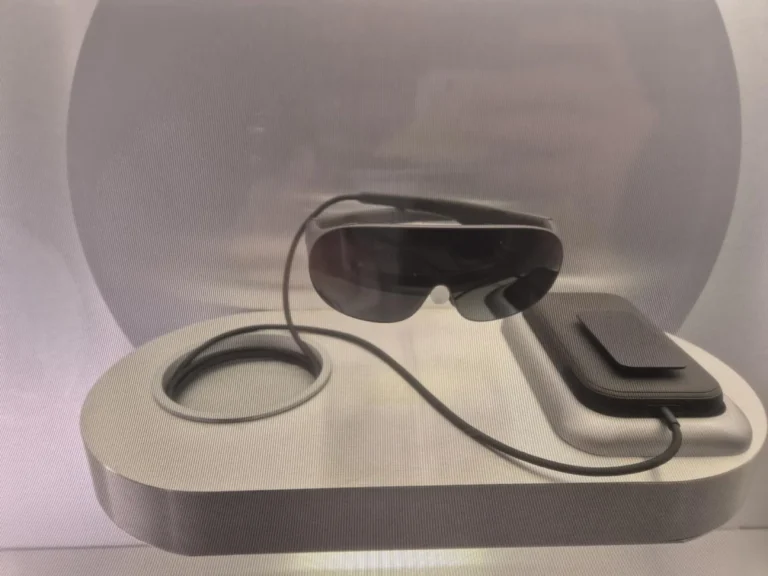
Meta Chief Financial Officer Susan Li confirmed that the company is actively "building future headsets," a statement that aligns with recent industry leaks concerning several upcoming devices. These include the rumored lightweight "Puffin" or "Loma" projects and the anticipated Quest 4. This official stance follows recent comments by Chief Technology Officer Andrew Bosworth, who emphasized the importance of maintaining a robust ecosystem for third-party VR content creators. However, the company has yet to clarify whether this support will manifest as direct financial subsidies for independent game studios, a move many analysts believe is necessary for the platform’s survival.
Financially, Meta’s commitment comes at a staggering cost. Reality Labs reported a loss of nearly $7 billion in the final quarter of 2025 alone. Meta executives have signaled to investors that these losses are expected to peak in 2026 before the company begins to implement more aggressive paths toward profitability. This financial trajectory suggests a "valley of death" period where R&D spending on smartglasses and AI integration will outpace hardware revenue for the foreseeable future.

Google Project Genie and the Paradigm of AI-Generated Worlds
Parallel to Meta’s hardware updates, Google has launched a public "playground" for Project Genie, a generative AI model designed to create interactive 3D environments from text prompts. Project Genie allows users to describe a setting and a character; the system then generates a navigable experience in real-time. This technology represents a departure from traditional game development, which relies on deterministic engines like Unity or Unreal.
The technical implications of Project Genie are profound. By utilizing frame-by-frame generation, the model can create interactive "world models" without requiring manual coding or asset modeling. However, the current iteration remains experimental. Google has restricted access to U.S.-based users aged 18 and older who subscribe to the Google AI Ultra tier. Furthermore, experiences are currently limited to 60-second intervals to mitigate the "hallucinations" and temporal inconsistencies common in probabilistic AI models.
The announcement of Project Genie had immediate repercussions in the financial markets. On the day of the reveal, shares of major gaming technology companies, including Unity, experienced a notable decline. Investors expressed concern that AI-driven world generation could eventually bypass the need for traditional game engines, although experts suggest that deterministic engines will remain essential for complex, long-form gaming for several years.
Snap Inc. Establishes Specs Inc. to Shield AR Development
In a strategic move to formalize its augmented reality (AR) ambitions, Snap Inc. has announced the creation of Specs Inc., a dedicated subsidiary focused exclusively on the development and management of AR glasses and smartglasses. This corporate restructuring serves two primary functions: it provides the AR division with a more focused leadership structure and potentially shields the parent company from the high-risk financial volatility associated with hardware manufacturing.
Snap has a decade-long history with its "Spectacles" line, evolving from simple camera-equipped glasses to more sophisticated AR prototypes. The formation of Specs Inc. indicates that Snap is approaching a commercial launch phase for its next generation of consumer-grade AR hardware. Internal reports suggest a high degree of confidence within the subsidiary, which aims to compete directly with Meta’s Ray-Ban collaboration and Apple’s spatial computing initiatives.

Virtuix Transitions to Public Markets via Nasdaq Listing
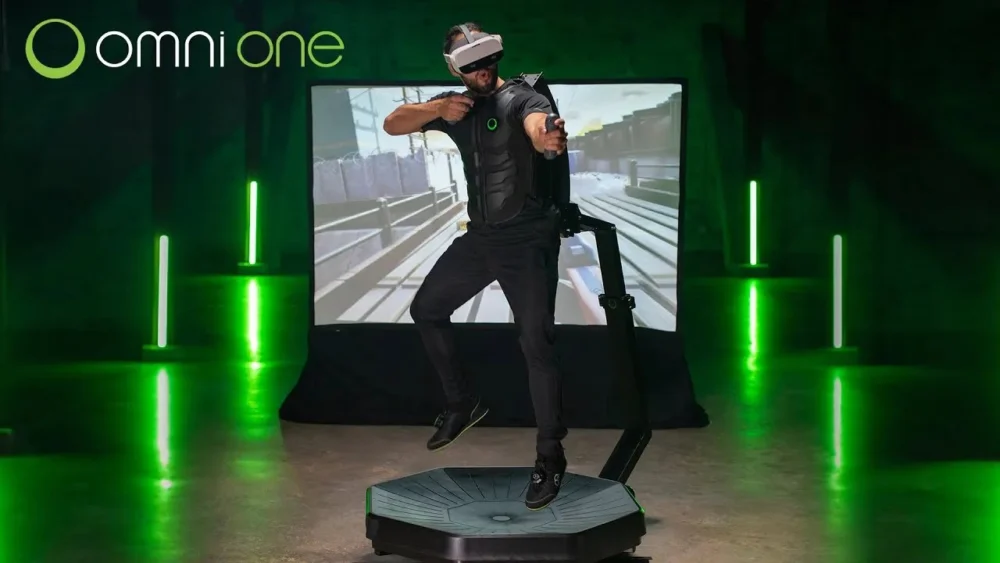
The hardware sector saw further maturation as Virtuix, a pioneer in VR locomotion technology, officially went public on the Global Market tier of the Nasdaq under the ticker symbol VTIX. The IPO was accompanied by an $11 million investment from Chicago Venture Partners and the establishment of a $50 million equity line of credit.
Virtuix’s journey to the Nasdaq marks a significant milestone for the VR industry. The company, known for its Omni treadmill, originally gained prominence during the early 2010s VR resurgence. After finding success in the location-based entertainment (LBE) sector—providing hardware for VR arcades and entertainment centers—Virtuix has pivoted back toward the domestic consumer market. This transition reflects a broader trend of specialized XR hardware finding sustainable niches outside of the mainstream headset market.
Software Innovations and User Experience Enhancements
The week also saw significant updates to the software side of the XR ecosystem, focusing on content accessibility and productivity.
XREAL’s Real-Time 3D Conversion
XREAL, a leading manufacturer of AR glasses, has begun rolling out a proprietary algorithm that allows its devices to convert standard 2D content into 3D in real-time. This update applies to streaming movies, local media, and traditional games. By addressing the "content gap"—the lack of native 3D media—XREAL aims to increase the utility of its hardware for everyday entertainment.
Quest 3 Surface Haptics and Virtual Keyboards
Meta’s Quest 3 has introduced a feature in its v85 Public Test Channel (PTC) that allows any flat surface to function as a virtual keyboard. Utilizing advanced hand-tracking and depth-sensing technology, the system recognizes when a user "taps" a physical table, providing a more stable and tactile typing experience than previous "floating" virtual keyboards. This development is viewed as a critical step toward making VR headsets viable devices for professional productivity.

Media Turbulence and the Ethics of AI Journalism in XR
The XR industry’s primary news outlets have not been immune to the broader shifts in technology. Ian Hamilton, a long-standing editor at UploadVR, was recently dismissed following a internal dispute regarding the implementation of "AI journalists" at the publication. Hamilton, a vocal critic of AI-generated content in tech journalism, reportedly shared internal communications regarding the magazine’s AI strategy with industry contacts, leading to his termination.
Hamilton has since launched an independent platform on Substack, while UploadVR representatives have stated that the publication remains financially stable and is actively recruiting new staff. This incident highlights the growing tension within the tech sector as legacy media organizations weigh the cost-saving benefits of AI against the editorial integrity of human-led reporting.
Market Analysis and Future Outlook
As the industry moves deeper into 2026, the contrast between massive R&D losses and rapid technical innovation remains the defining characteristic of the XR market. While "VR is dead" narratives continue to circulate in mainstream financial press, the actions of Meta, Google, and Snap suggest a different reality. The integration of generative AI into spatial computing is accelerating the development of interactive environments, while hardware manufacturers are successfully refining form factors and user interfaces.
The success of these ventures will likely depend on the 2026 fiscal year, which Meta has identified as the "peak" of its investment cycle. If the anticipated Quest 4 and Snap’s new AR glasses fail to capture a broader consumer audience, the industry may face a significant contraction. However, for now, the influx of capital and the rapid pace of software updates indicate that the spatial computing era is continuing to evolve, albeit under immense financial pressure.
About the Author