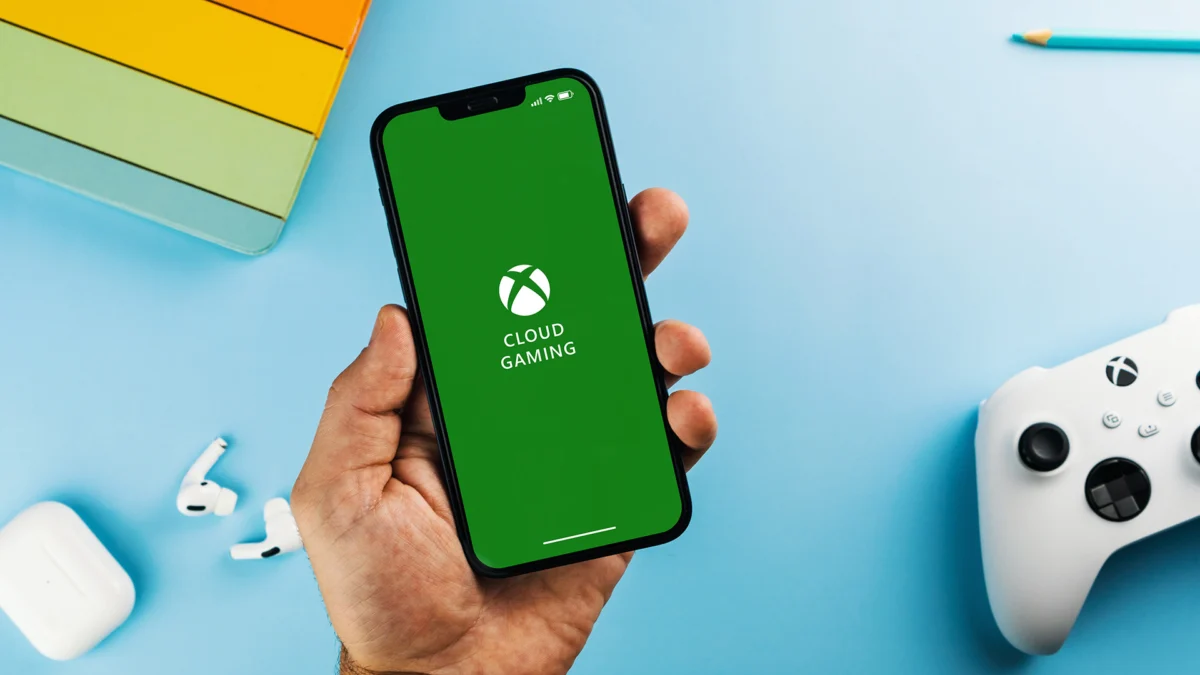
In a significant strategic adjustment to its popular Xbox Cloud Gaming service, Microsoft has announced the implementation of new monthly playtime limits for its Game Pass subscribers. Revealed on September 3, 2026, via an official Xbox Wire communication, these restrictions are set to take effect in November 2026, marking a pivotal moment in the evolution of cloud-based gaming services. The move, framed by Microsoft as a necessary step to ensure the long-term viability and performance of its cloud infrastructure, will introduce varying levels of access based on subscription tiers, alongside a new option for users to purchase additional playtime hours.
Detailed Policy Breakdown and Tiered Access
Under the new policy, Xbox Game Pass Ultimate subscribers, who currently enjoy unrestricted access to cloud streaming, will find their monthly playtime capped at 15 hours. Subscribers to the Xbox Game Pass Premium tier will be limited to 10 hours per month, while those on the more affordable Xbox Game Pass Essential plan will have a monthly allowance of 5 hours. These changes represent a departure from the previously unlimited cloud streaming model, fundamentally altering the value proposition for certain segments of the Game Pass subscriber base.
Microsoft anticipates that these new limits will directly "impact" only about 4 percent of its vast Game Pass subscriber population. This figure suggests that the majority of users may not typically exceed these thresholds, indicating that the heaviest cloud gaming users are a relatively small, albeit potentially vocal, minority. For those who do reach their monthly limit and wish to continue streaming games, Microsoft is introducing a system to purchase additional "playtime hours" directly through the Xbox Store. This new transactional model not only offers continued access but also extends to users who do not hold a Game Pass subscription, creating a new, more flexible entry point into the cloud gaming ecosystem.
The Economic Imperative: Rising Costs and Strategic Re-evaluation
Microsoft’s primary justification for these caps centers on the escalating costs associated with providing cloud gaming services. In its official statement, the company explained, "the cost of providing cloud gaming grows as more people use it and play for longer." It further elaborated, "Moving to monthly limits allows us to keep offering the service while continuing to invest in its reliability and performance. We understand that for some players the practical result is a higher cost." This candid acknowledgement of increased operational expenses underscores the inherent financial challenges in scaling high-performance cloud infrastructure.
The infrastructure required to power a robust cloud gaming service like Xbox Cloud Gaming is immense and complex. It demands significant investment in high-end server hardware, including powerful GPUs and CPUs, extensive data centers strategically located globally to minimize latency, and vast amounts of high-speed network bandwidth. As the user base grows and average playtime increases, so too does the strain on these resources, leading to higher electricity consumption, cooling requirements, and ongoing maintenance. Furthermore, the global semiconductor market has faced unprecedented demand and supply chain disruptions in recent years. The original article references how tariffs imposed by the Trump administration on foreign-produced goods impacted hardware and memory costs. More recently, the explosive growth of generative AI, exemplified by firms like OpenAI (a major financial partner of Microsoft), has created intense competition for memory chips (DRAM), driving up prices and securing exclusive deals for critical components. These macroeconomic factors exert substantial pressure on companies like Microsoft, which rely heavily on advanced hardware for both their console manufacturing and cloud infrastructure.
This move also aligns with a broader strategic recalibration within Microsoft’s Xbox division, signaling a stronger emphasis on profitability and sustainable growth. Xbox CEO Asha Sharma has repeatedly stressed the need for "affordability" in Xbox’s services and devices, particularly in the wake of significant layoffs that saw 1,600 employees cut, with another 1,600 reportedly still at risk. These workforce reductions, alongside pricing adjustments and service modifications, point to a company-wide initiative to optimize operational efficiency and ensure that each facet of the business contributes positively to the bottom line. The decision to cap cloud gaming hours, while seemingly counter-intuitive to a growth strategy, can be interpreted as a necessary measure to control spiraling costs and ensure that the cloud gaming segment can eventually achieve profitability without becoming an unsustainable drain on resources.
A Strategic Re-evaluation of Affordability and Market Expansion
While acknowledging that the new caps may result in "a higher cost" for some users, Microsoft simultaneously frames the introduction of purchasable "playtime hours" as an affordability pitch, particularly for two distinct market segments.
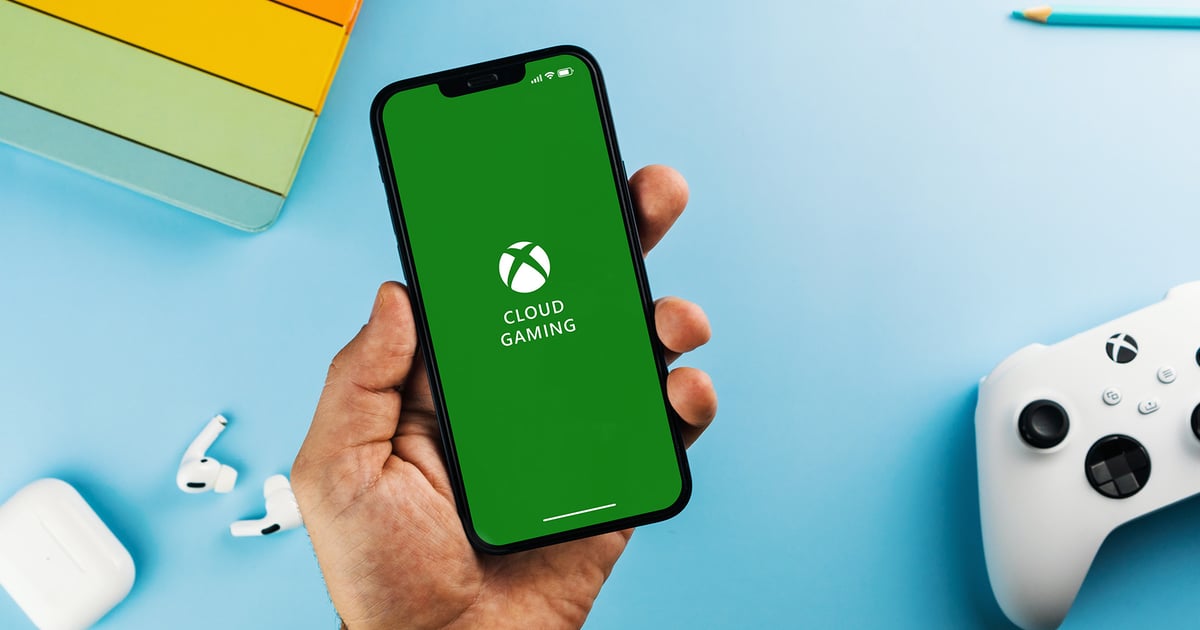
Firstly, the company is targeting existing Xbox One owners who have yet to upgrade to the latest generation consoles, the Xbox Series X|S. The ability to purchase occasional cloud gaming hours, even without a full Game Pass subscription, offers these players a pathway to experience eligible Xbox Series X|S exclusive titles that are not natively playable on their older hardware. This strategy allows Microsoft to extend the lifespan and relevance of its content library to a broader installed base, potentially enticing these users to eventually invest in a full Game Pass subscription or even a new console, without demanding an immediate, significant hardware upgrade. It bridges the gap between console generations, offering a taste of the future without the full financial commitment.
Secondly, the new system aims to reach players in regions where Xbox consoles are either "unavailable or unaffordable." Currency exchange rates, import duties, and local economic conditions can significantly inflate the price of gaming hardware, making console ownership an unattainable luxury for many. By offering discrete "playtime hours" for purchase, Microsoft is creating a microtransaction-based entry point into its gaming ecosystem. This allows individuals in these markets to engage with high-fidelity Xbox titles like Gears of War: E-Day on existing devices (like smartphones, tablets, or low-spec PCs) without the upfront cost of a console. This approach could be instrumental in expanding Xbox’s global footprint, cultivating new audiences, and diversifying revenue streams from regions that might otherwise be inaccessible. It transforms cloud gaming from a premium add-on to a more flexible, pay-as-you-go service, potentially democratizing access to modern gaming experiences.
The Evolving Landscape of Cloud Gaming and Competitive Dynamics
Microsoft’s decision unfolds against the backdrop of a dynamic and challenging cloud gaming market. While the promise of "gaming on any screen, anywhere" remains compelling, achieving widespread profitability has proven elusive for many players. Google’s Stadia, once a high-profile competitor, famously shuttered its service due to a lack of traction and unsustainable operational costs. Other services like NVIDIA’s GeForce Now, Sony’s PlayStation Plus Premium, and Amazon Luna each employ different business models, with varying degrees of success. GeForce Now, for instance, offers a free tier with session limits and queue times, alongside paid tiers that provide extended sessions and priority access, but generally without hard monthly playtime caps for its premium offerings. PlayStation Plus Premium integrates cloud streaming as part of a broader subscription, but also focuses on its console ecosystem.
The inherent challenges of cloud gaming include the persistent issue of latency, the immense upfront capital expenditure for infrastructure, and the ongoing operational expenses related to bandwidth and energy. Content licensing also plays a crucial role, with deals needing to be struck to stream games from various publishers. Microsoft, with its vast Azure cloud infrastructure and extensive Game Pass library, is uniquely positioned to overcome some of these hurdles. However, even with these advantages, the economic realities of scaling such a service to millions of users globally necessitate careful management of resources.
This move by Microsoft could signal a maturing phase for cloud gaming, where providers move beyond unlimited access models towards more financially sustainable, tiered, or consumption-based pricing structures. It might prompt competitors to re-evaluate their own cost structures and service offerings, potentially leading to similar adjustments across the industry. The focus shifts from merely offering a service to ensuring that service can generate sufficient revenue to cover its considerable costs and fund future innovation.
Anticipated Reactions and Broader Implications
The immediate reaction from the gaming community is likely to be mixed. While Microsoft states that only 4 percent of subscribers will be directly "impacted" by hitting the caps, these "heavy users" are often the most engaged and vocal members of a service’s community. They might express frustration over what they perceive as a reduction in value, especially given that Game Pass Ultimate is Microsoft’s most premium offering. There could be a risk of churn among this segment, or conversely, a transition to purchasing additional playtime hours, thereby increasing Microsoft’s average revenue per user (ARPU) from these individuals. The transparency of the announcement, well in advance of the November 2026 effective date, provides users with ample time to adjust their expectations or usage habits.
From an analyst’s perspective, this decision is likely to be viewed as a prudent financial maneuver. In an era where tech companies are under increasing pressure to demonstrate profitability and efficiency, optimizing the cost-intensive cloud gaming division makes strategic sense. It could lead to improved margins for Game Pass, a key pillar of Microsoft’s gaming strategy, and contribute to the overall financial health of the Xbox ecosystem. The ability to monetize heavy usage beyond the subscription fee via purchased playtime hours introduces a new revenue stream that was previously untapped.
In the long term, this strategic shift could redefine the perception and usage patterns of Xbox Cloud Gaming. It moves the service from a purely "all-you-can-eat" model for its premium tiers to a hybrid model where a base level of access is included, with extended usage available à la carte. This could encourage more deliberate playtime among users, potentially shifting gaming habits towards more focused sessions rather than continuous, passive streaming. It also reinforces the idea that while cloud gaming offers unparalleled accessibility, the underlying infrastructure comes at a significant cost, a cost that subscribers may increasingly be asked to bear, either directly or indirectly.
Microsoft’s commitment to cloud gaming remains strong, as evidenced by its continued investment in technology and content. However, this policy change highlights the ongoing challenge of balancing consumer value with operational sustainability in the rapidly evolving landscape of digital services. As the industry progresses, it is increasingly clear that the future of cloud gaming will involve a careful calibration of access, cost, and technological advancement, aiming to deliver cutting-edge experiences while ensuring the long-term economic viability of the platforms that host them.
About the Author