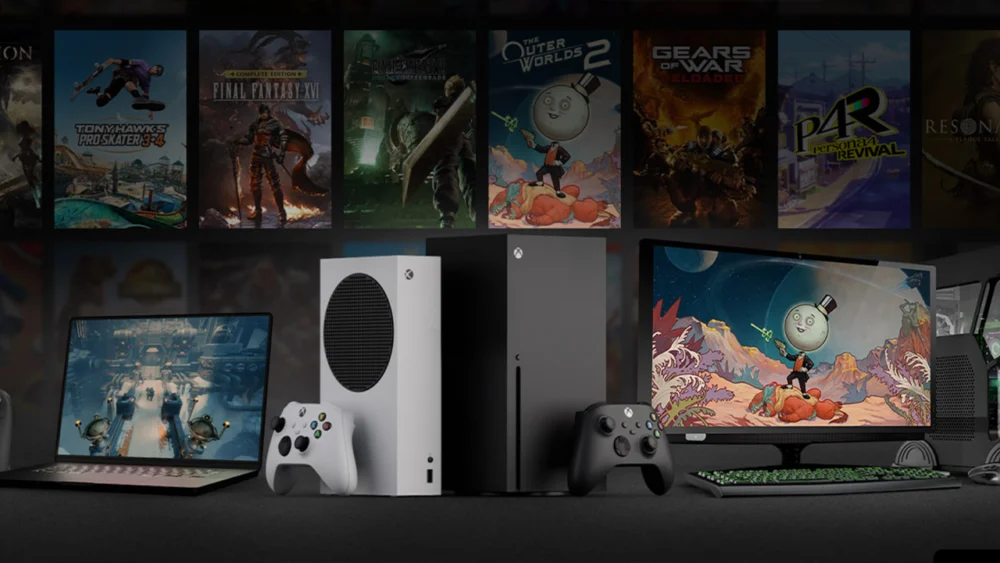
During a pivotal keynote at the GDC Festival of Gaming on March 11, 2026, Xbox Vice President of Next Generation, Jason Ronald, revealed compelling data underscoring the success and strategic importance of the Xbox Play Anywhere (XPA) program. Ronald asserted that titles participating in XPA attract the "most engaged" players within the Xbox ecosystem, a finding that offers significant implications for game developers and Microsoft’s overarching multiplatform strategy. This announcement comes as Microsoft continues to articulate a vision for Xbox that transcends traditional console boundaries, embracing a future where gaming access is fluid and device-agnostic.
Ronald presented striking statistics to support his claims, indicating that players who invest in Xbox Play Anywhere titles demonstrate profoundly higher engagement levels. Specifically, these dedicated consumers spend more than two times the number of hours in-game compared to other players. Beyond mere playtime, their commitment extends to their purchasing habits, as they acquire more than two times the number of games when juxtaposed with their less engaged counterparts. This dual metric of increased playtime and higher purchasing frequency paints a clear picture of a highly valuable segment of the gaming audience, one that Microsoft is keen to cultivate and expand.
Unpacking Player Engagement: A Deeper Dive into Xbox Play Anywhere’s Impact
The metrics shared by Ronald – particularly the "more than two times" figures for both in-game hours and game purchases – are not merely statistics; they represent a fundamental validation of Microsoft’s cross-platform strategy. In the highly competitive gaming industry, player engagement is the bedrock of long-term success. Engaged players are not just consumers; they are community builders, brand advocates, and repeat customers. Their extended playtime translates into greater exposure to in-game content, potentially leading to increased sales of downloadable content (DLC), expansions, and cosmetic items. Furthermore, highly engaged players are more likely to discuss games, recommend them to friends, and participate in online communities, thereby fostering organic growth and sustained interest in a title.
The propensity of XPA players to purchase more games suggests a strong affinity for the ecosystem and the convenience it offers. This audience segment appears to value the flexibility of playing their owned titles across multiple devices without additional cost, seeing it as a key differentiator. For developers, targeting this demographic means tapping into a player base that has already demonstrated a higher lifetime value (LTV) and a willingness to invest more deeply in their gaming experiences. This insight provides a powerful incentive for studios to consider integrating XPA into their development plans, offering a clear pathway to reach an already self-selecting, high-value audience.
The Evolution of Xbox Play Anywhere: A Decade of Cross-Platform Vision
Xbox Play Anywhere was initially introduced by Microsoft in August 2016, marking a significant step in the company’s efforts to unify its gaming ecosystem across Xbox consoles and Windows 10 PCs. The core promise was revolutionary: purchase a digital game once, and own it on both Xbox and PC, complete with shared saves, achievements, and downloadable content. This initiative was designed to break down barriers between platforms, offering players unprecedented flexibility and convenience at a time when PC and console gaming often operated as distinct, siloed experiences.
Since its inception, the program has steadily grown in scope and adoption. Ronald confirmed that over 1,500 titles currently support Xbox Play Anywhere, a testament to its expanding library and developer embrace. The program’s technical framework allows owners to seamlessly transition their gaming experience between an Xbox console, a Windows PC, and increasingly, other compatible hardware such as the ASUS ROG Ally handheld PC. This cross-device compatibility extends beyond just game access, critically including cross-progression. Players can start a game on their console, pick it up later on their PC, and even continue on a portable device, with all their saves, add-ons, and achievements synchronizing automatically via the cloud. This seamless continuity is a cornerstone of the "play anywhere" philosophy and a key driver of the heightened engagement observed by Microsoft.
The initial rollout of XPA was met with cautious optimism, as developers weighed the technical requirements and potential market benefits. Over the years, as Microsoft refined its Universal Windows Platform (UWP) and streamlined the development process, the appeal of XPA has grown. For many studios, particularly those developing narrative-driven or multiplayer titles that benefit from a persistent player base, the ability to offer a unified experience across leading platforms has become an increasingly attractive proposition.
Strategic Messaging at GDC Festival of Gaming
The GDC Festival of Gaming serves as a vital confluence for game developers, publishers, and industry professionals, providing a platform for sharing insights, showcasing innovations, and discussing the future of interactive entertainment. Jason Ronald’s keynote was strategically placed to directly address this critical audience, emphasizing the tangible benefits of aligning with Microsoft’s XPA vision.
Ronald explicitly encouraged developers in attendance to consider adding their products to the Xbox Play Anywhere roster. His appeal was grounded not just in abstract philosophical alignment but in concrete market demand. "These players actively seek out Xbox Play Anywhere games," Ronald stated. "So, when they’re looking for their next favorite game, oftentimes they will explicitly look for what other games support Xbox Play Anywhere." This observation highlights a self-reinforcing cycle: the more games that support XPA, the more players will seek them out, further incentivizing developers to join the program.
He concluded his call to action with a compelling business argument: "[…] There’s a huge opportunity to really lean into this and start building games for the way that modern players play games, and it has real, tangible business impact for you as developers." This statement encapsulates Microsoft’s dual objective: shaping player expectations for flexible gaming experiences while simultaneously offering developers a clear economic incentive to meet those evolving demands. The message resonated with many in the development community, who are constantly seeking ways to maximize reach and engagement in an increasingly crowded market.
Microsoft’s Broader Multiplatform Imperative: Beyond the Console Box
The XPA revelations are not an isolated data point but fit perfectly within Microsoft’s long-articulated strategy to transform Xbox from a console-centric brand into a vast, multiplatform ecosystem. For years, the company has been vocal about its ambition to make Xbox content accessible wherever and however players choose to engage. This vision extends far beyond proprietary hardware, aiming to establish Xbox as a comprehensive gaming service.
Project Helix: The Next-Gen Console Blurring Lines

This multiplatform imperative was further solidified by recent announcements surrounding Microsoft’s next-generation console, codenamed "Project Helix." Just last week, the company confirmed that Project Helix will represent a significant paradigm shift, being capable of natively playing both traditional console titles and PC games. This hybrid approach is poised to redefine the console experience, effectively integrating the vast PC gaming library with the curated console ecosystem. Earlier today, Microsoft provided further details at the GDC Festival of Gaming, outlining how the console would be specifically "spec’d out to serve developers," indicating a focus on powerful, flexible hardware and robust development tools. The company also announced that alpha dev kits for Project Helix are slated to begin shipping in 2027, giving developers ample time to innovate for this groundbreaking platform. Project Helix is a clear manifestation of the "play anywhere" philosophy, bringing the breadth of PC gaming directly to a dedicated console experience.
Complementary Ecosystem Pillars: Game Pass and Cloud Gaming
While Xbox Play Anywhere focuses on purchased titles, it operates in concert with other key pillars of Microsoft’s ecosystem, most notably Xbox Game Pass and Xbox Cloud Gaming. Game Pass, a subscription service offering a rotating library of games, often includes XPA-enabled titles, further enhancing the cross-device accessibility for subscribers. This synergy means that players can discover a game on Game Pass, experience its cross-platform benefits, and then potentially purchase it to own, continuing their multi-device journey.
Xbox Cloud Gaming (xCloud) takes the "play anywhere" concept a step further by streaming games directly to a multitude of devices, from smartphones and tablets to web browsers, without the need for local installation or high-end hardware. While distinct from XPA’s ownership model, Cloud Gaming embodies the ultimate goal of frictionless access to the Xbox library across virtually any internet-connected screen. Together, XPA, Game Pass, and Cloud Gaming create a comprehensive framework designed to maximize player reach and minimize barriers to entry, solidifying Xbox’s position as a service-first gaming entity.
Renewed Focus on PC Gaming
Microsoft’s strategic pivot also includes a reinvigorated commitment to PC gaming. For years, the company struggled to establish a cohesive PC gaming strategy, but the advent of XPA and the integration of Xbox services into Windows have marked a new era. By treating Windows as a primary gaming platform alongside Xbox consoles, Microsoft has opened up its first-party titles to a massive PC audience and provided developers with a clear pathway to target both user bases simultaneously. This renewed focus is not just about bringing games to PC; it’s about integrating the PC experience deeply into the broader Xbox ecosystem, ensuring features like cross-progression and shared social features are seamless.
Implications and Opportunities for Game Developers
For game developers, the insights shared by Jason Ronald present a compelling case for embracing Xbox Play Anywhere. The data suggests that XPA integration is not just a value-added feature for players, but a strategic business decision that can lead to increased monetization and expanded market reach.
The higher engagement metrics observed in XPA players indicate a greater likelihood for these individuals to invest further in a game beyond the initial purchase. This translates into increased sales of post-launch content, such as season passes, cosmetic items, and future expansions. Developers can design their games with this in mind, creating robust live-service elements or ongoing content pipelines that cater to this highly invested audience.
Furthermore, XPA significantly expands a game’s potential audience. By making a title available and seamlessly playable across Xbox consoles, PCs, and handhelds, developers can reach players who might prefer one platform over another, or who enjoy the flexibility of switching between devices. This broadens the top of the sales funnel, potentially leading to higher overall unit sales. The fact that XPA players actively seek out these titles also creates a built-in marketing advantage, as these games stand out to a segment of the market specifically looking for cross-platform convenience.
While implementing XPA does require some development considerations – ensuring robust cloud save functionality, optimizing for different input methods, and testing across various hardware configurations – the long-term benefits in terms of player loyalty, engagement, and revenue potential appear to outweigh these initial efforts. In a future where platform agnosticism is becoming a player expectation, building games with cross-platform capabilities like XPA can be seen as a form of future-proofing, ensuring titles remain relevant and accessible across evolving hardware landscapes.
Industry Perspective and Future Outlook
Industry analysts, observing Microsoft’s consistent messaging and strategic moves, largely view these XPA findings as a validation of the company’s long-term multiplatform vision. The data provides concrete evidence that players respond positively to flexibility and convenience, a trend that is likely to intensify as gaming hardware diversifies. While competitors like Sony and Nintendo have made strides in cross-play and limited cross-progression for certain titles, Microsoft has consistently pushed for a more comprehensive, ecosystem-wide approach with XPA and Game Pass.
The ongoing shift towards platform agnosticism suggests a future where the "box" a game is played on becomes less important than the game itself and the services that support it. Microsoft is positioning Xbox not merely as a console brand but as a ubiquitous gaming service, accessible across a broad spectrum of devices. This strategy mitigates the risks associated with console sales cycles and hardware competition, instead focusing on maximizing player engagement and subscription revenue across its entire gaming portfolio.
However, challenges remain. Developer adoption, while growing, is not universal, and the technical complexities of building truly seamless cross-platform experiences can be significant, particularly for smaller studios. Maintaining a consistent user experience across wildly different hardware specifications also presents an ongoing design and engineering hurdle. Yet, the clear business impact highlighted by Ronald’s keynote offers a powerful counter-argument to these challenges.
Looking ahead, the success of Xbox Play Anywhere, coupled with the ambitious Project Helix and the continued expansion of Game Pass and Cloud Gaming, indicates a clear trajectory for Microsoft. The company is committed to breaking down traditional gaming barriers, offering players unparalleled freedom in how and where they play. The engagement data from XPA players serves as a strong indicator that this strategy is not only resonating with consumers but also driving tangible benefits for developers, cementing Microsoft’s role in shaping the future of interactive entertainment.
About the Author