The video game industry, a vibrant and often tumultuous landscape, continues its relentless evolution, marked this week by significant developments spanning corporate strategy, consumer rights, labor relations, and the enduring spirit of game preservation. From Microsoft’s exploration of ad-supported game streaming to the monumental acquisition of Electronic Arts, and from critical union statements to the unexpected resurgence of beloved and forgotten titles, the week of July 24, 2026, has underscored the complex interplay of finance, innovation, and community that defines interactive entertainment.
Microsoft Explores Ad-Supported Game Streaming Amidst Shifting Monetization Landscape
In a move signaling a potential shift in its cloud gaming strategy, Xbox has commenced trials for an ad-supported game streaming experience, inviting select Xbox Insiders to participate. This experimental model requires players to watch a two-minute block of advertisements before gaining access to their chosen title. Following an hour of gameplay, participants are then prompted to view another sequence of ads to continue their session. The trial is currently limited to a small selection of games already owned by players, including high-profile titles like Forza Horizon 6 and 007 First Light. Xbox has yet to confirm whether this trial will lead to a broader, official product offering, leaving industry observers and consumers to speculate on its future implications.
This initiative comes as Microsoft continues to expand its Game Pass ecosystem and invest heavily in cloud gaming infrastructure. The company’s long-term vision has been to make gaming more accessible across various devices, reducing hardware barriers. The introduction of an ad-supported tier could potentially serve multiple strategic objectives: lowering the financial entry point for new users, thereby expanding the Game Pass subscriber base, and generating additional revenue streams in a highly competitive market. Similar ad-supported models have seen success in other digital entertainment sectors, such as Netflix and Disney+, which introduced lower-cost tiers with commercial breaks to attract budget-conscious subscribers. Analysts suggest that if implemented widely, such a model could significantly alter the monetization landscape for cloud gaming, potentially offering a "freemium" pathway into the Xbox ecosystem, though it risks alienating premium subscribers accustomed to an uninterrupted experience. The initial feedback from the Insider program will be crucial in determining the viability and public reception of this experimental approach.
Nintendo Faces Consumer Lawsuit Over Tariff Refunds
Nintendo finds itself embroiled in a legal battle, as consumers have filed a lawsuit alleging that the company engaged in "double dipping" related to tariffs imposed several years prior. The lawsuit claims that Nintendo increased the price of certain hardware and accessories in the United States in direct response to these tariffs. However, after the Supreme Court subsequently deemed those tariffs illegal, Nintendo allegedly sought and received refunds from the government for the tariffs paid, but failed to pass on those savings to consumers who had purchased the products at the inflated prices.
This week, Nintendo filed a motion to dismiss the lawsuit, asserting that consumers are not legally entitled to tariff refunds. In its legal filing, the company argued that customers "received exactly what they bargained and paid for […] at a price to which both parties agreed." This stance underscores a fundamental debate about corporate responsibility, consumer rights, and the intricacies of pricing strategies in response to external economic pressures. The tariffs in question were part of broader trade disputes that impacted numerous industries, leading many companies to adjust their pricing. While businesses are typically free to set prices, the core of the lawsuit hinges on whether the collection of tariff-related price increases, followed by a refund of those tariffs to the company, constitutes unjust enrichment at the consumer’s expense. Legal experts suggest the outcome of this case could set a significant precedent for how companies manage price adjustments in response to fluctuating regulatory and economic conditions, potentially influencing future consumer protection policies in the tech and gaming sectors.
Saudi Arabia’s Divisive EA Buyout Approved by EU Regulators
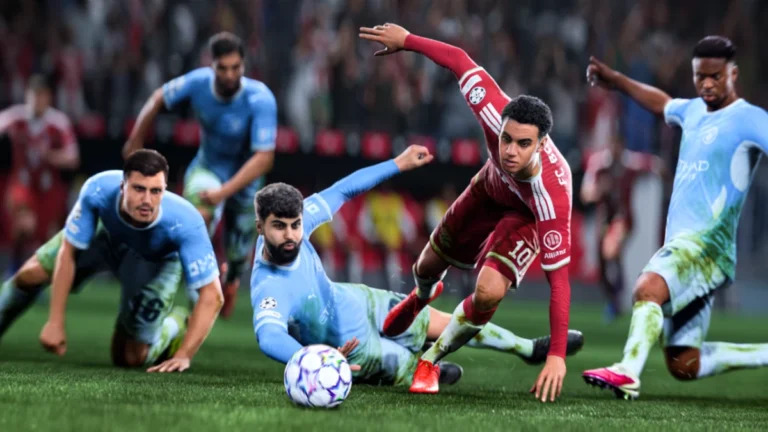
The proposed take-private acquisition of Electronic Arts (EA) by an investor consortium, including Saudi Arabia’s sovereign wealth fund PIF (Public Investment Fund), Silver Lake, and Affinity Partners, has moved closer to completion with the crucial approval from the European Commission. The colossal $55 billion deal, one of the largest in gaming history, received the green light after the Commission concluded that it would not "raise competition concerns" within the European Union market.
This approval marks a significant milestone in a transaction that has generated considerable debate. The Saudi PIF has been aggressively expanding its investments in the global gaming industry through its subsidiary, Savvy Games Group, acquiring stakes in major publishers like Nintendo, Capcom, and Activision Blizzard (prior to its acquisition by Microsoft), and establishing ambitious plans for game development within Saudi Arabia. The acquisition of EA, a global titan with franchises like FIFA, Apex Legends, and The Sims, represents a major escalation of this strategy.
While the EU’s decision focused purely on antitrust considerations—assessing whether the merger would unduly restrict market competition—the deal remains "divisive" due to broader ethical concerns. Critics and human rights organizations have voiced apprehension over the increasing influence of a state known for its human rights record in Western entertainment industries, often labeling such investments as "sportswswashing" or "artswashing." For investors, however, the deal represents a substantial premium for EA shareholders and a strategic move for the consortium to secure a leading position in the rapidly growing interactive entertainment sector. The implications for EA’s corporate culture, creative direction, and long-term strategy under new ownership will be closely watched, particularly as the gaming industry continues its trend of massive consolidation.
Bethesda Union Slams Xbox Over Severance Practices
In a stark statement highlighting ongoing tensions in the gaming industry’s labor landscape, OneBGS, a labor union representing employees at Bethesda Game Studios, has publicly criticized Microsoft for its handling of recent layoffs in Canada. The union accused the Xbox maker of offering laid-off workers "the bare legal minimum in terms of severance" without engaging in bargaining with the union. Furthermore, OneBGS alleged that Microsoft immediately severed access to group benefits health insurance for these former employees, a move that has drawn sharp condemnation.
These accusations resurface the contentious issue of corporate responsibility during periods of workforce reduction, particularly in an industry that has seen widespread layoffs throughout 2023 and 2024. Microsoft’s acquisition of ZeniMax Media (Bethesda’s parent company) in 2021 was a landmark deal, and the subsequent integration and restructuring have led to various workforce adjustments. The union’s statement underscores the growing importance of collective bargaining in protecting employee rights during such transitions. According to Canadian labor laws, minimum severance requirements vary by province and length of employment, but unions often negotiate for more favorable terms. The immediate cessation of health benefits is a particularly sensitive point, as it can leave former employees vulnerable during a critical period of job transition.
OneBGS’s public criticism follows a broader trend of increased unionization efforts within the gaming industry, driven by concerns over job security, fair compensation, and working conditions. This incident is likely to intensify scrutiny of Microsoft’s labor practices, especially given its significant presence and influence in the global tech and gaming sectors. It also serves as a potent reminder of the ongoing struggle between corporate efficiency objectives and the welfare of individual employees, with unions increasingly acting as a voice for the latter.
Alpha Dog Games Rises from the Ashes of Xbox Studio Closures
In a heartening development for the independent game development scene, Alpha Dog Games, the studio behind Mighty Doom, has been reborn as an independent outfit, just two years after being controversially shuttered by Xbox. The studio’s return marks a rare instance of a former first-party developer successfully regaining its autonomy following a corporate closure.
Alpha Dog Games was among several studios that faced closure by Xbox in 2024, a decision that also notably impacted Arkane Austin (Redfall) and Tango Gameworks (Hi-Fi Rush). While Tango Gameworks was subsequently salvaged by Krafton, the fate of many other affected studios and their talented teams remained uncertain. Shawn Woods, founder of Alpha Dog Games, expressed gratitude towards Microsoft, stating, "We’re grateful to Microsoft for working with us through the transition and enabling Alpha Dog Games to return to independent ownership." This amicable separation suggests a cooperative effort to facilitate the studio’s revival, offering a glimmer of hope amidst the often-harsh realities of industry consolidation.
The return of Alpha Dog Games to independence highlights the resilience and entrepreneurial spirit prevalent within the game development community. It also serves as a testament to the value of experienced teams and intellectual property, even after being deemed surplus by larger corporations. For developers, this event underscores the cyclical nature of studio life—from independence to acquisition, and occasionally, back again. It provides a narrative of second chances and the enduring appeal of creative freedom outside the constraints of a large publishing umbrella, potentially inspiring other developers affected by recent industry restructuring.
The Video Game History Foundation Unveils E3 Legacy Collections
For many, the Electronic Entertainment Expo (E3) was once the undisputed epicenter of the gaming world—a grand spectacle of reveals, demos, and industry buzz. While the event eventually faded into obsolescence, the Video Game History Foundation (VGHF) has ensured its legacy lives on, launching a comprehensive series of collections celebrating E3’s storied past. These digital archives aim to provide both a powerful nostalgia hit for veterans and an unprecedented opportunity for those who never stepped foot inside the Los Angeles Convention Center to experience the fabled excitement for the very first time.
E3, which held its inaugural event in 1995, grew to become the premier platform for major publishers and developers to unveil their biggest projects, often accompanied by elaborate stage shows and groundbreaking announcements. Its decline, hastened by rising costs, the fragmentation of media coverage, and the increasing trend of publishers opting for their own direct-to-consumer digital showcases (like Nintendo Directs and PlayStation State of Plays), culminated in its effective discontinuation. The VGHF’s initiative is crucial for preserving this significant chapter in gaming history. By curating extensive collections of presentations, interviews, promotional materials, and behind-the-scenes footage, the VGHF not only documents E3’s cultural impact but also offers invaluable insights into the evolution of game marketing, development, and industry trends over nearly three decades. This effort aligns with the VGHF’s broader mission to protect and share the history of video games, ensuring that foundational events and artifacts are not lost to time but remain accessible for future generations of players, developers, and historians.
Rare Internal Pokémon Documentary Reveals Scrapped Diamond and Pearl Designs
A treasure trove of early creative concepts from one of gaming’s most beloved franchises has surfaced, as an internal documentary covering the development of Pokémon Diamond and Pearl has been uncovered and made public. This fascinating leak, recovered by esteemed archivist and historian Lewtwo, provides an unprecedented glimpse into the creative process at Game Freak, revealing a host of adorable and intriguing scrapped Pokémon designs that never made it into the final games. Among the most notable discoveries is what appears to be a rotund evolution of the popular Ice/Flying-type Pokémon, Delibird, which has captivated fans and fueled discussions across online communities.
The Pokémon franchise, known for its meticulously crafted creature designs, often generates numerous concepts before finalizing its roster. Leaks of early development materials, while unauthorized, often become invaluable resources for fans and historians eager to understand the iterative nature of game design. Pokémon Diamond and Pearl, originally released in 2006 for the Nintendo DS, are pivotal titles in the series, introducing the Sinnoh region and further expanding the Pokémon universe. The existence of a Game Freak-produced documentary underscores the studio’s own efforts to document its creative journey, and its public release, albeit through unofficial channels, offers a rare, unfiltered look into the minds of its creators. This revelation not only excites the dedicated Pokémon fanbase but also enriches the historical record of one of the most successful entertainment franchises globally, providing context to the choices made during the development of these iconic games.
A 2013 Kinect Game, Freefall Racers, Revived on Nex Playground in 2026
In an unexpected blast from the past, Freefall Racers, a motion-controlled racing game that originally debuted on the Xbox 360’s Kinect in 2013, has been revived and released on Nex Playground in the year 2026. This revival, more than a decade after its initial launch, caters to a niche but dedicated audience eager for the unique experience of thrill-seeking flying squirrels propelled by player movements.
The Kinect, Microsoft’s innovative but ultimately short-lived motion-sensing peripheral, was a significant technological push in its time, attempting to revolutionize interactive entertainment. While many Kinect titles were met with mixed reception or quickly faded into obscurity, Freefall Racers carved out a small following. Its reappearance on Nex Playground, a platform specifically designed for motion-controlled gaming, highlights the enduring appeal of intuitive, physical gameplay, and the potential for older concepts to find new life on modern hardware. This move by Nex Playground not only offers a dose of nostalgia for those who remember the Kinect era but also introduces a unique gameplay style to a new generation of players. It underscores a broader trend in the industry: while mainstream attention often focuses on high-fidelity, traditional controller-based experiences, a dedicated market persists for innovative control schemes and retro revivals, proving that good gameplay, regardless of its original platform, can always find a way to resurface.
Poinpy Returns: An Indie Mobile Gem Finds New Life Beyond Netflix
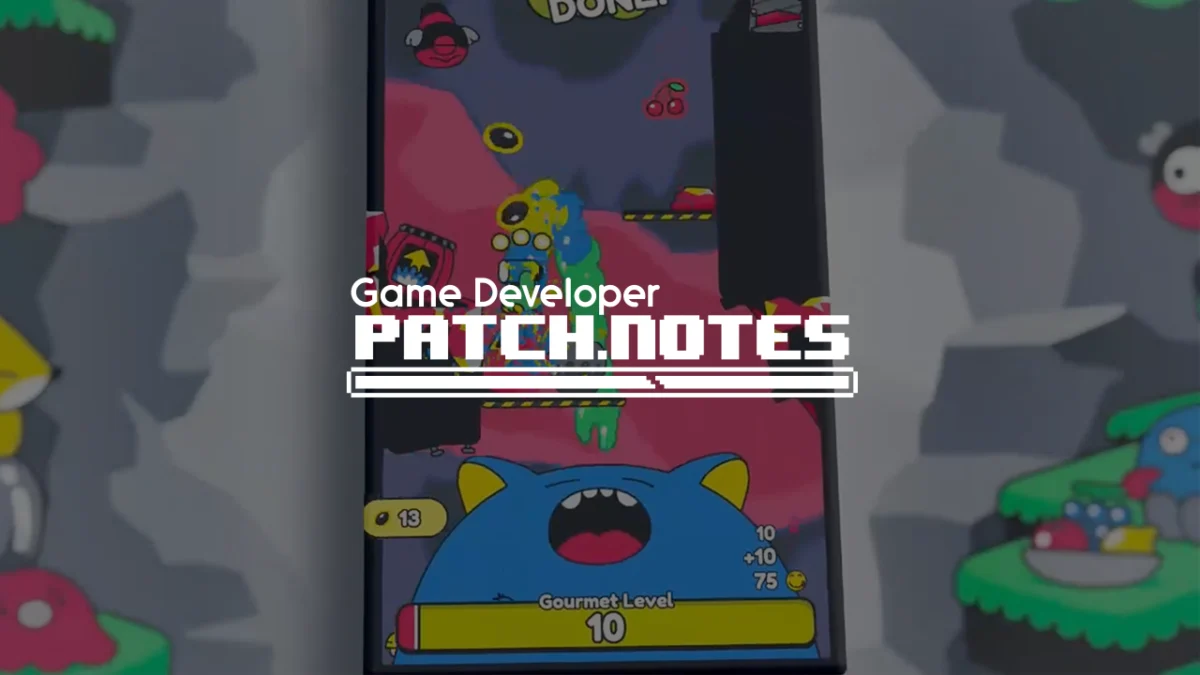
The tale of Poinpy, the critically acclaimed mobile platformer from Ojiro Fumoto, creator of the beloved Downwell, continues its remarkable journey. Initially lauded as an "all-timer" when it debuted on Netflix Games in 2022, the sumptuously named title faced an unfortunate fate last year when it was removed from the Netflix platform, a move that saddened its dedicated fanbase. However, the story of Poinpy was far from over. This week, to the immense relief and excitement of "Poinpheads" everywhere, Devolver Digital announced its return, making the game available for free on both iOS and Android platforms.
Poinpy‘s original exclusivity to Netflix Games was a significant coup for the streaming giant as it attempted to establish its presence in the gaming market. The game’s vibrant visuals, addictive vertical platforming mechanics, and Fumoto’s signature tight controls made it a standout title. Its removal highlighted the precarious nature of platform exclusivity and the challenges faced by services like Netflix in retaining content and subscribers in the competitive mobile gaming space. Devolver Digital, known for its strong curation of independent titles and its developer-friendly approach, stepping in to resurrect Poinpy is a testament to the game’s quality and its enduring appeal. The decision to release it for free makes it widely accessible, potentially introducing it to an even larger audience than its original Netflix run. This revival not only ensures the preservation of a highly regarded indie title but also reinforces the importance of independent publishers in championing unique creative visions and providing second chances for games to find their rightful audience. For the gaming community, it’s a cause for celebration—a beloved game, once lost, now freely available, proving that truly great experiences are indeed eternal.
The events of this week paint a vivid picture of an industry in constant flux. From the strategic maneuvers of corporate giants like Microsoft and the complex legal battles faced by Nintendo, to the ethical considerations surrounding massive acquisitions and the crucial fight for fair labor practices, the gaming world is navigating a landscape of profound change. Yet, amidst these macro-level shifts, the enduring spirit of creativity and community shines through, exemplified by the preservation efforts of the VGHF, the discovery of hidden development histories, and the triumphant return of cherished indie titles like Poinpy and resurgent cult classics like Freefall Racers. It is this dynamic interplay of commerce, innovation, and passion that continues to define and propel the world of interactive entertainment forward.
About the Author