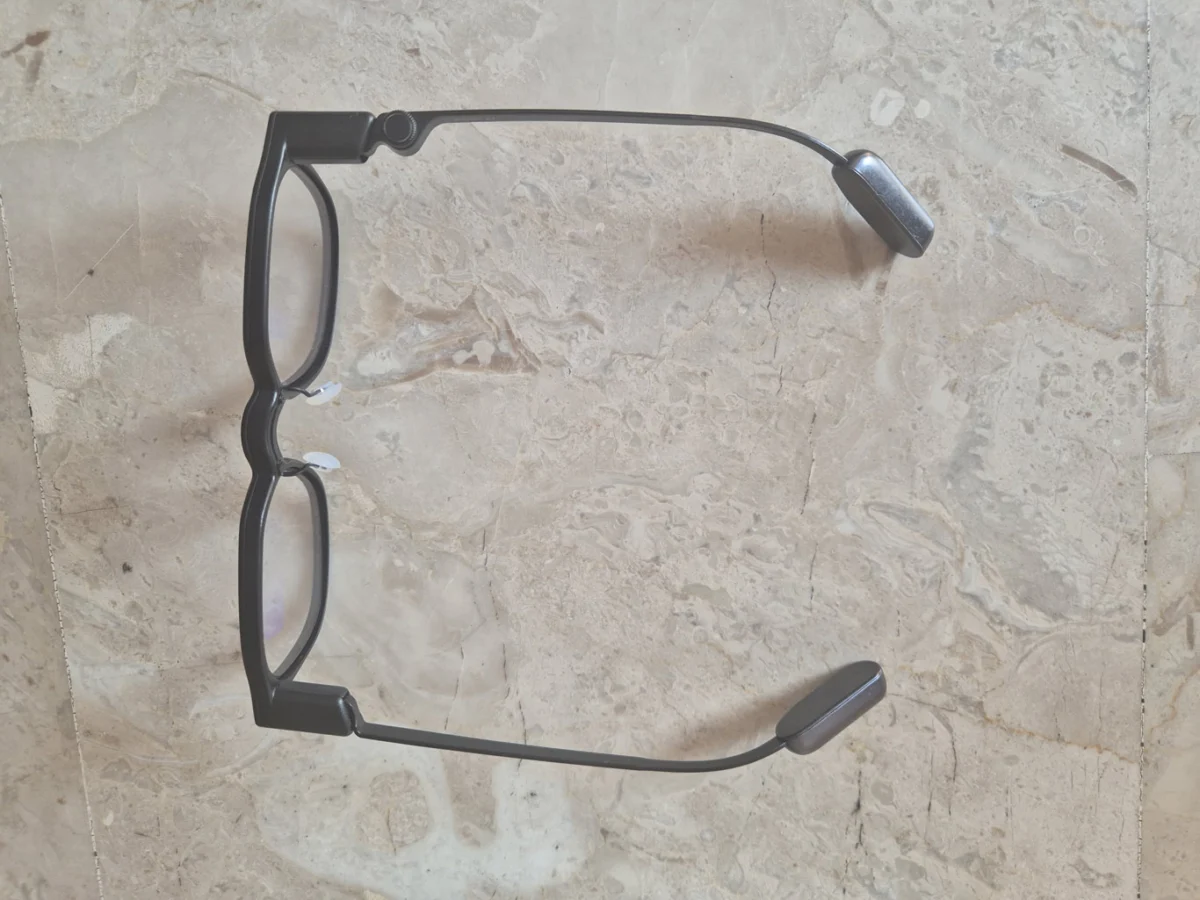
RayNeo, a specialized subsidiary of the global electronics giant TCL, has officially expanded its augmented reality portfolio with the launch of the RayNeo iO Smart Glasses. This new model represents a strategic shift in the wearable technology market, prioritizing privacy and productivity by deliberately omitting integrated cameras and external speakers. Marketed as an AI-driven "daily companion," the iO Smart Glasses are designed to provide a discreet heads-up display for notifications, live translation, and real-time transcription, positioning the device as a direct competitor to specialized productivity wearables like the Even Realities G2.

The release of the iO model follows the company’s previous high-end efforts, such as the RayNeo X3 Pro, which utilized advanced micro-LED technology. However, where previous iterations focused on immersive media consumption or photography, the iO model targets a niche of professionals, students, and individuals with hearing impairments who require data assistance without the social or privacy complications associated with face-mounted cameras.

Technical Specifications and Hardware Design
The RayNeo iO Smart Glasses distinguish themselves through an ultralight industrial design, weighing approximately 33 grams. This weight is comparable to standard high-end prescription eyewear, which typically ranges between 25 and 50 grams. By removing the camera modules and internal speakers, RayNeo engineers were able to achieve a thin frame profile that avoids the "bulky" aesthetic common in early-generation smart glasses.

The visual interface is powered by a dual monochrome waveguide display. Waveguide technology allows digital information to be projected onto the lens while maintaining a high degree of transparency for the wearer’s natural field of vision. The display provides a field of view (FOV) of approximately 23 degrees, which is optimized for text-based data such as notifications, teleprompter scripts, and captions. To ensure usability in varying environments, the display reaches a peak brightness of 1,200 nits, a specification intended to maintain legibility even under direct sunlight.

Interaction with the device is managed through a multi-modal interface. A physical rotating crown located on the temple of the glasses allows for manual navigation of menus, while a microphone array supports voice commands. Additionally, the glasses utilize an inertial measurement unit (IMU) to support gesture-based interactions, such as turning the display on by tilting the head upward.

Chronology of Development and Market Positioning
The development of the RayNeo iO reflects a broader trend in the wearable industry toward "invisible" technology. In 2023 and early 2024, the market saw a surge in camera-equipped glasses, most notably the Ray-Ban Meta series. While successful, those devices faced scrutiny regarding "surreptitious recording" and were banned in certain professional environments.

RayNeo’s timeline for the iO model suggests a deliberate pivot toward the "AI-first, camera-second" philosophy. By focusing on audio-to-text processing rather than image capture, the company aims to bypass the social friction of wearable tech. The device utilizes a companion application, the RayNeo AI app, which serves as the processing hub for the glasses, offloading intensive AI tasks to the user’s smartphone to preserve the glasses’ battery life and thermal efficiency.

Productivity Features and AI Integration
The core value proposition of the RayNeo iO lies in its suite of AI-integrated software applications. These features are designed to assist users in professional and social settings through real-time data processing.

Live Captions and Translation
One of the primary applications of the device is the Live Captions feature. Using the integrated microphone array, the glasses transcribe spoken dialogue into text displayed in the upper quadrant of the wearer’s vision. The software supports multiple languages, including English, Chinese, and Italian. For international communication, the AI provides near-instantaneous translation, allowing users to read a translated script of a conversation as it occurs. This feature has significant implications for accessibility, providing a portable assistive tool for the deaf and hard-of-hearing community.

Life Log and Smart Cues
The "Life Log" feature acts as a passive digital diary. When activated, the glasses record audio throughout the day, which the AI then transcribes and summarizes. This allows users to search their daily interactions for specific information, such as commitments made during a meeting or details from a casual conversation. Supplementing this is the "Live Cues" feature, currently in beta, which is designed to provide contextually relevant information automatically. For example, if a user mentions a specific topic or asks a factual question during a conversation, the AI attempts to display the answer or relevant data points without a formal search query.

Teleprompter Functionality
For public speakers and content creators, the device includes a teleprompter application. The software utilizes voice recognition to track the wearer’s progress through a script, automatically scrolling the text as it is read aloud. This allows for more natural eye contact during presentations, as the speaker does not need to look down at physical notes or a traditional teleprompter screen.

Battery Performance and Power Management
One of the most significant hurdles for smart eyewear is battery longevity. RayNeo claims the iO model can last up to two days under "normal usage" conditions. For intensive, continuous tasks such as live translation, the battery is rated for over six hours of active display time.

The device does not feature a standard USB-C port on the frames to maintain its thin profile. Instead, it utilizes a proprietary magnetic charging adapter that clips onto the nose bridge. This design choice allowed engineers to balance the weight more effectively across the bridge and temples, reducing the physical strain during long-term wear.

Privacy Implications and Data Management
While the absence of a camera addresses one aspect of privacy, the "always-listening" nature of the AI features introduces new considerations. To mitigate concerns, RayNeo has implemented a privacy LED on the temple that illuminates when the microphones are active. However, the company’s privacy policy acknowledges that data is processed via cloud servers to utilize high-performance AI models like Gemini Flash.

Official statements from RayNeo emphasize compliance with international data protection standards, including GDPR. Nevertheless, the company advises users to disclose the use of audio-recording features to those around them, highlighting the ongoing ethical evolution of AI wearables in public spaces.

Broader Impact and Market Outlook
The launch of the RayNeo iO Smart Glasses at a price point of $499 to $549 signals a move to capture the professional productivity market. While cheaper than high-end AR headsets like the Apple Vision Pro, the iO is priced as a premium accessory.

Industry analysts suggest that the success of camera-free smart glasses will depend heavily on the accuracy of their AI summaries and the comfort of their displays. The "heads-up" nature of the iO display, while non-obtrusive, requires users to look slightly upward, a factor that may influence user ergonomics over extended periods.

As AI models become more integrated into daily hardware, devices like the RayNeo iO represent a transition point. They move away from the "novelty" of early smart glasses and toward functional utility, focusing on the augmentation of human memory and communication rather than simply capturing media. For the hearing impaired and professionals in high-communication environments, the RayNeo iO provides a glimpse into a future where information is seamlessly layered over the physical world without the need for traditional screens.
About the Author