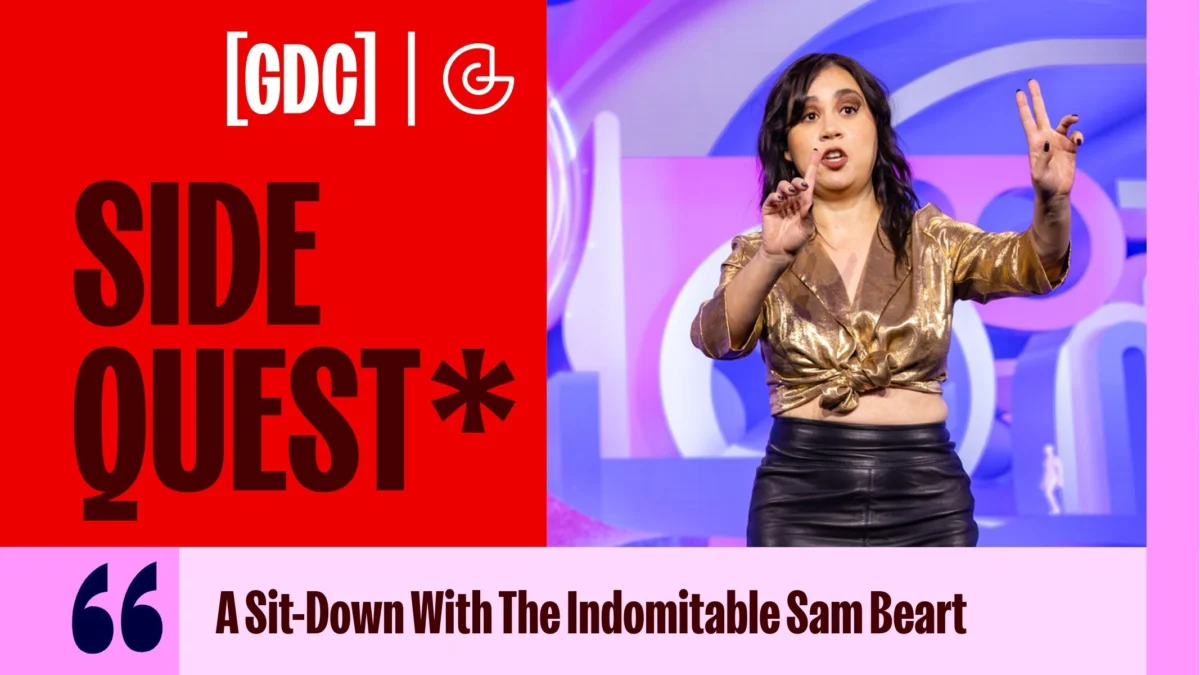
The digital entertainment landscape continues to be shaped by groundbreaking performances and innovative development, a topic extensively explored in the latest installment of GDC Side Quest, a special series from the Game Developer Podcast. This month, the episode features acclaimed actor Samantha Béart, celebrated for her powerful portrayal of Karlach, the beloved tiefling barbarian, in Larian Studios’ monumental role-playing game, Baldur’s Gate III. Recorded live on the vibrant show floor of the GDC Festival of Gaming, the conversation, led by GDC Content Marketing Manager Beth Elderkin, delves into Béart’s multifaceted craft, speculates on the intriguing potential of a Baldur’s Gate III television adaptation, and offers critical observations on fostering deeper actor participation within the intricate game development process. Beyond her iconic role in Baldur’s Gate III, Béart’s significant contributions extend to titles such as Cloak and Dagger Games’ atmospheric The Excavation of Hobbs Barrow and IO Interactive’s enigmatic 007 First Light, showcasing her versatile talent across diverse gaming genres.
The Ascendance of Baldur’s Gate III and Karlach’s Enduring Legacy
The year 2023 marked a watershed moment in the history of video games with the release of Baldur’s Gate III. Developed by the renowned Belgian studio Larian Studios, the game quickly transcended mere critical acclaim to become a cultural phenomenon, garnering numerous Game of the Year awards, including the coveted title at The Game Awards 2023, and achieving unprecedented commercial success. Its intricate narrative, player-driven choices, and richly developed characters resonated deeply with both long-time fans of the Dungeons & Dragons universe and newcomers to the RPG genre. A significant pillar of this success lies in its compelling cast of companions, among whom Karlach stands out as a particularly cherished figure.
Karlach, the infernal engine-hearted tiefling barbarian, captured the hearts of millions with her fiery spirit, profound vulnerability, and unyielding optimism despite her tragic circumstances. Samantha Béart’s performance imbued Karlach with an authenticity and emotional depth that made her struggles and triumphs profoundly impactful. The character’s popularity is a testament to the evolving importance of strong voice acting and performance capture in modern interactive entertainment. Players formed deep connections with Karlach, experiencing her journey from a tormented soldier to a beacon of hope and resilience. This level of character engagement underscores how exceptional voice and performance acting can elevate a game from a mere sequence of events to a deeply personal and memorable experience. Béart’s ability to convey Karlach’s complex emotional spectrum—from her warrior’s rage to her yearning for affection and her quiet despair—was instrumental in cementing the character’s status as one of gaming’s most iconic figures.
Samantha Béart’s Journey: Mastering the Art of Performance in Gaming
Samantha Béart’s career path exemplifies the modern actor’s versatility, navigating traditional stage and screen roles alongside the increasingly sophisticated demands of video game performance. Her training and background have equipped her with a robust toolkit for character development, whether through vocal inflections, physical embodiment via motion capture, or a combination of both. In the context of video games, the craft extends beyond simply reading lines; it often involves extensive collaboration with writers, directors, and animators to shape a character from inception.
Her work on The Excavation of Hobbs Barrow, a critically praised point-and-click adventure game, demonstrated her capacity to create compelling characters within a more narrative-driven, voice-over heavy format. This contrasts sharply with the demands of a project like 007 First Light, which, given the nature of the James Bond franchise and its typical AAA production values, likely involved a significant degree of performance capture, integrating voice, facial expressions, and body movements into a seamless digital representation. These diverse experiences highlight Béart’s adaptability and her understanding of the distinct technical and artistic requirements across different gaming genres and production scales.
For Baldur’s Gate III, Béart’s performance as Karlach was a masterclass in blending raw emotion with the physical demands of a barbarian. This involved not only delivering powerful dialogue but also participating in full performance capture sessions, where her movements, expressions, and voice were simultaneously recorded to animate the digital character. Such a process requires immense stamina, imaginative engagement with non-existent environments and characters, and the ability to maintain emotional continuity across potentially disparate recording sessions. Her discussion on the Game Developer Podcast likely touched upon these nuances, offering valuable insights into the contemporary actor’s process in an industry that increasingly blurs the lines between traditional acting and digital artistry.
The Game Developer Podcast and GDC Side Quest: A Hub for Industry Dialogue
The Game Developer Podcast serves as a crucial bi-weekly platform for chronicling the dynamic world of game development. Hosted by Bryant Francis, with editing by Pierre Landriau and music by Mike Meehan, the podcast’s core mission is to share invaluable lessons and strategies, offering a candid look at the triumphs, catastrophes, and myriad experiences that shape the creation of video games. It acts as an essential resource for aspiring and seasoned developers alike, fostering a community of knowledge-sharing and continuous improvement.
GDC Side Quest, the specific series featuring Béart, extends this mission by bringing listeners directly to the heart of the industry’s most significant events. Recorded live at the GDC Festival of Gaming, these episodes capture the immediate energy and pressing conversations happening within the community. The GDC Festival of Gaming, historically known as the Game Developers Conference, is one of the premier annual events for professional game developers. Typically held in San Francisco, California, it draws tens of thousands of attendees from around the globe, including programmers, artists, producers, game designers, audio professionals, business decision-makers, and others involved in the development of interactive games. The conference features a diverse program of lectures, panels, tutorials, and roundtables on a comprehensive selection of game development topics, alongside an expo floor showcasing the latest tools and services.
The decision to record GDC Side Quest episodes live on the show floor, as was the case with Béart’s interview, immerses listeners in the authentic atmosphere of the festival. This practice also allows for more spontaneous and timely discussions, reflecting the immediate concerns and excitements of the industry. Beth Elderkin, as the GDC Festival of Gaming Marketing Manager and host of GDC Side Quest, plays a pivotal role in curating these engaging conversations, ensuring that they provide both entertainment and substantive insight into the craft and business of game development. The podcast, through its various series, reinforces its commitment to being a central voice in the ongoing dialogue surrounding game creation and its future direction.
The Horizon of Adaptations: Baldur’s Gate III as a Television Series
One of the most compelling segments of Béart’s interview revolved around the hypothetical prospect of a Baldur’s Gate III television show. This discussion arrives amidst a burgeoning trend of video game adaptations successfully transitioning to other media, demonstrating unprecedented critical and commercial resonance. Recent successes such as HBO’s The Last of Us, Netflix’s Arcane, and Amazon Prime Video’s Fallout have shattered previous perceptions that video game adaptations were inherently cursed, proving that with careful stewardship, compelling narratives can translate effectively across platforms.
Baldur’s Gate III presents both immense opportunities and unique challenges for adaptation. Its rich lore, drawn from decades of Dungeons & Dragons history, offers a vast universe for storytelling. The game’s compelling ensemble cast, intricate character relationships, and high-stakes narrative arcs—from battling mind flayers to confronting ancient evils—are ripe for dramatic interpretation. However, adapting a game renowned for player agency and diverse narrative paths poses a significant hurdle. Unlike linear narratives, Baldur’s Gate III allows players to shape their own stories, make moral choices with far-reaching consequences, and form unique bonds with companions. A television adaptation would necessitate making definitive choices, potentially alienating some fans who cherish their specific playthroughs.
Samantha Béart’s insights, as an actor deeply embedded in the game’s world and character, would be invaluable in navigating such a transition. She could offer perspectives on maintaining the core essence of Karlach and other characters while streamlining the narrative for a passive viewing experience. The implications for actors like Béart are significant; a TV series could offer them the chance to reprise their roles in a different medium, bringing a familiar voice and presence to the screen. Alternatively, it could introduce new interpretations, sparking debate among the dedicated fanbase. Regardless of the outcome, the very discussion underscores the growing recognition of video games as powerful narrative vehicles capable of inspiring cross-media storytelling. Industry analysts suggest that if an adaptation were to proceed, its success would hinge on a delicate balance: honoring the source material’s spirit, capturing its unique tone, and making bold, yet respectful, narrative decisions.
Enhancing Actor Participation in Game Development: A Collaborative Future
Béart’s observations on how actors can "better participate" in the game development process are particularly timely and significant. Historically, voice actors were often brought in late in the development cycle, performing lines in isolation with limited context. However, as games have become more cinematic and character-driven, the role of the actor has expanded dramatically. Modern game development increasingly utilizes performance capture, where actors embody their characters physically as well as vocally, providing a holistic performance that informs animation, cinematic direction, and even game design.
Béart’s perspective likely advocates for earlier and deeper integration of actors into the creative pipeline. This could mean involving them in script read-throughs, character workshops, and even early playtesting sessions. Such early involvement allows actors to contribute not just their performance, but also their creative input on character motivations, dialogue nuances, and the emotional arc of the story. For example, an actor intimately familiar with their character might offer suggestions that enhance the authenticity of a scene or dialogue exchange, informed by their deep understanding of the character’s psychology.
The implications of increased actor participation are multifaceted. For game developers, it can lead to more authentic and believable characters, richer narrative experiences, and a more streamlined production process as potential issues are identified and addressed earlier. For actors, it represents a greater recognition of their artistic contributions beyond mere vocal delivery, positioning them as integral creative partners. This shift aligns with broader industry movements towards more collaborative and interdisciplinary development methodologies. It also reflects a growing appreciation for the specialized skills actors bring to the table, particularly in a medium that demands both technical precision and profound emotional resonance. The dialogue sparked by Béart’s comments could contribute to establishing new best practices and fostering a more symbiotic relationship between performers and game creators, ultimately leading to more compelling and immersive gaming experiences.
Broader Impact and the Evolving Landscape of Digital Entertainment
The insights shared by Samantha Béart on the Game Developer Podcast extend beyond the specifics of Baldur’s Gate III or her individual career. They touch upon fundamental shifts within the digital entertainment industry. The discussion highlights the professionalization of voice and performance acting in video games, moving from a niche skill to a highly valued craft that demands recognition and respect. It underscores the blurring lines between traditional entertainment mediums and interactive ones, as games increasingly adopt cinematic storytelling techniques and attract high-caliber acting talent.
The continuous dialogue facilitated by platforms like the Game Developer Podcast, alongside major industry events like the GDC Festival of Gaming, is crucial for fostering innovation, sharing best practices, and addressing the evolving challenges and opportunities within game development. The relationship between Game Developer and the GDC Festival of Gaming, as "sibling organizations under Informa Festivals," signifies a unified effort to disseminate knowledge and connect professionals across the industry. This synergy ensures that critical discussions, whether on the craft of acting, the business of game development, or the future of interactive storytelling, reach a broad and engaged audience.
As the industry continues its rapid evolution, embracing new technologies and creative paradigms, the role of the human element—the performances that bring characters to life, the narratives that captivate, and the collaborative spirit that drives innovation—remains paramount. Béart’s interview is a timely reminder that while technology provides the canvas, it is human artistry that truly paints the masterpiece. For those interested in delving deeper into the nuances of vocal performance in gaming, the Game Developer Podcast also offers related content, such as the episode exploring "The craft of voice acting with Jennifer Hale," further cementing its commitment to comprehensive industry coverage.
For ongoing updates and further insights into the world of game development, readers and industry professionals are encouraged to follow Game Developer on Bluesky or LinkedIn, where they continue to share groundbreaking news, analyses, and exclusive interviews. The industry awaits with keen interest how the seeds of these discussions, particularly concerning actor involvement and cross-media adaptations, will blossom in the years to come, shaping the next generation of interactive and immersive entertainment.
About the Author