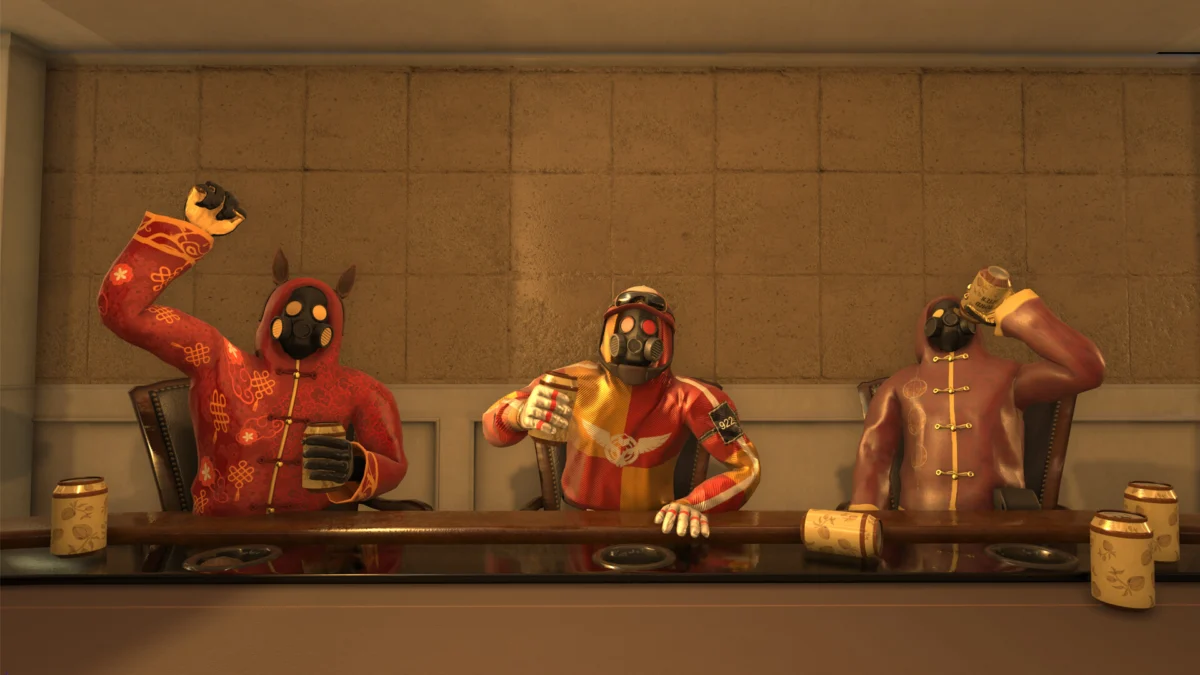
Secret Mode, the dynamic publisher known for titles such as Escape the Backrooms, Chained Together, and the eagerly anticipated Star Wars: Galactic Racer, has announced the opening of a dedicated development studio in Sheffield. This strategic expansion is designed to provide robust in-house support for its growing portfolio, focusing on enhancing existing games, facilitating multi-platform porting, and offering supplementary aid to its network of external developers. The establishment of this new studio marks a significant step in Secret Mode’s evolution as an independent publisher, cementing its commitment to long-term game health and player engagement.
The announcement, delivered via an official press release today, outlines a clear mandate for the new Sheffield-based team. Its core responsibilities will encompass the delivery of post-launch updates and downloadable content (DLC) for titles under the Secret Mode banner, ensuring sustained player interest and extending the lifespan of its games. Furthermore, the studio will be instrumental in managing the complex process of porting games to new platforms, expanding reach to a wider audience across various ecosystems. Crucially, the team will also be tasked with maintaining codebases and providing supplementary development support to Secret Mode’s external development partners, a move that underscores the publisher’s collaborative approach to game creation and its dedication to fostering successful relationships with its studios.
Leadership and Vision for the New Studio
At the helm of this new venture will be Dan Secker, Secret Mode’s Vice President of Technology and Operations, who will lead the studio with a clear vision for its technical and strategic direction. He will be joined by Jacob Habgood, appointed as the Technical Development Director, bringing a wealth of experience and a deep understanding of game development processes. Both leaders are highly regarded within the industry, with a track record of successful collaboration and innovation.
Ed Blincoe, CEO and Co-founder of Secret Mode, expressed profound confidence in the chosen leadership. "We’ve worked closely with Dan and Jacob over the years at Sumo and Jake led the team developing our football management game NUTMEG!, so we’re certain they will be the perfect pair to lead this new initiative for us," Blincoe stated. This endorsement highlights the existing synergy and trust within the leadership, positioning the studio for effective and cohesive operation from its inception. Secker’s background in development positions him uniquely to understand the needs of both internal and external teams, aiming to build a responsive and effective support structure. "Coming from a development background, I wanted to build a team dedicated to keeping Secret Mode’s games thriving, bringing them to new platforms for a wider audience and keeping players engaged long after launch," Secker articulated, emphasizing a player-centric and forward-thinking approach to game lifecycle management.
Habgood, reflecting on the choice of location, underlined Sheffield’s enduring appeal as a hub for creative talent. "Sheffield has been an important part of my own journey in games, and it continues to be a place where creativity and talent can flourish," Habgood remarked. "There is a genuine community here, bringing together experienced developers, universities and the next generation entering the industry. I cannot think of a better place to build this team." His statement not only justifies the strategic location but also points to the rich ecosystem of talent and educational institutions that Sheffield offers, promising a fertile ground for recruitment and growth for the new studio.
Sheffield: A Thriving Epicenter of Game Development
Sheffield’s selection as the location for Secret Mode’s new studio is far from arbitrary; it is a city with a distinguished and growing legacy in the video game industry. Often referred to as part of the "Northern Powerhouse" for creative and digital industries, Sheffield has cultivated a vibrant ecosystem that fosters innovation and talent. The city boasts a number of established game development studios, alongside a robust network of educational institutions, including Sheffield Hallam University, which offers highly regarded courses in game design and development. This academic pipeline consistently supplies the industry with fresh talent, making Sheffield an attractive location for companies looking to expand and innovate.
The presence of a strong local community of developers, combined with supportive regional initiatives, creates an environment conducive to growth. For Secret Mode, tapping into this talent pool means access to experienced professionals and emerging graduates, crucial for building a high-performing team capable of tackling the diverse technical challenges associated with live service games and multi-platform porting. The city’s affordability compared to other major UK cities like London or Guildford also presents a compelling business case, allowing for greater investment in talent and infrastructure. This strategic choice aligns with a broader trend in the UK games industry of decentralizing development hubs beyond the traditional South East, fostering regional economic growth and diversifying the talent landscape.
Secret Mode’s Journey to Independence and Strategic Evolution
To fully appreciate the significance of this new studio, it is essential to contextualize Secret Mode’s journey within the broader landscape of the video game industry, particularly its origins and subsequent spin-off from Sumo Group. Secret Mode initially launched in 2021 as the publishing division of Sumo Group, a prominent UK-based video game developer. At its inception, the division was tasked with publishing both in-house projects developed by Sumo’s various studios and independent titles, aiming to leverage Sumo’s extensive development expertise to guide promising games to market.
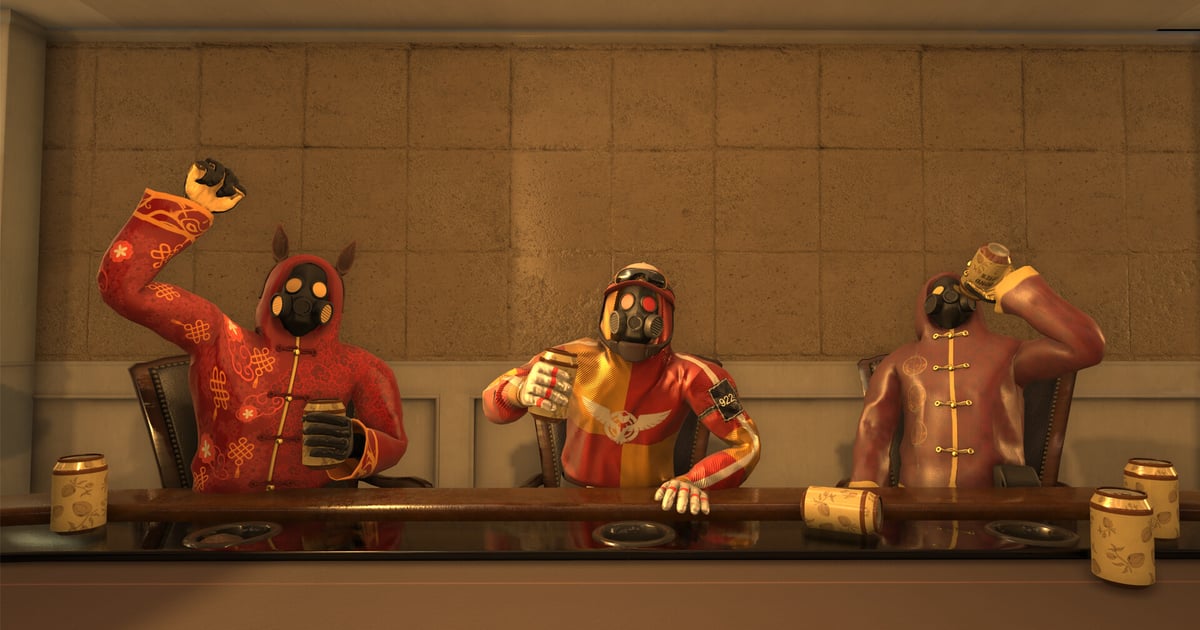
However, the industry saw a significant shift when Sumo Group, which includes acclaimed studios like Sumo Digital, Atomhawk, and Pipeworks Studios, was acquired by Chinese tech giant Tencent in 2021 for approximately £919 million (around $1.27 billion USD). This acquisition positioned Sumo Group as a subsidiary within Tencent’s vast global entertainment empire. Following this major corporate restructuring, Secret Mode embarked on a path to independence, officially splitting from Sumo Group early last year. This separation was a pivotal moment, transforming Secret Mode into a standalone publisher capable of charting its own course.
The transition to independence, while strategically vital for Secret Mode’s long-term autonomy and identity, was not without its challenges. The company confirmed a "small number" of layoffs at the time of the split, without providing exact figures, a common occurrence during significant corporate restructuring. This period of adjustment underscored the complexities of navigating independence in a highly competitive market.
The context of these events is further informed by broader industry trends. Sumo Group itself, despite being a Tencent subsidiary, announced layoffs affecting an unspecified number of employees in February of this year. This decision followed a consultation process and was attributed to the necessity of adapting to "ongoing instability" within the market. Such instability, characterized by shifting consumer preferences, increased development costs, and intense competition, has led to a wave of layoffs across the video game industry globally in recent years, impacting both large publishers and independent studios. This backdrop highlights the importance of strategic planning and diversification, which Secret Mode’s new studio aims to address by building a resilient, in-house support system.
Strategic Implications and Broader Industry Context
The establishment of Secret Mode’s Sheffield studio carries several significant implications, both for the publisher itself and for the wider video game industry. Primarily, it signifies a strong commitment to the long-term health and profitability of its game portfolio. In an era dominated by "games as a service" models and continuous content updates, having a dedicated internal team for post-launch support is a critical competitive advantage. This approach ensures that games like Escape the Backrooms and Chained Together can receive timely updates, bug fixes, and new content, keeping their player communities engaged and extending their commercial viability. For an upcoming title like Star Wars: Galactic Racer, this in-house capability will be invaluable from day one, allowing for agile responses to player feedback and evolving market demands.
Moreover, the focus on multi-platform porting is strategically vital for maximizing market reach. The console and PC gaming markets, while robust, are constantly evolving, with new platforms and distribution channels emerging. A dedicated porting team ensures that Secret Mode’s titles can swiftly adapt to new hardware generations, emerging cloud gaming services, and diverse operating systems, thereby unlocking new revenue streams and expanding audience demographics. This capability reduces reliance on external porting houses, offering greater control over quality, timelines, and cost efficiencies.
The provision of additional support to external developers also strengthens Secret Mode’s position as a publisher of choice. Many independent developers, particularly smaller studios, often lack the resources for extensive post-launch support, technical maintenance, or complex porting initiatives. By offering these services in-house, Secret Mode adds significant value to its publishing agreements, potentially attracting higher-quality projects and fostering deeper, more symbiotic relationships with its development partners. This model creates a more stable and supportive environment for creativity to flourish, mitigating some of the common risks associated with independent game development.
From a broader industry perspective, Secret Mode’s move reflects a growing trend among publishers to internalize key operational functions that were once frequently outsourced. This "insourcing" strategy can lead to improved quality control, better communication, and a more integrated development pipeline. It also contributes to the professionalization and stabilization of the games industry, particularly in regional hubs like Sheffield, by creating skilled, long-term employment opportunities. The investment in a new studio, especially amidst a period of industry instability and layoffs elsewhere, also sends a positive signal about Secret Mode’s confidence in its future and its strategic resilience.
The UK games industry, a significant contributor to the national economy, continues to attract investment and foster innovation. Government initiatives, such as Video Games Tax Relief, have played a crucial role in supporting growth and attracting both domestic and international studios. Secret Mode’s decision to expand in Sheffield further reinforces the UK’s reputation as a global leader in game development and contributes to the ongoing economic vitality of its regional creative sectors.
Conclusion
Secret Mode’s decision to establish a dedicated development studio in Sheffield represents a calculated and forward-thinking move to solidify its position as a dynamic and independent publisher. By centralizing critical functions such as live service support, multi-platform porting, and developer assistance, the company is investing in the long-term success and sustainability of its diverse game portfolio. Under the experienced leadership of Dan Secker and Jacob Habgood, and strategically located within Sheffield’s thriving game development ecosystem, the new studio is poised to become a cornerstone of Secret Mode’s operational strategy. This expansion not only enhances the publisher’s capabilities but also underscores its commitment to fostering innovation, supporting its creative partners, and delivering engaging experiences to a global audience, all while contributing positively to the UK’s robust and evolving games industry.
About the Author