The global mobile gaming landscape in the first half of 2026 presents a complex picture of a maturing market grappling with shifting user behaviors and intensifying competition for player attention. According to the latest Gaming Digital Market Index Report from Sensor Tower, global in-app purchase (IAP) revenue reached $40 billion during the first six months of the year. While this figure represents a significant sum, it marks a 2% year-on-year decline, signaling a period of stabilization following the volatile growth cycles seen in the early 2020s. Perhaps more concerning for developers is the continued slump in discovery and acquisition; total downloads fell by 12% to 24 billion, continuing a downward trajectory that has particularly impacted the casual gaming segment.
The Macroeconomic Shift: Revenue Resilience vs. Download Fatigue
The 2% dip in IAP revenue suggests that while core players remain willing to spend, the influx of new, high-spending users is slowing down. This trend is inextricably linked to the broader contraction in downloads. The casual gaming sector, once the engine of mobile growth, has seen its download numbers nearly halved over a five-year period. In the first half of 2021, casual games garnered 11.2 billion downloads; by the first half of 2026, that figure plummeted to 6.34 billion.
Analysts attribute this decline to several factors, including market saturation, the long-term effects of privacy changes such as Apple’s App Tracking Transparency (ATT), and a shift in consumer preference toward deeper, mid-core experiences that offer more substantial long-term engagement. Despite the drop in downloads, the industry’s financial backbone remains firm, largely supported by legacy titles and a more aggressive approach to monetization through LiveOps and external web shops.

The Advertising Evolution: A Rising Cost of Engagement
In a market where organic discovery is becoming increasingly difficult, advertising spend has become the primary lever for growth. Digital ad spend for gaming rose 8% to $7 billion in H1 2026. This increase occurred alongside a 14% rise in ad impressions, which reached a staggering 1.4 trillion across 18 digital channels in 41 monitored markets.
The data reveals a tightening grip on the advertising ecosystem by two major players: AppLovin and Google’s AdMob. Together, these platforms now control 65% of all gaming ad revenue, an increase from 61% at the start of the year. This duopoly highlights the importance of sophisticated algorithmic targeting in an era where user data is harder to come by. Meanwhile, YouTube continues to dominate as the premier channel for gaming video content, maintaining a 27% global share of ad impressions, proving that video-first discovery remains the most effective way to reach modern gamers.
The Supercell Phenomenon: Hay Day’s Historic Milestone
One of the most remarkable stories of 2026 is the resurgence of Supercell’s farming simulator, Hay Day. On May 1, 2026, a full thirteen years after its initial release in 2013, the game achieved a new daily revenue high of $1 million. This feat is a testament to the power of sophisticated LiveOps and the enduring appeal of well-maintained legacy intellectual properties.
The record-breaking day was the result of a meticulously planned "mega-event" that combined multiple engagement layers. Supercell deployed a single-day push that integrated two simultaneous collection events, a specialized task reward system, a linked exchange shop, and a suite of more than six limited-time special offers. This "dense" LiveOps strategy successfully converted long-term players into active spenders, pushing Hay Day’s lifetime revenue past the $1.5 billion mark.

The success of Hay Day is not an isolated incident but part of a broader trend within the farming subgenre. The category as a whole saw revenue grow by 15% year-on-year, totaling $576 million in H1 2026. Hay Day remains the undisputed leader of this niche, accounting for 13% of the subgenre’s total revenue.
July 2026 Performance: Pokémon Go and the Power of Anniversaries
The month of July 2026 saw a dramatic reshuffling of the top-grossing charts, led by a massive surge for Niantic and Scopely’s Pokémon Go. Celebrating its 10th anniversary, the location-based AR title reclaimed its position as a top-tier earner, topping Sensor Tower’s revenue growth charts and finishing second only to Tencent’s Honor of Kings in total monthly IAP revenue.
The anniversary celebrations included the flagship "Go Fest" event, which combined physical and digital components, alongside community days and the "Road of Legends" live operation. This surge demonstrates that even a decade into its lifecycle, a strong IP combined with community-focused events can drive massive financial returns.
Other notable performers in July included:

- Zenless Zone Zero: HoYoverse’s latest title continued to show strong momentum, benefiting from high-quality content updates.
- Goddess of Victory: Nikke: Persistent popularity in the Asian markets drove steady growth.
- Hololive Dreams: A new entry that successfully leveraged the massive "VTuber" fan base to break into the growth charts.
On the download front, the market was influenced by global sporting events. The 2026 World Cup drove a significant spike in interest for football-themed titles. Soccer Superstar, Football League 2026, EA Sports FC Mobile, and Konami’s eFootball all secured spots in the top ten most-downloaded games for the month. However, the top of the charts remained dominated by "evergreen" titles like Roblox, Free Fire, and the viral puzzle hit Block Blast.
Krafton’s Financial Triumph: The PUBG Empire Expands
Krafton, the South Korean giant behind the PUBG franchise, reported record-breaking results for the first half of 2026. The company’s mobile division, which includes PUBG Mobile, Battlegrounds Mobile India (BGMI), and the Chinese version Peacekeeper Elite, saw revenue rise 20.2% year-on-year to $810 million (approximately ₩1,153.7 billion).
This mobile success contributed to a total company revenue of $1.87 billion (₩2.7 trillion), representing a staggering 73.3% increase compared to the same period in 2025. While the mobile sector remains the primary engine, Krafton’s diversification efforts are beginning to pay off. The Early Access launch of Subnautica 2 on PC was a standout success, selling over 5 million units in a short window.
Krafton’s operating profit for H1 2026 reached $683 million (₩972.5 billion), a 38.3% increase year-on-year. Remarkably, the company achieved 92% of its total 2025 operating profit in just the first six months of 2026. This financial health provides Krafton with a significant war chest for future acquisitions and R&D, particularly as it looks to expand its presence in the Indian market through BGMI.

China’s Regulatory Environment: Normalization and Opportunity
The Chinese gaming market, the largest in the world, continues to show signs of regulatory stability. On July 23, 2026, the National Press and Publication Administration (NPPA) issued 197 new game licenses (ISBNs), marking the sixth batch of approvals for the year. This latest release included 193 domestic titles and four imported games.
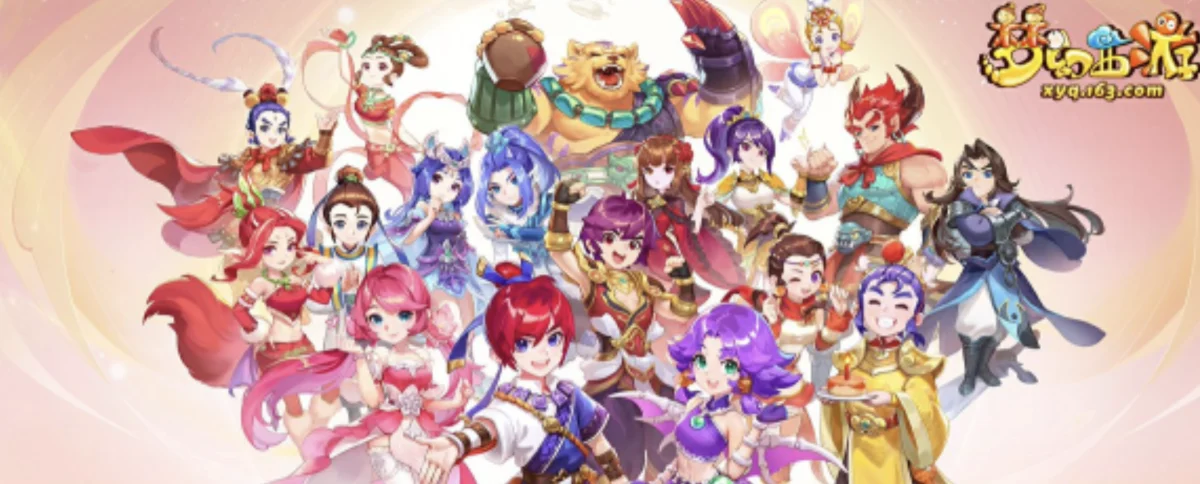
The July batch was heavily skewed toward mobile platforms, which accounted for 175 of the domestic approvals and three of the four imports. Notable approvals included a new mobile iteration of NetEase’s legendary "Fantasy Westward Journey" and the mobile version of "Aion Classic" from Shengqu and NCsoft.
By the end of July 2026, the NPPA had approved a total of 1,110 domestic games and 37 import titles for the year. This steady cadence of approvals is a welcome development for the industry, providing a clearer roadmap for major publishers like Tencent and NetEase, who had previously faced years of uncertainty regarding new releases.
Broader Impact and Industry Outlook
As the industry moves into the second half of 2026, the data points to a "survival of the fittest" environment. The decline in downloads suggests that the era of "easy growth" through hyper-casual titles is largely over. Instead, the market is favoring developers who can sustain long-term engagement through sophisticated LiveOps, brand partnerships, and community building.

The rise in ad spend and the consolidation of the ad tech market indicate that the cost of doing business is rising. Smaller developers may find themselves squeezed as the giants—AppLovin, Google, and major publishers like Krafton and Supercell—utilize their massive data sets and capital to dominate the user acquisition funnel.
However, the resilience of games like Hay Day and Pokémon Go provides a blueprint for longevity. The future of mobile gaming appears to lie in the "service-first" model, where the initial download is merely the beginning of a decade-long relationship between the developer and the player. With China’s market opening up and major franchises like PUBG showing no signs of slowing down, the mobile sector remains the most dynamic and financially significant segment of the global entertainment industry, even as it navigates a period of structural change.
About the Author