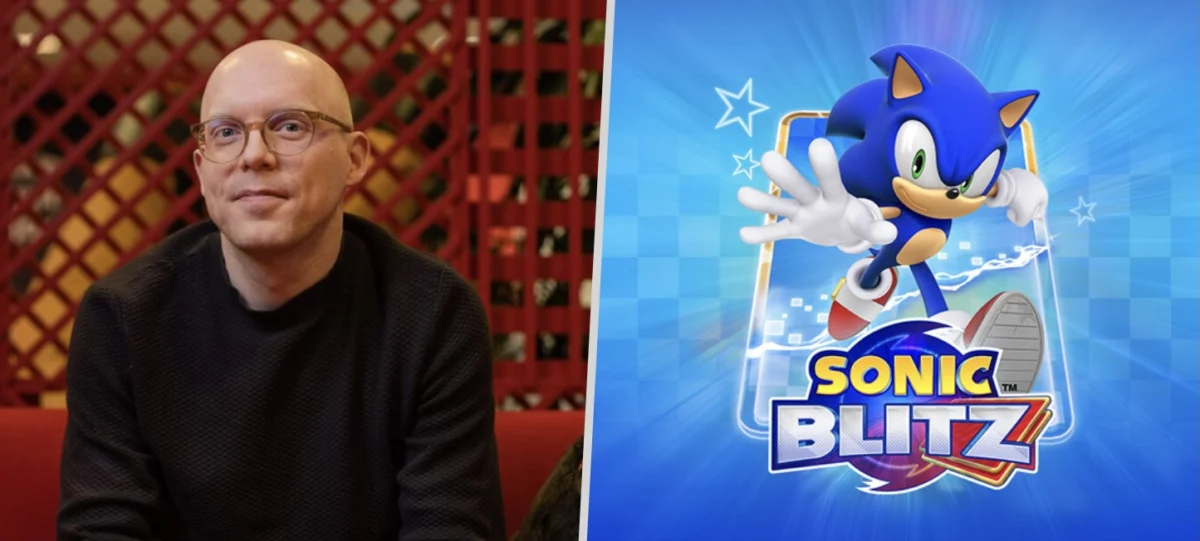
The mobile gaming landscape has witnessed another significant consolidation of resources as Rovio Entertainment, the Sega-owned developer famous for the Angry Birds franchise, announced the complete closure of its Copenhagen-based studio. This strategic retreat follows the internal cancellation of Sonic Blitz, a high-profile mobile title that attempted to blend the high-speed platforming of the Sonic the Hedgehog IP with modern collectible card game (CCG) mechanics. The decision marks a pivotal moment in the post-acquisition era of Rovio, reflecting a tightening of operational focus amid a volatile global gaming market.
The closure will result in the discontinuation of all Rovio operations within Denmark. While the company has not yet finalized the exact number of redundancies due to ongoing legal and administrative processes, it confirmed that approximately 20 employees were directly involved in the development of Sonic Blitz. The studio’s dissolution is part of a broader "concentration of bets," a strategy intended to streamline development efforts toward projects with higher long-term retention potential and market viability.
The Strategic Context of the Copenhagen Closure
Rovio’s presence in Copenhagen was seen as a key component of its European expansion, but the studio’s fate became intertwined with the performance of its primary project, Sonic Blitz. The game was an ambitious hybrid, designed to bridge the gap between the "endless runner" genre—a staple for the Sonic brand on mobile—and the deep monetization and engagement layers found in collectible card games.
According to a spokesperson for Rovio, the decision to shutter the Danish office was "extremely difficult," particularly in light of the current economic pressures facing the interactive entertainment industry. To mitigate the impact on the affected workforce, Rovio has pledged a comprehensive transition package. This includes financial support, wellbeing services, and outplacement assistance aimed at helping the 20-person team secure new roles within the competitive Scandinavian or global development hubs.
The closure is also a reflection of the evolving relationship between Rovio and its parent company, Sega Sammy Holdings. Sega acquired Rovio in August 2023 for approximately €706 million ($776 million), with the explicit goal of utilizing Rovio’s "Beacon" platform—a sophisticated suite of tools for user acquisition and live-service management—to elevate Sega’s existing intellectual properties on mobile platforms. Sonic Blitz was one of the first major tests of this synergy, making its cancellation and the subsequent studio closure a notable setback for the partnership’s early roadmap.
The Rise and Fall of Sonic Blitz: A Timeline of Development
Sonic Blitz entered the public eye through a series of soft launches beginning in mid-2024. The project was conceived as a way to evolve the formula established by previous mobile hits like Sonic Dash and Sonic Forces: Speed Battle. By integrating a card-collection meta-game, the developers hoped to provide a "collectible meta" that would encourage daily logins and long-term player investment, moving beyond the transient nature of standard arcade runners.
Soft Launch Performance and Geographical Data
Data provided by market intelligence firm AppMagic reveals that during its testing phase, Sonic Blitz accumulated over 200,000 downloads. The vast majority of this early user base was located in Brazil, a traditional stronghold for mobile gaming testing due to its high volume of Android users and representative engagement patterns. A smaller percentage of players was also tracked in the Philippines.
Despite the respectable download figures for a soft-launch title, the internal metrics—specifically player retention—failed to meet the rigorous benchmarks set by Rovio’s management. In the mobile gaming industry, "Day 30" and "Day 90" retention rates are often the ultimate arbiters of a game’s survival. If players do not continue to engage with the "meta-game" (in this case, the card collection and character progression) after the initial novelty of the runner mechanics wears off, the high costs of user acquisition make the project unsustainable.
Technical Concept vs. Player Engagement
Alex Pelletier-Normand, CEO of Rovio and COO of Sega West, noted that the concept of Sonic Blitz "looked great on paper." The game featured high-fidelity digital cards that, when flipped, provided lore and backstory for characters across the Sonic multiverse. The intent was to tap into the deep nostalgia and encyclopedic knowledge of the Sonic fandom. However, the friction between the fast-paced action of the gameplay and the static, strategic nature of card management proved difficult to balance. Pelletier-Normand admitted that while the team was proud of the technical achievement, the "hypothesis" that card-collecting would drive engagement in a Sonic runner was ultimately disproven by the data.
Supporting Data: The High Stakes of the Mobile Market
The cancellation of Sonic Blitz and the closure of the Copenhagen studio occur against a backdrop of significant industry contraction. The "Great Reset" of the gaming industry in 2023 and 2024 has seen tens of thousands of layoffs across major publishers, including Electronic Arts, Riot Games, and Unity.
For Rovio, the stakes are particularly high. The company has long sought to diversify its portfolio to reduce its heavy reliance on the Angry Birds brand. While Angry Birds remains a global powerhouse, the mobile market has become increasingly "top-heavy," where a few dominant titles command the majority of revenue. The cost of breaking into the top charts is now estimated to be in the tens of millions of dollars in marketing spend alone.
Comparative Performance
To understand why 200,000 downloads were insufficient, one must look at Sega’s existing mobile successes. Sonic Dash, released over a decade ago, has surpassed 500 million downloads and continues to generate steady revenue through updates and ad integration. For a new title like Sonic Blitz to justify the overhead of a dedicated Copenhagen office, it needed to show the potential to either match or exceed those legacy numbers while offering superior monetization through its CCG elements. When the retention data suggested it would likely remain a niche title, the financial logic for continuing development collapsed.
Official Responses and Executive Insight
The leadership at both Sega and Rovio has maintained a transparent, albeit somber, stance regarding the restructuring. Alex Pelletier-Normand’s recent commentary suggests a broader strategic pivot. He emphasized that the company must "concentrate its bets," suggesting that Rovio will now focus its resources on fewer, larger projects located in its primary hubs, such as its headquarters in Espoo, Finland.
"I still am convinced that there is a way to reach more players on mobile with Sonic," Pelletier-Normand stated. "It turns out that it’s much more complicated than I think both Sega and Rovio thought. We haven’t found the right formula yet, but we are learning from these attempts."
This sentiment reflects the difficulty of adapting "platformer" DNA to the mobile "service" model. While Sonic is a global icon, his gameplay is defined by speed and completion, which often runs counter to the "infinite" engagement models required by modern mobile monetization. The failure of Sonic Blitz serves as a case study in the challenges of IP adaptation.
Broader Impact and Industry Implications
The closure of Rovio Copenhagen is a blow to the Danish game development ecosystem, which has grown significantly in recent years with the success of studios like IO Interactive and Playdead. The loss of a major international player like Rovio reduces the local "gravity" for talent and investment, though the high quality of the departing staff is expected to bolster other local independent studios.
The Future of the Sega-Rovio Synergy
Despite the setback of Sonic Blitz, the partnership between Sega and Rovio remains a cornerstone of Sega’s "Transmedia" strategy. Sega aims to turn its classic franchises into 24/7 entertainment brands spanning movies, merchandise, and mobile games. Rovio’s Beacon technology is still being integrated across Sega’s broader portfolio, and further collaborations involving IPs like Persona, Like a Dragon (Yakuza), and Total War are rumored to be in the exploratory stages.
The cancellation indicates a shift toward a more conservative, data-driven approach. Rather than pouring resources into "risky" hybrid genres, the company may pivot back to more established mobile archetypes or explore entirely new ways to leverage Sonic’s brand power.
Conclusion: A Lesson in Market Realities
The story of Rovio Copenhagen and Sonic Blitz is a microcosm of the current state of the video game industry: a world where creative ambition and iconic branding are no longer guarantees of success. In an era of high interest rates and stagnant user growth, even the biggest players must be willing to make "extremely difficult" decisions to ensure long-term stability. For the 20 developers in Copenhagen, the focus now shifts to the next chapter of their careers, while for Sega and Rovio, the search for the definitive mobile Sonic experience continues. The industry will be watching closely to see how the lessons learned from this failed experiment are applied to future projects within the Sega empire.
About the Author