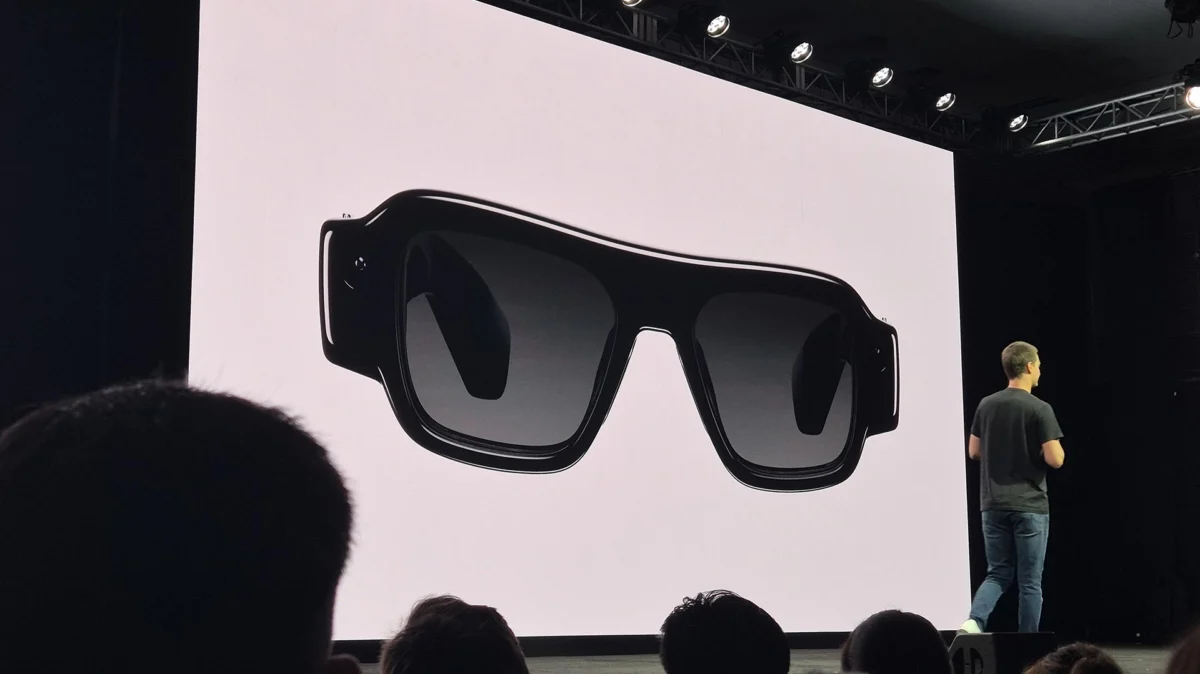
The extended reality (XR) industry is entering a pivotal phase of hardware refinement and strategic realignment, highlighted by Snap Inc.’s announcement of a dedicated launch event for its latest augmented reality (AR) hardware. On September 16, 2024, at 4:00 pm PT, Snap will host an official unveiling of its new "Specs" glasses. While Snap CEO Evan Spiegel previously teased the device during the Augmented World Expo (AWE), providing a general release window and price point, technical specifications remained undisclosed. The upcoming event is expected to provide the industry with a comprehensive technical breakdown—frequently referred to by developers as the "specs of the Specs"—while offering the first public hands-on opportunities.
According to official communications from Snap, the event will focus on the integration of artificial intelligence (AI) assistance, productivity tools, and social connectivity. The company aims to position the device as a tool for "staying present" while accessing digital layers, a move that aligns with the broader industry shift toward wearable AR that complements, rather than replaces, physical reality. Analysts expect a final release date and a detailed software roadmap to be a central part of the presentation.
The Resurrection of AltspaceVR: A Strategic Reboot by SideQuest
In a move that has garnered significant attention within the social VR community, Shane Harris, CEO of SideQuest, has announced plans to reboot AltspaceVR. Originally launched in 2013 and later acquired by Microsoft, AltspaceVR was a pioneer in social virtual reality before its closure in March 2023. Microsoft’s decision to shut down the platform was met with disappointment from a dedicated user base that valued its community-driven atmosphere and safety features.
The new iteration, led by Harris, is intended to serve as a spiritual successor to the original platform. To maintain continuity, SideQuest has reportedly acquired the rights to the Altspace name and has rehired key personnel from the original team, including Christian Boe, the designer responsible for the platform’s iconic robot avatars.

This reboot follows a previous, less successful attempt by a separate team to revive the platform using the BasisVR framework, which faced criticism for proposing cryptocurrency integration. The SideQuest-led project has received a more favorable reception due to the company’s established reputation in the VR ecosystem. However, industry observers remain cautious, noting the difficulty of recapturing a community that has largely migrated to competing platforms like VRChat or Horizon Worlds. The success of the reboot will likely depend on whether it can modernize the technical infrastructure while preserving the informal, adult-centric social environment of its predecessor.
Apple Explores Fitness-Centric Wearables to Expand Vision Ecosystem
Market reports from Bloomberg suggest that Apple Inc. is pivoting its wearable strategy to emphasize fitness and health as primary use cases for future smart glasses. While the Apple Vision Pro introduced high-fidelity spatial computing, its significant weight and form factor have limited its utility for high-intensity physical activity. Consequently, Apple appears to be investigating lightweight glasses as a more viable platform for its Fitness+ services.
A recent job listing from Apple’s Vision Products Group reinforces this direction. The company is seeking a strategic product design leader to "define the future of health, well-being, and fitness experiences across vision products." This move is seen by industry analysts as a tactical shift to broaden the appeal of AR hardware. By focusing on health, Apple could mitigate the "privacy stigma" often associated with camera-equipped glasses, positioning them as essential wellness tools rather than surveillance devices. This strategy mirrors the trajectory of the Apple Watch, which transitioned from a general-purpose fashion accessory to a health-critical device.
Meta Reality Labs Reports Q2 Financials Amid Hardware Leaks
Meta Platforms Inc. recently disclosed its financial results for the second quarter of 2024, revealing that its Reality Labs division incurred an operating loss of $4.62 billion. While the figure is substantial, it was slightly better than the $5 billion loss predicted by market analysts. The division continues to be subsidized by Meta’s robust advertising revenue, reflecting Mark Zuckerberg’s long-term commitment to the "metaverse" despite ongoing fiscal challenges.
Simultaneously, data miners have discovered UI assets for a new Meta headset, codenamed "Puffin" (also referred to in some leaks as Phoenix or Loma), within current Quest firmware. The leaked images suggest a significantly smaller and more lightweight form factor compared to the Quest 3. Some experts believe these "leaks" are controlled maneuvers by Meta to maintain consumer interest ahead of the Meta Connect conference.

In addition to hardware developments, Meta is addressing social concerns surrounding its Ray-Ban Meta smart glasses. The company announced a new policy to ban videos featuring harassment recorded with the device from Instagram. This follows a firmware update that prevents the glasses from recording if the front-facing safety LED has been obstructed, signaling a heightened focus on hardware ethics and brand protection.
Valve’s Steam Frame Approaches Market Readiness
Valve’s highly anticipated "Steam Frame" has successfully passed FCC certification, a mandatory regulatory hurdle for electronic devices sold in the United States. FCC certification typically indicates that a product has reached its final hardware configuration and is nearing mass production.
The device is expected to be a specialized VR or XR hardware solution that integrates deeply with the Steam ecosystem. Valve has already begun curating a list of titles labeled as "Great on Steam Frame," signaling a robust software library at launch. Given Valve’s history with the Steam Deck and the Index headset, the Steam Frame is expected to target the high-performance enthusiast market, potentially offering a more streamlined or specialized alternative to current standalone headsets.
Market Trends: Price Adjustments and Platform Sunsetting
The XR market is currently experiencing significant price volatility as manufacturers compete for market share. Sony’s PlayStation VR2 (PSVR2) recently saw a temporary price reduction to $300 in the U.S. market. This aggressive pricing strategy makes the PSVR2 one of the most affordable high-specification headsets available, particularly given its recently added PCVR compatibility.
However, the industry also faces the challenge of platform sustainability. The developers of the multiplayer shooter HyperDash have announced the game’s shutdown this November. In a move praised by the community, the developers released a final update enabling a single-player mode, ensuring the game remains playable offline. This highlights an ongoing debate regarding the "right to play" for digital-only VR titles as the market matures and older platforms are decommissioned.

Broader Impact and Industry Implications
The collective developments of the past week indicate an industry-wide move toward "wearability" and specialized utility. The shift from bulky headsets to lightweight glasses (Snap Specs, Apple’s fitness glasses, Meta Puffin) suggests that the next generation of XR will be defined by ergonomics and daily integration rather than just raw processing power.
Furthermore, the involvement of established players like SideQuest in reviving legacy platforms and Valve’s steady progress with the Steam Frame suggest a diversifying ecosystem. While Meta continues to dominate the market through sheer financial expenditure, the emergence of specialized hardware and community-led initiatives indicates that the XR landscape is becoming more fragmented and competitive. As Snap prepares for its September event and Apple refines its health-focused strategy, the remainder of 2024 will likely determine which hardware form factors will lead the next decade of spatial computing.
About the Author