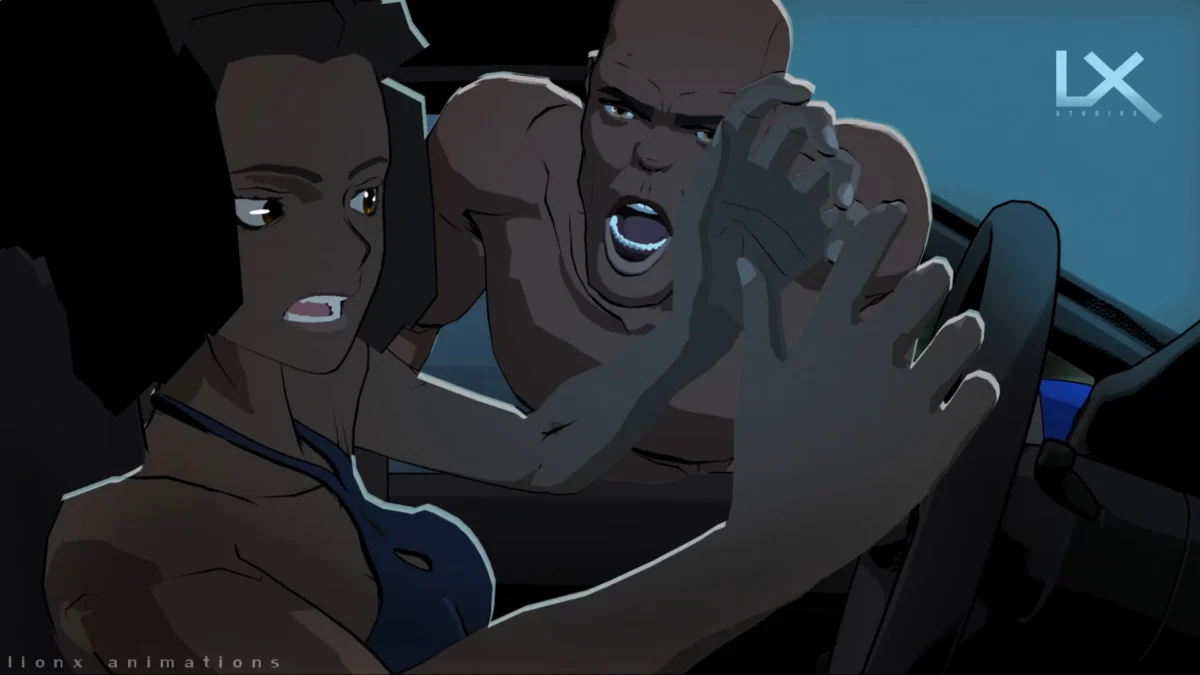
A recently released animated short film, titled "Someone Ate Her Pizza… That was a mistake," has garnered significant attention within the digital art and animation communities, showcasing a unique fusion of 3D character and environment rendering with traditional 2D background artistry. The project, created by independent artist Agu Rex UD, utilizes Blender for its core character and vehicle animation, Krita for its distinctive hand-drawn backgrounds, and Tahoma2D for the integration of lighting effects, demonstrating a sophisticated multi-software workflow. The short, which clocks in at under two minutes, has been widely shared on platforms like YouTube, sparking discussions about the evolving landscape of independent animation production and the creative synergy achievable through diverse digital tools.
The narrative, as implied by the title and visual cues, centers on a confrontation, seemingly triggered by the transgression of consuming a pizza belonging to a female character. The animation style is explicitly noted by the creator to be inspired by anime aesthetics, a popular and influential genre known for its dynamic character designs, expressive emotiveness, and often dramatic storytelling. This stylistic choice, combined with the technical execution, has resonated with viewers who appreciate both the artistic flair and the underlying narrative tension.
The Genesis of a Micro-Short: A Multi-Software Endeavor
The creation process of "Someone Ate Her Pizza… That was a mistake" highlights a deliberate and skilled approach to digital animation. Agu Rex UD has detailed the workflow, emphasizing the distinct roles each software played. Blender, a powerful open-source 3D creation suite, was the cornerstone for animating the central characters and the vehicle featured in the short. This involved meticulous modeling, rigging, texturing, and animating these elements in a three-dimensional space, allowing for complex camera movements and dynamic character performances.
Following the 3D rendering phase, the project transitioned to a more traditional, hand-drawn aesthetic for its environmental backdrops. Krita, a free and open-source digital painting application, was employed for this purpose. This choice suggests a desire to imbue the animation with a unique visual texture and a handcrafted feel, contrasting with the often hyper-realistic or perfectly smooth surfaces of purely 3D environments. The integration of hand-drawn elements can add a layer of artistic personality and emotional depth, which is particularly effective in conveying specific moods or stylistic influences.
The final stage of post-production involved the application of lighting effects and compositing. Tahoma2D, a fork of the now-discontinued open-source animation software Anime Studio (also known as Moho), was utilized for this crucial step. This software is known for its 2D animation capabilities, including bone-based rigging and effects. By integrating the 3D rendered elements with the 2D backgrounds and applying sophisticated lighting, Agu Rex UD was able to create a cohesive visual experience that seamlessly blends different artistic mediums. The lighting effects, in particular, are critical in establishing the atmosphere, defining the mood, and guiding the viewer’s eye, further enhancing the anime-inspired aesthetic.
Technical Prowess Meets Artistic Vision: A Community Appreciation
The success of "Someone Ate Her Pizza… That was a mistake" can be attributed to several factors, not least of which is the accessibility and power of the tools employed. Blender, Krita, and Tahoma2D are all part of the burgeoning open-source creative software ecosystem, empowering independent artists to produce professional-grade work without prohibitive licensing costs. This democratization of tools has fueled a surge in independent animation, allowing for a greater diversity of voices and styles to emerge.
The choice to adopt an anime style is also significant. Anime has a global fanbase, and content creators often find a receptive audience when drawing inspiration from this popular medium. The distinct visual language of anime, characterized by bold lines, vibrant colors, exaggerated expressions, and cinematic framing, offers a fertile ground for creative interpretation. Agu Rex UD’s ability to capture this essence while maintaining a unique artistic identity is a testament to their skill.

Data from platforms like YouTube and Vimeo indicate a growing trend in the consumption of short-form animated content. View counts, engagement metrics (likes, comments, shares), and subscriber growth for channels dedicated to independent animation offer tangible evidence of this trend. While specific viewership figures for "Someone Ate Her Pizza… That was a mistake" are not publicly detailed in the provided information, the nature of its release suggests it has found its niche within these communities, likely experiencing organic growth through social media sharing and word-of-mouth recommendations. The fact that it is presented on a platform like BlenderNation, a prominent hub for Blender-related news and creations, further underscores its relevance within this specialized domain.
The Broader Implications: Independent Animation’s Evolving Landscape
The creation and reception of "Someone Ate Her Pizza… That was a mistake" are emblematic of broader shifts in the animation industry. The traditional barriers to entry, which once required access to expensive proprietary software and large studio resources, are steadily diminishing. Independent artists, armed with powerful and accessible tools, are now capable of producing work that rivals the technical quality and artistic sophistication of larger productions.
This trend has several key implications:
- Diversification of Content: With more creators able to bring their visions to life, the range and diversity of animated content are expanding. This includes a wider array of genres, styles, and cultural influences, catering to a more fragmented and global audience.
- Rise of the Independent Creator: The success of individual artists like Agu Rex UD demonstrates the viability of independent animation as a career path. Platforms for distribution and monetization, such as YouTube, Patreon, and various animation festivals, provide avenues for creators to build an audience and sustain their work.
- Innovation in Workflow: The multi-software approach adopted in this project signifies a growing willingness among artists to experiment with different tools and techniques to achieve specific artistic outcomes. This cross-pollination of software and techniques can lead to novel aesthetic styles and more efficient production pipelines.
- Community Collaboration and Support: The open-source nature of the tools used fosters a strong sense of community. Artists often share tutorials, techniques, and resources, creating a supportive environment for learning and growth. Platforms like BlenderNation serve as crucial nodes for this community, facilitating the discovery and promotion of new talent.
While the narrative of "Someone Ate Her Pizza… That was a mistake" is simple and perhaps even whimsical, its production methodology speaks volumes about the current state of digital art and animation. It represents a successful marriage of technical proficiency, artistic vision, and the strategic utilization of accessible, powerful creative software.
A Look Ahead: The Future of Anime-Inspired Independent Animation
The trajectory of independent animation, particularly that which draws inspiration from established styles like anime, suggests continued growth and innovation. As more artists master tools like Blender, Krita, and Tahoma2D, we can anticipate an even greater influx of visually compelling and narratively diverse short films, web series, and even feature-length projects. The ability to blend 2D and 3D elements, as demonstrated here, is likely to become an increasingly common and sophisticated technique, offering artists a vast palette of creative possibilities.
The economic models supporting independent animation are also evolving. Crowdfunding platforms allow audiences to directly invest in projects they believe in, fostering a closer relationship between creators and their supporters. Furthermore, the rise of streaming services, while often dominated by larger studios, also presents opportunities for independent content to find distribution and reach wider audiences.
The story behind "Someone Ate Her Pizza… That was a mistake" is more than just an anecdote about a short animated film; it is a microcosm of a larger revolution in creative production. It underscores the power of individual artists to create impactful work through skill, dedication, and the intelligent application of technology. As the digital landscape continues to transform, the potential for independent creators to shape the future of animation appears boundless, with each new project like this offering a glimpse into what is possible. The implications extend beyond mere entertainment; they touch upon the democratization of art, the global reach of cultural influences, and the ever-expanding definition of what constitutes a professional creative output in the 21st century.
About the Author